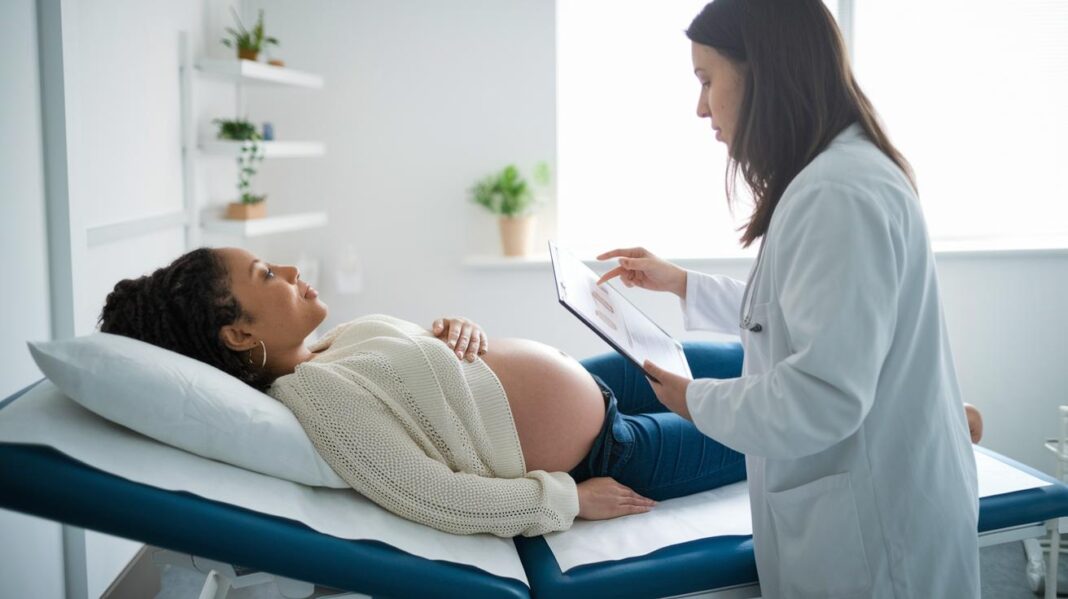
Have you ever wondered if your body can feel a bit more joyful after a regular delivery? Sometimes, after giving birth, you might notice small changes like your breasts looking fuller or a little unexpected leak here and there. Some moms find simple tricks like using cold cabbage leaves really helpful, while others feel better when someone they love steps in to help. Taking care of yourself, both physically and emotionally, can make this journey of healing feel warm and nurturing.
Recovery from Normal Delivery: Joyful Healing
Right after a vaginal birth, your body starts changing in many wonderful ways. You might notice your breasts getting a bit bigger or feeling a bit leaky as milk begins to flow. Some moms find that using cold cabbage leaves on their breasts helps ease the uncomfortable fullness. It’s also a good idea to keep nipple touches to a minimum between feedings so you can avoid extra soreness. And remember, letting a friend or family member help out can make a big difference. One mom even said, “I let my sister handle a few chores while I focused on healing and bonding with my baby.” Having a little stash of postpartum supplies at home can make your recovery feel even more supported.
Taking care of yourself means knowing when to take a break. Rest, stay well-hydrated, and try to get enough sleep. Don’t worry if you need to put household tasks on hold for a while, you deserve this time to heal. Keep an eye on how you’re feeling, and if anything seems off, reach out to your doctor. These early days are all about giving yourself the care you need and knowing it’s perfectly okay to ask for help.
Adjusting to your new role might feel like building a little plan just for you. Balancing both physical care and a bit of emotional support will slowly help your energy return. Be patient with your body and honor its pace, and you’ll be setting a loving foundation for both you and your little one.
Expected Timeline for Physical Healing After a Normal Delivery

In the first week, many new moms notice a mix of feelings. You might feel some pain and soreness in your perineum, along with gentle uterine contractions and lochia flow (a type of discharge). These are all normal signs that your body is starting to heal. For more details, check our postpartum recovery timeline at https://womensconference.org?p=11138.
By the second and third weeks, you may see a slow drop in bleeding and discomfort. Even though a little soreness might still linger, the cramps usually become less intense. Simple acts like a gentle cleanse or a warm compress can help ease you into feeling better each day.
At your six-week checkup, your doctor usually looks for stronger signs of recovery. The tissues around your vagina and perineum often show clear improvement, and your uterus is close to its normal size. If you feel ready, you might think about resuming intimacy, but just keep an eye on any lingering symptoms.
Between three and six months after delivery, you might start feeling more energetic, and your muscle tone could gradually improve. Some changes, like slight varicose veins, might be visible for a while but often fade over time. This stage is all about your body getting back to its everyday strength.
By one year postpartum, many mothers see almost complete healing. The scars from childbirth mature, and your body often feels remarkably restored. Any small, long-lasting changes, such as minor varicose veins, generally settle down as time goes by.
Remember, every recovery journey is personal. While this timeline highlights common milestones, every mom heals in her own way. If something feels off, don’t hesitate to chat with your healthcare provider.
Managing Postpartum Discomfort and Pain Relief Strategies
After a vaginal birth, it’s normal to feel sore from tears or stitches, and you might even notice muscle aches, uterine cramps, or night sweats. Sometimes, issues like hemorrhoids or mild leakage can pop up, making those first days a bit tougher. It’s all part of the process, and listening to your body with gentle care can make a real difference.
Many moms find that simple, soothing remedies can help ease the discomfort while supporting a steady recovery. For instance, some use cold packs or even cabbage leaves to help with breast swelling. Others take a warm sitz bath or soak in Epsom salts to ease soreness around the perineal area. Witch hazel pads can calm down swelling from hemorrhoids, and a gentle belly massage might lessen uterine cramps. Over-the-counter pain relievers can also be a friend, as long as you check with your healthcare provider first.
It can be really reassuring to treat your body like the precious, well-being treasure it is. Taking regular, short rest breaks and slowly returning to your usual chores can make this healing time feel a bit lighter. Think of it like easing back into your favorite family routine, step by step, without rushing, letting your body guide you.
Remember, every little bit of self-care counts. By mixing in these easy relief strategies with plenty of rest, you’re giving your body the love and patience it needs to heal. It’s all about taking care of yourself while gradually settling back into everyday life, one gentle step at a time.
Care of Perineal Tears and Stitch Management After Normal Delivery

After a vaginal birth, taking care of your perineal tears and stitches is all about gentle treatment and keeping things clean. It’s normal to feel a bit sore when you have stitches, but rinsing with warm water can really help speed up the healing process. A gentle shower or even a sitz bath (for postpartum care during recovery) can ease discomfort and make you feel better. Cleaning the area every day and gently patting it dry helps keep infections at bay. Usually, healing takes about six weeks, but if you had an episiotomy or a more serious tear, it’s a good idea to check in with your healthcare provider. Remember, taking things slowly can support both your healing and overall well-being.
Below is a handy reference table that explains how different lacerations should be cared for. For Grade 1 tears, a few warm water rinses and perineal pads might be enough, letting you heal in one to two weeks. Grade 2 tears may need a bit more care with sitz baths, soft cleansing, and sometimes prescribed ointments, usually needing three to four weeks to heal. If you had an episiotomy or a Grade 3 tear, it might take between six to eight weeks, and follow-up exams and extra gentle care can be really important. Use these simple guidelines to create a post-birth routine that feels right for you and keeps the risk of infection low.
| Laceration Type | Typical Healing Time | Care Tips |
|---|---|---|
| Grade 1 Tear | 1–2 weeks | Warm water rinses, perineal pads |
| Grade 2 Tear | 3–4 weeks | Sitz baths, gentle cleansing, prescribed ointments |
| Episiotomy or Grade 3 | 6–8 weeks | Follow-up exams, specialized wound care, avoid straining |
This simple guide is here to give you the confidence to care for your healing stitches with ease. Follow these steps each day, and before you know it, you’ll be feeling better and back to enjoying those little moments with your baby.
Pelvic Floor Strengthening and Gentle Exercise Routines After Vaginal Birth
After giving birth vaginally, many moms notice that their pelvic floor feels a bit softer, which is completely normal when welcoming your baby. Starting gentle Kegel exercises can help rebuild strength. It’s a good idea to begin these exercises a few days after delivery, so your body can heal naturally. Adding in some light stretches and gentle core movements can ease you back into activity without overdoing it. Think of it like tuning a soft instrument, with a few gentle squeezes held for just a few seconds.
You might find that a home workout plan or a session with a pelvic rehab expert provides extra support for your recovery. These careful exercises help you gradually strengthen your abdominal muscles while protecting your healing tissues. Simple activities, like a calming postpartum yoga session or a relaxed walk, can also boost your balance and ease any discomfort. This caring approach not only helps reduce the risk of incontinence but also encourages your body to regain its natural support.
Take it slow and listen to your body as you work on your pelvic floor and core. With a gradual mix of gentle stretches and low-impact exercises, you give yourself the chance to heal without extra pressure. Over time, a routine that fits into your day can help you rebuild strength, all while cherishing the small, meaningful steps you take along the way.
Nutritional Guidelines and Hydration for Postnatal Recovery

Eating a mix of nourishing foods can really help your body heal after giving birth. A good dose of protein and vitamin C (which helps fix tissues) works wonders, and iron-packed foods like lean meats or spinach can fight off postpartum anemia. Imagine starting your day with a warm scramble of eggs and tomatoes, a tasty, simple way to boost your healing. Eating small, frequent meals can also keep your energy steady during those busy days with your newborn.
Refreshing, natural foods add an extra lift to your recovery. Avocado, berries, and leafy greens help ease swelling while delivering powerful nutrients. Picture enjoying a crisp salad with fresh greens, slices of avocado, and a little squeeze of lemon, a bright and vibrant meal that calms and nourishes your body. This kind of colorful plate can make mealtime feel both healing and joyful.
Staying well-hydrated is really key in the weeks after delivery. Water helps with milk production and can even keep those pesky night sweats in check. Along with water, you might try natural supplements like collagen or omega-3 fatty acids to boost recovery further. A simple glass of water with a splash of fresh fruit can feel like a gentle reminder that each sip is helping your body bounce back. By following these down-to-earth diet and hydration tips, you’re taking a caring, whole-body approach that nurtures both body and spirit.
Emotional Adjustment and Mental Wellness Techniques for New Mothers
After having your baby, it's common to feel lots of new emotions that sometimes feel like too much. Your hormones might make you feel a bit down (often called the baby blues) or, for some of us, even lead to postpartum depression. It’s normal if you notice mood swings or if things like intimacy aren’t as important right now. Talking openly with your partner, sharing with a trusted friend, or even joining a small support group can really help. One mom once said, "Talking through my emotions honestly really lightened my heart during those first tough weeks."
Taking a little time just for you can also work wonders for that tired feeling. Simple things like sticking to a regular sleep schedule, enjoying a quiet moment with a warm cup of tea, or practicing some deep, calming breaths can feel like a cozy hug on a tough day. And if you feel like your mood isn't improving after a while, chatting with a specialist might be just the boost you need. Little self-care moments and having someone to really listen can go a long way in keeping your mind strong and helping you recover at your own pace.
Final Words
In the action of caring for your body and mind after a normal delivery, we've covered self-care tips, hygiene practices, and safe exercises. These insights guide you through managing discomfort, caring for stitches, and gently strengthening your pelvic floor while embracing nutritious meals.
Taking time to rest and accept help is key during this phase. Recovery from normal delivery is a gradual, supportive process that builds confidence in your ability to care for yourself as you nurture your little one. Enjoy every small victory along the way!
FAQ
How long does it take for your body to go back to normal after birth?
The time for your body to return to normal after birth usually spans six weeks to a full recovery by one year, with different aspects healing at their own pace.
What are things not to do after giving birth?
The things not to do after giving birth include heavy lifting or overexerting yourself; it’s wise to rest, avoid strenuous chores, and allow your body time to heal properly.
Does it really take 2 years to recover from pregnancy?
The idea of a 2-year recovery doesn’t reflect most women’s experience; while some adjustments continue, major physical healing usually occurs in the weeks and months following birth.
How do I take care of my vagina after giving birth?
Taking care of your vagina after giving birth means using gentle cleansing, sitting in warm water if needed, and following your doctor’s advice, particularly if stitches or tears are involved.
Can you show normal delivery stitches photos?
Normal delivery stitches photos typically display the healing stages on perineal tissue, helping you understand what to expect as your body naturally heals after birth.
When can I start doing household work after delivery?
Starting household work should be gradual; many women wait until after six weeks of recovery and follow their doctor’s guidance before resuming regular household tasks.
How do I tighten my vagina after giving birth?
Tightening your vagina after giving birth may involve regular pelvic floor exercises such as Kegels, which help improve muscle tone and offer more comfort during recovery.
How long does it take for the pelvis to return to normal after pregnancy?
The pelvis typically takes about six weeks to return to normal after pregnancy, although the pace of recovery can differ from one woman to another.
How many days does it take to recover after a normal delivery?
Recovery after a normal delivery is most noticeable around six weeks, by which time many women experience significant improvements in pain and overall well-being.
What is the 5 5 5 rule after birth?
The 5 5 5 rule after birth generally refers to guidelines for rest, nutrition, and gradual activity; it’s best to check with your healthcare provider for details specific to your needs.
How do I take care of my body after normal delivery?
Taking care of your body after normal delivery means prioritizing rest, staying hydrated, eating nutrient-rich foods, and easing back into movement as guided by your doctor.
How can I recover fast from normal delivery?
Recovering fast from normal delivery involves a balanced approach with ample rest, proper nutrition, gentle exercises, and listening to your body while following your healthcare expert’s advice.