
Have you ever noticed your little one taking a slow crawl or hesitant steps and wondered if it could mean something more than just a unique pace? Many parents notice these small differences and feel unsure if they point to a deeper concern. In this conversation, we’ll share some clear signs to help you recognize delayed motor skills and explain why every tiny win is worth a little celebration. Let’s explore simple ways to understand these cues and keep cheering on those precious milestones.
Recognizing Early Signs of Delayed Motor Development

Most kids hit movement milestones at around the same ages. By 6 months, many can sit on their own, and by about 9 months, you might see your little one starting to crawl. Then, between 12 and 15 months, those precious first steps usually come. These guidelines help us keep an eye on a child’s muscle development. For instance, if your baby loves tummy time but hasn’t yet tried picking up a block to drop it in a cup, it might be a good idea to chat with your doctor.
Fine motor skills matter a lot, too. When your child is stacking blocks, threading beads, or doodling with crayons, these simple activities show that hand-eye coordination is coming along nicely. If these actions seem to be a struggle, it could be a sign that things aren’t quite on track with their motor development. Watching both big movements and small, detailed actions can really help you notice if something needs extra attention.
If you see any of these signs, it might be worth mentioning to your pediatrician:
- Not sitting unassisted by 6 months
- Not starting to crawl by 12 months
- Not taking first steps between 12 and 15 months
- Difficulty stacking small objects
- Trouble threading beads even when encouraged
- Not reaching for toys or objects during play
- Lack of hand-eye coordination when drawing or scribbling
- Unsteady movements when trying to stand or walk
Keeping track of these milestones gives you a clearer picture of your child’s growth. The sooner you notice a delay, the sooner you can get help to support their developing movement skills. Remember, you're not alone, help is always available to guide you and your little one through every step.
Movement Milestone Delays: Typical vs. Delayed Development

Most children follow a similar journey when learning how to move. Babies often start rolling over around 4–5 months, then they begin sitting without help by about 6 months. Soon after, they usually start crawling by 9 months and pull themselves to stand by 12 months. Many little ones take their first steps between 12 and 15 months.
If you notice your child reaches these milestones a bit later, like rolling after 6 months, sitting after 9 months, crawling after 12 months, or walking after 18 months, it might feel a bit concerning. Keep in mind, every child moves at their own pace. Spotting these differences early on lets you gently chat with your doctor if needed.
| Milestone | Typical Age Range | Delay Indicator Age |
|---|---|---|
| Rolling | 4–5 months | After 6 months |
| Sitting | By 6 months | After 9 months |
| Crawling | Around 9 months | After 12 months |
| Pulling to Stand | By 12 months | After 15 months |
| Walking | 12–15 months | After 18 months |
These comparisons help you see the differences between normal progress and possible delays. Remember, your instinct as a parent is valuable, and a friendly chat with your doctor can bring comfort and guidance if you ever feel unsure.
Pediatric Coordination Red Flags in Motor Development

Some kids might have a hard time picking up small toys by the time they’re 15 months old, and using utensils like spoons by 18 months can be a real challenge too. One parent said, "My little one found holding a spoon really difficult, and snack time turned into a bit of a struggle." These early signs help us notice when a child might be having trouble with small hand movements.
You might also see that a child isn’t as steady with bigger movements. They could lose their balance easily, walk with a wobbly step, or seem unsure when climbing stairs or running. These unsteady steps can make parents wonder about the child’s overall coordination.
When both small movements and bigger body movements seem off, it could mean the child is having a hard time planning and doing movements smoothly. In other words, there might be a gap in how their brain and muscles work together.
Underlying Causes of Delayed Motor Development Signs
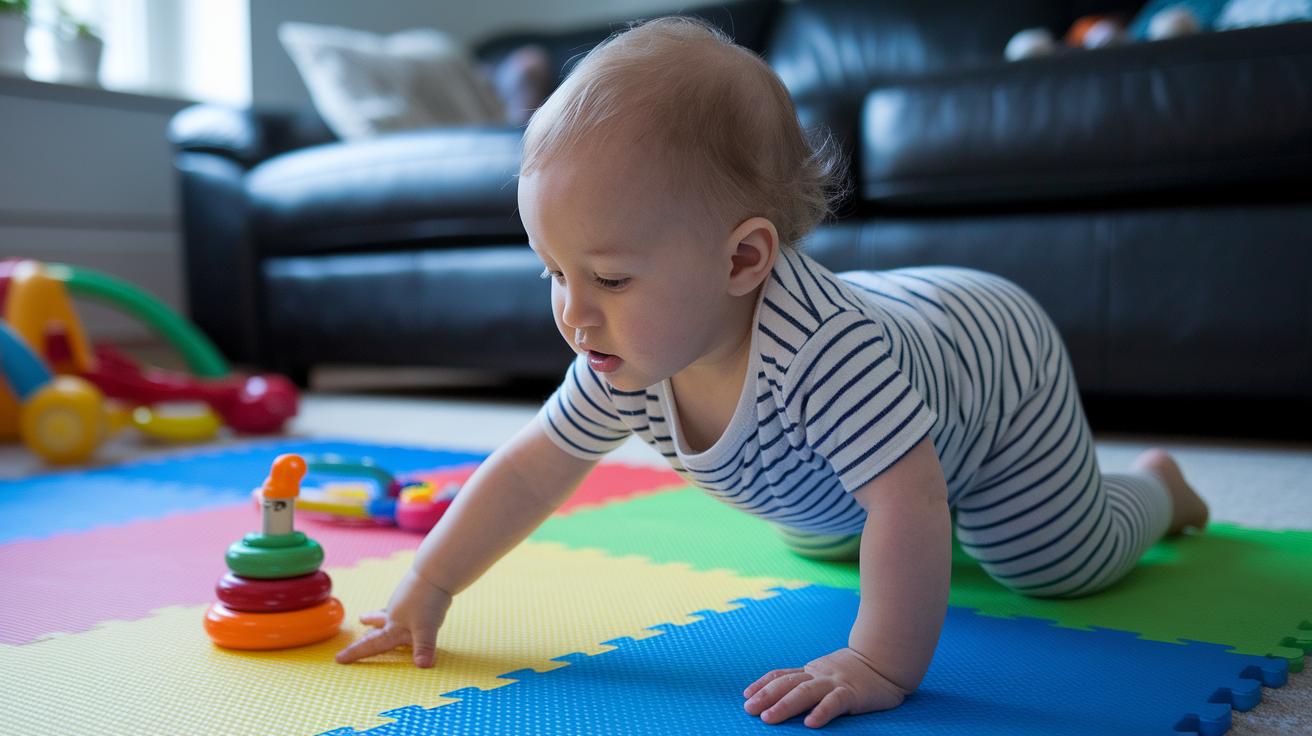
Sometimes, a child’s motor skills can take a little longer to develop because of natural body differences. Some kids have softer muscles, which can make crawling, standing, or walking a bit tougher. When their muscles aren’t very strong, even simple movements, like playing during tummy time or reaching for a favorite toy, might be more challenging. It’s like every little wiggle is a chance to slowly build up those muscles.
There are also other reasons behind these delays. For instance, some children might have neurological conditions, or they might have been born a bit early. Babies with such challenges often take longer to reach milestones like sitting up or taking their first step because the signals between their brain and muscles aren’t perfectly in tune yet.
The environment in which a child grows up also plays a part. When there isn’t much tummy time or active play, the little ones might not get the practice they need for smooth, coordinated movements. Regular play sessions on the floor with soft toys or simple movement games can really help. This extra practice gives their muscles many chances to learn and grow more confident with each move.
Developmental Delay Assessments and When to Seek Help
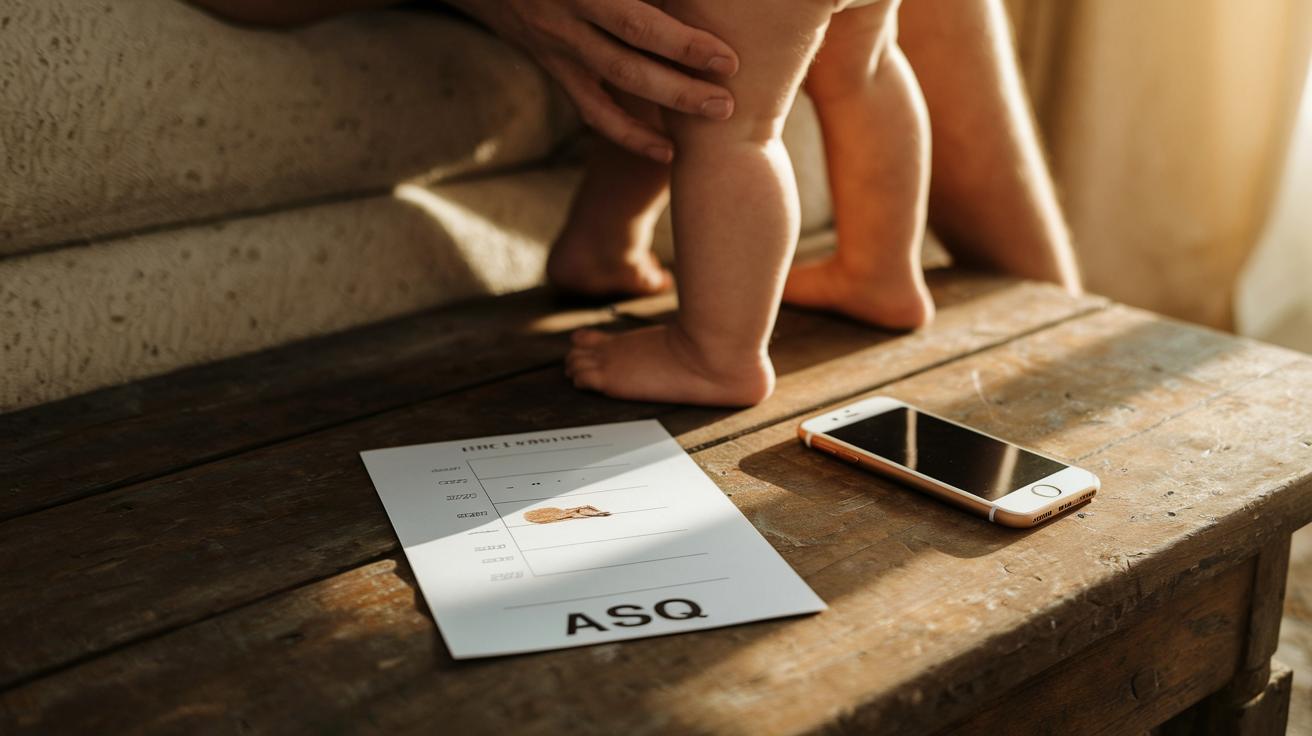
Catching developmental delays early gives you a head start in understanding your child's growth. Sometimes, you might notice that your little one isn’t rolling by 6 months, sitting by 9 months, or walking by 18 months. These little signals can help guide you on whether it's time for a little extra check-up. A simple screening can show how your child moves and point out areas where a bit more support might be needed. If your toddler isn’t hitting those usual milestones, mentioning your observations during a regular doctor visit can be a good idea.
Doctors often use tools like the Ages and Stages Questionnaire (ASQ) or the Denver Developmental Screening Test (DDST) to get a clear picture of your child's motor skills. It’s generally recommended to do these checks during well-child visits around 12 and 18 months, since that’s when delays may start to show. These assessments help identify any gaps in development early on, making it easier to plan the right steps for your child.
It’s always a good idea to talk to a specialist if you're feeling unsure. If a screening raises any concerns about your child's movement, a professional can offer clear advice and supportive strategies. Early assessments really set the stage for timely help, making it easier for you to celebrate every little win while ensuring your child gets the care they need.
Intervention Approaches for Signs of Delayed Motor Development
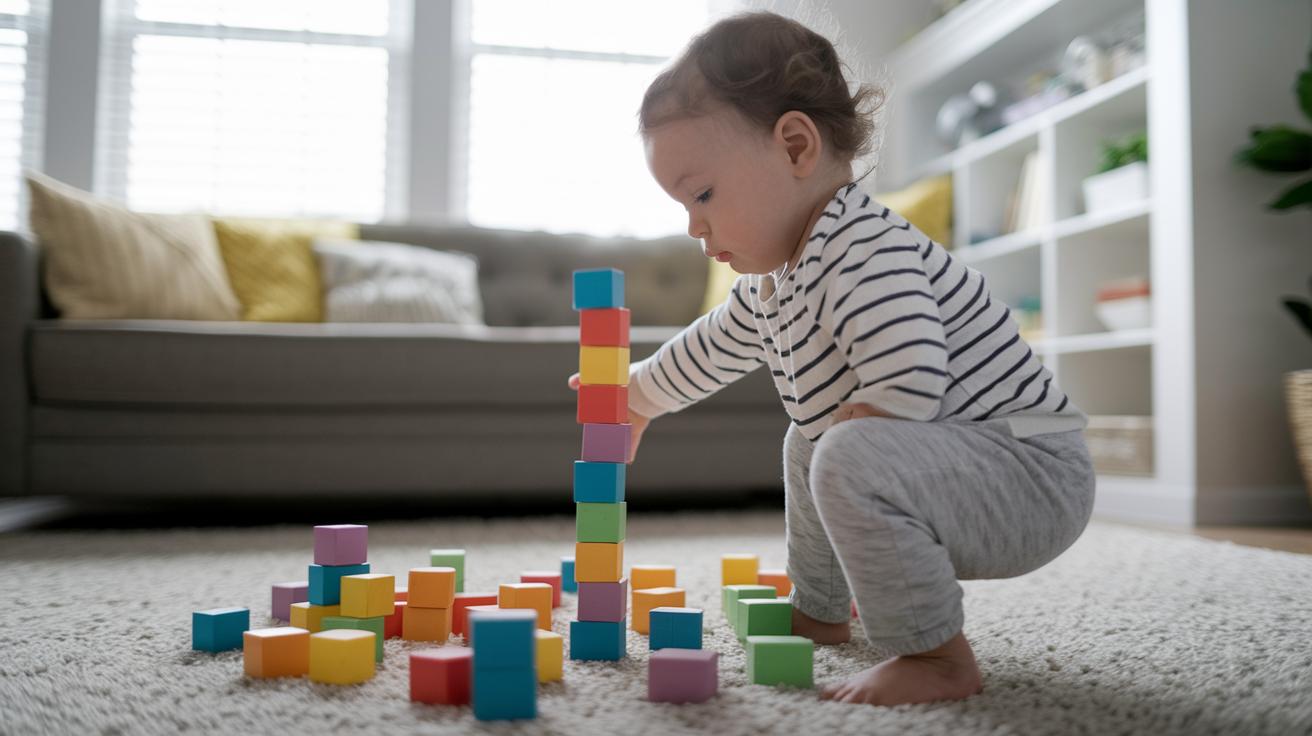
Trying playful activities at home can really boost your child's motor skills. Simple actions like stacking blocks, threading beads, or having guided tummy time are not only fun but also help build strength and coordination. Imagine your little one carefully placing colorful blocks during a morning play session. That small act shows their hand-eye coordination is growing stronger. By adding these easy activities to your daily routine, you create a warm space where every little achievement is celebrated.
Sometimes, getting help from a professional can be a big support. Physical and occupational therapists can lead fun sessions that improve balance, posture, and fine motor control. They might set up activities that mimic real-life tasks, like stepping over small obstacles or arranging different textures. Aquatic therapy is another great choice since water play builds muscle strength with less strain on joints. These expert-led sessions give a helpful boost when home exercises need a little extra guidance.
A simple, personalized intervention program that involves the entire family can really make a difference. When everyone joins in on structured play or routine exercises planned by professionals, your child’s skills improve and family confidence grows. Each little step forward becomes a moment to celebrate, turning everyday activities into chances for growth and smoother, more coordinated movement.
Final Words
We jumped right into motor milestones and explored when delays in sitting, crawling, and walking might occur. We talked about both coordination challenges and underlying factors that could affect progress. You also read about assessing these issues and using home activities or professional help to support improvement.
Keeping an eye on signs of delayed motor development gives families a chance to get the right support early. It’s a positive step toward ensuring every little one feels confident as they grow.
FAQ
How can I help a child with developmental delay?
Helping a child with developmental delay means working with healthcare professionals and using engaging home activities. These can include simple exercises, physical or occupational therapy, and daily routines that build confidence and skill.
What are examples of developmental delay?
Examples of developmental delay include slower progress with gross motor skills like sitting or walking, challenges with fine motor tasks such as stacking blocks, language delays, or differences in social interaction that may become noticeable over time.
What are common signs of developmental delay in infants and toddlers?
Signs of developmental delay in young children include missing key milestones, such as not sitting or crawling by the expected age, difficulty with fine motor skills like picking up small objects, and delayed speech or social interactions.
What does cognitive delay mean in a child?
Cognitive delay means that a child may learn, think, or process ideas at a slower pace than typical. This delay can show in areas like language acquisition, problem-solving, and social interactions.
What are the red flags for gross motor delay?
Gross motor red flags include not sitting independently by six months, not crawling by 12 months, or not walking by 18 months. They can also include poor balance and unsteady movement patterns during routine play.
What symptoms indicate motor delay?
Symptoms of motor delay can present as struggles with crawling, walking, or handling fine motor tasks. Parents might notice difficulties in grasping small items or in maintaining balanced, coordinated movements.
How can you tell if your child is developmentally delayed?
You can tell if your child might be developmentally delayed by comparing their progress to typical milestones. If they consistently struggle with motor, language, or social skills, it’s a good idea to seek advice from a healthcare professional.
Can a child show developmental delays without being autistic?
A child can have developmental delays in areas like motor skills or language that are not related to autism. These delays reflect slower progress in reaching milestones for various reasons, and each case is unique.