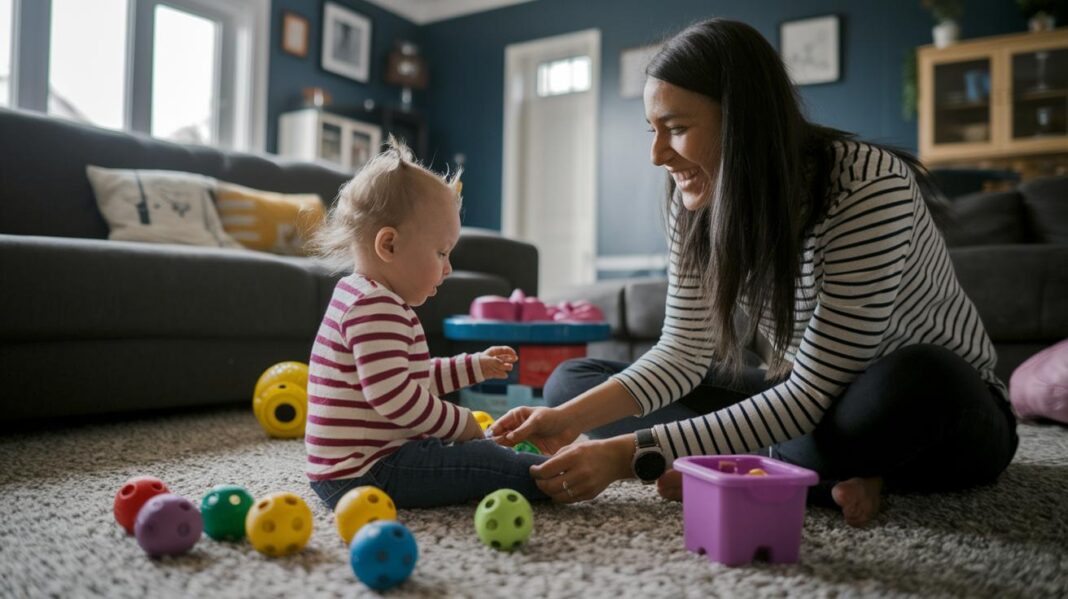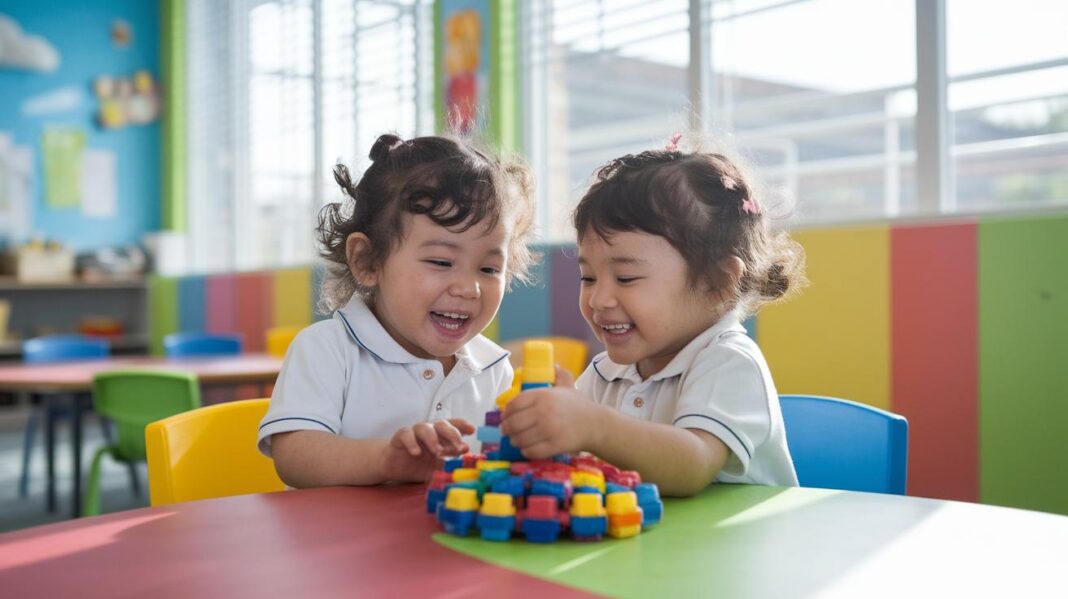
Have you ever noticed how some little kids light up when they play with their buddies?
It all starts with social emotional skills that help them play nicely and stay calm.
When children learn to share, recognize feelings, and speak kindly, they build a strong base for lasting friendships.
In this chat, we’re going to look at some key milestones and share simple ideas about how these early moments help kids grow happy and connected.
So, let’s dive in and see how everyday hugs and laughter can build a future filled with care and confidence.
Essential Milestones of Social Emotional Development in Preschoolers
Watching our little ones grow is such a joy. At preschool age, children start learning how to share and play together, usually around ages 3 and 4. They begin to notice not only what they’re feeling but also how others might feel, and this helps them learn to be gentle with themselves and others. It’s like they’re building a little toolkit for better communication and cooperation later on.
When kids develop these skills, they can handle their impulses more easily and interact kindly with friends. With a little more self-control and empathy, even young preschoolers start to navigate their social world. These early steps, backed by solid learning ideas, help create a strong base for understanding both personal emotions and everyday challenges.
| Age Range | Important Step | How It Helps |
|---|---|---|
| 3-4 | Learning to share and play together | Begins understanding how to take turns and play fair |
| 4-5 | Gaining control and noticing emotions | Helps build self-control and learn about feelings |
| 5+ | Showing empathy and better talking skills | Strengthens awareness and supports positive interactions |
When these milestones are met early on, they help build a solid framework for building good relationships and feeling secure. These skills make a big difference not just in the classroom but in everyday life. For more helpful info on your child’s development, check out this resource: stages of childhood development – https://womensconference.org?p=11029.
Key Social Skills Emerging in Preschoolers

Social skills are really important for preschoolers. They help little ones make friends, understand their feelings, and feel more confident when they play.
- Cooperation: Kids learn to work together, like when they build towers together.
- Sharing: Passing toys or space shows them how to be fair and generous.
- Recognizing emotions: When they notice their own feelings and those of their friends, they grow more empathetic.
- Active listening: Paying close attention to others helps them reply in a kind way.
Adults play a big part too. By joining in games or simple sports, they show kids how to take turns, really listen, and speak kindly every day.
Techniques for Emotional Regulation and Self-Control in Preschoolers
When little ones feel overwhelmed by big emotions, watching a calm adult can really help. It’s amazing how a simple example of patience and understanding can show a child a way to deal with strong feelings.
Modeling Calm Behavior
When you speak softly and use gentle actions, you’re showing your child that it’s okay to take a moment to breathe when things get tough. This little act can make a big difference and helps soften even the most heated moments.
Guided Storytelling for Emotion Identification
Telling stories about characters who feel anger or sadness is a fun way for kids to explore their own feelings. As you share these tales, pause to talk about how the characters might be feeling. It helps kids learn to name what they’re experiencing and see that everyone has these moments.
Simple Breathing Exercises
Sometimes, all it takes is a playful activity like blowing bubbles or pretending to inflate a balloon. These easy breathing exercises give children a chance to collect themselves and find a bit of calm in the middle of a busy day.
Using these friendly techniques every day can build a simple routine that helps preschoolers manage their feelings. With a bit of practice and lots of care, handling strong emotions can become a part of every joyful, everyday moment.
Cultivating Peer Interaction and Relationship Skills in Preschoolers
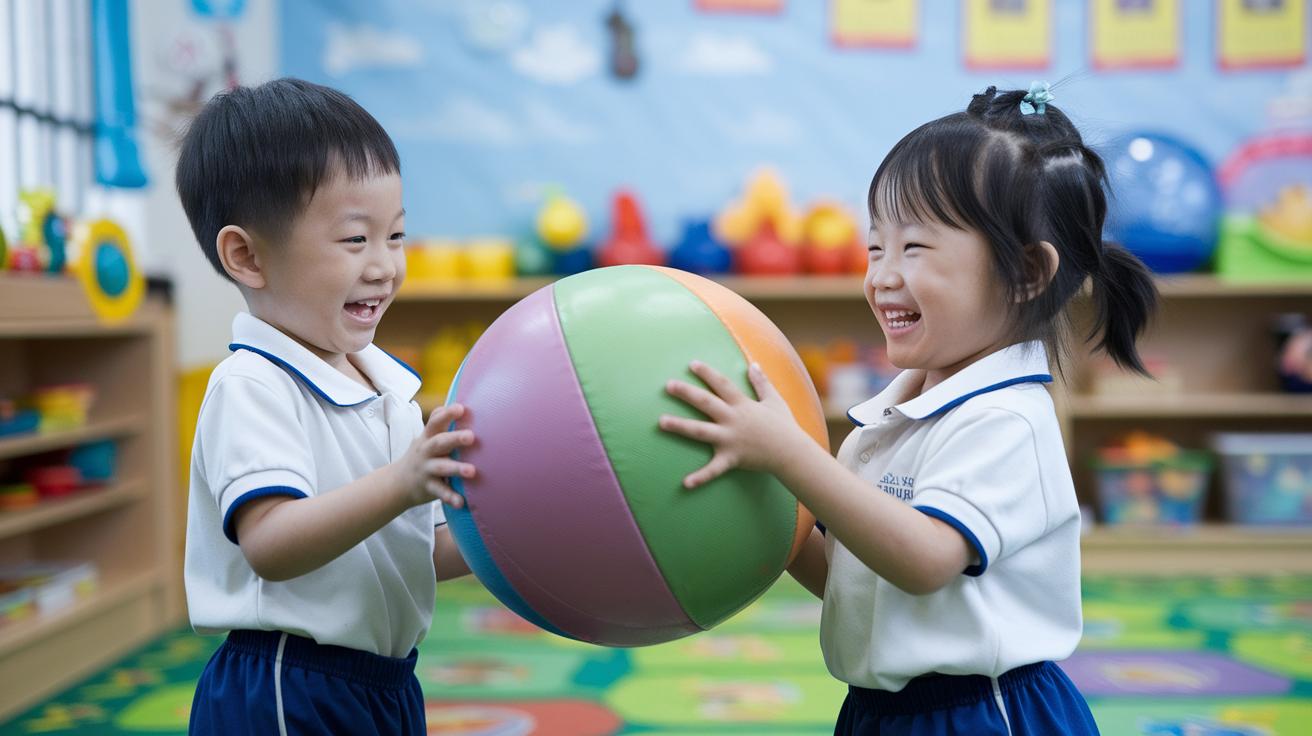
Group play is a fun way for little ones to learn about sharing and taking turns. When kids pass a ball or play telephone, they pick up on simple ways to talk and listen. For instance, playing a ball game shows them that every voice in the group counts, helping them learn to work together.
Caring teachers are there to help smooth out little problems and guide kids in sharing their feelings. When a teacher calmly says, "Try saying how you feel," it gives kids a gentle example of how to solve disagreements kindly. This supportive approach keeps play fun and teaches kids the value of taking turns in speaking.
A warm, welcoming classroom makes a big difference in building early friendships. When children feel safe and noticed, their social skills naturally grow, leading to stronger, friendly bonds. In this kind of caring space, kind words and cooperative play lay the foundation for clear and confident communication later on.
Preschooler Empathy-Building Activities for Social Emotional Growth
Empathy grows when kids share their feelings and begin to understand how others feel too. Simple activities help them learn about emotions and nurture a caring heart that lasts a lifetime.
Puppet shows are a fun way to bring feelings to life. By watching playful characters express anger or sadness, children can see how these emotions are handled. It’s like watching a little story where feelings get a chance to shine.
Sharing circles make a cozy space for every child to speak up and listen. In these small groups, each kid feels heard, and they learn that every voice matters. This gentle act of sharing deepens their understanding of one another.
Art projects that focus on caring, like drawing someone who needs help, let children express themselves while spreading kindness. Through these creative moments, they learn that a simple drawing can send a powerful message of support.
By weaving these empathy-building practices into everyday life, children grow into kind, thoughtful friends who truly understand the value of caring for one another.
Supporting Social Emotional Development at Home for Preschoolers

When you take a moment to name your child’s feelings, you show them that their emotions truly matter. For example, if your little one is upset because a toy isn’t working right, you might say, "I see you're feeling really frustrated because your toy isn’t working; that must feel disappointing." This simple acknowledgment helps your child feel heard and understood.
It’s also important to encourage genuine apologies at home. When your child says sorry, take a minute to talk about what happened and explore ways to make things better. This shows them that a sincere apology isn’t just about saying sorry, it’s about fixing hurt feelings and learning from the situation.
Creating daily routines and even little role-play games can further support these lessons. Setting up familiar routines makes your home a safe space where everyone can share their feelings openly. And whether it’s during family storytime or a fun role-play session, these moments give kids a chance to practice sharing, understanding, and problem-solving in a way that feels natural.
Monitoring and Assessing Social Emotional Progress in Preschoolers
Watching little ones grow in how they handle feelings is really important. It lets parents and teachers catch every small step, like when a child learns to calm himself down or offers a kind smile. These moments help us know when gentle support is needed or when a new skill is starting to shine.
It’s amazing to see how kids develop through simple play. When you notice them sharing, taking turns, or saying how they feel, it builds confidence and guides what to do next. It feels a bit like watching a garden slowly bloom, one tiny bud at a time.
One friendly way to keep track is by writing down simple observations during group activities. Using an easy checklist based on social emotional ideas, you can note when a child manages frustration or seeks help from a friend. This record helps you see how skills like impulse control and kindness are growing, so you can set little goals and celebrate every step of success.
Final Words
In the action of everyday moments, preschoolers learn to share, recognize feelings, and play together. We talked about essential social skills like communication, empathy, and self-control. Simple activities and routines at home work together with classroom support to boost social emotional development in preschoolers. Each small step helps build a foundation for confidence and genuine connections. These nurturing practices remind us that every moment matters and every smile lights the way forward.