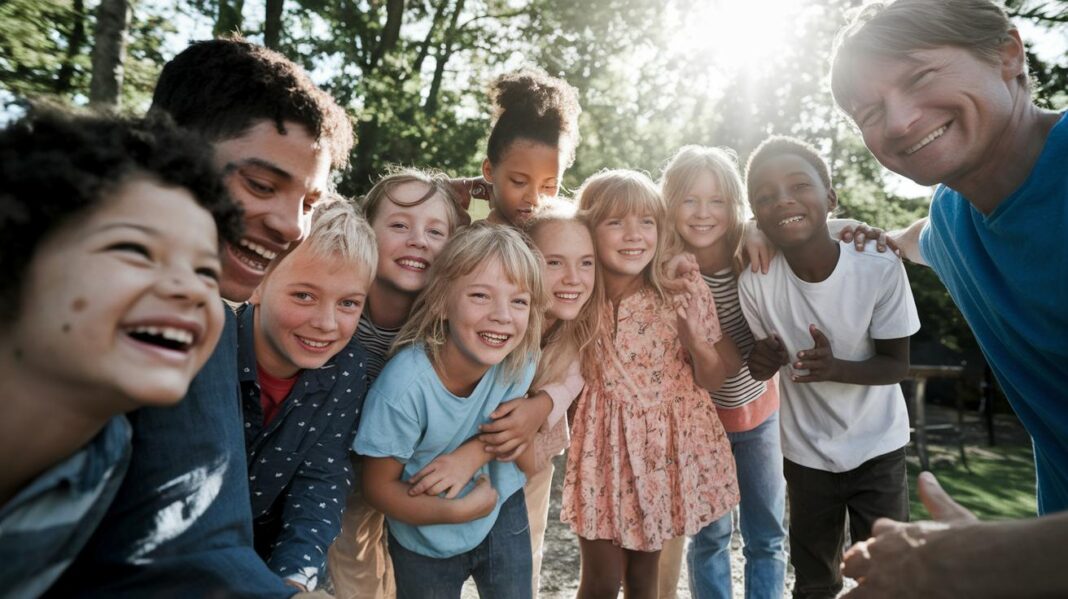
Have you ever noticed how a toddler’s cheerful smile can turn playtime into a special moment of connection? Toddler time is busy and full of life. Each laugh and little game feels like planting a seed for future friendship. When your little one waves happily or imitates a grown-up, they aren’t just playing. They’re quietly learning about caring, sharing, and working together.
In this post, we’re going to explore how everyday play can help build those bright bonds. Think of it like setting the stage for a future filled with warmth and closeness. Have you ever seen how a simple game brings you closer to your child? It’s these simple moments that make all the difference.
toddlerhood social development: Bright Social Bonds
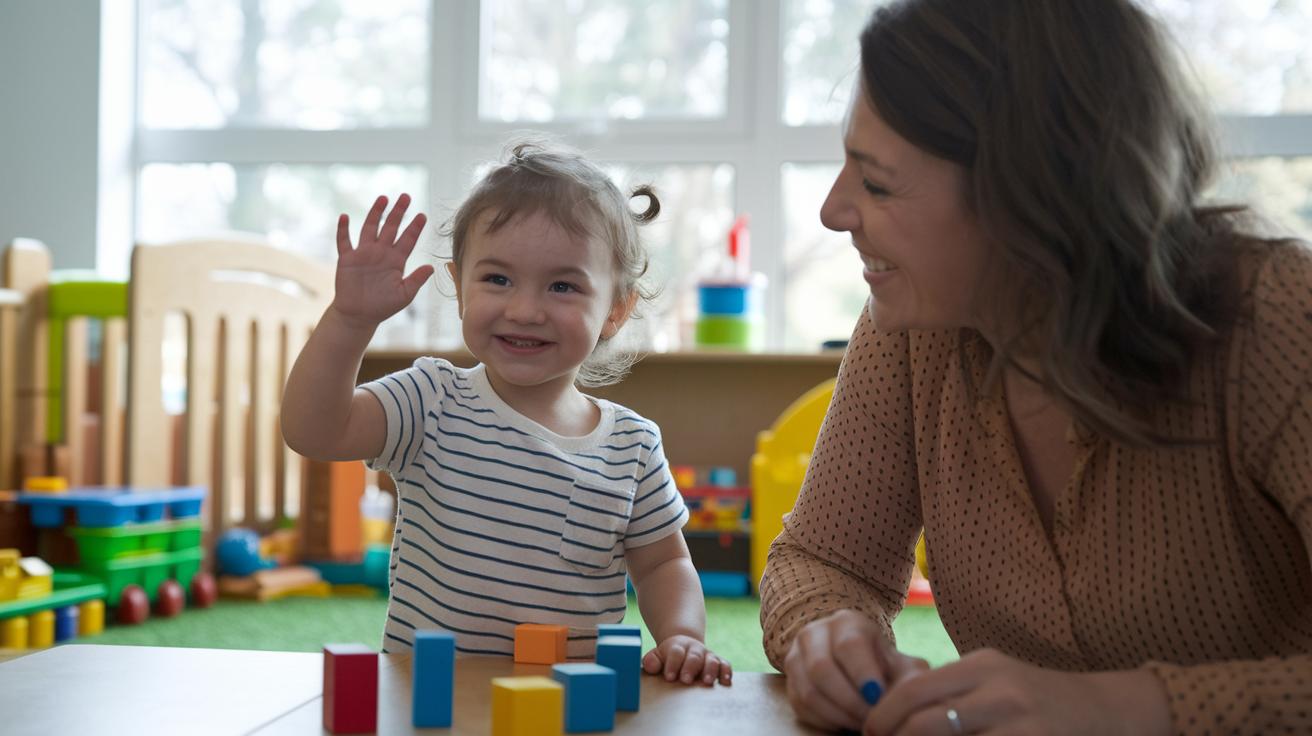
During toddlerhood, kids begin showing off new ways to talk and connect with others. Around 15 to 18 months, little ones start to mimic what grown-ups do, like giving a cheerful wave, which feels like a tiny echo of love and hints at growing bonds.
By the time they hit 2, toddlers often enjoy playing side by side in what's called parallel play. They might not chat directly, but they're busy exploring their world together. At this stage, many of them know over 50 words, whether they're asking for a drink or showing excitement for a new toy.
Between 2½ and 3 years old, sharing starts to take shape. Kids begin taking turns with toys and join in simple games that teach them about waiting and being fair. It’s also when you might first notice the early signs of real friendships forming.
Come age 4, cooperative play really takes off as kids join group activities. Still, some may feel a bit shy or have separation anxiety in new group settings. Introducing a familiar group game at home can help ease these feelings and make social time fun and less overwhelming.
For example, a toddler might copy a parent by sharing a snack with a playmate, a small yet important step in showing care and building close bonds.
Strategies to Foster Social Growth in Toddlers through Play

Toddlers pick up so much by playing. At first, they often play side by side (this is called parallel play, usually between 15 and 24 months). Then as they grow, they start to chat and play together in associative ways (around 2 to 3 years old) and even join in more cooperative play by 3 to 4 years old. Setting aside some everyday time for play helps build those important social skills while making special moments for everyone.
One fun idea is to set up role-playing games. Picture a pretend kitchen where your little one might hand you a toy fork and cheerfully say, "Let's cook dinner!" This playful moment not only teaches turn-taking but also sparks a lovely, imaginative conversation.
Storytelling or using puppets is another way to encourage kind words and caring behavior. You might tell a simple story or put on a little puppet show and say, "The puppet shared his ball, and everyone had fun!" It’s a clear, simple way for your child to see how sharing and caring go hand in hand.
Parents can also set up small group activities like circle games or parachute play. Here are a few tips to try out:
| Tip | What to Do |
|---|---|
| Playdate Time | Spend about 10 minutes with 2-3 children. |
| Role Rotation | Let each child take a turn leading the game. |
| Interactive Games | Engage in games that teach turn-taking. |
These playful strategies turn everyday moments into chances for your toddler to learn about sharing, caring, and having fun with friends. It’s all about creating a gentle, joyful space where every little moment counts.
Communication and Emotional Regulation Skills in Toddlerhood
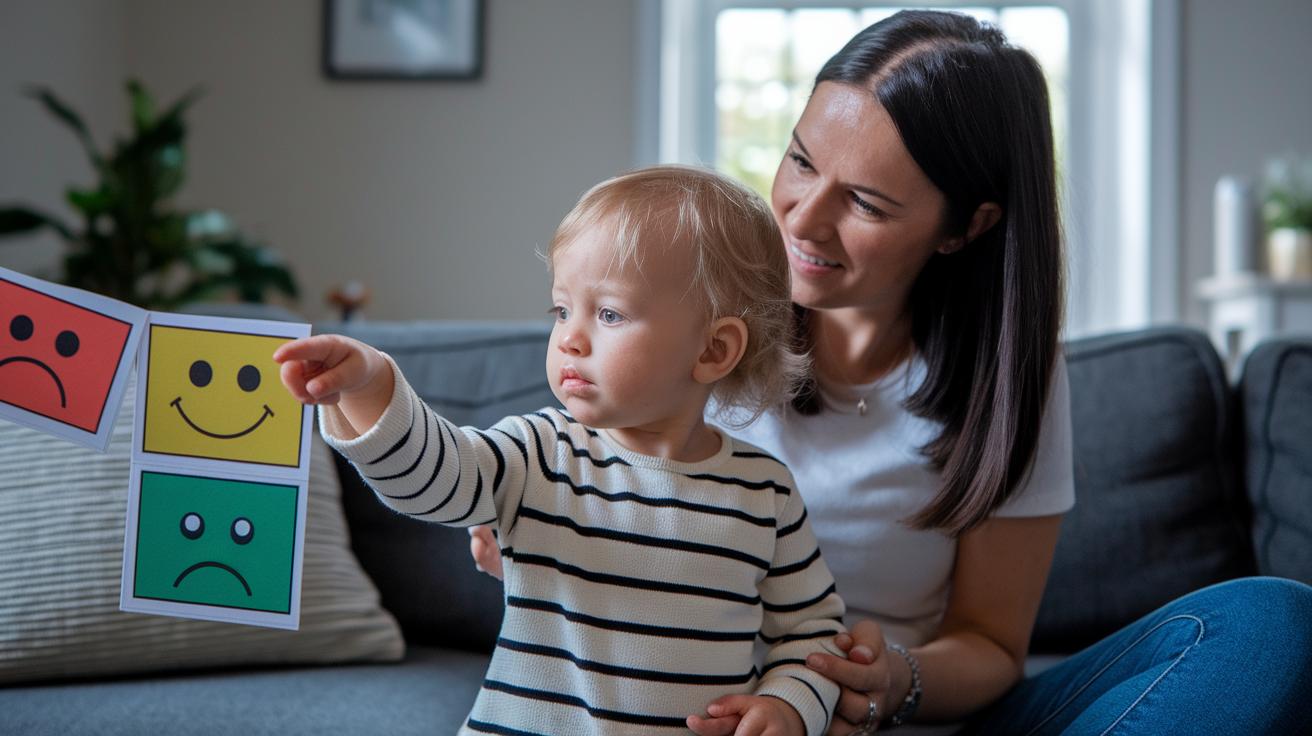
Around the age of two, little ones start using words to share how they feel. You might hear your toddler say "happy" when a playful puppy trots by or "sad" when a favorite toy isn’t around. This early step in language helps them open up about their emotions and connect with others.
Caregivers play a big part here, too. During story time, you can point to a picture and say, "This person looks angry," making it fun for your child to learn new words. Using simple picture cards or books turns everyday moments into gentle learning opportunities.
When frustration hits, toddlers can learn easy ways to calm themselves. They might take deep breaths or hold onto a special stuffed toy to feel better. Have you ever noticed how a small pause can lead to fewer tantrums and more smiles during playtime?
All these little moments help create a warm, safe space where toddlers learn to express their feelings and grow. It’s a simple and caring way to guide them as they explore the world around them.
Strategies to Foster Social Growth in Toddlers through Play
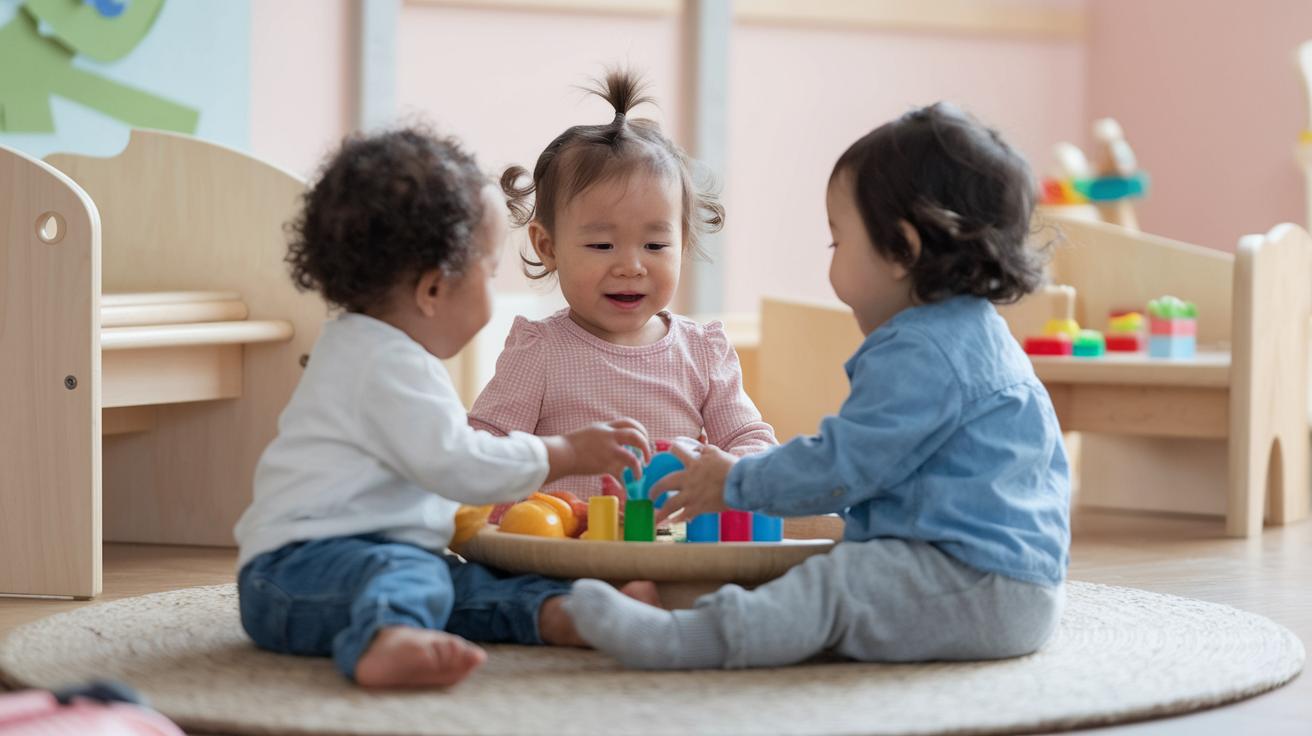
Consistent Toddler Groups and Peer Interactions
When toddlers join a regular group or preschool, they see the same smiling faces every time. This constant meeting helps them feel safe and builds early friendships. Imagine a small, cozy playdate where two or three friends gather each week, taking turns to pick a fun game, it makes sharing feel natural.
Repeated meetings can ease shyness and build deeper emotional bonds. In fact, research shows that familiar social settings make little ones more comfortable and help boost their social skills. Think of a home play session where each child shows off a favorite toy; those moments spark smiles and genuine connections.
Parents and caregivers can really support these interactions by arranging regular playtimes and gently guiding the kids when needed. It’s a simple step that warms hearts and strengthens bonds.
Positive Behavior Reinforcement and Conflict Resolution Techniques
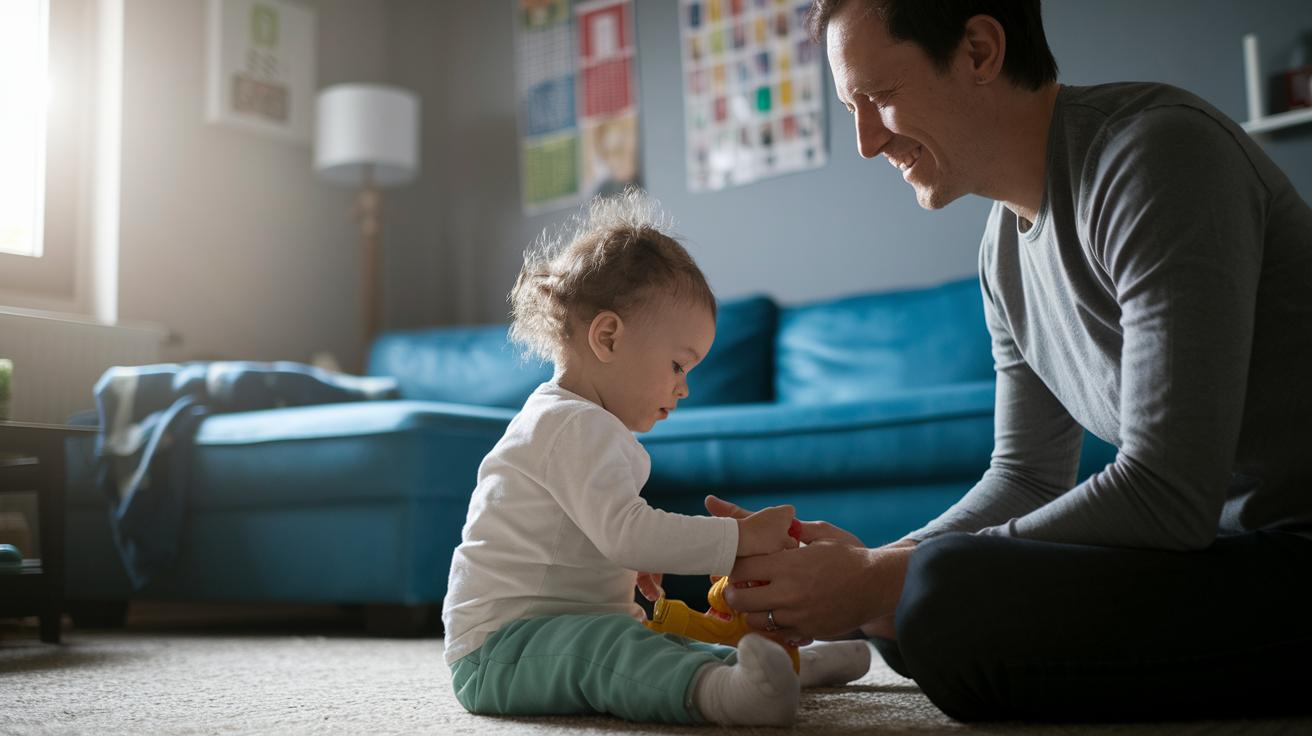
When your toddler shares a toy or waits their turn, a quick, warm "Great job taking turns!" really lights up the moment. It shows them that kind behavior matters. Watching you handle a disagreement calmly, saying something like, "I feel upset; let's use gentle hands", helps them learn to share their feelings the same way.
Another fun idea is using a simple sticker chart. Every time your little one shares or settles a conflict, they can add a sticker to their chart. It turns these moments into little celebrations, and they soon learn that cooperation brings real rewards. You might even encourage a mini pause, asking them to count to three, take a deep breath, then use words to explain their feelings. It’s a simple step that makes a big difference!
• Use Praise: Quick, clear words like "Great job sharing!" make a world of difference.
• Sticker Charts: Celebrate cooperative play with a fun, visual sticker chart.
• Sharing Tokens: Hand out small tokens to thank them for kind actions.
• Role-play: Act out everyday situations to show gentle ways to solve disagreements.
• Emotion Coaching: Help them name their feelings and find calm ways to express themselves.
These gentle methods remind toddlers that every kind act and little effort to solve a problem leads to more playful, friendly moments. Have you ever noticed how a small word of praise can brighten a day? Really, it's these simple steps that build a caring, warm little heart.
Role of Caregivers and Educators in Toddler Social Development
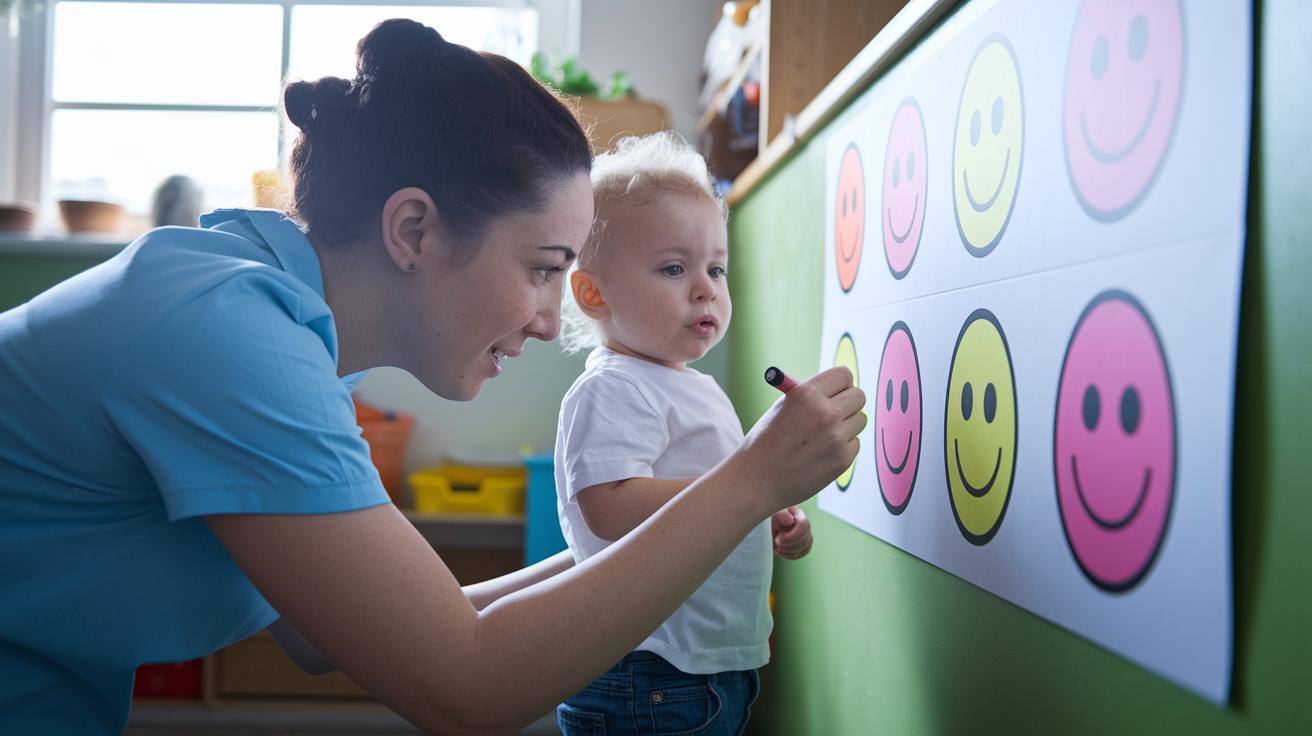
Caregivers often come up with simple, creative ideas to help children understand their feelings. Sometimes, a caregiver might bring out an emotion chart during quiet time and say, "Draw a happy or sad face today." This playful activity lets toddlers learn to spot and name their feelings in a fun way.
Teachers in early learning settings also add their own twist by setting up role-play games. For example, one teacher might create a pretend store where kids take turns waiting, sharing, and solving little disputes. It’s a hands-on way for them to practice sharing and gentle conflict resolution.
Mixing these creative ideas with proven methods, like naming emotions and group play, gives little ones more chances to grow their social skills.
Monitoring Progress and Addressing Delays in Social Development
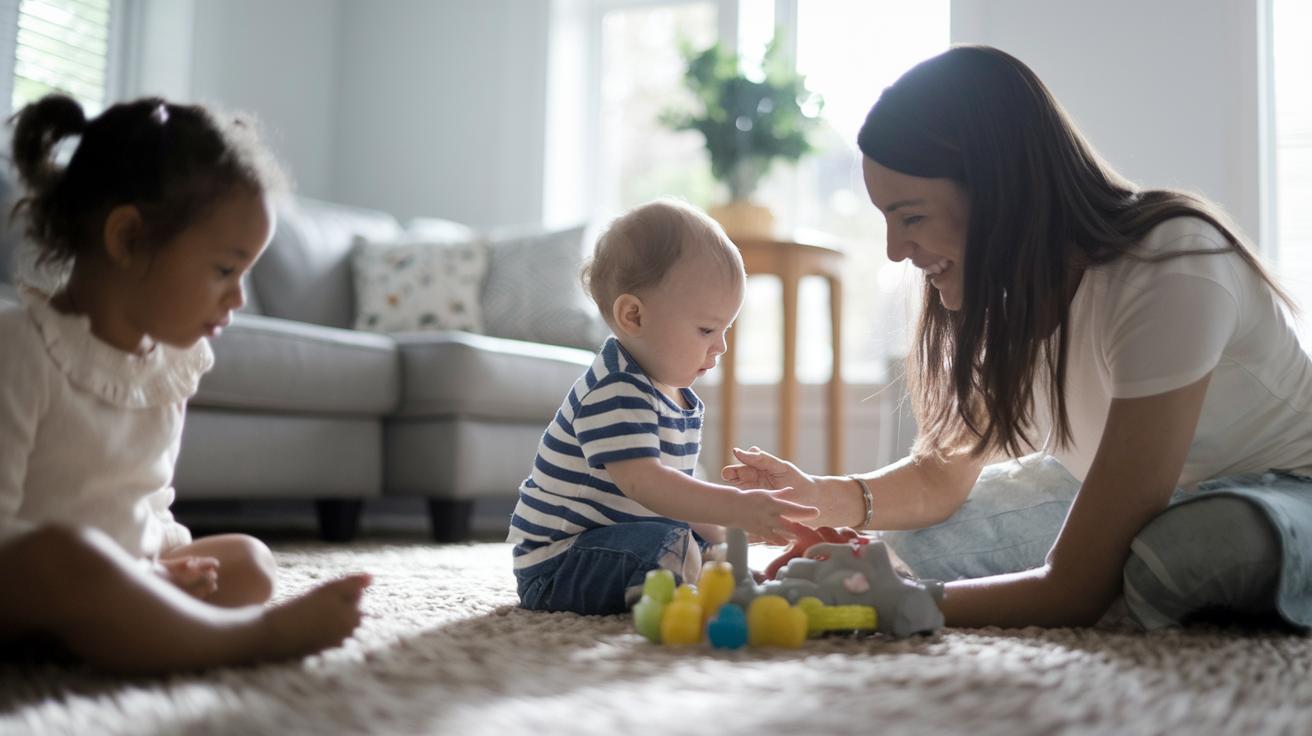
Watching your toddler reach new social milestones is a warm way to see how their emotional world is growing. A simple checklist can make tracking these little steps easier. For instance, by 18 months, your toddler might start copying what adults do. Around 24 months, they often play side-by-side with other kids, even if they’re not really chatting. And by 36 to 48 months, you'll notice more teamwork, sharing toys or doing small tasks together.
It’s important to pay attention to how your child interacts with others. If you see that after turning 3 your little one often shies away from other kids or rarely shares, it might be worth taking a closer look at how they’re handling social moments. Sometimes, a child may enjoy playing by themselves, but it can also be a sign that joining group fun is a bit tricky for them.
If you see that your child still shows little interest in socializing or doesn’t express much emotion by 36 months, consider gently reaching out for help. A doctor or early childhood expert can give you some simple ideas and check if a bit of extra support might be helpful. They might suggest fun, guided play sessions where your toddler can practice sharing, waiting for their turn, and playing kindly with others.
Using a checklist to keep an eye on these social milestones can help you catch small hints early on. This caring approach not only supports your child’s healthy growth but also reminds you that every little achievement matters.
Remember to review your checklist regularly and share any concerns with a trusted professional. It’s a comforting way to watch your toddler blossom into a confident little person who enjoys being with others.
Final Words
In the action, the post walks through social milestones like early imitation, parallel play, and growing friendships. We covered practical play strategies and easy ways to build emotional skills. Caregivers and educators play a part in modeling sharing and resolving conflicts with clear steps like praise, sticker charts, and role-play modeling. Each tip supports toddlerhood social development in a gentle and caring way. These approaches help create a nurturing space where every child can blossom with confidence and joy.
FAQ
What social developments occur during toddlerhood?
The social developments in toddlerhood include imitating others, engaging in parallel play, and starting to share and use words to express needs. These milestones set the stage for positive relationships later.
What social skills feature in a 2-year-old’s development?
A 2-year-old often begins parallel play and uses more than 50 words to communicate needs, showing early imitation and simple affection that form the start of effective social interaction.
Why is social development important for toddlers?
Social development is important for toddlers as it lays the groundwork for clear communication, builds confidence, and helps them feel comfortable in group settings and one-on-one interactions.
At what age do toddlers need to socialize?
Toddlers typically benefit from socializing around ages 2 to 3 in familiar settings like playdates or small groups, which helps ease separation anxiety and supports skill building.
What are examples of toddlerhood social development activities?
Examples include role-playing, storytelling, parallel play, and group games like pass the ball. These activities encourage interactive skills, expressive language, and simple sharing behaviors.
What stages mark toddlerhood social development?
Stages range from imitation (around 15–18 months) to parallel play by 24 months, to sharing and early cooperative play by 2½–3 years, with genuine friendships often emerging as toddlers reach age 3.
What positive behavior reinforcement methods can support toddler social growth?
Positive methods include praise, sticker charts, sharing tokens, role-play modeling, and emotion coaching to help toddlers learn turn-taking and self-regulation during social interactions.
How do toddlers build emotional regulation skills?
Toddlers build emotional regulation by learning to label basic emotions, using self-soothing techniques like deep breaths, and practicing with picture cards or comfort objects under gentle guidance.