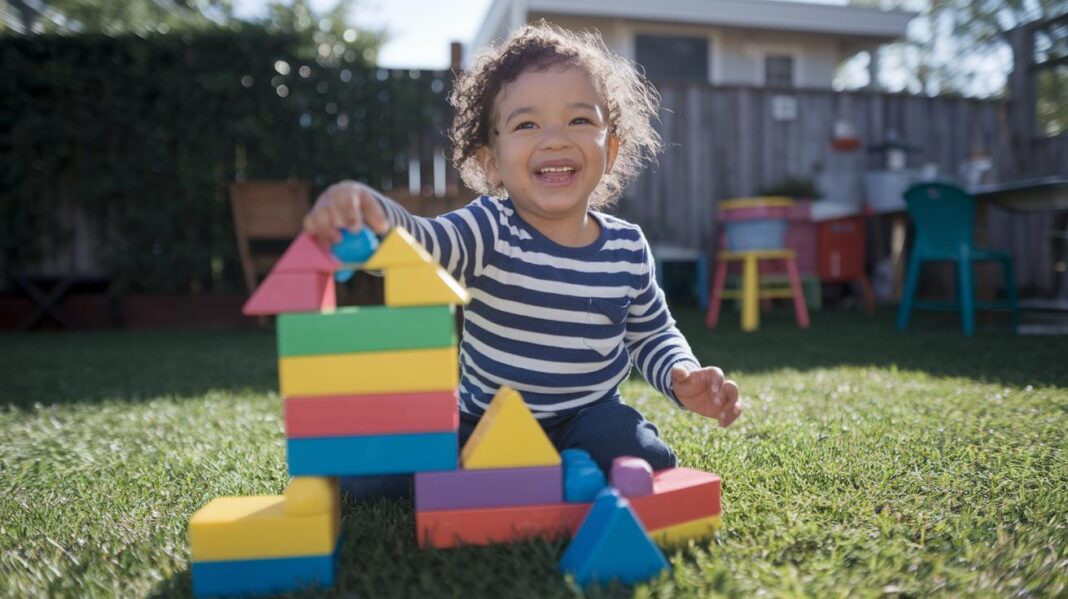
Have you ever noticed your three-year-old's playful moves? They might just be small steps on an amazing journey of growth. At this age, kids are full of energy and picking up new skills that can even surprise the most experienced parent. Their growing words, budding problem-solving, and active little bodies hint at more fun and learning ahead. Watching them put together simple puzzles and explore their own little world is pure magic. In this post, we look at these happy milestones, each one a sign that a bright future is unfolding right before our eyes.
Three Year Olds Development: Joyful Milestones
By the time children turn three, little ones show amazing growth that lights up their world. They run, climb, and explore with a burst of confidence. You may notice them following simple commands like “Pick up your toys and come here,” which shows they’re really starting to understand instructions. Their pretend play, where they create fun stories with favorite stuffed animals, is a wonderful sign of growing imagination.
Their language skills are blooming too! At this age, kids often put together sentences of three to five words while peppering their questions with lots of “why.” They begin using words like “I” and “me,” picking up new terms from everyday conversations that help build their vocabulary.
When it comes to thinking and problem-solving, three-year-olds are making great strides. They might enjoy piecing together simple puzzles with three or four pieces and often mimic actions they observe, showing off their budding cognitive skills. And isn’t it heartwarming when they give hugs or little acts of kindness all on their own?
They also begin learning to dress themselves, maybe they can put on their shoes even if tying laces is still a work in progress. Remember, every child grows at their own pace, so if it seems like a lot of these milestones are missing, it might be a good idea to chat with your pediatrician.
Physical Development Milestones in Three-Year-Olds
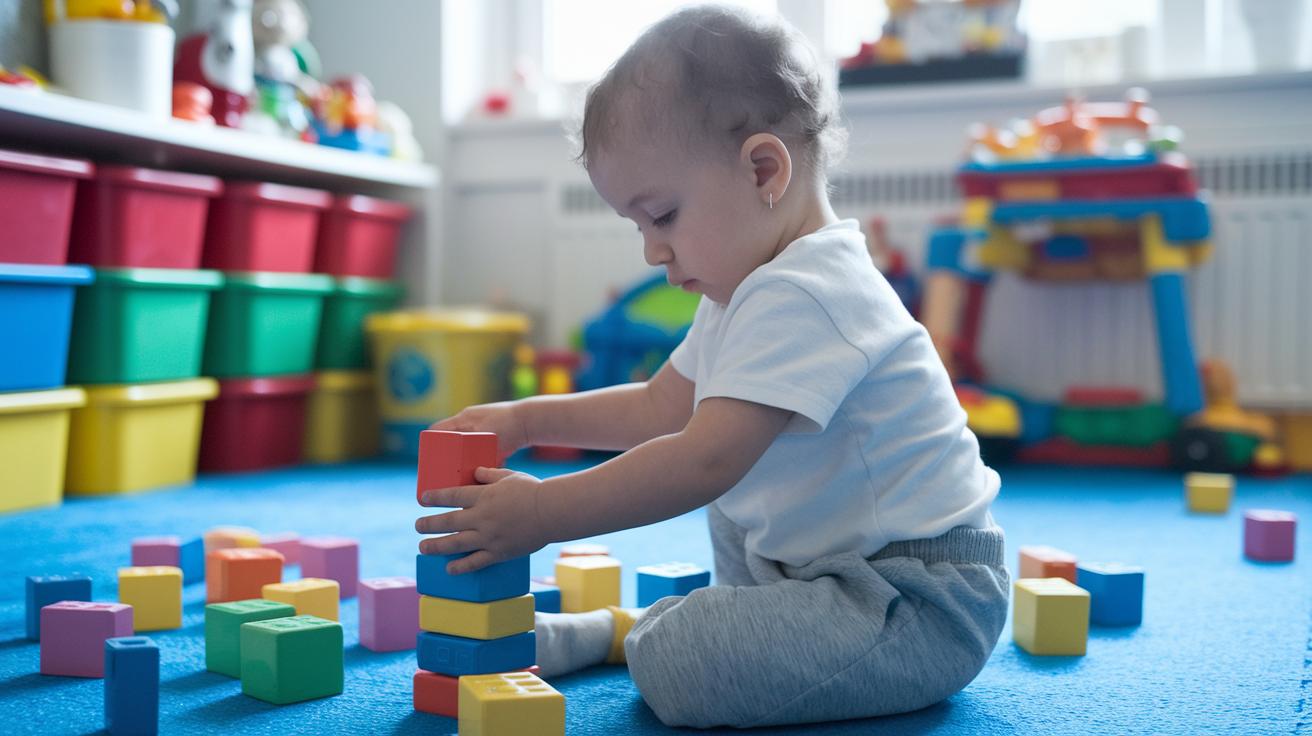
At 36 months, many three-year-olds begin to move in exciting new ways. They start climbing stairs by switching their feet, riding a tricycle with ease, and running with a growing sense of control. These big body movements make them stronger and help build the balance they'll need for more complex activities later on. It’s like setting the stage for future adventures!
When it comes to smaller movements, kids often start to stack around 8–10 blocks, turn the pages of a book one by one, and complete simple puzzles with 3–4 pieces. These activities sharpen their hand-eye coordination and help them prepare for skills like writing. And really, when they’re stacking blocks or solving puzzles, they’re not just playing, they’re also creating strong connections in their brain that will support learning down the road.
| Milestone | Typical Age | Description |
|---|---|---|
| Stair Climbing | 36 months | Switches feet without support |
| Tricycle Riding | 36 months | Pedals and steers on their own |
| Ball Skills | 30–36 months | Throws overhand and tries to catch |
| Block Stacking | 36 months | Stacks 8–10 blocks |
Language Acquisition Stages for Three-Year-Olds
By age three, kids start putting together short sentences of about 3 to 5 words to share their thoughts and feelings. They ask simple questions like "why?" and naturally use words like "I" and "me." They can also follow simple 2-3 step directions like "Pick up your toy and put it away," showing that they are beginning to listen well and chat with others.
Key language milestones include:
- Uses pronouns and plurals correctly
- Follows multi-step instructions
- Has a vocabulary of over 200 words
- Names familiar objects and colors
- Enjoys engaging in make-believe conversations
These milestones are clear signs of how children grow in their language skills and start to understand the world around them.
Cognitive Progress Benchmarks in Three-Year-Olds
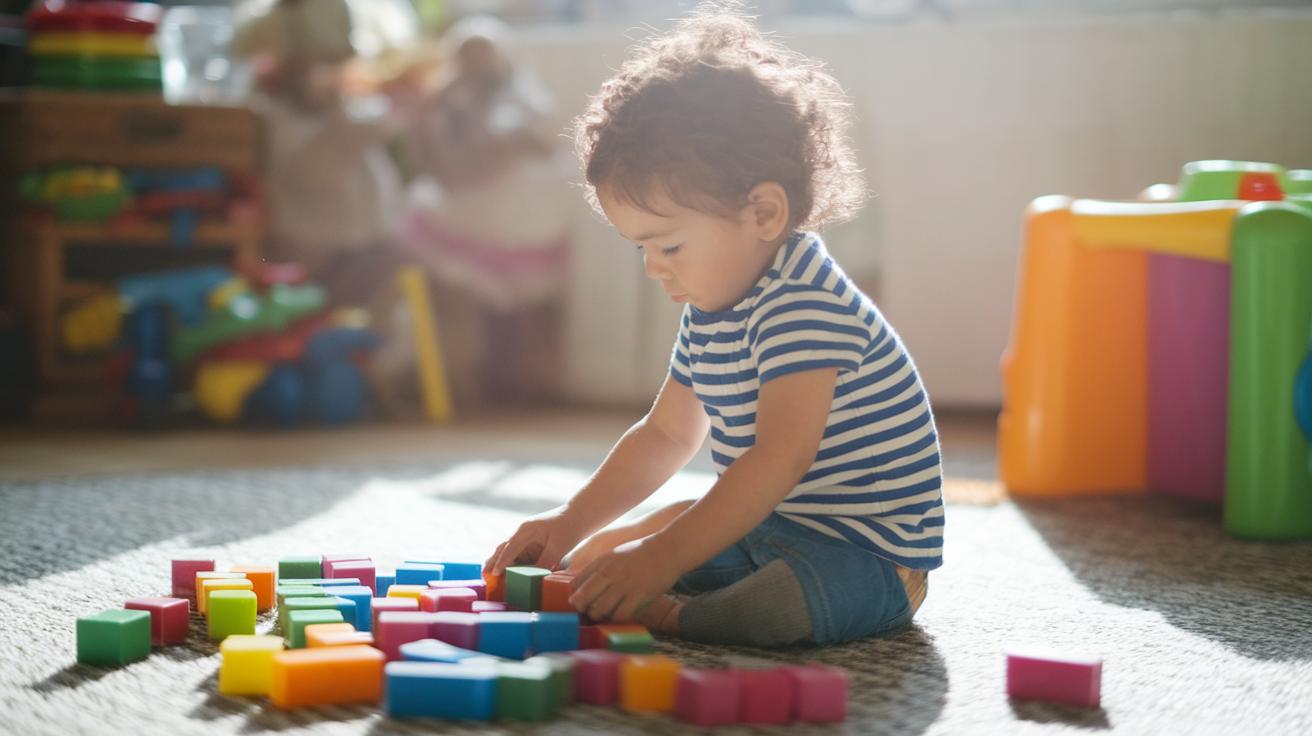
At three, little ones build on what they already know, adding fresh skills that show up in how they think and solve small puzzles. You might see your child sorting blocks by color or shape, like lining up all the red ones, which is a simple way to show early grouping skills.
Memory also grows during this time. When your child recalls details from a story, such as naming a favorite character, it’s a sweet sign that their ability to remember and connect ideas is getting stronger.
Kids also become little problem-solvers. When they pick up a stick to pull a toy closer, it shows their emerging resourcefulness in figuring out how to meet small challenges.
To learn more about early childhood brain growth, visit cognitive development in early childhood.
Social Competency and Emotional Regulation in Three-Year-Olds
Three-year-olds love showing affection in simple ways, like giving a warm hug or a soft pat on the back. They enjoy games that involve taking turns, such as rolling a ball back and forth. It’s so cute when they copy how you speak or act, you can see they're learning by watching you.
When little ones get upset, a quick, comforting cuddle really helps calm them down. They begin to use words like "happy" or "sad" to describe their feelings, even though they might still have a little tantrum sometimes.
Simple, clear guidance is key to helping them manage their emotions. Setting up small routines, like saying, "Let's take turns," during playtime can gently teach them patience. Plus, playing near other kids, what we call parallel play, allows them to practice friendly interactions without any pressure.
Every one of these moments, no matter how small, builds a strong foundation for their social skills and emotional growth. Isn't it amazing how these little steps help them become kind and confident?
Self-Care Skills and Fine Motor Coordination in Three-Year-Olds
By age 3, kids start taking on little self-care tasks that help them feel more independent. They begin figuring out how to dress themselves with just a bit of help, like working with buckles and zips on their jackets and shirts. They also start brushing their teeth while someone keeps an eye on them and use utensils to feed themselves, small steps that build up to managing daily routines.
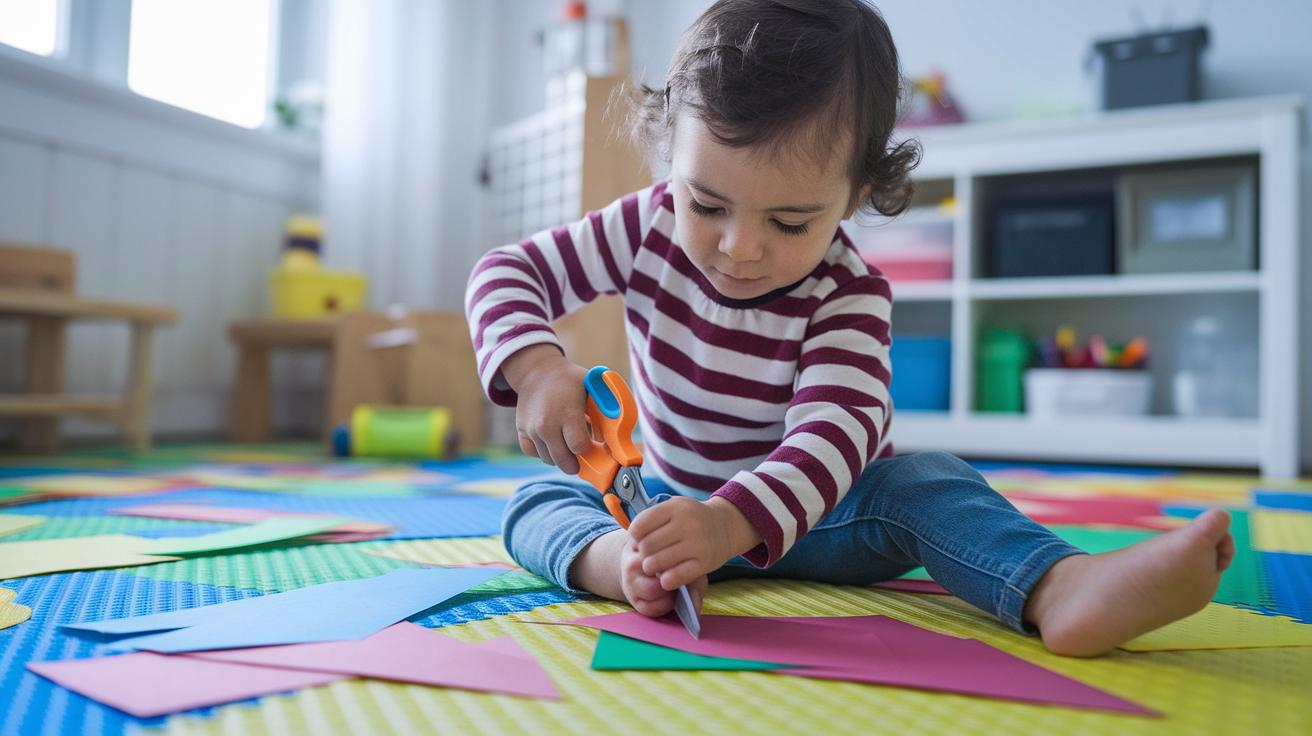
Their fine motor skills are growing too. Many little ones can now slowly turn the pages of a book one at a time or draw little circles with a crayon. Using child-safe scissors to cut paper is another exciting milestone. It not only builds their hand strength but also helps improve their eye-hand coordination.
Imagine this: you see your child snipping paper with safety scissors, focused with a little smile, as they add another self-help skill to their list. These everyday moments gently prepare them for the fun and challenges of preschool.
Recognizing Development Concerns in Three-Year-Olds Development
It can be hard to tell when our little ones might be growing a bit differently. Sometimes a child might not use short sentences or join in pretend play like making believe superhero games. If your child rarely pretends to be a superhero or a friendly animal, it might be a good idea to take a closer look.
Here are some signs you might notice:
- Trouble putting together short sentences
- Not doing much pretend play or imaginative activities
- Challenges with physical skills, like running or climbing like other kids
- Spending less time interacting with friends or adults
- Tantrums that seem very intense and hard to calm
Keeping a simple checklist can help you see patterns over time. If it turns out that about 1 in 4 of these milestones isn’t happening, it may be time to chat with a pediatrician or early intervention specialist. Think of it like checking your list before a road trip – little adjustments now can make a big difference in keeping your child’s journey safe and joyful.
Final Words
In the action, we walked through major milestones in physical play, language chat, cognitive puzzles, social moments, and self-care routines. We learned how each small step can shape big moments in three year olds development. Our focus on progress helps us see that three year olds development is a wonderful guide to growth. Every smile and step forward reminds us that three year olds development brings hope and joy. Embrace these moments with care and confidence, you’re doing great.
FAQ
What is a 3-year-old development checklist?
A 3-year-old development checklist outlines key skills in physical, language, cognitive, and social-emotional areas, like climbing stairs, forming short sentences, solving puzzles, and starting basic self-care.
What are typical 2-3-year-old development milestones?
Typical milestones for 2-3-year-olds include running, climbing stairs with support, forming short sentences, engaging in pretend play, and beginning to feed themselves.
What are some 4-year-old milestones?
Four-year-olds often show more advanced language skills, improved coordination, longer attention spans for games, and increased independence in self-care tasks compared to younger children.
How is 3-year-old emotional development characterized?
A three-year-old’s emotional development shows in their ability to express affection, experience occasional tantrums, and seek comfort when upset, all while beginning to use words to convey feelings.
What should a 3-year-old know academically?
Academically, a three-year-old typically recognizes basic concepts such as counting up to a few numbers, naming common objects and colors, and using short sentences to express ideas.
Where can I find a 3-year-old milestones checklist PDF?
You can find a 3-year-old milestones checklist PDF on trusted parenting websites or early childhood development resources that offer downloadable guides for tracking milestones.
What about development for a 3-year-old boy?
A 3-year-old boy reaches similar milestones as other children by exploring physical, language, and social skills, with individual differences in activity level and interests being perfectly normal.
What are the key points in a 3-year-old’s cognitive development?
A three-year-old’s cognitive skills include completing puzzles, sorting objects by color or shape, engaging in imaginative play, and beginning to understand simple counting concepts.
What is normal behavior for a 3-year-old?
Normal behavior for a three-year-old includes asking “why” questions, enjoying short bursts of energetic play, forming simple sentences, and sometimes displaying mood swings or tantrums.
What developmental skills should a 3-year-old know?
A three-year-old should be able to speak in short sentences, follow simple instructions, engage in pretend play, and perform basic self-care tasks, like dressing with little help.
What is a red flag in child development at age 3?
A red flag might be if a child rarely uses short sentences, avoids engaging in pretend play, shows limited social interaction, or struggles with basic coordination, suggesting a need to consult a pediatrician.
How high should a 3-year-old count?
Many three-year-olds can count up to three, demonstrating early numeracy skills. Some may count higher, as counting abilities can vary from one child to another.