Have you ever wondered how your body heals after having a baby? Right after delivery, your body starts to repair itself in a gentle, step-by-step way. Each little contraction helps the uterus mend tiny wounds, almost like a warm, comforting hug.
It’s a slow and natural healing process that works quietly within you. Embracing this natural rhythm can ease some of your discomfort and help you feel stronger day by day. Have you noticed how sometimes a small change can make a big difference? This post is all about giving you hope and care as you gradually feel more like yourself again.
Timeline of Uterine Involution in Uterus Body Postpartum Recovery
Right after childbirth, your body starts a natural process called uterine involution. This means your uterus slowly shrinks back to the size it was before pregnancy over about six weeks. As it contracts, it helps close off the blood vessels that connected to the placenta, which reduces bleeding. Imagine wrapping yourself in a cozy scarf, it's a gentle and reassuring hug as your body begins to heal.
In the first few days, many moms feel a bit of cramping as the uterus starts contracting. These contractions help manage the postpartum bleeding (often called lochia) and signal that the small wounds on the uterus are beginning to close. As healing continues, the body repairs those tiny tears, which lowers the risk of infection and gets you closer to feeling like yourself again.
Over the next few weeks, you might notice your tummy feeling firmer and more settled as the uterus shrinks. By about six weeks, it usually returns to its normal size. Still, you may see little changes, like slight veins around the area, for up to 12 weeks.
Each week brings subtle shifts in muscle tone and often less discomfort. Think of this timeline as your body’s way of giving itself a loving nudge back to strength, supporting both your physical recovery and overall well-being.
Immediate Postpartum Uterus Body Recovery (Days 1–7)

Right after you welcome your baby, your body needs a gentle pause to begin its natural healing. Think of this first week as a softer version of the RICER method (Rest, Ice, Compression, Elevation, Referral) that athletes use for injuries. Rest is key, you deserve a break to let your body mend. A cool pack can help ease cramps, just like ice soothes a little bump. A soft abdominal wrap can serve as a warm reminder to treat yourself with kindness. And by propping yourself up with a few pillows while you relax, you give your body the support it needs without putting strain on those healing tissues.
RICER Approach for Uterine Involution
Imagine this approach as a simple self-care kit just for you. It’s like carving out a little quiet moment after a busy day or using a cool compress when things feel sore. Each step is here to help reduce pain and ease swelling as you recover. And if you ever start to feel uneasy about any part of your healing, remember that reaching out for professional help is always an option.
Initiating Pelvic Floor Contractions
When you feel up to it, usually between 24 and 72 hours after your baby is born, try some gentle pelvic floor exercises. These soft contractions not only boost proper blood flow but also start strengthening your muscles without overdoing it. A small effort now can gently build up the strength you need as you continue to heal.
uterus body postpartum recovery: Embrace Natural Healing
Right after your baby arrives, give yourself a break from hard exercise for about six weeks while your body finds its new rhythm. Instead, try gentle movements that help you feel better and support your healing. Think of these early days as a chance to take small, caring steps that honor your body's need for time and gentle care.
Once you're home from the hospital, starting with a soft walk on flat ground can really help. Begin with a short stroll, just enough to get moving, and gradually increase your distance as you feel more confident. Imagine a peaceful walk in the park, where every step helps build your strength and feeds your recovery.
Adding some light, guided stretches can also be a wonderful way to ease into movement. Here are a few simple ideas to try:
- Cat-camel stretch to gently ease your back
- Seated rotations to relieve any tightness in your torso
- Neck stretches to help loosen any stiffness
- Lower-back knee rocks that softly massage your muscles
Throughout these six weeks, listen closely to what your body is telling you. If anything feels like too much, it’s perfectly okay to pause and rest. And when you hit around six weeks, consider checking in with a women’s health physiotherapist. They can look at things like any separation in your abdominal muscles and give you safe advice as you slowly bring back more active movements.
This gentle, step-by-step approach gives you a practical timeline to support your natural healing while keeping you comfortably active.
Pelvic Floor and Core Strengthening in Uterus Body Postpartum Recovery

Right after birth, between 24 and 72 hours later, try some gentle pelvic floor exercises. These soft squeezes help your muscles get back to normal and support your healing. If you feel okay, start by gently tightening your muscles without pushing too hard. These simple moves boost blood flow and keep your pelvis steady while your body heals from childbirth. As you get stronger, these exercises become an important part of your postpartum recovery.
Phased Pelvic Floor Exercises Schedule
A simple plan can help you move from easy to a bit more challenging exercises.
- Start with 5 gentle squeezes. Hold each squeeze for a few seconds and then relax. Do this set 3 times a day.
- As you feel more comfortable, slowly increase to 8 or 10 squeezes and try to do a few sets throughout the day.
- Think of this routine like a soft lullaby that gently helps rebuild your strength over time.
Addressing Diastasis Rectus Abdominis (DRAM)
During pregnancy, your belly muscles may stretch, and this can lead to a condition called DRAM, where the muscles separate. To help your core get stronger, start with very light exercises that don’t put too much pressure on the middle of your body. Simple moves like gentle crunches (modified for safety) or pelvic tilts work well. It’s a good idea to check with a women’s health physiotherapist around six weeks after your baby is born. They can see how your muscles are healing and give you a plan that fits your needs.
Taking time for these gentle routines not only aids a smooth recovery but also boosts your confidence as you care for yourself and your little one.
Managing Common Postpartum Uterus Body Symptoms
Right after your baby is born, your body starts telling you how it's healing. You might notice lochia (postpartum bleeding) as a normal part of recovery, even if you had a C-section. Keep an eye on your flow, and if it suddenly gets much heavier, it’s a good idea to call your care provider.
Your body also sends little reminders through uterine afterpains, those gentle cramps as your uterus shrinks back to its usual size. It’s like a soft, steady heartbeat, gently nudging you on your way to feeling like yourself again.
You might feel a bit of soreness around the perineum after delivery, or near your C-section scar if you had one. And a few days in, on about day three or four, your breasts could become full and sore as milk starts to come in. You might even get muscle aches, feel really tired, or notice some night sweats because your hormone levels are shifting, as if your body is slowly resetting its natural thermostat.
Here are a few things to keep in mind:
- Watch your lochia and let your care provider know if you see any big changes.
- Know that experiencing uterine afterpains means your uterus is doing its job of contracting back to normal.
- Be gentle with yourself if you feel soreness around your perineum or at your incisions.
- Understand that night sweats, fatigue, and even a few mood changes (sometimes called the baby blues) are just part of the process.
In truth, all these changes are simply your body’s way of taking you back to well-being. Remember, you’re doing great, and little steps like these help guide you on the road to feeling whole again.
uterus body postpartum recovery: Embrace Natural Healing

Taking care of your body after childbirth means enjoying a good, balanced diet and drinking lots of water. Fresh veggies, lean proteins, and whole grains help rebuild and nourish you. One mom shared, "I start my day with a bowl of berries and a glass of water, it really lights up my morning!"
Drinking water throughout the day not only quenches your thirst, it also supports your healing. Keeping an eye on what you eat can make a big difference, too. Simple meals and snacks full of vitamins might help even when your mood feels a bit up and down from those postpartum changes.
Rest is just as important as a tasty meal. Try gentle stretches, a warm cup of herbal tea, or even a short walk around the neighborhood. These little self-care moments remind you that you deserve some gentle care too. Listening to your body is the best guide.
And don’t forget to chat with family or friends. Their support can really ease your mind and make your journey to recovery feel a little softer during these early, precious weeks.
C-Section Uterus Body Postpartum Recovery Considerations
After a cesarean delivery, your body needs a little extra love as you begin to heal. You may stay in the hospital an extra day or two, which gives you time to settle in and learn how to move safely. In these early days, taking good care of your stitches is very important. Gently clean the area and keep it dry, much like you would take care of a little cut with your favorite bandage.
When you get home, try to avoid bending and lifting heavy things for the first one or two weeks. This simple step helps protect your incision and lets your body focus on healing. I remember a friend saying, "Taking it slow with gentle walking and light movements made all the difference in my recovery." If you need them, your doctor might give you some pain medication to help you feel better while you rest and spend time with your new baby.
Also, keep in mind that lochia, or postpartum bleeding, continues as your uterus slowly shrinks back to its regular size over about six weeks. Take your time and move gently during this period. Listening to your body’s signals is a gentle reminder to care for yourself as you recover from surgery and embrace this new chapter of your life.
Tracking Uterus Body Postpartum Recovery and When to Seek Help
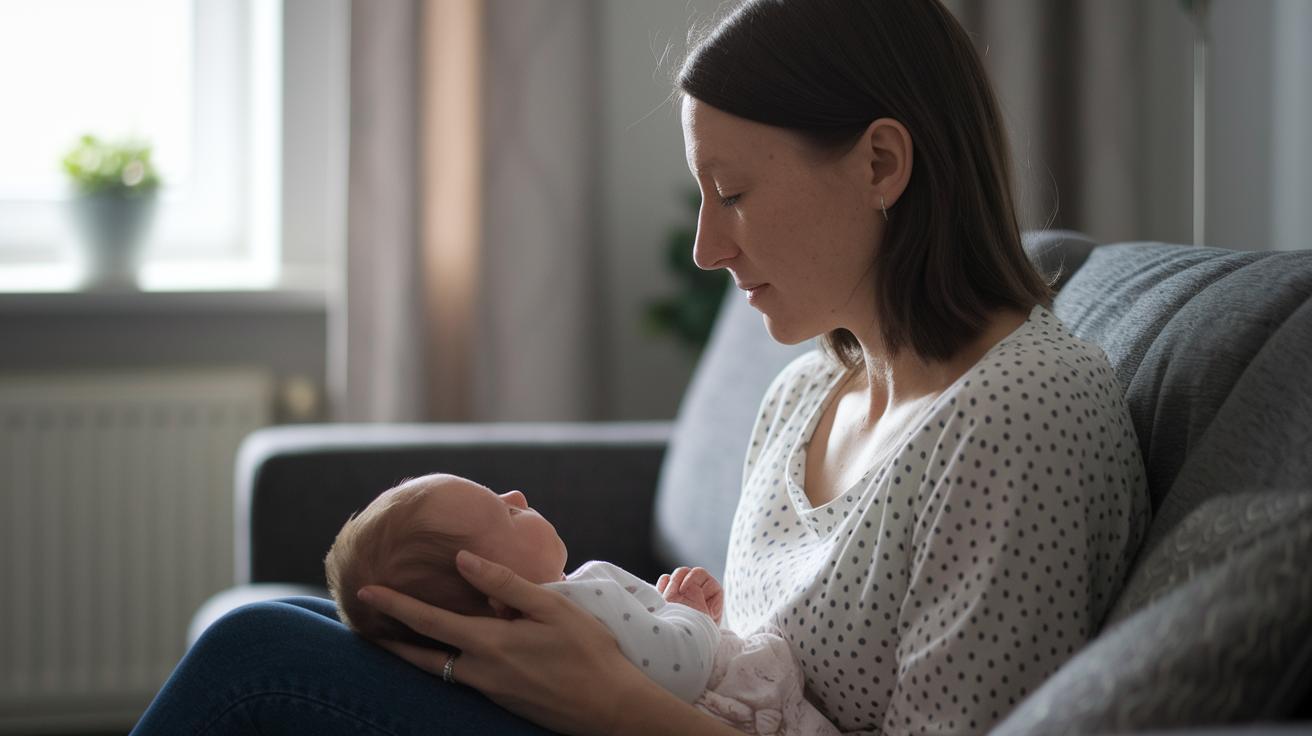
After your baby is born, your body gently lets you know how the healing is going. By about six weeks, your uterus is usually almost back to its size from before your pregnancy. Think of it like a little plant slowly regaining its shape after being trimmed, a steady and natural progress. It's also common for some varicose veins to stick around for up to 12 weeks.
Your six-week check-up can be a comforting milestone. During this visit, your care provider will look over how your uterus is healing, check your perineum or any incision, and see how your abdominal muscles are recovering. It's a good time to address any little worries and make sure everything feels on track.
Keep an eye out for warning signs that might mean it’s time to get more help. For example, please reach out if you notice:
- Heavy bleeding that starts suddenly
- A fever or a bad-smelling discharge that could point to an infection
- Severe pain that just won’t settle down even after resting
- Big mood swings or deep sadness that doesn't seem to pass
I remember one mom telling me how she contacted her doctor when her cramps didn't ease and her mood took a sudden downturn. Trusting your body and getting help early is a kind way to keep your recovery safe and steady.
Final Words
In the action, we explored how your body begins its healing after childbirth. We took a look at the week-by-week healing timeline, starting with immediate care using the RICER method and gentle pelvic floor exercises, then moving into safe, progressive movement through the first six weeks. Each step supports uterus body postpartum recovery and helps you feel more comfortable during this gentle transition.
Keep embracing small steps and celebrate every bit of progress!
FAQ
How long does it take for the uterus and organs to recover after birth?
The recovery process starts right away. The uterus usually returns to its pre-pregnancy size within about six weeks, while other organs and tissues may take several months to readjust fully to their normal state.
Does it really take up to two years to recover from pregnancy, and are there permanent body changes?
Recovery times vary. While many body changes improve in weeks or months, some features like stretch marks or a difference in muscle tone might stay and serve as reminders of your unique experience.
What are some postpartum recovery tips and things not to do after giving birth?
Postpartum care centers on gentle movements and self-kindness. It helps to rest, take short walks, and avoid heavy lifting or strenuous exercises until your body has healed comfortably.
What is postpartum depression?
Postpartum depression refers to feelings of deep sadness or anxiety that some new moms experience after birth. It is best to talk with a trusted healthcare provider if these feelings seem overwhelming.
How does the uterus shrink week by week during postpartum recovery?
Over the weeks following delivery, the uterus contracts gradually. By about six weeks, it has typically shrunk to its pre-pregnancy size, with most changes happening slowly to support healing.
What is the 5 5 5 rule postpartum?
The 5 5 5 rule postpartum offers a simple guideline on rest and gradual activity milestones. It suggests small, safe steps as you begin to move more, but always follow the advice given by your healthcare provider.