Have you ever noticed one baby bursting into giggles at a new sound while another lifts its head slowly with determination? Every little one grows in their own special way. A mix of genetics, daily play, and lots of love helps shape these early milestones. In this article, we'll chat about how these gentle factors guide each step of growth. It's a sweet reminder that every smile and tiny effort comes just when it should, making each moment truly special.
Core Factors Driving Variability in Infant Milestones
Every baby grows in their own time, and a mix of factors plays a role in how they reach their milestones. Sometimes, the genes a baby inherits can gently influence things like muscle strength and early brain growth. Their bodies and minds gradually get ready as their reflexes and nervous systems develop. And then there’s the love and care they receive at home; simple moments like tummy time or cuddly play can really boost their motor skills. In essence, it’s a blend of nature and nurturing that makes each baby's journey uniquely their own.
Range of Typical Timelines for Infant Milestones
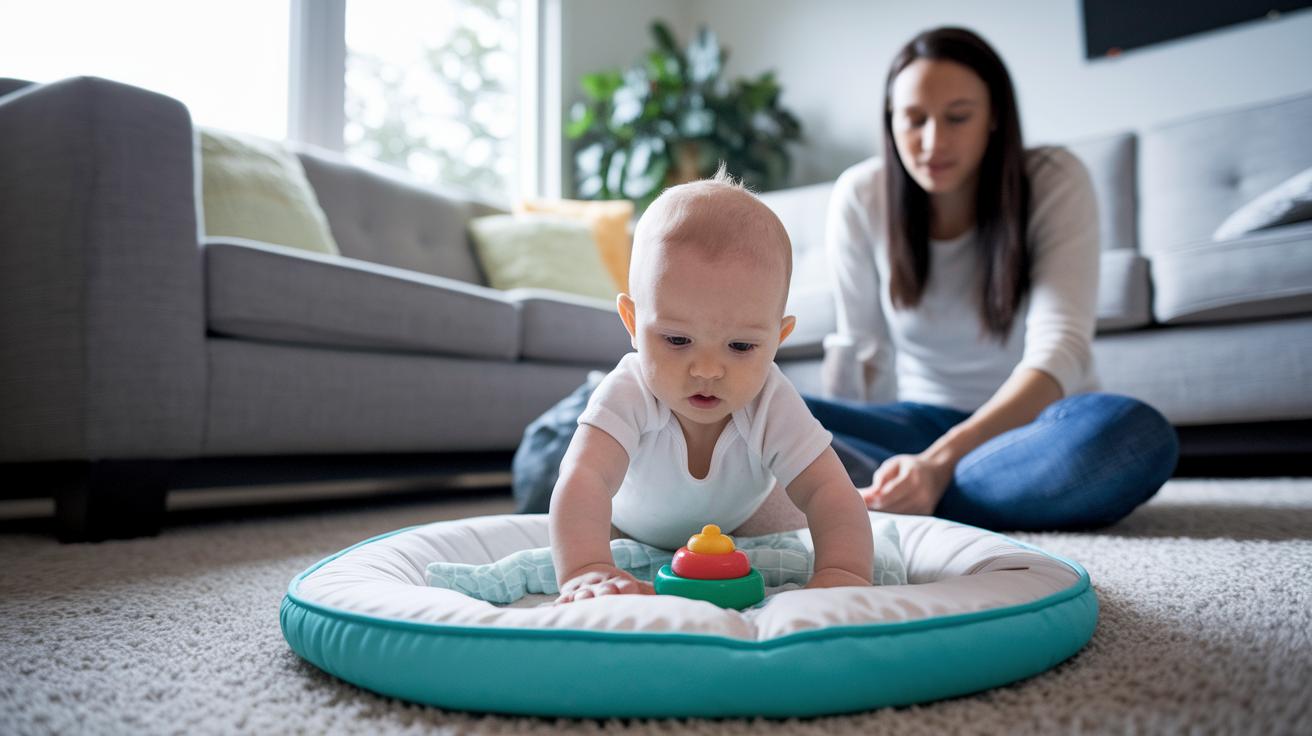
Every baby grows at their own pace, and hitting new milestones isn’t about following a strict schedule. Instead, these milestones happen within a range of time, overlapping windows where little ones learn new skills bit by bit.
| Milestone | 10th Percentile Age | 90th Percentile Age |
|---|---|---|
| Head Lifting | Within first week | 4 months |
| Forearm Push-up | 1.6 months | 3.8 months |
| Reaching Attempts | 1.6 months | 4 months |
| Hand-to-Hand Transfer | 4 months | 7 months |
| Raking Grasp | 5 months | 13 months |
Keep in mind, the spread between these ages can cover several months, which shows that every baby follows a unique timeline. Small differences in the ages when these skills show up are perfectly normal, they reflect unique growth and varied chances for practicing new abilities. Think of these ranges as gentle guidelines rather than strict deadlines. This way, caregivers can focus on offering a loving, supportive space while watching for steady progress.
Biological and Genetic Influences on Infant Milestone Timing
Research shows that a baby’s genes often shape how they build up muscle tone and smooth out their reflexes. Even studies with twins tell us that some little ones might gain head control or start crawling earlier because of the special mix of genes they inherit. It’s a gentle reminder that nature plays a part in how quickly these early skills develop.
As babies grow, their brains work in their own unique ways. For example, simple reflexes like rooting (turning toward a touch near the mouth) and the Moro reflex (a startle reaction) usually blend in somewhere between 4 and 6 months. This tells us that every baby’s nervous system matures at its own pace. Differences in how the nerves get their protective coating can change muscle tone and tweak when milestones are met. In truth, it’s perfectly normal for each child to have their own timeline, each one’s progress is a beautiful part of their unique journey.
Impact of Environment and Caregiving on Developmental Timelines
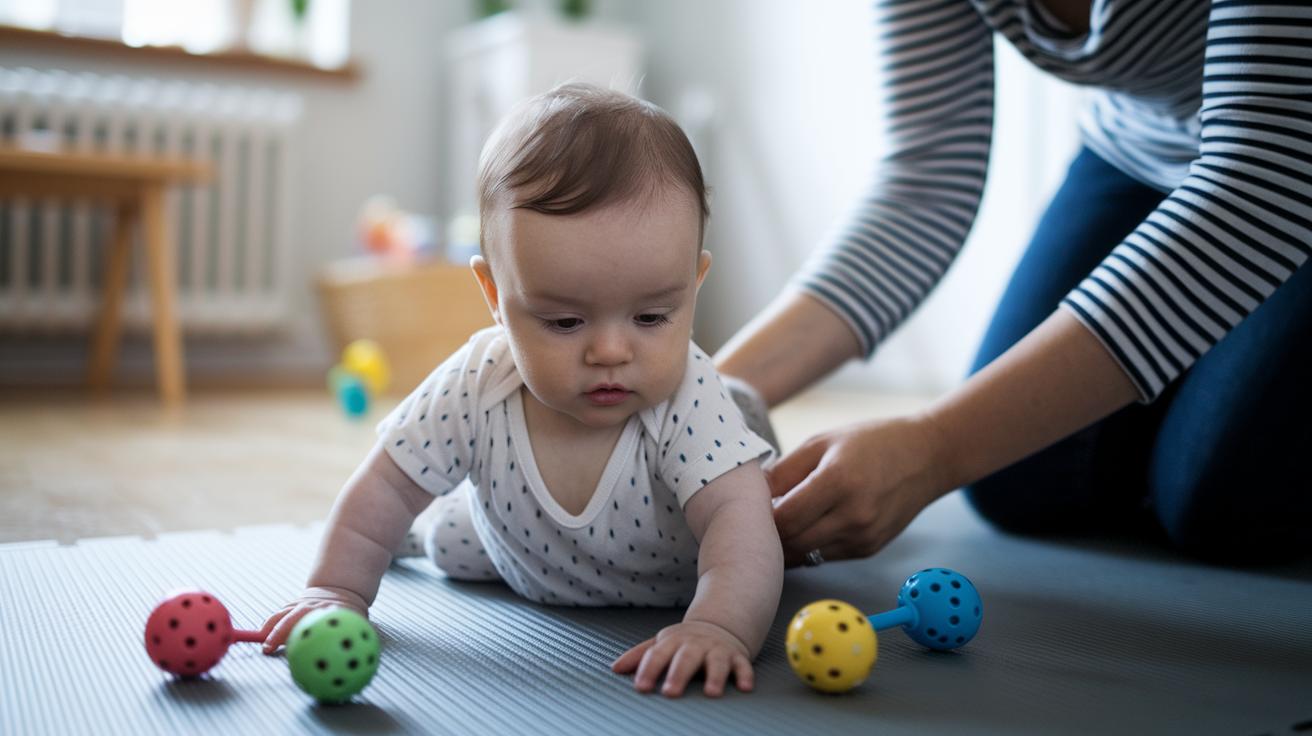
Every day is filled with small chances for babies to try new movements. A bit of tummy time helps them build the strength needed for rolling, pushing up, and eventually crawling. Playing with different toys – from soft rattles to textured ones – sparks their senses and fine motor skills. When babies explore various physical experiences, their bodies naturally learn and adapt. Simple moments with caregivers, like gently guiding a reach or offering a safe spot on the floor, create a warm space for motor skills to bloom.
Different family routines and traditions also shape the way babies learn. In some homes, little ones spend more time lying on their backs or sitting with a supportive adult. In others, they’re often held close or placed on the floor to explore freely. These varied practices reflect unique cultural habits. Soft conversations and direct, caring play not only enrich a baby’s sensory experience but also pave the way for steady growth.
Recognizing Normal Variation Versus Red Flags in Infant Progress
Every baby grows in its own way, and sometimes a little delay is just part of their unique rhythm. Most little ones learn skills in a different order, so missing one step doesn’t always mean something’s wrong.
It’s heartening to know that these differences are usually normal. Still, if your baby isn’t holding their head up by about 4 months or hasn’t started moving their hands to their mouth by 6 months, it might be time to have a friendly chat with your pediatrician.
Here are a few milestones to keep an eye on:
- No social smile by 2 months
- No rolling by 6 months
- No reaching for objects by 6 months
- No babbling or cooing by 9 months
- No sitting up on their own by 9 months
Remember, the order in which these skills appear can shift, and that’s a normal part of growing up. A quick visit with your pediatrician can help decide if these delays are just a normal variation or if you need a little extra help. Trust your parental instincts, it’s all part of supporting your baby as they find their way.
Tracking and Supporting Individual Developmental Rhythms in Infants
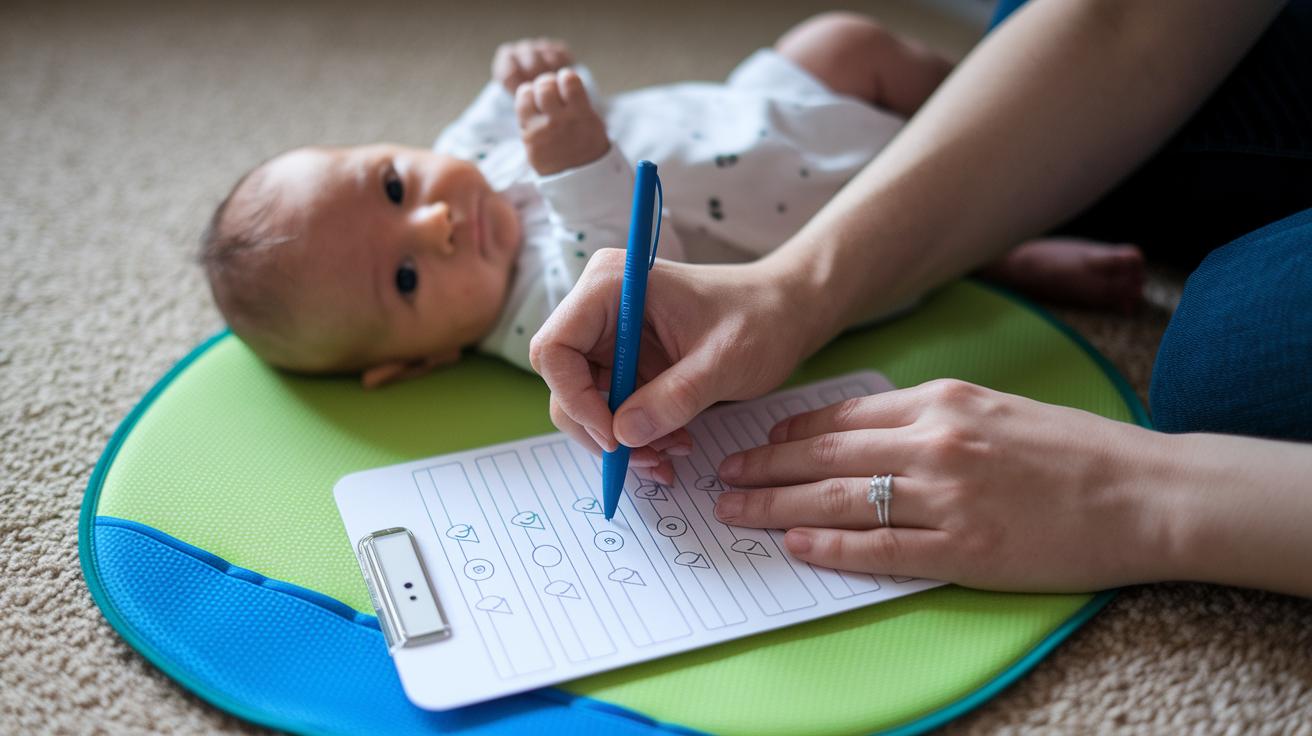
Parents can easily keep an eye on their baby's adventures using simple checklists or mobile apps to mark those "first" moments. It’s like keeping a little diary of first smiles, head lifts, and tiny hand movements that show how your baby is growing. Many moms and dads find it reassuring to see these dates and milestones laid out, especially when it helps during a chat with your doctor or nurse.
Everyday play is just as important as tracking milestones. Regular tummy time, age-appropriate toys, and lots of gentle, interactive moments really help boost motor skills, language, and social connections. Have you ever noticed how a little extra time spent encouraging a baby during those quiet moments sets the stage for bigger steps ahead? Combining simple record-keeping with nurturing, everyday fun makes it easy to honor your baby’s unique rhythm while keeping the growth journey warm and joyful.
Final Words
In the action, we explored key drivers of infant milestone variability, from genetics and biology to everyday caregiving practices that shape development. We broke down typical timelines and how small differences in practice and cultural norms can make a big impact on progress. Understanding variability in infant milestones helps you feel more confident in supporting your baby's growth. Every little step is unique, so keep celebrating each moment as your family grows, knowing that your approach is guided by warmth and proven insights.
FAQ
What are developmental milestones and why are they important?
The developmental milestones show typical progress in an infant’s motor, language, and social skills, helping caregivers track growth and spot if a child might benefit from extra support.
What are the types of milestones in child development?
The types of milestones include gross motor, fine motor, language, and social-emotional skills that guide parents in understanding how a child grows and interacts with the world.
Why is recognizing variability in developmental milestones essential?
Recognizing variability means understanding that each infant develops at their own pace based on genetic, biological, and environmental influences, and these differences usually fall within normal growth limits.
What are some developmental red flags in infancy?
Developmental red flags include no social smile by two months, no rolling by six months, no reaching for objects by six months, no babbling by nine months, or no independent sitting by nine months, which may call for pediatric advice.
What is variability in motor development?
Variability in motor development means that infants achieve motor skills like head control or reaching at different times, influenced by natural individual differences and everyday experiences.
Where can I find developmental milestone charts and presentations?
Developmental milestone charts and presentations, available in PDF and PPT formats, offer visual guides to average age ranges for various skills to help caregivers monitor a child’s progress.