
Have you ever wondered if the food you eat really supports both you and your baby? When your body needs a little extra fuel, even small changes in your meals can make a big difference.
Imagine starting your day with a bowl of creamy yogurt topped with fresh fruit, or savoring a slice of avocado toast that gives you that extra boost. These simple choices can help you feel energized and ready to care for your little one.
As your needs change, whether you’re thinking about pregnancy, already expecting, or enjoying the postpartum journey, tweaking your meals can be a gentle way to stay strong and healthy. Let’s chat about some easy calorie ideas and meal adjustments that can support both you and your baby along the way.
Calorie Benchmarks for Preconception, Pregnancy, and Postpartum Maternal Health
Starting before pregnancy, it’s good to think about fueling your body just right. Your calorie needs may change based on your body type and how active you are. For example, if you love a sunny afternoon walk, a balanced mix of regular meals plus a small snack can set you up nicely for any changes to come.
When you’re pregnant, your body’s energy needs naturally shift as it supports your growing baby. In early pregnancy, many moms continue with their normal eating habits while paying close attention to their bodies. Then, in the second trimester, experts say you might need around 300 extra calories each day. Imagine adding a bowl of yogurt with fruit, it’s a simple, tasty way to give both you and your baby that extra boost.
As you move into the third trimester, the need grows to roughly 450 extra calories daily. Think of a small, nutrient-packed snack, like a slice of whole-grain bread with avocado, that nourishes both you and your little one as you get ready for the big arrival.
After your baby arrives, the needs change again. If you’re breastfeeding, your body might call for about 500 extra calories each day to help with milk production. If you’re not, you might find your usual calorie intake works well again, with just a slight reduction to support gentle, healthy weight changes.
Each stage of this journey has its own special nutritional needs, and these benchmarks can serve as a gentle guide to help you care for your body from preconception to postpartum. Have you ever noticed how small adjustments can really make a difference in your day?
Macronutrient Distribution Strategies for Optimizing Maternal Calorie Intake
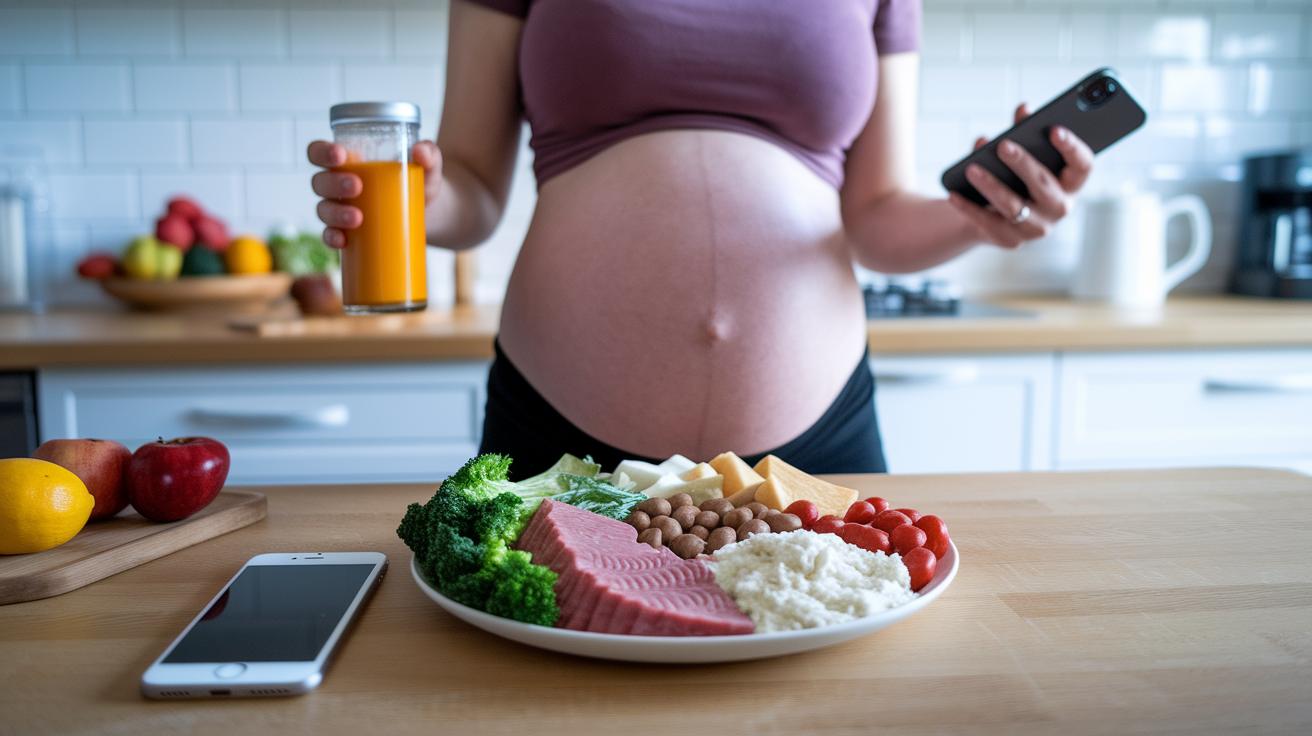
It can feel like a lot to juggle nutrition when you're expecting, but every calorie counts for both you and your little one. Think of your meals as a team effort, where protein, carbohydrates, and fats each have a special role in keeping you energized and helping your baby grow strong.
Protein is super important. Aim to get about 10 to 35 percent of your daily calories from protein. Lean meats, beans, and eggs help build your baby's tissues. Imagine a quick snack of sliced eggs with a few beans on a busy afternoon, it’s a simple pick-me-up that keeps you going.
Carbohydrates are like fuel for your day. Whole grains and vegetables, which are rich in fiber, can give you lasting energy. Picture a warm bowl of oatmeal mixed with fresh fruit on a cool morning. It’s not just tasty, it helps keep your energy steady when life gets hectic.
Healthy fats, especially omega-3 fatty acids, play a big part in your baby’s brain and eye development. Try to include foods like fish, avocados, or a small handful of nuts in your meals. A light salad with avocado slices, lean protein, and whole grains makes a balanced meal that feels just right.
For more details on food sources, check out Understanding macronutrients for maternal nutrition.
| Macronutrient | Recommended % of kcal | Key Food Sources |
|---|---|---|
| Protein | 10–35% | Lean meats, beans, eggs |
| Carbohydrate | Main energy source | Whole grains, fruits, vegetables |
| Fat | Includes healthy fats | Fish, avocados, nuts (omega-3 rich) |
Meal Planning and Timing to Support Maternal Calorie Optimization
When you plan your meals around your daily routine, it can really help boost your energy during pregnancy. Imagine starting your day with a nourishing bowl of oats and fruit, or having a little snack like yogurt or a handful of nuts handy when you're on the go. Try to set mealtimes when you feel active and when that pesky nausea is low, so your body can take in those vital nutrients.
Here are some easy tips to help you plan your day:
- Mix protein, whole grains, and healthy fats in your meals to keep your energy up.
- Prepare simple snack packs with seasonal fruits or veggies, perfect for when you need a quick bite.
- Plan your weekly meals with a focus on easy-to-make, home-cooked dishes made for pregnancy.
- Schedule your meals around gentle exercise to help with digestion.
- Check out more meal prep ideas in Meal prepping for busy expectant mothers to simplify your routine.
Taking small steps to organize your meals can make it much easier to manage portions and keep a comforting, steady routine that supports both your energy levels and overall well-being.
Managing Gestational Challenges and Calorie Intake Adjustments in Pregnancy

Pregnancy brings lots of changes, and sometimes you might not feel as hungry as usual, especially in those early weeks when nausea, vomiting, and fatigue are common. Hormone shifts can make big meals feel overwhelming, so try having smaller meals more often to keep your energy steady. Plain foods like toast or rice are gentle on your stomach while still giving you the calories you need.
It can really help to add in some high-protein mini-snacks, like a few cubes of mild cheese or a handful of nuts, to support your energy. And when nausea hits, have you ever tried sipping on a warm cup of ginger tea or nibbling on saltine crackers? They might just be the soothing little boost you need. Don’t forget to drink plenty of fluids too, electrolyte drinks can be especially refreshing and keep you feeling better throughout the day.
- Try eating small portions every few hours.
- Choose foods that are easy for your tummy to digest when you’re feeling off.
- Keep a water bottle nearby to remind you to drink fluids often.
Postpartum Calorie Adjustment and Weight Management for New Mothers
After giving birth, your body can feel a bit topsy-turvy with hunger and energy. One day you might feel really hungry, and the next, you could feel low on energy. That’s totally normal while your body finds its new balance.
Try making a meal plan that supports your recovery. Think about putting together meals that mix lean proteins, fresh veggies, whole grains, and healthy fats. Picture a breakfast bowl with scrambled eggs, spinach, and a sprinkle of avocado for creaminess. Eating small, regular meals can help keep your hunger and energy in check.
Recovery isn’t just about food. Gentle exercise, like a calm walk or a quick yoga session, can help boost your energy and keep your muscles strong. Always listen to your body, if you’re feeling tired or notice changes in digestion, give yourself permission to take a short break for self-care and simple stretches.
For a simple weekly routine, try this:
• A morning walk at a light to moderate pace.
• A brief session for planning your meals.
• A daily moment for mindfulness or a quiet pause.
| Time | Activity |
|---|---|
| Morning | A light walk and a balanced breakfast |
| Afternoon | Meal prep or a mindful break |
| Evening | Gentle yoga or simple stretches |
Monitoring and Personalizing Maternal Energy Intake Through Tools and Expert Support

Tracking your meals can be as simple as keeping a friendly diary. Imagine using a food journaling app to note down everything you eat, like a snack of apple slices with peanut butter that gives you a little boost. This mix of self-monitoring and setting small goals helps keep your eating habits in check.
Digital nutrition tools feel even better when you add in a touch of expert advice. You might log your meals in an app and then talk with a registered dietitian during your monthly check-in. This blend of technology and expert support makes it easier to adjust your daily intake as your body changes.
By keeping an eye on your food choices, you start to see patterns that let you make small changes each day. Whether it's shifting your snack time or introducing a new vegetable, these little tweaks can brighten your daily routine and boost both your well-being and your baby’s health.
Final Words
In action, we shared clear calorie benchmarks, meal planning tips, and macronutrient strategies to help mothers manage energy needs at every stage. We touched on practical ideas for balancing nutrients during preconception, pregnancy, and postpartum, offering simple adaptations when challenges arise. By following evidence-based advice and embracing small, steady changes, you're well on your way to optimizing calorie intake for maternal health. Every step you take promotes your well-being and nurtures your family, keep moving forward with grace and confidence.
FAQ
Q: What is the extra calorie requirement in lactation?
A: The extra calorie requirement in lactation means breastfeeding mothers generally need about 500 more kcal per day to support milk production and recovery, with individual needs varying by activity and overall health.
Q: What do nutritional requirements PDFs for pregnancy and lactation include?
A: The nutritional requirements PDFs explain calorie targets and key nutrient guidelines during pregnancy and lactation, giving clear, evidence-based advice to help mothers meet their evolving energy and nutrient needs.
Q: How do energy needs change during pregnancy?
A: The energy needs in pregnancy gradually increase—about 300 extra kcal per day in the second trimester and 450 in the third—to support fetal growth and maternal tissue development.
Q: How can nutritional intake be optimized during pregnancy?
A: The nutritional intake during pregnancy can be optimized by balancing proteins, carbohydrates, and healthy fats, planning small frequent meals to ease nausea, and including a variety of nutrient-rich foods for both mother and baby.