
Have you ever felt a bit worried when your baby doesn’t give you a quick smile or roll like before? Even small changes can catch your eye, and that gives you a chance to step in.
In this note, we share some clear steps you can take right away, like jotting down what you see or having a chat with your doctor. These simple actions help ease your mind and support your baby’s growth, so you can celebrate every little milestone along the way.
Immediate Steps When Infant Milestones Are Missed
When your baby misses a small step, it's a good idea to take action right away. Maybe your little one isn't smiling by 2 months or hasn't started to roll over by 6 months. Spotting these gaps early can help you and your doctor know if your baby needs a bit of extra help.
Every baby grows in their own way, but those early months are key for spotting any changes. It can be really useful to note down little things like how well your baby holds their head or follows movement with their eyes. You can compare what you see with a trusted chart of baby milestones to decide if it's time to get a bit of professional advice.
Try these steps as you watch your baby’s progress:
- Write down any missed steps along with the baby’s age.
- Check your notes against a trusted milestone chart.
- Watch your baby's everyday habits for small changes.
- Set up a visit with your doctor for a check-up.
- Keep a journal of their growth.
- Use an app with reminders to track milestones.
By keeping track of these details, you build a helpful record for discussions with your doctor. This simple habit makes it easier to get the right advice and support for your little one’s unique journey.
Recognizing Missed Infant Milestones
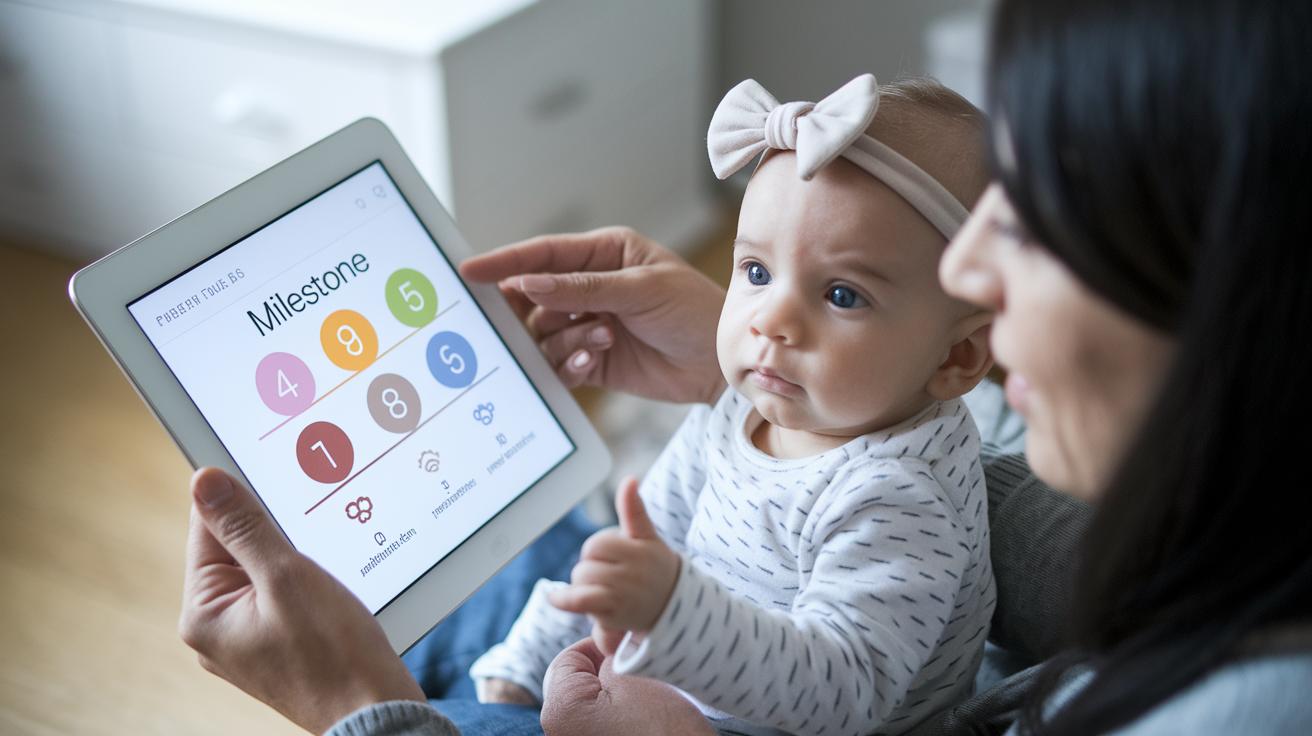
Sometimes, a baby might not show all the behaviors we expect at a certain age. For instance, if your little one isn’t smiling socially by 2 months or isn’t making babbling sounds by 12 months, especially if a few of these signs are missing, it could be worth keeping an eye on. Remember, every baby grows at their own pace, so missing one step on its own isn’t usually a big deal.
Watch for other signals, too. You might notice your baby’s head isn’t held steadily or that they make fewer sounds or smiles when you chat with them. These details, like a missing smile or less babbling, can be important clues showing that a child’s development might need a little extra support. It might help to compare your notes with an infant developmental milestones chart (like the one at womensconference.org).
Keeping a simple daily record of your baby’s movements, smiles, and sounds not only builds a clear picture of their progress but also makes it easier to spot any changes. This can be a great starting point when you chat with your pediatrician about your baby's growth.
Screening and Structured Evaluation for Missed Infant Milestones
When you notice that your baby might be missing some developmental milestones, using a clear, structured evaluation method is a smart first step. Regular screenings at well-child visits help give you a simple, easy-to-understand picture of how your little one is growing. Tools like the CDC Milestone Tracker and the Ages & Stages Questionnaire (ASQ) help pediatricians check what your child can do. For example, Elmwood Pediatrics uses these tools during complete well-child visits, including a careful look at your baby’s neurodevelopment. They check at important ages like 9, 18, and 30 months so that any small delays can be caught early, and you can get help quickly if needed.
| Screening Tool | Age Range | Purpose |
|---|---|---|
| CDC Milestone Tracker | 0–36 months | Parent-reported milestone check |
| Ages & Stages Questionnaire (ASQ) | 1–66 months | Detailed developmental screening |
| Developmental Surveillance | All well-child visits | Clinician observation & parent interview |
| Pediatric Physical Therapy Screen | 2–24 months | Gross motor assessment |
Looking at the screening results means reviewing these tool records along with everyday observations at home. If a screening tool points to a possible delay, it is a good reason to look more closely. Bringing well-gathered records to your doctor helps them spot patterns in your child’s growth and decide if extra tests or referrals are needed. This step-by-step plan makes it easier to talk about your child’s progress and plan what comes next. Over time, keeping clear records offers a reliable way to see if targeted help – like a pediatric physical therapy screen – might support your baby’s development. This careful tracking gives you and your healthcare team a clear path forward, so everyone feels confident about the steps ahead.
Consulting Healthcare Professionals for Missed Infant Milestones

Your pediatrician is like a caring guide who keeps an eye on your baby's growth. At well-child visits, they gently check to see if your little one is reaching everyday milestones, like smiling by 2 months or babbling by 12 months. If things seem a bit off, the doctor might suggest a closer look to see if early help could be useful. This way, any differences in development are noted and compared to what's usually expected.
If your pediatrician recommends extra support, it's a good idea to reach out to the right specialists right away. Specialists like physical, speech, or occupational therapists are there to work on areas where your baby might need a little extra help. You might even hear about pediatric clinics offering support for child mental health or certified lactation experts if you're navigating feeding challenges. Getting in touch early can make a big difference, helping you set up the best support and guidance for your family.
Early Intervention and Therapy for Missed Infant Milestones
Starting early can really help your little one if you feel they're missing some key milestones. Even as early as 6 months, programs can gently guide your child by building the skills they need for daily life. Working on these areas early gives your child a supportive boost, letting their unique personality shine as they catch up.
Physical Therapy
Physical therapy helps strengthen those big muscle skills through fun activities like tummy time, supported standing, and rolling over. Simple, playful actions, like gently rolling your baby during cuddle time or creating a safe area for sitting practice, can help build core muscles. These playful movements naturally support balance and lay the groundwork for crawling and walking. It’s all about taking small steps that feel just right for your baby.
Speech Therapy
Speech therapy gently encourages early talking and communication. Therapists use playful interactions that invite babbling and simple gestures. Think of clapping games, mirror play, or fun phrase repetition that can easily brighten your baby's day. These activities help your child begin to use their voice, supporting early language development while making everyday communication a joyful experience.
Occupational Therapy
Occupational therapy focuses on fine motor skills and how your baby senses the world around them. Guided activities, like playing with textured toys, stacking soft blocks, or enjoying simple finger play games, help improve hand-eye coordination. These exercises make it easier for your baby to explore and interact with their surroundings, building the small movements they need as they grow.
Each therapy works hand-in-hand with the others to gently fill any gaps in your baby’s skills. This nurturing support builds their strength in moving, communicating, and exploring, laying a warm foundation for future learning and growth.
Parent-Led Monitoring After Missed Infant Milestones

Start a simple daily habit of noticing your baby's tiny milestones. Write down a quick note or record a short voice memo when you catch a cute moment, like "Today during our cuddle, my baby smiled twice." This way, you see your baby's unique growth without worrying about comparisons.
Mix old-school journaling with digital tools to add more detail. You might use a paper notebook when you're out and about or a phone app that lets you add photos, voice memos, or videos. Here’s a little side-by-side to help you decide:
| Method | Features |
|---|---|
| Paper Notebook | Quick notes; easy on the go |
| Digital Tools | Voice memos, photos, videos; handy reminders; captures subtle behaviors visually |
When you go for well-child visits, bring your notes, photos, or memos. They help your healthcare provider spot even the small gains and decide if you need any extra support.
Support Resources for Missed Infant Milestones
When you notice your baby might be missing some key milestones, there are many caring resources available to help. Local medical centers and community programs offer guidance and support. For example, Elmwood Pediatrics is known for providing emergency care for kids, routine well-child visits, and help with breastfeeding through certified lactation experts. Many pediatric clinics also share easy-to-follow Tummy Time tips and run friendly mentorship programs that benefit both parents and their little ones. In many states, early intervention agencies even offer free check-ups to see if your child might need extra help from therapy centers or specialists.
Online and mobile tools can make keeping track of your baby’s growth a bit easier too. You can join parent support groups and explore useful reading materials that guide you as your child grows. There are handy apps that send you reminders and help document important moments. Established online groups also share reliable parenting advice. All of these resources work together so you can feel confident in making choices that best support your child’s development.
Final Words
Jumping right in, we explored immediate steps, detailed screenings, and professional consultations to address missed infant milestones. Our discussion covered practical actions like recording specific behaviors, tracking progress with charts and apps, and using structured assessments for clarity.
We also touched on therapy options and parent-led monitoring as essential ways to move forward. Remember, knowing what to do if infant milestones are missed can bring reassurance and steady progress. Every small step you take builds a brighter future.
FAQ
Infant milestones not working Sims 4
The question about infant milestones not working in Sims 4 refers to game mechanics rather than real baby development. In real life, milestones like smiling and babbling follow natural patterns unique to each child.
What are the key baby developmental milestones?
The question on key baby developmental milestones highlights steps such as social smiles and head control by 2 months, rolling by 6 months, and pulling to stand by 12 months, which help track your child’s progress.
What do online discussions say about missed milestones, and what steps should I take if my baby isn’t reaching them?
The question combining online insights and action steps indicates that missed milestones, as discussed online, can be normal variations; however, documenting progress, comparing with milestone charts, and consulting a pediatrician are recommended if delays seem clustered.
How can I help a child with developmental delay?
The question on helping a child with developmental delay points to practical steps like monitoring everyday routines, using early intervention programs, and seeking advice from healthcare professionals to support your child’s growth.
How do I find a nearby child evaluation?
The question about finding a nearby child evaluation suggests reaching out to local pediatricians or developmental clinics and checking community resources to schedule a complete developmental assessment for your child.
How does discussing developmental progress with families help?
The question regarding discussing developmental progress with families explains that sharing experiences and observations can offer practical tips, build a supportive network, and help spot subtle improvements during regular health visits.
What areas of my child’s development should I monitor closely?
The question on key areas of concern for your child emphasizes monitoring physical skills, social interactions, and communication milestones, as these are pivotal in understanding overall developmental progress.
When should I worry if my baby misses or skips a milestone?
The question on when to worry about missed or skipped milestones indicates that one missed step is often normal, but consistent or multiple delays mean it’s wise to document observations and consult a healthcare expert.
What are the red flags for developmental delay?
The question about red flags for developmental delay points to signs such as the absence of social smiles, lack of babbling by 12 months, or not meeting expected motor skills, suggesting a need for detailed observation and further professional review.