Have you ever wondered if your baby's little milestones aren’t coming as quickly as you thought? It's totally normal to feel a bit anxious when you're waiting for their first smile, roll, or step. Our Bright Beginnings guide offers a gentle timeline to help you see that every moment unfolds in its own time.
Think of it like this: your child might get there in their own unique way, and each little achievement is a reason to celebrate. As you explore the guide, you'll feel reassured and gain a warm, clear perspective on how your baby is growing and thriving.
Typical Infant Milestone Timeline by Age
Many moms and dads find it helpful to look at these common milestone ranges. They show you how your baby might grow in body, in social ways, and in thinking skills. It feels so special to see moments like a first smile or a first step. Just remember, these are only general guidelines and each little one grows at their own pace.
| Age Range | Key Milestones |
|---|---|
| 0–3 months | First social smile (around 6–8 weeks) |
| 4–6 months | Rolling over, sitting without support (about 6 months), and laughing (by 4 months) |
| 7–9 months | Crawling (between 6–10 months), babbling (6–9 months), and understanding object permanence (8–9 months) |
| 10–12 months | Pulling to stand (9–12 months) and saying first words (around 10–14 months) |
| 13–18 months | Starting to walk (around 12–15 months) |
Remember, every baby is unique. These milestones are just a gentle guide, and little differences in timing are completely normal as your baby grows and discovers the world.
Physical Milestones: When Infants Roll, Sit, and Walk
Watching your baby learn to move is such a heartwarming journey. Every little wiggle and stretch shows progress toward growing independence. It begins with holding up their head and slowly builds to rolling, sitting, crawling, and eventually walking. Even simple tummy time plays its part by strengthening those tiny muscles.
Gross Motor Milestones
Babies start to show head control around 2 to 3 months. Tummy time isn’t just play, it gently builds the muscles in their neck and shoulders. Around 4 to 6 months, you might notice them rolling over as they explore new ways to move. By 5 to 7 months, they begin to sit more steadily, giving them a fresh view of the world. Next, crawling usually emerges between 6 and 10 months, and soon they start pulling themselves to stand from around 9 to 12 months. Watching them take those first independent steps between 12 and 15 months is a true delight. Think of their early belly moves as tiny steps toward confident walking later on.
Fine Motor Milestones
Along with those big movements, there are small, careful actions happening too. In the early months, a baby’s grasp reflex is strong. But by 4 to 5 months, their reaching becomes more deliberate rather than just automatic grabbing. Then around 9 to 10 months, a pincer grasp appears, allowing them to pick up small objects with care, as if they’re a little artist carefully choosing just the right tool.
Language and Cognitive Milestones: When Babies Babble and Recognize Objects
Your baby’s little brain is growing and changing every single day. Around 2 months old, you might hear soft cooing sounds that show they’re starting to link feelings with sounds. By 3 months, they can follow moving objects with their eyes, almost like they’re excitedly exploring their new world.
Then, between 6 and 9 months, you may notice more joyful babbling as your baby experiments with different sounds and syllables. It’s a bit like watching the first scribbles on paper that will one day turn into words. Soon, these sounds build into a sort of early language, with your baby recognizing familiar voices and faces. By about 7 months, many little ones will perk up when they hear their name, which is a sweet sign that they’re learning how to connect with you.
Object permanence, knowing that things still exist even when they’re out of sight, starts to show up around 8 to 9 months. And just a little later, maybe between 10 and 14 months, you could hear the very first words that carry real meaning.
Taking time to chat with your baby daily, snuggle over storytime, and engage in little play sessions helps these language skills blossom, showing you just how wonderfully your baby is learning about the world.
Social-Emotional Milestones: When Infants Smile, Interact, and Express Emotions
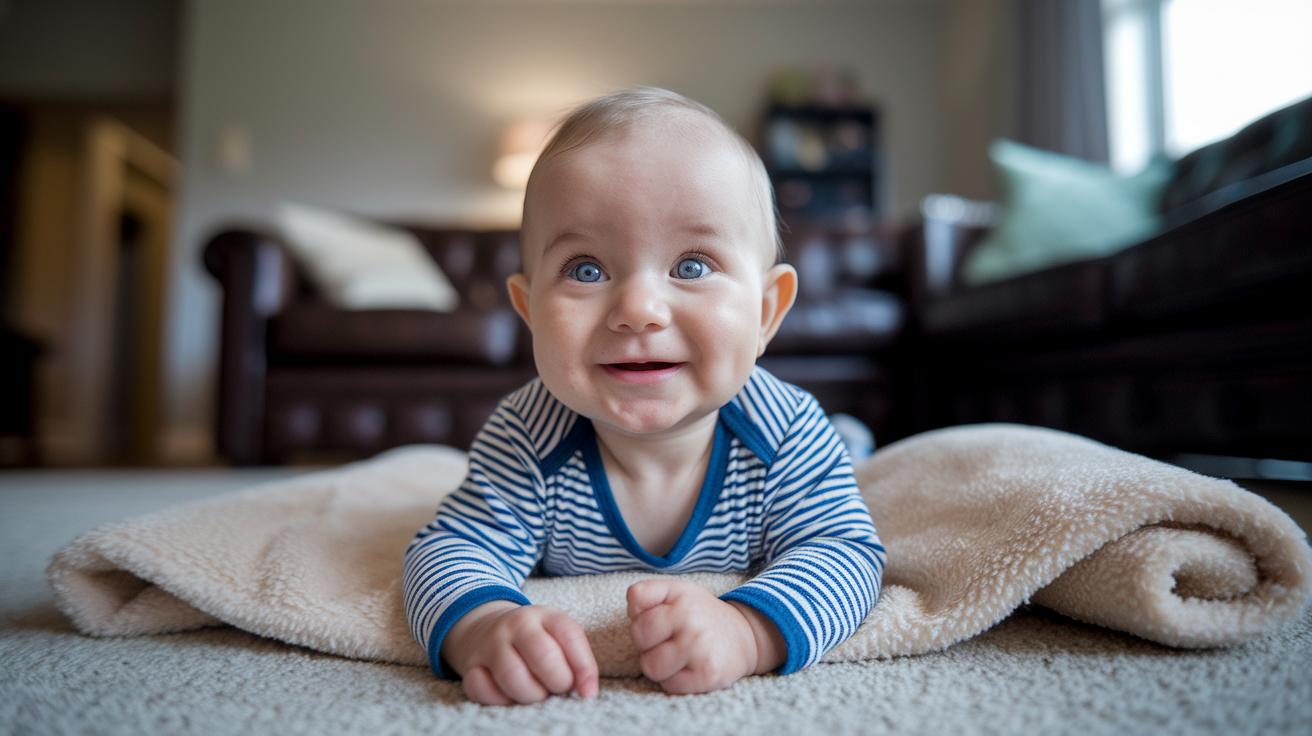
From the very start, babies show gentle hints that they are ready to connect. Even right after birth, their natural responses give us a peek into their growing awareness. By about 6 to 8 weeks, you might see that lovely social smile that brightens up your day, and as early as 4 months, a little laugh can make your heart melt. Imagine those moments when a tiny giggle fills the room, it's like your baby is sharing a secret smile just with you.
As your little one continues to grow, you’ll notice new signs of their social world unfolding. Around 3 months, you might start to see little personality traits peeking out, making you smile in recognition. By 9 to 12 months, your baby might look back and forth between you and a favorite toy, showing that sense of shared focus. Then, as they near 8 or 9 months, they might feel a bit uneasy with strangers, and between 10 and 14 months, separation becomes a little more challenging. In these moments, a soft, comforting touch or kind word can go a long way in building trust and security for your child.
Tracking Infant Milestones: When to Celebrate and When to Seek Help
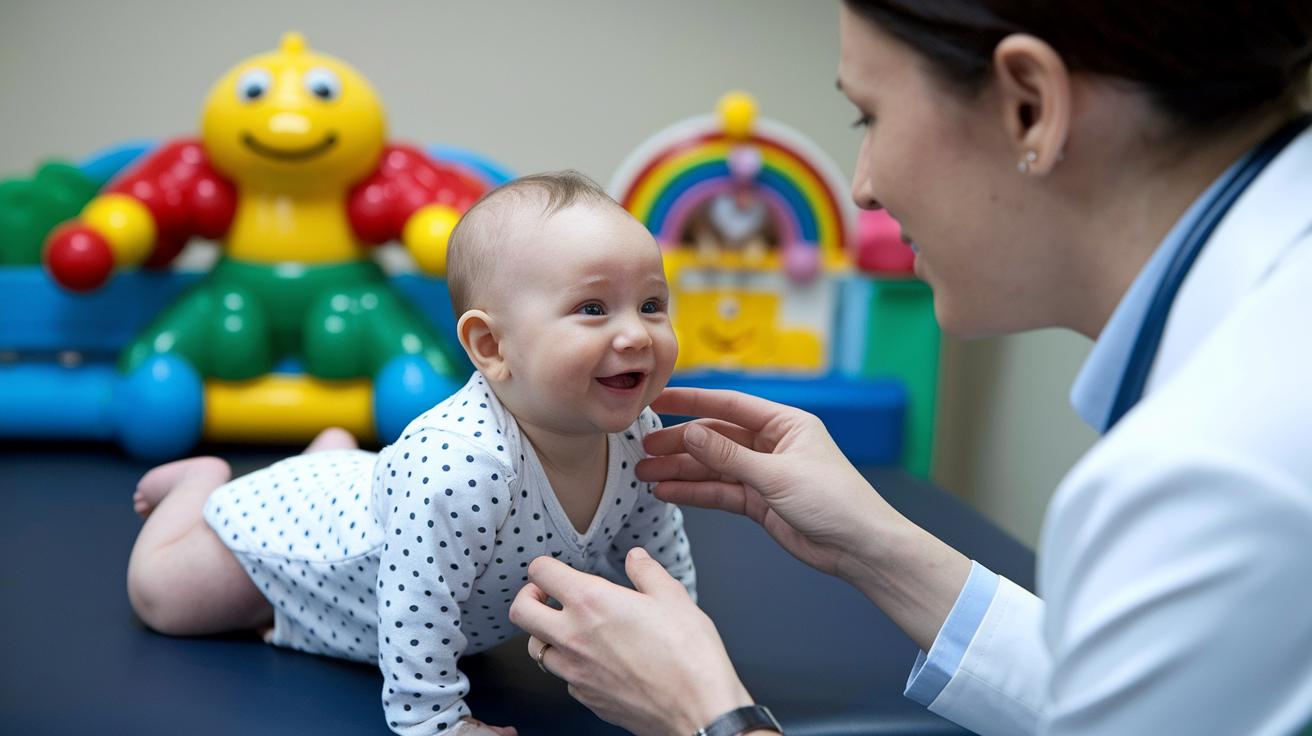
At your baby's regular visits, usually at 2, 4, 6, 9, 12, 15, and 18 months, the doctor will take a peek at your little one’s growth. These routine check-ups give you a chance to see how your baby is growing in body, heart, and mind. It’s a friendly way to celebrate tiny wins and keep an eye on their progress.
During these visits, the pediatrician might use simple tools like the ASQ to help mark each step. Think of it as checking off milestones on a small map of growth. It’s like watching behind the scenes as your baby learns something new every day.
If you notice that your baby isn’t meeting some of these little milestones, it might be a good idea to chat with your doctor. For example, if you haven’t seen that adorable social smile by 3 months, if head control is a struggle at 4 months, or if rolling over doesn’t happen by 6 months, don’t hesitate to bring it up. And if by 9 months they are still wobbly in a sit, or by 12 months the babbling hasn’t started, or if pointing hasn’t come by 18 months, these can be signs that a closer look is needed.
Remember, each baby is unique, and some variety is totally normal. Trust your gut, if something feels off, your pediatrician can help figure out the next steps to support your baby’s growth.
Final Words
In the action, this post maps out an age-based timeline for infant milestones, covering physical growth, emerging language skills, and blossoming social-emotional development. We talked about key moments like rolling over, babbling, and social smiles, showing when are infant milestones reached in everyday life. Each section offers a quick guide and gently reminds that all babies grow at their own pace. Keep celebrating those daily wins as your little one moves forward with each new milestone. Enjoy the journey and trust that your baby is thriving every step of the way!
FAQ
Frequently Asked Questions
When are infant milestones reached by age, month, or week and what does a baby milestones chart show?
The timeline for infant milestones typically starts with early smiles and head control during the first few months, then progressing to rolling, sitting, crawling, and first words by the end of the first year, based on common charts from sources like the CDC.
What does the baby milestone chart for 12–18 months include?
The baby milestone chart for 12–18 months usually highlights skills such as pulling to stand, beginning to walk, and using early words, marking continued physical and language growth during this period.
What is considered the hardest week in the newborn stage?
The hardest week in the newborn stage is often seen as the first week after birth, when both the baby and parents adjust to new feeding routines, sleep changes, and bonding, making it a challenging adjustment period.
What age do babies start blowing kisses?
Babies typically start blowing kisses around 9 to 12 months as they begin to mimic simple social gestures and facial expressions, showing early signs of social interaction with their loved ones.
What are the five developmental milestones in early infancy?
Five key developmental milestones include social smiling, developing head control, rolling over, early babbling, and beginning to crawl, together marking important steps in a baby’s early physical, social, and language development.