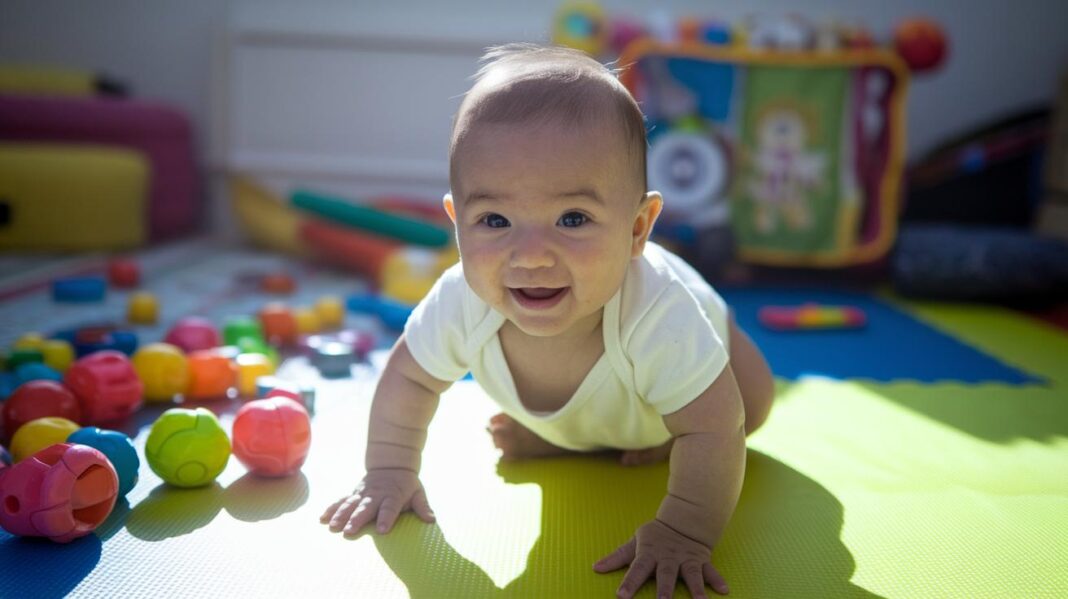
Have you ever thought about when your little one might start rolling over? It’s such a sweet sign that their muscles are getting stronger. Most babies start by turning from their tummy to their back between 4 and 7 months, and sometimes even as early as 2 months. When you watch your baby during tummy time as they nudge and lift their head, it feels like a gentle preview of their growing independence.
In this guide, we’ll talk about what you can expect from these fun movements and how each roll opens the door to many more wonderful milestones ahead.
Typical Infant Roll Over Timeline
Have you noticed that many babies start rolling over between 4 and 7 months? Often, the very first roll is from tummy to back because it takes less strength and coordination, which is really sweet. You might see this little movement as early as 2 months or a bit later, up to 7 months, it really depends on your little one!
Imagine watching your baby during tummy time. When you see them lifting their chest and gently turning onto their back, it's a heartwarming signal that their motor skills are blossoming. This milestone isn’t just adorable; it lays the foundation for important skills like sitting up, crawling, and eventually walking.
Soon enough, your baby might try rolling from back to tummy too. A few weeks after the initial roll, many little ones start exploring this new move. It’s all part of their unique journey, so if you notice even the tiniest head lifts or gentle turns, take a moment to smile and cherish these precious first steps in their adventure of discovery.
Progressive Rolling Over Stages for Infants
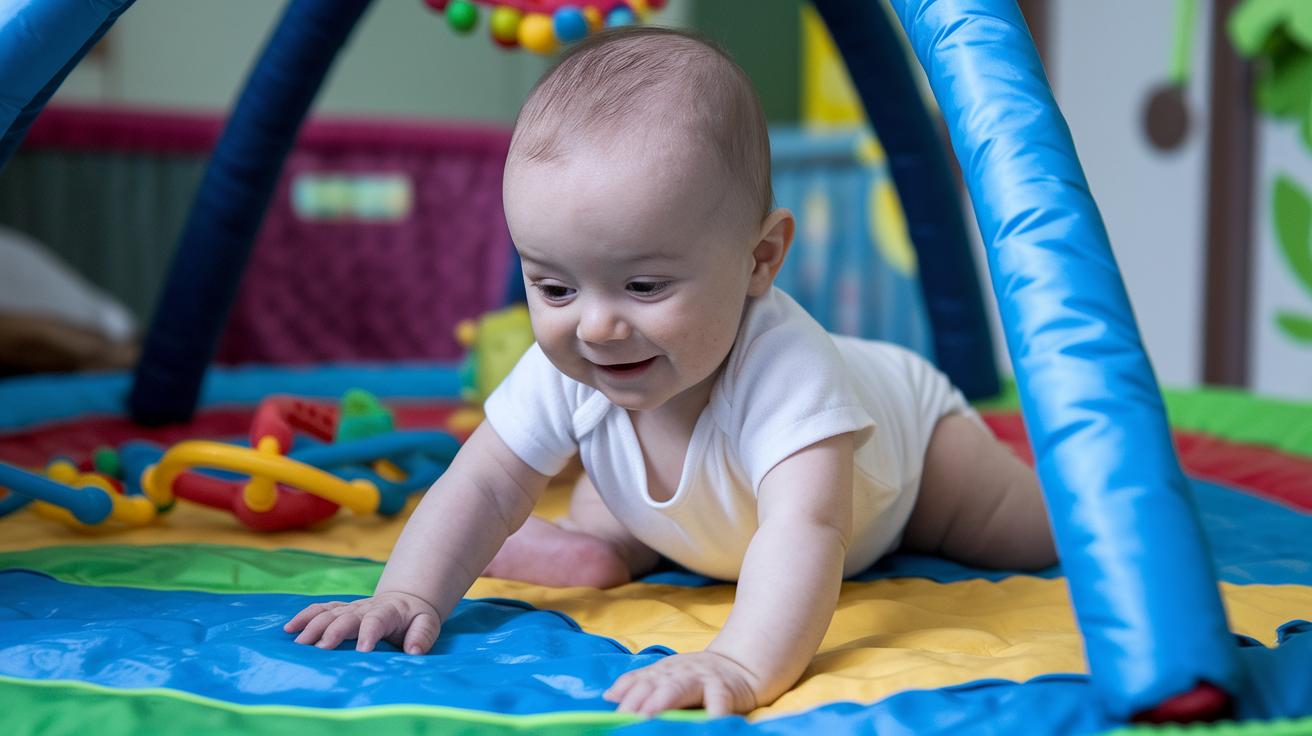
Rolling over is a big milestone in your baby's journey of movement. Around four months old, when their neck and chest muscles start to strengthen, most babies begin by rolling from tummy to back. Soon, they begin trying out different movements that build balance and coordination, helping them prepare for even more steps later.
Tummy-to-Back Roll
This first roll is all about gently shifting from tummy to back. You might notice your little one slightly lifting their head and chest during tummy time. Imagine them playfully kicking as they nudge themselves onto their back. It’s a simple move, but it sure shows they’re building strength.
Side-Roll Variations
Once rolling from tummy to back feels easier, many babies start experimenting with side rolls. This can mean rolling from the back to the side or from the side to the tummy. Think of your baby reaching towards a soft toy just slightly out of reach, gently rolling to keep it in sight. These sideways movements help them develop the muscles and balance they need for more active play.
Back-to-Belly Roll
A few weeks later, often around six months, many babies try rolling from back to belly. In this step, your baby tucks their chin and curls their legs in to move their weight forward, it takes a bit more coordination. It’s a little more complex, but it’s also a clear sign that they’re gaining independence in movement, setting the stage for milestones like sitting and crawling.
Factors and Techniques to Encourage Infant Rolling
When you notice your baby’s neck and back muscles getting stronger and see them balancing a bit better, it’s a sign they might be ready to try rolling over. Tummy time is a simple and fun way to build those important muscles. Imagine the joy of spotting your little one kicking or reaching out for a toy, it’s proof that their skills are growing with each gentle push.
Trying out fun activities can also help. For example, placing your baby on a soft play mat on their back lets them kick freely and build strength. You might find that setting a favorite toy just out of reach encourages them to turn their body sideways. And sometimes, gently helping them roll over works wonders too. These little play sessions not only boost their strength but also make learning to roll feel safe and delightful.
| Activity | Tip |
|---|---|
| Tummy Time | Try 3–5 sessions a day, about 5–10 minutes each |
| Kicking Play | Let your baby kick on a soft play mat to build leg strength |
| Side-Rolling | Place toys just out of reach to spark interest in turning |
| Assisted Rolls | Give gentle help to show the rolling motion |
| Floor Time | Ensure play happens on a firm, uncluttered surface |
Each small effort makes a big difference. Enjoy watching your baby learn new skills, it’s these little moments that add up to big achievements.
Safety Tips as Your Baby Learns to Roll Over
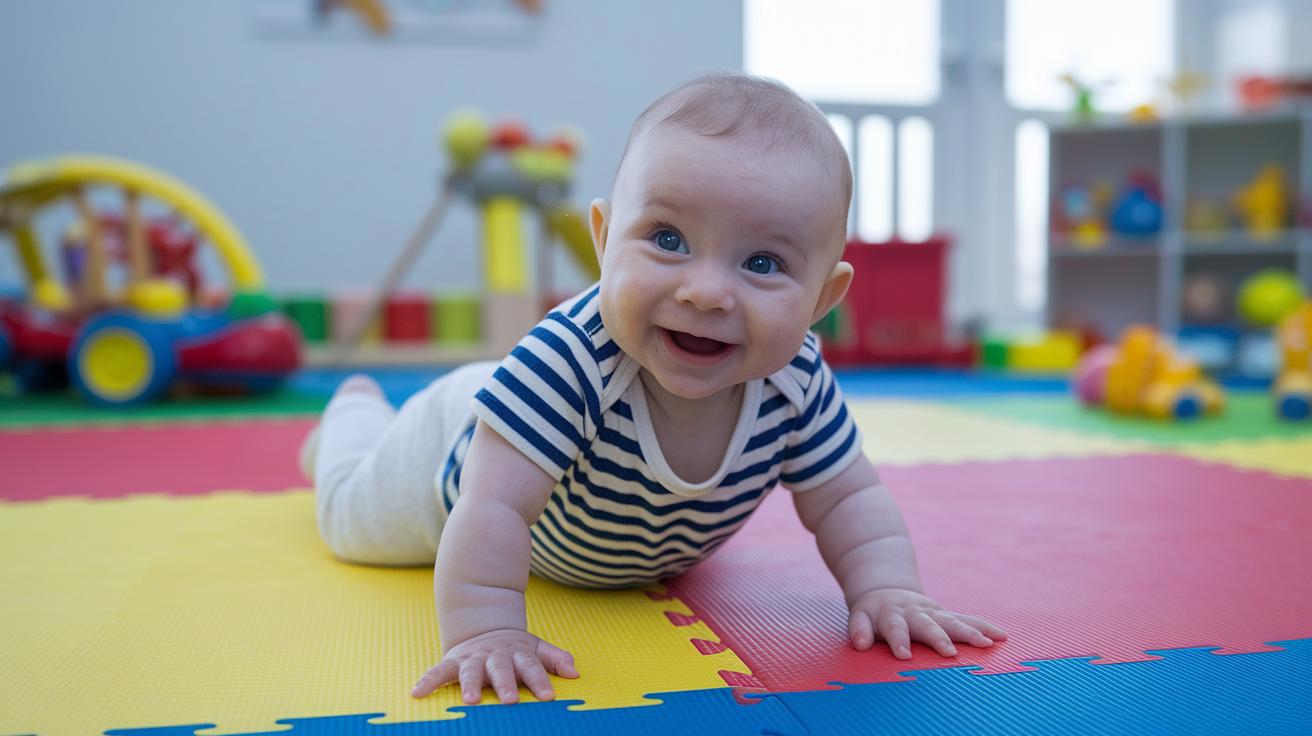
As your baby starts rolling over, safety really comes first. Keep a close eye on your little one, especially on high places like changing tables, because even a small roll could lead to a fall.
Make sure to clear the play area by removing small objects and anything with sharp edges. A simple tip is to use padded mats during playtime, they add an extra layer of softness and make the space safer.
And don’t forget about sleep safety. Keep your baby on their back when napping or sleeping until they are one year old.
Watching your baby as they explore rolling from their tummy to their back is exciting. Stay alert with every new movement so your baby can play and learn with confidence. Creating a safe space helps both of you feel secure as they grow and develop new skills.
Monitoring Rolling Delays: When to Seek Professional Help
If your little one hasn't started rolling over by about six or seven months, it's a good idea to check in with your pediatrician. Sometimes, delays can happen because of low muscle tone or other early differences in development. A quick look by your doctor can help spot if your baby might need a little extra support, like physical therapy, and it helps you keep track of those important muscle movements.
Maybe you've noticed that your baby seems slower to hit those rolling milestones compared to other infants. Perhaps tummy time feels a bit too quiet, or your baby doesn’t seem too interested in exploring rolling around. These little signs could mean your baby is a bit low on energy or finding it hard to coordinate those movements. Trust your gut, and if something feels off, a speedy checkup can really help ease your worries.
Final Words
In the action, we explored the typical times when babies start their first roll, covering tummy-to-back, side-rolls, and back-to-belly movements. We looked at age windows, muscle development, and playful techniques to help smooth out each step.
We also talked about keeping babies safe during their rolling milestones and when to consult a pediatrician if delays occur. Remember, when do infants roll over can vary, leaving plenty of room for growth and new smiles along the way.
FAQ
When do babies start sitting up?
Babies begin sitting up around 4 to 7 months. Rolling often comes first, showing early strength and balance before they master an upright position.
When do babies start rolling over from belly to back?
Rolling from belly to back typically starts near 4 months, with many babies consistently doing it by 5 months as they build key neck and core strength.
Baby rolling over at 2 months?
Although most babies roll over later, a few might show early skills as soon as 2 months. These early instances are uncommon, with consistent rolling usually developing around 4 to 7 months.
When do babies crawl, sit up, and crawl?
While rolling occurs early around 4 to 7 months, babies usually sit upright during that time and start crawling between 7 and 10 months as their mobility and strength increase.
Baby not rolling over at 6 months?
If a baby hasn’t rolled by 6 months, it might be time to consult a pediatrician. They can assess muscle tone and overall development to determine if any extra support is needed.
When do babies start walking?
Babies typically take their first steps by around 12 to 15 months, following earlier milestones like rolling, sitting, and crawling that build the necessary strength and coordination.
Baby rolling over at 1 month?
Observing rolling over at 1 month is extremely rare. Most infants begin to display such movements closer to 4 months, making very early rolling an unusual occurrence.
Can babies roll over at 2 months?
Yes, on rare occasions, some babies may roll over at 2 months. However, most develop steady rolling skills between 4 and 7 months as their muscles and coordination improve.
What is the earliest a baby has ever rolled over?
Some babies have been observed rolling as early as 1 to 2 months, though for most, rolling over reliably occurs between 4 and 7 months as part of normal development.
What is the 5 8 5 rule for babies?
The 5 8 5 rule isn’t a standard guideline for infant milestones. It’s best to follow advice from your pediatrician regarding your baby’s developmental progress.
Is rolling really a milestone?
Rolling over is a key milestone in an infant’s growth. It marks the development of important muscle strength and coordination, paving the way for later skills like crawling and walking.