
Have you been wondering if cutting carbs when you're pregnant is both safe and smart? This chat is here to show you how a low-carb plan can help keep your blood sugar steady, which gives support to both you and your baby. I’ve got some real tips for you, like easing into lower-carb meals and chatting with your doctor as you go through each trimester. By mixing lean proteins, good fats, and the nutrients you need, you can feel sure that every bite is nourishing. Ready to see how a low-carb approach might help you feel your best?
Safe Strategies for Low-Carb Diet in Maternal Nutrition
For many moms-to-be, a low-carb plan means cutting down carbs to about 20–50 grams a day or keeping them at less than 10% of a 2,000 calorie diet. This change can help keep blood sugar levels in check, which is important if there’s a risk of gestational diabetes. But remember, super low-carb ways like ketogenic diets aren’t recommended while you’re pregnant.
When you lower your carbs, your body might enter a mild ketosis (a natural state where your body uses fats for energy). Still, it's essential not to let ketones rise too high because that could affect both you and your baby. Fun fact: many moms share that swapping a sugary snack for a handful of nuts helps keep their energy steady during the day. Every little change should support both you and your baby’s needs.
Here are some simple steps to try:
- Monitor your blood sugar and ketone levels with easy, point-of-care tests.
- Team up with your doctor and a registered dietitian to guide you safely.
- Slowly adjust your carb intake as your body changes through each trimester.
If you’re ever feeling unsure about your plan, tracking your progress with your care team can help. Working together makes it easier to enjoy balanced meals that meet carb limits while still packing in enough protein, healthy fats, and all the essential nutrients for both you and your little one.
Essential Nutrient Balance in Low-Carb Maternal Diets
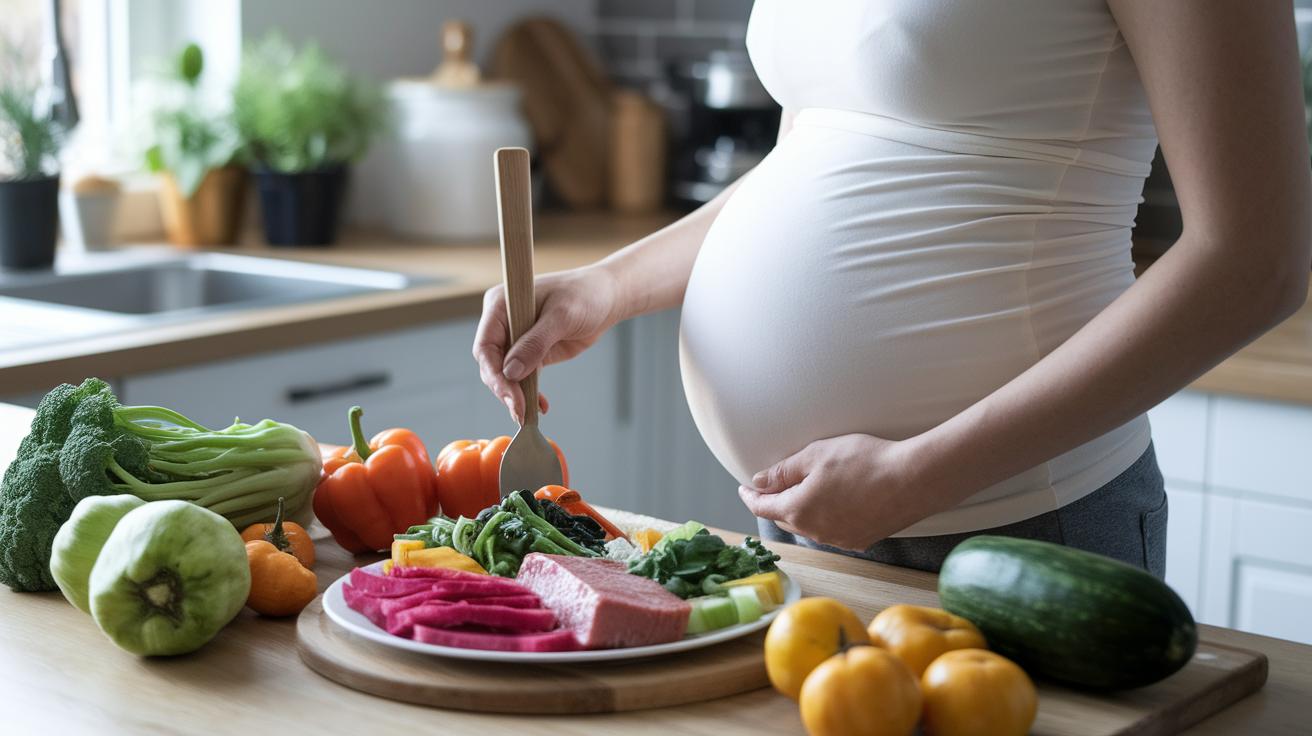
Planning a low-carb diet during pregnancy means you’re making caring choices for both you and your baby. When you cut back on carbs, which normally give you quick energy, protein and healthy fats take center stage. It’s all about keeping your body nourished with the right vitamins and minerals while enjoying a meal that feels balanced and satisfying.
Folate is a star player here, it helps prevent neural tube defects. Ever since enriched foods have been boosted with folic acid, these defects have dropped by nearly 65%. That’s why many moms choose a prenatal multivitamin with extra folic acid (the kind you find in prenatal care vitamins). And while protein supports growth and repairs tissues, don’t forget that iron, B-vitamins, and calcium are equally important for keeping both you and your baby healthy.
A simple way to build your meals is to start with lean proteins like chicken or fish, add plenty of colorful vegetables, and finish with a handful of nuts or seeds for those healthy fats. Think of it like putting together your favorite recipe: a good protein source, lots of nutrient-packed veggies, and a side of healthy fat make a perfect combo.
Keeping track of your key nutrients can really help. Here’s a little guide to point you in the right direction:
| Nutrient | Examples |
|---|---|
| Protein-rich Options | Lean meats, beans, tofu |
| Foods High in Folate and Iron | Leafy greens, legumes |
| Dairy or Fortified Alternatives | Milk, yogurt, fortified plant milk |
Regularly chatting with a nutrition expert can help fill any gaps and make sure you’re getting everything you need during this special time. Remember, every little nutrient counts, and you’re doing a beautiful job taking care of yourself and your growing baby.
Low-Carb Diet Benefits and Risks in Pregnancy
New research is helping us learn more about low-carb diets during pregnancy. It seems that controlling the number of carbs you eat can support steady blood sugar levels and help keep weight gain in check. But it’s super important to still get key nutrients like folate, iron, and B vitamins (the vitamins that support energy and growth).
Here are some recent findings that add extra details to what we know:
- Better blood sugar control for moms with gestational diabetes
- Healthier weight gain for those with sensitive metabolism
- Hints of a lower risk for preeclampsia with balanced carbs
- Signs of improved insulin response and possible heart health perks
- A warning about too much ketosis if carbs fall too low
- Not enough long-term info on how very low carbs might affect a baby’s brain or growth
Think of it like adjusting a family recipe, a slight tweak, like cutting back on carbs during breakfast, might help smooth out energy levels throughout the day.
Practical Low-Carb Meal Planning for Pregnancy

Planning your meals while expecting can be a fun way to make every bite count. It’s all about picking meals that are rich in nutrients, think energy, protein, and healthy fats, while still keeping carbs low so you and your little one get the best start. For instance, you might kick off your day with a veggie omelet that has just about 5 grams of net carbs, giving you the protein and vitamins you need to keep your energy steady throughout the morning.
When you plan your meals, try to mix it up and think about the best times to eat. At lunch, a grilled chicken salad with colorful veggies is not only refreshing but also offers about 8 grams of net carbs along with a boost of around 25 grams of protein. Dinner might look like baked salmon served with asparagus, delivering a cozy balance of nutrients and only 6 grams of net carbs. And if you’re craving a snack later in the day, how about some celery paired with almond butter? This simple treat gives roughly 4 grams of net carbs and a bit of extra protein.
Meal timing matters, too. A good tip is to have a moderate amount of carbs in the morning to power up your day, and a little less in the evening to help support a relaxed mood. Including fibrous foods and those little nutrient boosters, like leafy greens and nuts, can help keep your tummy happy and full a bit longer. Imagine how a small change in meal timing can lift your energy and even improve your mood throughout the day.
| Meal | Sample Dish | Carb (g) | Protein (g) | Fat (g) |
|---|---|---|---|---|
| Breakfast | Veggie Omelet | 5 | 18 | 14 |
| Lunch | Grilled Chicken Salad | 8 | 25 | 12 |
| Dinner | Baked Salmon & Asparagus | 6 | 22 | 16 |
| Snack | Celery & Almond Butter | 4 | 6 | 12 |
Feel free to experiment with different recipes and tweaks that work for you in each trimester, every meal can be another step toward a nourished, joyful pregnancy.
Monitoring and Adjusting Carb Intake Through Gestation
When you’re following a low-carb plan during pregnancy, checking your blood sugar is really important. Daily fingerstick tests can help you see how many carbs your body needs as it changes each trimester. For example, in the second trimester, some moms might need about 40 to 60 extra grams of carbs each day to support their growing placenta. Beta-hydroxybutyrate tests can also show if you're gently in ketosis or if levels are getting too high.
Imagine a mom checking her fingerstick reading after breakfast and realizing that a little snack might help balance her energy. These small adjustments, made in the moment, help ensure that both you and your baby get steady nourishment.
It’s best to work closely with your healthcare provider and a dietitian too. They can help you understand your test results and adjust your meal plan since every trimester brings new changes. With easy-to-use devices for regular monitoring, you can make informed tweaks to your diet, keeping your insulin sensitivity safe and stopping ketone levels from getting too high.
This thoughtful approach lets you listen to your body’s signals and adjust your low-carb intake accordingly, making carb management during pregnancy both simple and supportive for your overall health.
Expert Research Insights on Low-Carb Maternal Nutrition

Guidelines today advise against following strict ketogenic diets while you're pregnant. Animal studies have raised concerns by showing that when mothers had very few carbs, their offspring were smaller and grew more slowly. It really makes you wonder how cutting carbs too much might affect a baby's early development.
One story that really stands out is about a mom who, with the help of her doctor and a dietitian, eased into a new way of eating. She slowly mixed in enough carbs along with proteins and healthy fats so she could keep up her energy while supporting her baby’s growth. In her own words, she said, "I shifted my meals step-by-step to ensure both my energy and my baby's growth were well supported."
Working together with your healthcare team and keeping a close eye on how you feel can help catch any nutritional issues early. This way, you can adjust your eating plan to fit your unique needs and give yourself and your baby the best care possible.
Final Words
In the action, we covered safe strategies that balance the need for reducing carbs while keeping nutrients high for both mother and baby. We shared meal planning tips, ways to monitor shifts during pregnancy, and expert insights that support informed choices. The guidance offered here serves as an easy-to-follow framework for those wanting to adjust their diets with care, blending practical ideas with solid research. Moving forward, these low-carb diet considerations for maternal nutrition can help make each day a little brighter.
FAQ
How does a low-carb diet affect gestational diabetes and what carb levels are recommended for pregnant women?
A low-carb diet may help manage blood sugar in gestational diabetes. It suggests limits vary, so guidance from a healthcare provider ensures carbs meet both maternal energy needs and glucose control.
What benefits can a low-carb diet offer during pregnancy?
A low-carb approach may improve blood sugar control, help manage weight, and lower some pregnancy risks. Always balance this with adequate nutrients to support both mom and baby.
Why are carbohydrates important during pregnancy and what happens if there is a deficiency?
Carbohydrates provide essential energy for growth and development. A deficiency can lead to energy shortages and increased ketone levels, raising concerns for both maternal health and fetal development.
What do online discussions, such as those on Reddit, say about low-carb pregnancy?
Many share personal experiences about low-carb diets while pregnant. Reliable advice, however, comes from healthcare providers and trusted maternal nutrition guidelines to ensure safety for mom and baby.
How can a high-protein, low-carb diet be safely managed during pregnancy?
A high-protein, low-carb plan must balance extra protein with healthy fats and necessary vitamins. Consulting a professional helps to tailor intake that supports fetal growth without risking nutrient gaps.
How should fat intake be balanced during pregnancy in a low-carb regime?
Fat should account for a moderate portion of total calories. A balanced intake of healthy fats supports both energy needs and fetal development when combined with other essential nutrients.
What risks are associated with following very low-carb diets before or during pregnancy?
Very low-carb diets may increase the risk of nutrient shortages and excessive ketone levels, which have raised concerns about fetal development. Individualized care and gradual changes are advised.
What are key dietary considerations for a healthy pregnancy?
A balanced diet for pregnancy includes proteins, healthy fats, carbohydrates, and vitamins. Regular consultations with a healthcare provider ensure that both maternal and fetal nutritional needs are safely met.