Ever notice how mealtime can feel like the best part of your baby's day?
At 8 months, your little one might be ready to try both milk and soft foods.
It’s so sweet to watch their eyes sparkle when they try a new taste.
In this post, I’m sharing five fun meal ideas that not only bring joy but also help with chewing skills.
These creative meals give your baby steady energy and a little flavor adventure.
Let’s dive into some simple ways to make each meal both healthy and delightful for your growing baby.
Tailoring Meal Plans to 8 Month Old Nutritional Needs
At 8 to 9 months, most babies drink about 24–32 fl oz (710–946 mL) of breast milk or formula every day. As they begin trying solid foods, you might notice their milk intake slowly dropping, but don’t worry, they’re still getting those key nutrients they need as they grow.
Watch for little hints that your baby is ready for more solids. Maybe they start reaching for food or light up when they see a spoon. When you see these signs, it’s a good moment to shift the balance a bit between milk and solids, while still breastfeeding on demand (usually around six times a day).
- Look for natural hunger signals that tell you it’s time to mix in more solid food.
- Introduce small spoonfuls of nutrient-rich purees along with their milk, which keeps their energy steady.
- Offer a range of textures, from smooth purees to foods that are gently mashed, to help build chewing and little hand skills (infant developmental milestones explained).
- Adjust serving sizes as your baby grows and based on their daily bathroom (poopy diaper) schedule.
- Remember, a bit of patience and a gentle smile go a long way in helping your baby enjoy exploring new tastes.
It’s key to include foods that pack iron, healthy fats, and different textures during this stage. Iron is important for building healthy blood, while fats (like those found in olive oil) support brain growth. Mixing in different textures not only opens up new flavors but also gives your little one a chance to practice chewing and learning to feed themselves. This balanced approach makes the journey to new tastes and healthy eating habits a smooth one for both of you.
5 8 Month Old Meals for Happy Tummies
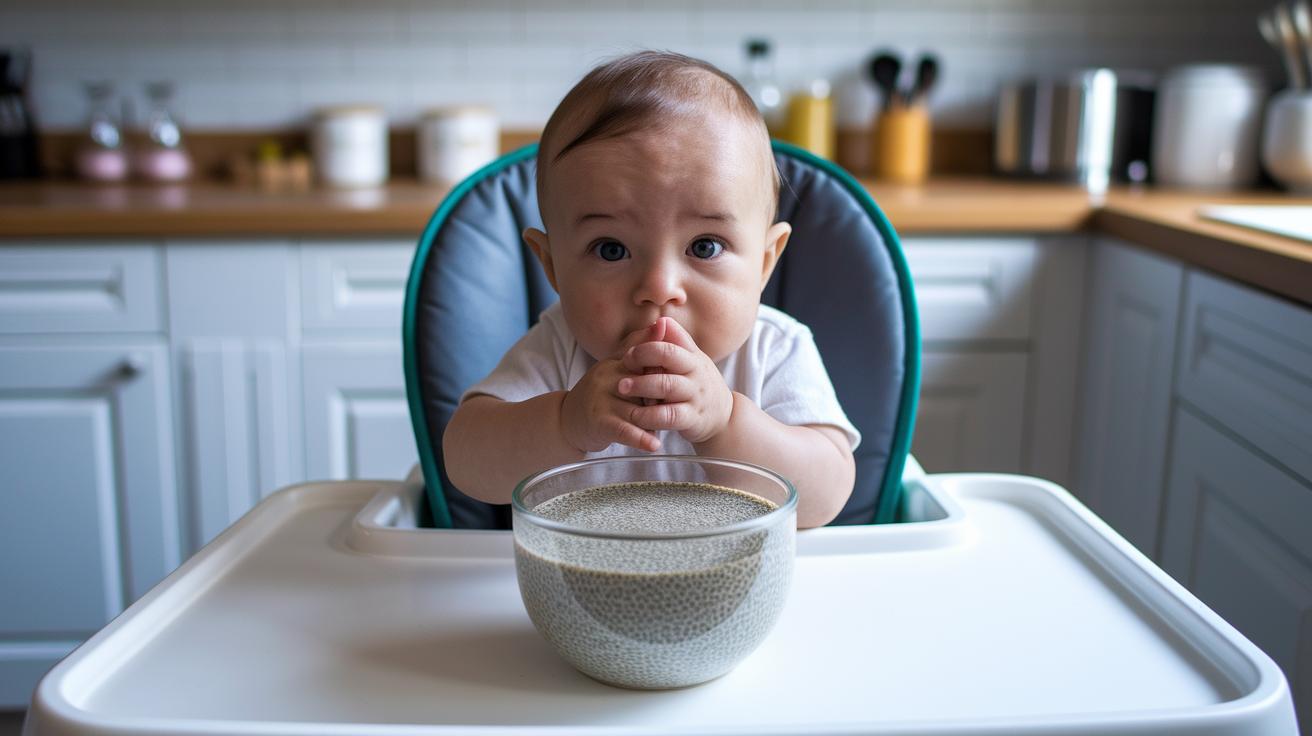
Chia seed pudding is a gentle way to begin the day. In a small bowl, mix a bit of full-fat yogurt, mashed banana, and a teaspoon of chia seeds. Let it sit for a little while so the seeds swell up and the mixture gets a nice pudding feel. Start with about 3 to 4 tablespoons for each meal, and if it seems too thick, stir in a splash of water. This little recipe gives your baby protein, calcium, and omega-3 (fats that help build strong bones and a healthy brain).
Fruit-oat puree is another sweet treat that combines soft textures with natural flavors. Simply cook small pieces of apple or pear just until they’re tender, then blend them with a spoonful of oats until the mix is smooth. Begin with a small serving of about 3 to 4 tablespoons, and if you see your baby ready for a bit more texture, try mashing it lightly instead of blending completely. The oats add fiber, which can help keep your baby’s tummy happy and even encourage early self-feeding.
Sweet potato and quinoa mash brings together bright flavors and important nutrients. Steam some small sweet potato cubes until they’re soft, then mix them with pre-cooked quinoa. Add a little drizzle of olive oil and mash everything to your preferred texture, smooth if it’s a first meal, or a bit chunkier if your baby is ready to try more texture on their own. This meal is full of complex carbohydrates, iron, and healthy fats to keep your little one energised through the morning.
Wholesome Lunch and Main Course Options at 8 Months
Chicken-and-vegetable puree is a wonderful way to kick off lunch for your little one. First, take a small chicken breast and chop it into tiny pieces, then cook it with diced carrots and peas until everything is soft. Once it’s ready, blend the mix until it’s smooth and silky, perfect for a baby’s delicate tummy. Serve about 3 to 4 tablespoons each time. This meal gives a boost of protein and vitamin A, which help build strong muscles and bright eyes.
Lentil-and-rice mash adds a hearty twist to lunch. In a small pot, combine red lentils and rice with enough water, and let them simmer until they’re tender. When they’re cooked, mash them gently with a fork or blend just a little so there’s still a bit of texture. A tiny splash of olive oil stirred in adds a dose of healthy fats. A serving of 3 to 4 tablespoons offers essential iron, folate, and fiber for a growing body.
Fish-sweet potato blend is another nourishing option. Steam mild white fish along with cubes of sweet potato until both are tender. Then, mash them together until they’re soft enough for practice chewing while still keeping a little texture. Around 3 to 4 tablespoons provides vitamin D and omega-3 fats to support healthy development and encourage those early chewing skills.
Dinner Inspirations and Nutrient-Rich 8 Month Old Meals
When planning dinner, we keep it simple and balanced. We mix proteins, vitamins, and minerals into every meal while making sure the textures are gentle enough for your little one’s transition to self-feeding. These dinners are lovingly designed to support healthy growth and development. Each option uses yummy ingredients that help form good eating habits, and the textures range from smooth purees to lightly mashed foods so your baby can start practicing chewing.
| Recipe Name | Key Ingredients | Nutritional Highlight |
|---|---|---|
| Turkey-sweet potato risotto | Arborio rice, ground turkey, mashed sweet potato | Protein, vitamin A, complex carbs |
| Broccoli-cheese quinoa bowl | Quinoa, steamed broccoli puree, mild cheddar | Iron, calcium, fiber |
| Beef-pea stew | Slow-cooked lean beef, peas | Iron and zinc boost |
| Vegetarian chickpea curry with rice | Chickpeas, rice, mild spices | Plant-based protein, healthy fats |
As your baby gets better at self-feeding, you can slowly change the textures. Start with very smooth purees and then leave a few little lumps so that with each meal, your child gets to practice new chewing skills. Enjoy these mealtime moments as a step toward more independence at the table.
Snack and Finger Food Options for Self-Feeding at 8 Months
Snacks are a fun way to bridge the gap between meals. They help your little one practice picking up food while making snack time an adventure. Mixing different textures and flavors not only makes eating exciting but also supports early skills like grasping and chewing. It’s all about letting your baby explore food in a gentle, safe way.
-
Grain-free puffs: Try making these light, bite-sized treats using cassava root flour (a natural, gluten-free flour) and no added sugar. A small handful, about four to six puffs, is just right for practicing fine motor skills without overwhelming your baby.
-
Banana wedges or steamed apple ribbons: Cut a small banana into soft, easy-to-hold wedges, or steam apple slices until they’re tender. Offering just a few pieces at a time helps your little one learn how to pick up food and enjoy new tastes.
-
Mini vegetable fritters: Grate a bit of zucchini or carrot and mix it with a lightly beaten egg and a sprinkle of mild cheese. Bake until tender, then serve one or two fritters. They’re soft enough to support early chewing practice and tasty, too.
-
Avocado spread on whole-grain toast strips: Mash a ripe avocado and lightly toast some whole-grain bread. Cut the toast into small, manageable strips, about two or three, for a snack packed with healthy fats and fiber.
Sample Weekly Schedule and Meal Prep Tips for 8 Month Old Meals
Creating a daily meal routine for your 8-month-old can really make mealtimes feel smooth and special. Think of it as a gentle way to bring some structure into your day, your baby gets to explore new tastes while still enjoying their familiar milk.
Day 1: Start the day with a warm milk wake-up, then enjoy a fruit puree for breakfast. Mid-morning, give a couple of small rice cakes. For lunch, serve a chicken-and-vegetable puree, and later, offer a soft vegetable mash as a snack before dinner.
Day 2: Begin with warm milk and an easy apple-oat puree. A few banana slices make a great mid-morning snack, followed by a lentil-and-rice mash at lunchtime. Later in the afternoon, a small serving of mashed avocado rounds out the day.
Day 3: Kick off the day with milk and a light pear puree. Enjoy soft steamed carrot sticks as a snack, then have a fish and sweet potato blend for lunch. In the afternoon, offer a few grain-free puffs for a quick bite.
Day 4: Start with milk paired with a peach puree. Enjoy steamed apple ribbons as a mid-morning treat, then have a chickpea and red pepper couscous for tea time. End the day with a small cup of diluted formula.
Day 5: Begin with milk and a mixed blueberry-banana puree. Snack on soft zucchini strips, then serve a turkey and sweet potato risotto for lunch. A mid-afternoon snack of mashed sweet fruit keeps things lively.
Day 6: Start with a nourishing glass of milk and a mixed berry puree. Mid-morning can be spent nibbling on a few mini vegetable fritters, followed by a hearty lentil mash at lunch. Later, a couple of soft whole-grain toast strips add a bit of crunch.
Day 7: Begin with milk and a refreshing mango puree. Enjoy steamed apple ribbons mid-morning, then have a broccoli-cheese quinoa bowl for lunch. In the afternoon, snack on soft banana wedges.
To keep things easy on busy days, try batch-cooking your purees and freezing them in about 1-ounce cubes. Rotate the ingredients every other day so you can watch for any changes and keep mealtime fun and varied. When you're ready to serve, gently warm the cubes to a safe temperature that also keeps the nutrients locked in.
Final Words
In the action of exploring balanced recipes and practical meal planning, this article breaks down milk-to-solids ratios, readiness cues, and key guidelines. It shares breakfast, lunch, dinner, and snack ideas with clear steps and nutrient highlights, plus a weekly meal schedule to ease meal prep.
With cozy, expert advice woven throughout, you're now set to create 8 month old meals that support growth, fun food exploration, and precious moments at mealtime. Enjoy putting these ideas into practice and nurturing your little one.
FAQ
What are some recommended 8-month-old meal recipes and what should I cook?
The 8-month-old meal recipes offer balanced purees and soft mash dishes including fruits, vegetables, and proteins. These options help support growth and develop self-feeding skills with simple, homemade ingredients.
Where can I find an 8-month baby food chart and meal plan for babies 6–12 months old?
The 8-month baby food chart and meal plan lay out daily schedules that balance breast milk or formula with solids. They provide clear guidelines on portion sizes, nutrient timing, and food variety for growing infants.
How many solid meals should an 8-month-old have and what is a typical feeding schedule?
The feeding schedule for an 8-month-old usually includes about three solid meals with additional snack options, alongside regular breast milk or formula feedings as guided by the baby’s hunger cues and routine needs.
Can an 8-month-old eat scrambled eggs?
The option of including scrambled eggs for an 8-month-old depends on readiness and gradual food introduction. Always serve them with a soft, smooth texture and consult healthcare advice when introducing new foods.