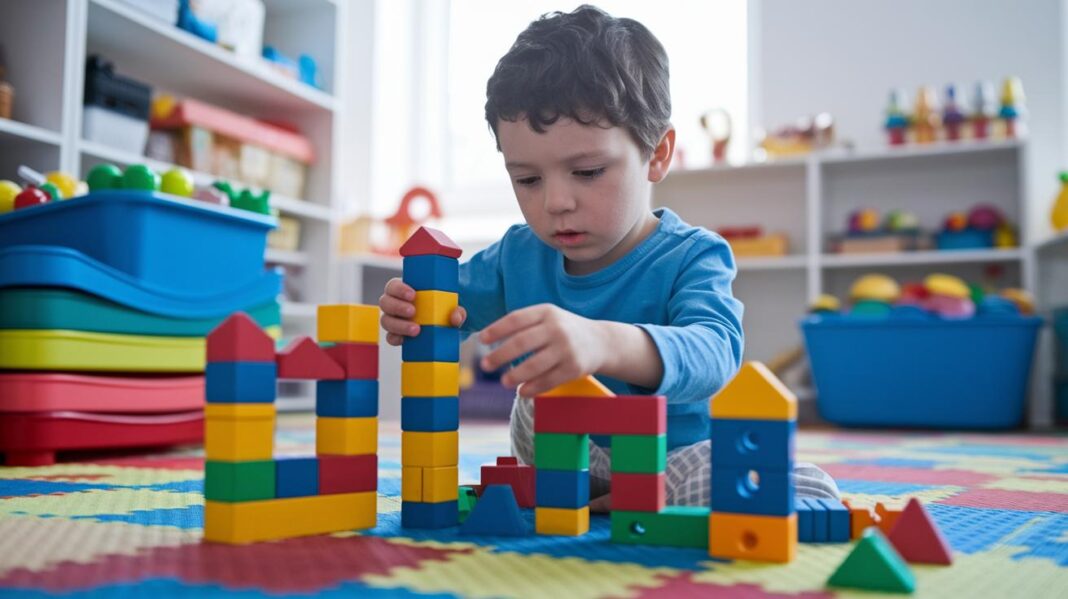
Ever wonder if a child's first steps mean more than just walking? Childhood growth is like building a cozy home, laying one brick after another. In what seems like no time at all, babies move from simple reflexes to impressive new skills that catch us by surprise.
From a newborn's gentle hold to a school kid's excited chatter, every stage is a little milestone setting the stage for a bright, happy future. Each step, no matter how small, helps build a path towards confidence and joy.
Overview of Key Childhood Development Stages and Milestones
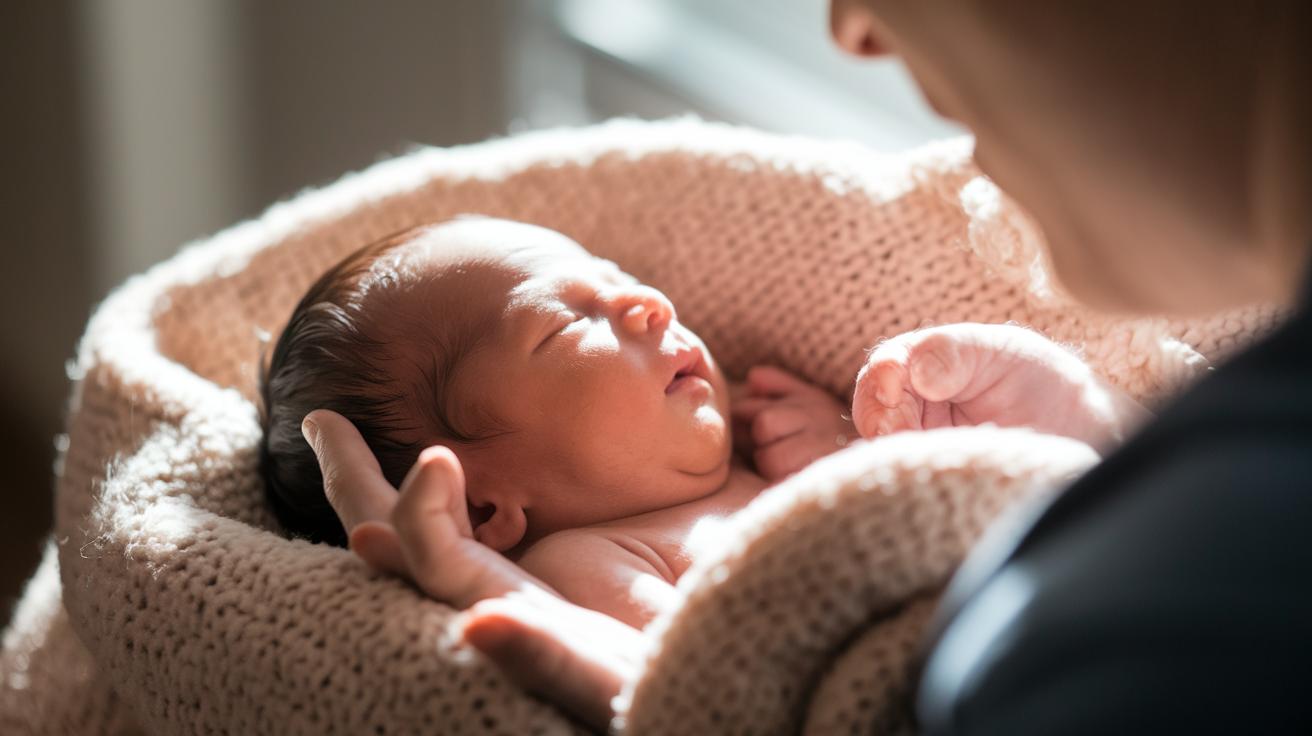
Childhood grows through five simple stages: Newborn (0–3 months), Infant (3–12 months), Toddler (1–3 years), Preschool (3–5 years), and School-Age (5–17 years). Each stage brings its own special achievements in how kids talk, move, feel, and think. It’s amazing to see how little reflexes and responses slowly turn into complex skills over time.
Every day activities help create these key areas. For instance, the physical side starts with reaching out and grabbing, which later moves to more careful movements. When it comes to feelings, kids learn to show and understand emotions, while their growing curiosity helps them solve little puzzles and ask questions. Talking helps pull all these talents together, letting children share their ideas and bond with others. All of these steps build a strong base for learning, play, and healthy growth.
| Stage | Age Range | Key Milestones |
|---|---|---|
| Newborn | 0–3 months | Reflexes, sensing things, early bonding |
| Infant | 3–12 months | Sitting without help, crawling, babbling, starting to understand objects |
| Toddler | 1–3 years | Walking, running, using more words, simple social play |
| Preschool | 3–5 years | Growing language skills, better motor control, imaginative play, playing together |
| School-Age | 5–17 years | Thinking in new ways, fine motor skills, more advanced social skills |
The early years are a bit like laying down the bricks for your family home, each small milestone builds strength and self-confidence. With loving support and playful care, every achievement helps shape a child’s ability to try new things and face challenges with bravery.
Newborn Stage in Childhood Development
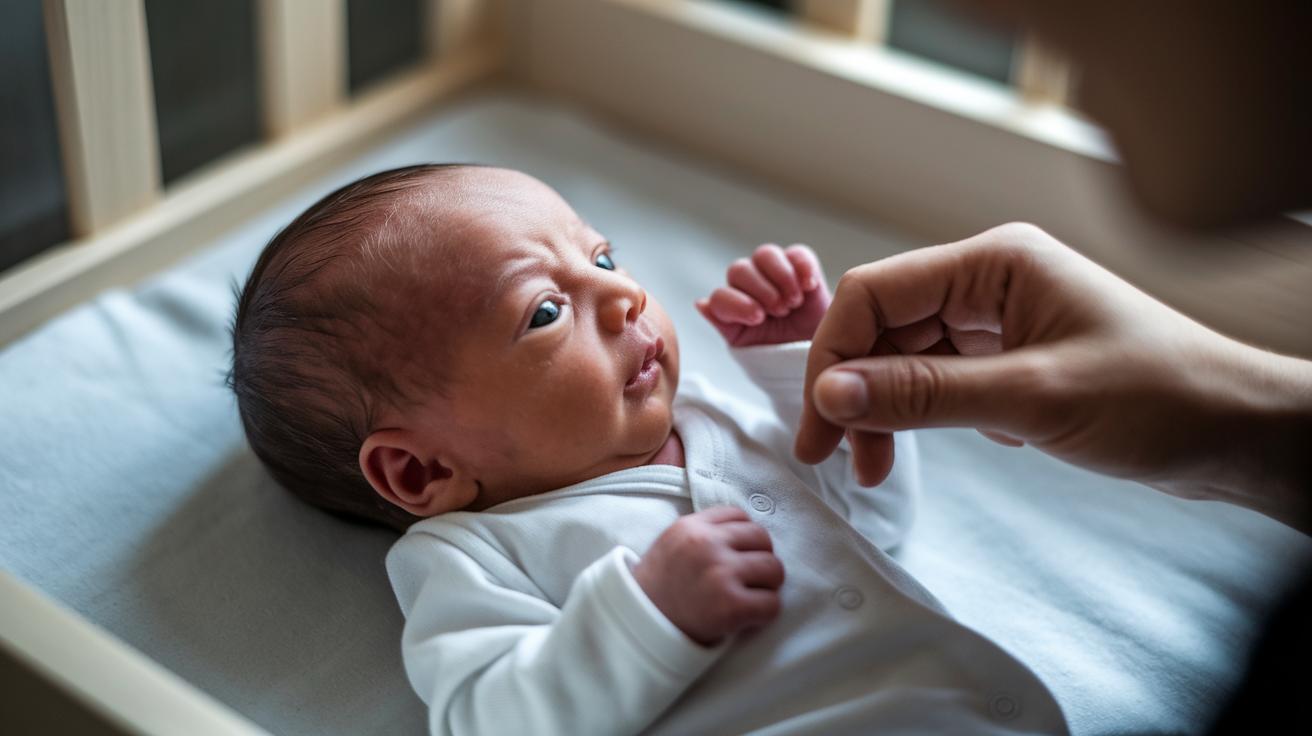
Right from the start, a baby is born with natural reflexes that help them explore the world using their senses. Reflexes like rooting (turning towards a touch on the cheek) and sucking are crucial for feeding and making sure the baby survives those first few days. As the baby grows, these reflexes slowly fade away and give room to more controlled, smooth movements.
Newborns can only focus on things that are about 8 to 12 inches away. By the time they’re around 2 months old, they start following moving shapes and faces. This early visual focus is like planting a small seed that will help their brain grow and learn later on. It’s a simple yet important step in their journey.
Bonding with a parent is another gentle and powerful part of these early days. Babies quickly learn to recognize a parent’s voice and start making soft cooing sounds by 6 to 8 weeks, which helps build a loving connection. A few reflexes play a big part in this phase, such as:
- Root reflex
- Suck reflex
- Moro reflex
- Palmar grasp
- Tonic neck reflex
Infant Stage: 3 to 12 Months of Childhood Development
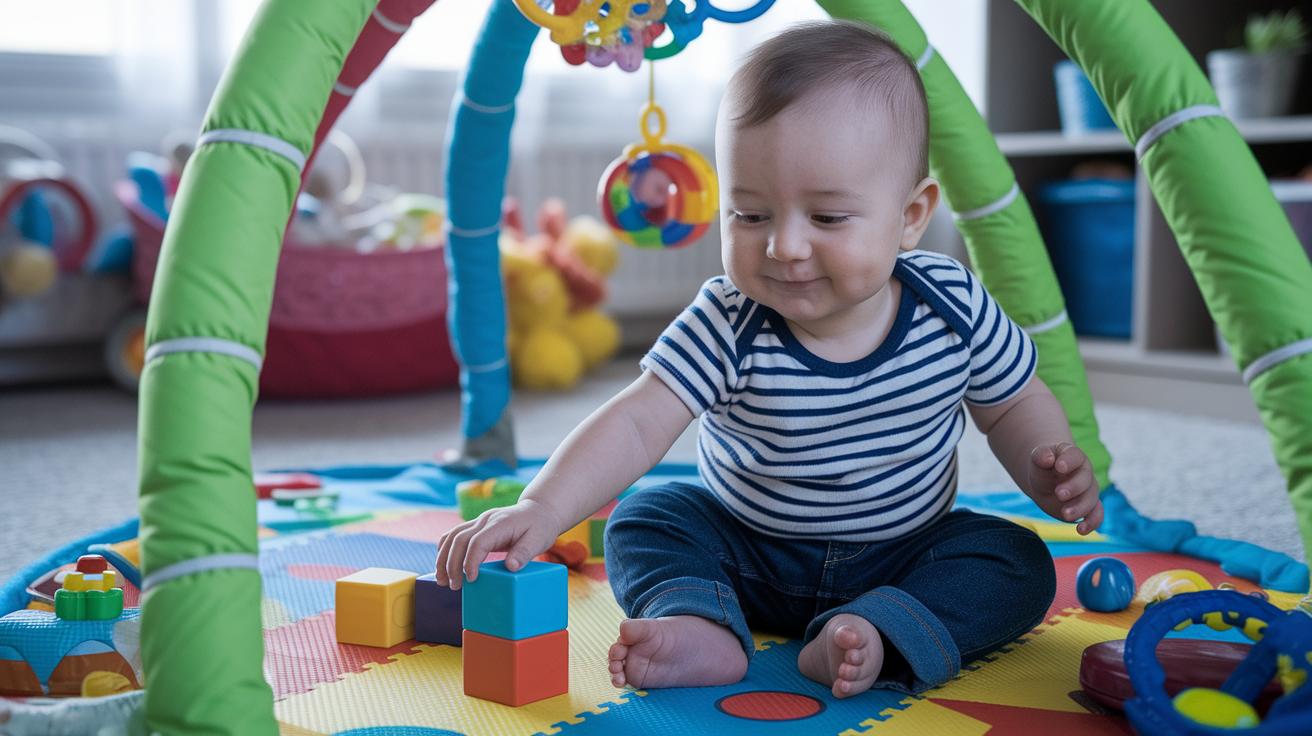
During this precious phase, little ones start to show exciting physical changes. Around 4 to 8 months, many babies can sit by themselves, and by 6 months, they often begin pulling up to stand. By the time they reach 8 to 12 months, crawling is common, and many are even able to stand on their own around 10 to 12 months. Each new skill gives them a chance to explore the world and build up their little confidence.
Cognitive skills also take a bright turn during these months. Babies start to understand that things still exist even when they can’t see them, a sign that they are beginning to grasp object permanence. Their natural curiosity leads them to play with toys and everyday items, and every experiment is a step toward more complex learning. It’s delightful to see how each new discovery makes a big difference.
Language development blossoms in this time, too. By about 2 months, gentle cooing sets the stage for exploring sounds, and by 6 months, babbling starts to fill the room (you can read more on language development milestones on our website). Little ones begin to notice familiar voices, respond to their names, and try out different sounds, laying a lovely foundation for future words.
Socially, babies start forming special bonds with the people around them. They often begin showing stranger anxiety between 6 and 9 months, clearly favoring the comfort of their caregivers. Through warm smiles, soft sounds, and little gestures, these early interactions spark meaningful connections that nurture their overall growth.
Toddler Stage in Childhood Development: 1 to 3 Years
Physical Development
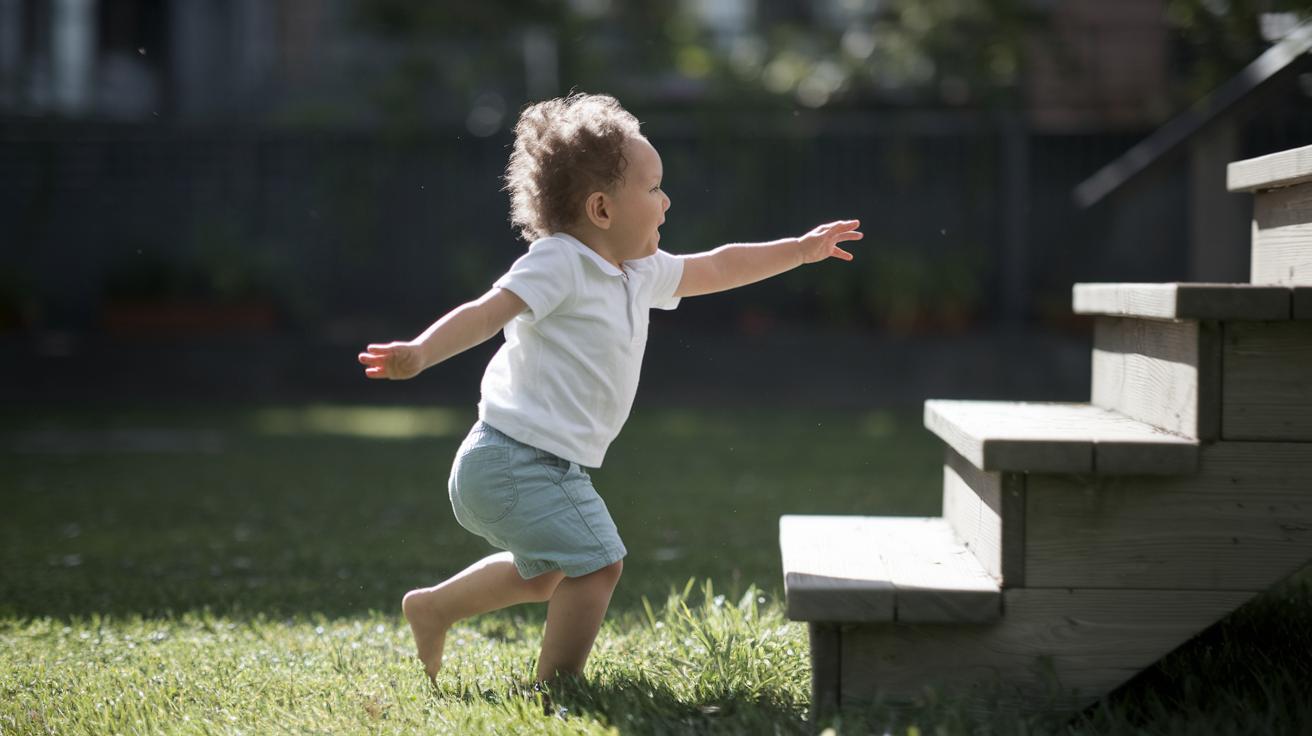
In these early years, toddlers start mastering walking. Many begin taking their first steps on their own, each step boosting their confidence bit by bit. When they’re around 12 to 18 months old, they start following simple instructions and use a handful of words. Soon, around 18 to 24 months, you might see them trying to run or even climb stairs with a bit of help. Picture a little one bursting into a playful run and then carefully stepping up a stair, it's a sign of growing balance and strength. It’s all about slowly getting better at moving and coordinating.
Language and Cognitive Growth
Language really begins to bloom during these years. By 18 to 24 months, a toddler’s vocabulary can grow to 50–200 words. They often use simple two-word phrases like “more milk” or “big truck.” As they move into the 24 to 36 months range, you might hear them forming short sentences with three or four words and sharing little stories about their day. They also start figuring out simple puzzles and understanding cause and effect, sparking their natural curiosity about the world around them. It’s pretty amazing to see how quickly they learn!
Social-Emotional Skills
Their social and emotional world blossoms during this time, too. Toddlers usually start with parallel play, where they play side by side with other children. Before you know it, they begin taking turns and engaging in simple games that help build early friendships. They also start naming basic feelings like happy or sad, even though temper tantrums can still pop up when things feel overwhelming. A cuddle with a favorite toy or a warm hug from a caregiver becomes a big comfort. These small steps in learning to handle emotions set the stage for future social adventures and help make their growth even more special.
Preschool Stage in Childhood Development: 3 to 5 Years
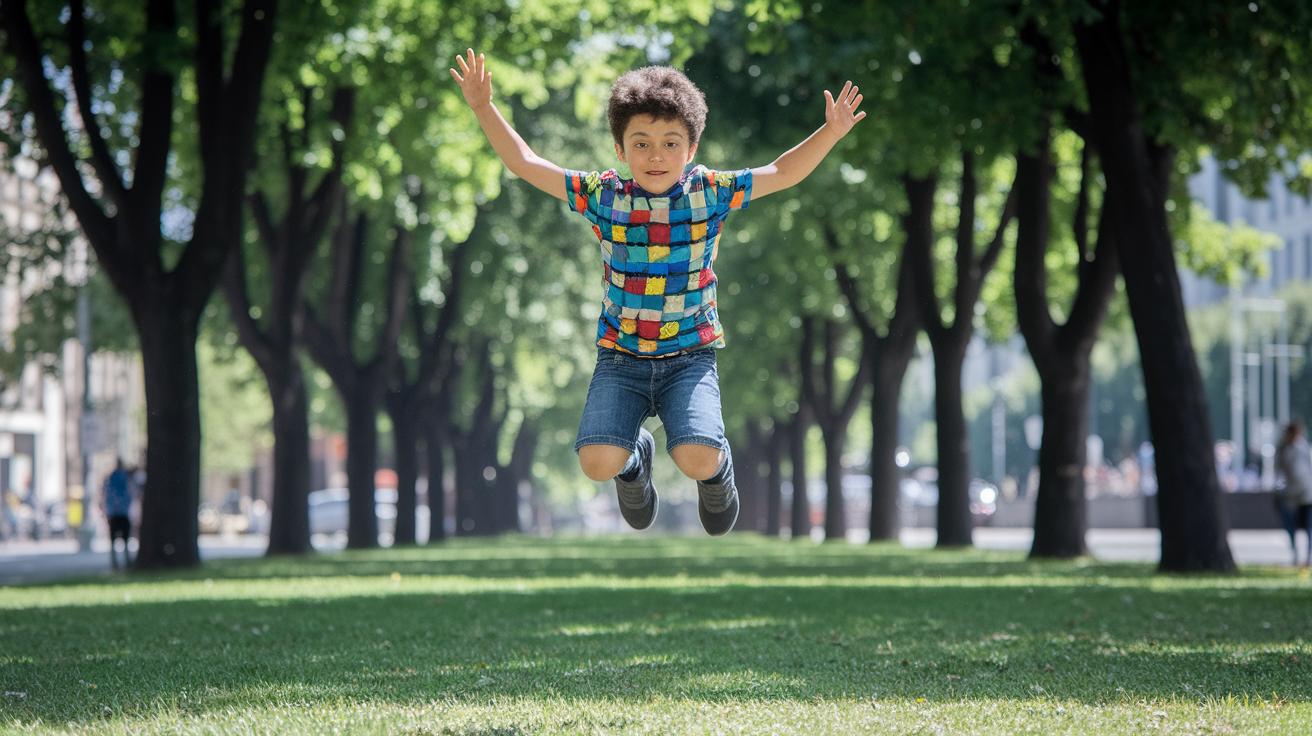
This is a time full of wonder and growth. Between ages 3 and 5, kids start to run, jump, speak in longer sentences, and make new friends. It’s like watching a tiny magic show unfold right before your eyes.
During these years, kids make big strides in their body skills. They learn to jump and hop, and sometimes even balance on one foot. Their little hands get more control too, so using child-safe scissors or drawing simple shapes becomes a fun way to build strength. Games like "Simon Says" help them learn big and small movements together.
Their language skills bloom wonderfully. A preschooler’s vocabulary can grow over 1,000 words, and soon they’re asking lots of curious questions like, “Why is the sky blue?” Chatting with them through stories or using a playful puppet encourages even longer, more detailed conversations.
Their thinking also gets stronger as they start to count to 10, sort objects by color or shape, and dive into imaginative play. Setting up a pretend kitchen or a small store lets them explore problem-solving in a fun way. It really builds their ability to think things through and follow a sequence.
Social skills start to shine too. Playing in groups helps them learn how to share, take turns, and follow simple rules. Whether they’re building with blocks or playing pretend house, these moments teach them about friendship and teamwork, while also helping them understand their own feelings.
School-Age Stage in Childhood Development: 5 to 17 Years
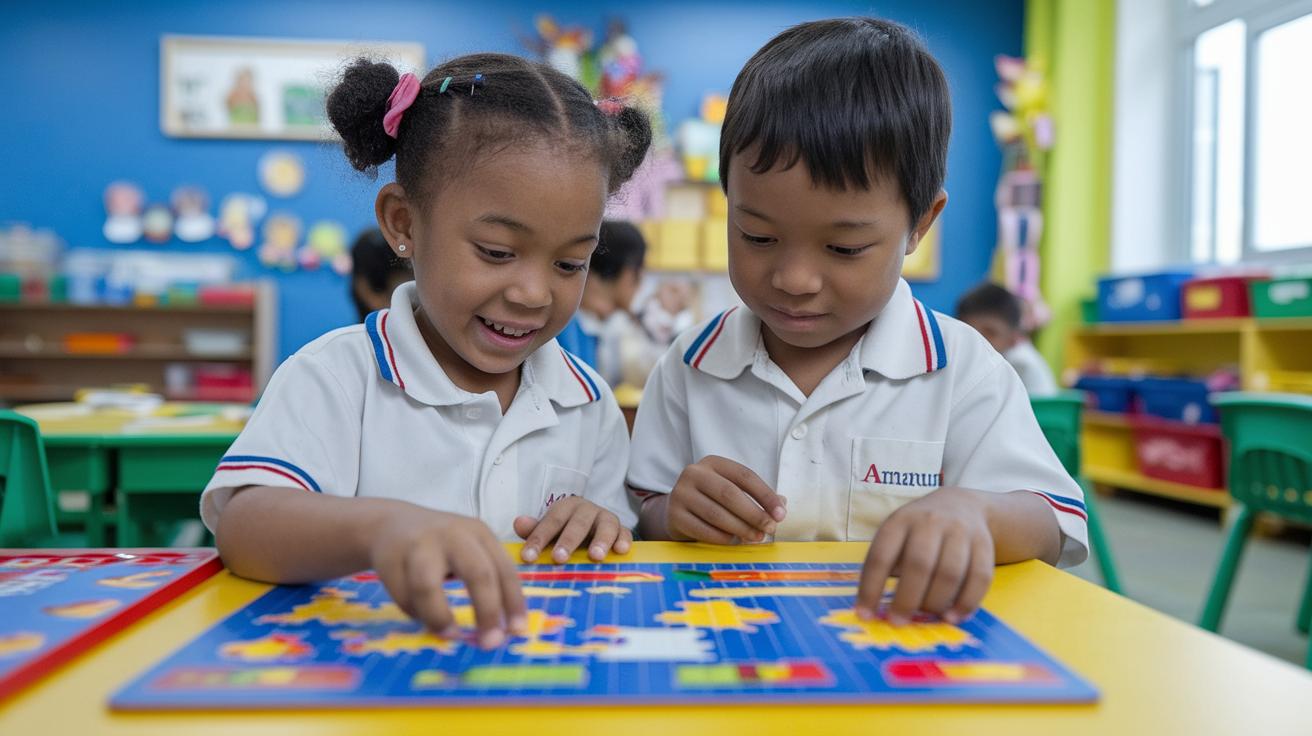
When kids are between 5 and 7, they start to build a strong foundation in how they think. They can read simple sentences and solve everyday problems using clear, step-by-step thinking. It’s like they’re starting to put together a puzzle of how things work, helping them see how one thing leads to another.
As they move into middle childhood (8 to 11 years), their school skills really take off. They become more confident in reading and start learning basic math, which lays the groundwork for later studies. They explore science and social studies through fun, interactive activities that make learning feel like play. Have you ever noticed how excited they get when they finally understand a new idea?
Then, during their early teen years (12 to 17 years), big changes happen both in their bodies and minds. Puberty brings about lots of physical changes, and they start to show better coordination in sports and daily activities. Their growing bodies let them handle energetic tasks, while they also begin to build a deeper sense of who they are.
Socially, this time is all about forming closer friendships and understanding the role of peers in their lives. They start balancing family time with a growing need for independence, spending more time with friends and teachers. These experiences help shape their identity and guide them gradually in discovering their place in the world.
Final Words
In the action, we explored how childhood unfolds across five dynamic stages, from the Newborn phase to the School-Age years. Each stage builds on four key domains: communication, physical skills, social-emotional growth, and cognitive development.
We looked at every milestone, from those first reflexes and babbling to the budding independence of school-age kids. Taking in these stages of childhood development can make a big difference in understanding and supporting growth. Embrace every small moment with optimism and heartfelt care.
FAQ
Q: What are the 7 stages of child development?
A: The 7 stages of child development refer to key phases from infancy to adolescence that focus on changes in physical, cognitive, social, and language skills. Different experts may outline extra transition phases for added detail.
Q: What are the 5 stages of child development?
A: The 5 stages include the newborn (0–3 months), infant (3–12 months), toddler (1–3 years), preschool (3–5 years), and school-age (5–17 years) periods, each marked by distinct milestones across core developmental areas.
Q: What are the 4 stages of Piaget’s theory?
A: Piaget’s theory describes four stages: sensorimotor (birth to 2 years), preoperational (2 to 7 years), concrete operational (7 to 11 years), and formal operational (12 years and up), highlighting evolving thinking and reasoning skills.
Q: What are the 10 stages of child development?
A: The 10-stage model divides development into finer segments, often expanding on early and later childhood phases. Experts break down stages to capture more detailed growth periods from infancy to adolescence.
Q: What are the 7 stages of brain development?
A: The 7 stages of brain development outline periods from the prenatal phase through adolescence, focusing on neural growth, synapse formation, myelination, and the refinement of brain connections essential for learning.
Q: Where can I find developmental milestones in PDF format?
A: Developmental milestones PDFs offer visual timelines of growth from infancy to adolescence, providing easy-to-follow charts that help parents track physical, social, cognitive, and language progress.