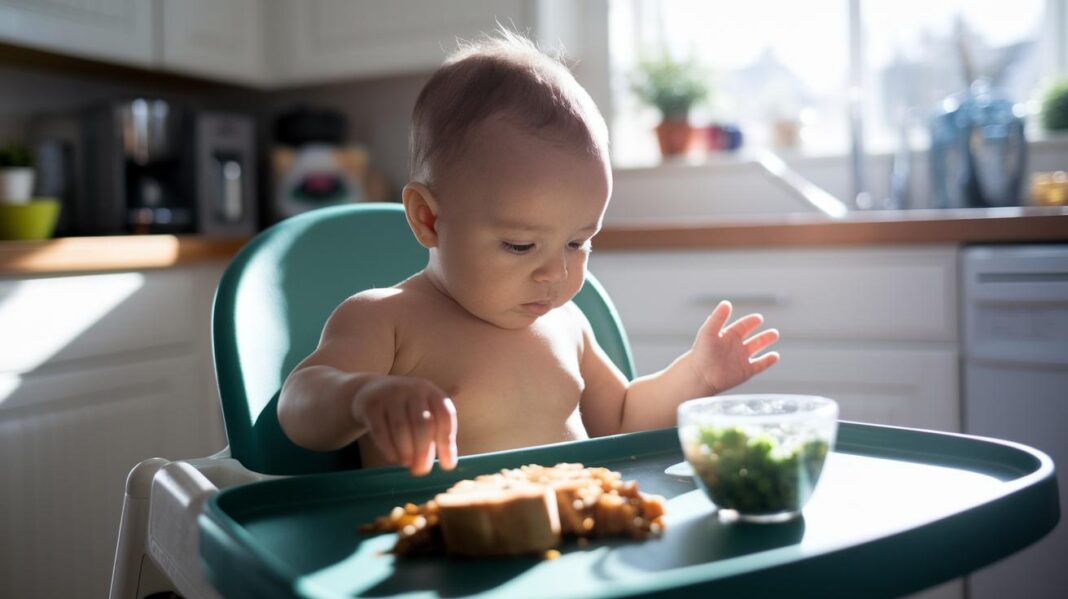
Have you ever thought about letting your baby lead mealtime? It might sound bold, but baby-led weaning turns eating into a calm, hands-on experience. Imagine a cozy family meal where every bite is a fun adventure in taste and texture. This method lets your little one decide when they're ready, so meals feel natural and help set up healthy eating habits. Read on to see how this approach can make mealtime both simple and joyful.
Implementing Baby-Led Weaning Safely
Baby-led weaning lets your little one start exploring solid foods on their own. When your baby can sit up steadily and grab things with tiny hands, it might be the perfect time to try this method. It’s like noticing a sign that your child is ready to take the next step.
You can start by offering a small amount of solids about 30 minutes after a milk feed when your baby is calm and alert. Imagine setting the table for a cozy family meal, everything is relaxed and inviting.
Begin with foods that are soft and easy to hold. Instead of always serving smooth purees, try little pieces with different textures. This gentle approach gives your baby the chance to work at their own pace, build trust with new foods, and develop fine motor skills.
Responsive feeding is at the heart of baby-led weaning. Rather than spoon-feeding a set amount, listen to your baby. If they reach for food or open their mouth, it’s a clear sign they’re ready. Watching for these gentle cues helps make mealtimes a warm, positive experience.
Research over the years shows that baby-led weaning offers nutritional benefits without a higher risk than traditional spoon-feeding. Many families find this independent method simplifies mealtimes while letting their child explore foods naturally.
Try starting with a small piece of soft fruit, like a slice of ripe pear. Watch as your baby reaches for it, curious and engaged. It’s a simple and caring way to introduce solids safely while nurturing their growing independence.
Developmental Milestones for Baby-Led Weaning Readiness
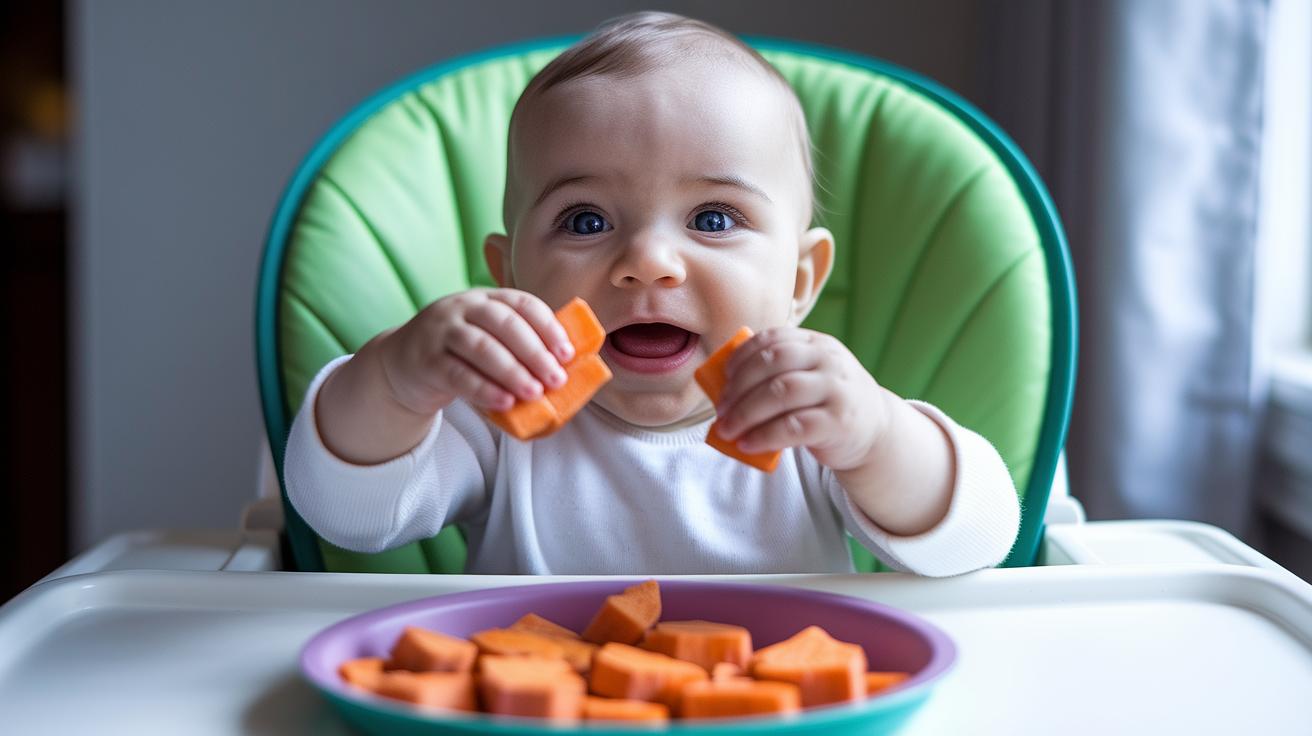
When your baby sits up on their own, grabs things eagerly, and seems curious about different food textures, it might be a good time to try self-feeding. Research shows that baby-led weaning can help build healthy eating habits over time by letting little ones listen to their own hunger cues while learning about balanced portions. For example, if you see your baby determinedly picking up a small piece of steamed vegetable, that's a sign they're beginning to trust their own taste.
To encourage independent eating, try to make mealtime fun and engaging. Serve foods in lively, easy-to-hold shapes and gather as a family for meals so your child can see you enjoying a mix of textures. One caring mom shared, "During mealtime, I offer mini pieces of soft fruit and let my baby explore on their own, while I cheer on their efforts." This approach not only helps them learn to self-regulate but also builds their confidence in trying new foods.
Sometimes, you might notice a messy table or a bit of gagging, these moments are perfectly normal. The key is to stay calm, ensure the food is cut into safe sizes, and gently guide your baby along the way. Watching for signs like sustained interest in a food can help you decide when it's time to introduce a wider range of age-appropriate options.
Baby Led Weaning Makes Feeding a Breeze
When you start introducing finger foods, try to pick choices that mix good nutrition with a bit of fun. One easy way is to use steamed carrot and sweet potato pieces. First, melt about 1 teaspoon of unsalted butter in a pan and add chopped carrots and sweet potatoes cut into small, easy-to-hold chunks. This method softens the vegetables while still giving a bit of texture, a refreshing change from smooth purees. Imagine serving up a colorful plate where each bite bursts with natural sweetness!
Another idea is to offer lightly steamed, diced mango mixed with full-fat natural Greek yogurt. This combo blends different flavors with a creamy touch that invites your baby to explore new tastes. It’s like a little bit of tropical sunshine brightening up your mealtime!
You can also introduce foods like dairy, eggs, or nut butters early on to help build up their tolerance. Think about it as adding a dash of curiosity in every bite, a gentle push towards discovering new flavors.
Keep the pieces soft but still a little different from each other so your baby can learn to handle all sorts of textures. When you cut foods into bite-size shapes, it not only makes self-feeding easier, it also helps build their confidence at mealtime. Even simple ingredients can look appealing when you arrange them nicely on the plate.
As you try out these healthy finger food ideas, remember to keep an eye out for what your baby enjoys and be patient. Every little taste is a step towards independence and the joy of sharing family meals, filling your baby’s world with safe, delicious bites one moment at a time.
Managing Safety and Allergens in Baby-Led Weaning
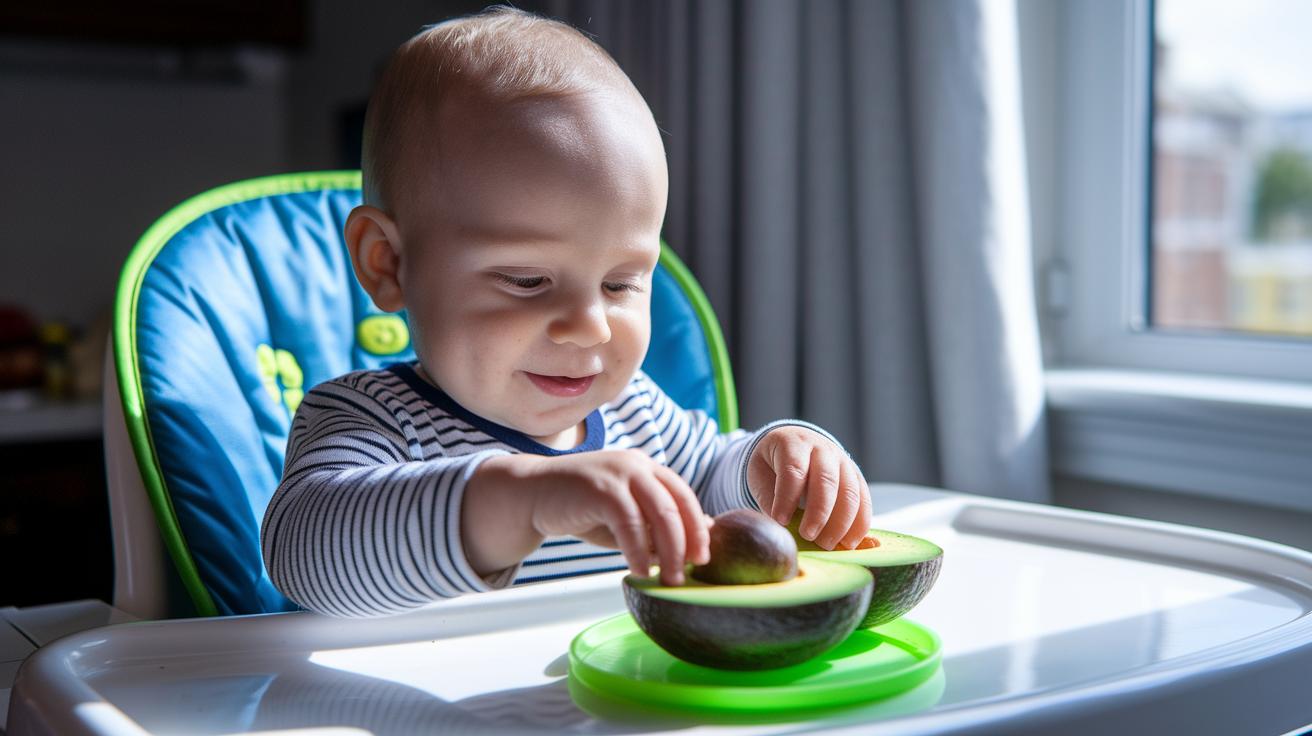
When you start baby-led weaning, safety comes first. Research shows that the chance of choking is no higher than with spoon-feeding, as long as you cut foods into small, safe pieces. For instance, when you serve steamed carrot sticks, slice them carefully into even pieces and check their warmth before offering them to your little one.
It helps to mix in allergen awareness with temperature checks. Try introducing one new food at a time so you can quickly notice any allergic reactions. I heard one mom share that she began with a tiny piece of soft avocado and watched closely before adding something new. Always test the food’s temperature, it’s all about avoiding burns, and keep a loving eye on your baby during meals.
Essential Tools and Tableware for Baby-Led Weaning
Choosing the right tableware can make baby-led weaning feel easy and fun. Silicone bibs keep your little one clean, and soft-tip spoons help them feed themselves gently. Suction-base plates stay in place during your baby’s curious explorations, cutting down on spills and making mealtime more relaxed.
Eco-friendly options are a smart pick too. Bamboo utensils (free from BPA and phthalates) add a safe, natural touch to your baby’s routine. Child-sized cutlery fits tiny hands perfectly, encouraging self-feeding and boosting fine motor skills. Picking non-toxic, easy-to-clean items not only simplifies cleanup but also creates a nurturing space where your child can build confidence.
Family-style meals add even more warmth to the table. Sharing dishes lets your baby explore at their own pace, while keeping the dining area neat. With these supportive tools, self-feeding turns into a joyful experience for the whole family.
Consider these must-have items:
- Silicone bibs for neat, spill-free meals
- Soft-tip spoons designed for gentle self-feeding
- Suction-base plates to keep food in place and reduce mess
These pieces not only ease cleanup but also encourage independent eating, making every mealtime a calm and organized moment together.
Sample Menus and Recipes for Baby-Led Weaning
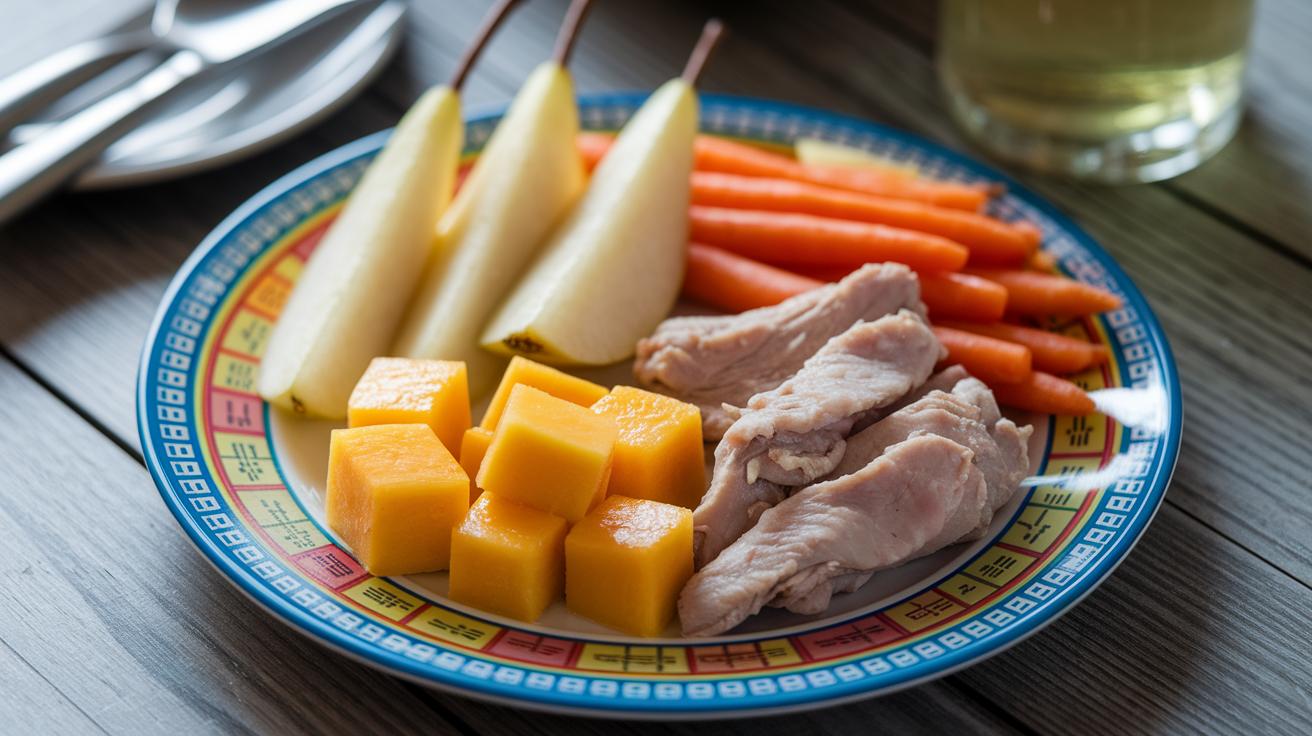
Start your day with a breakfast that's as bright and tasty as it looks. Try giving your little one about 4 or 5 pear sticks along with 6 to 8 cubes of mango. Make sure the pieces are small enough for tiny hands to hold. Imagine serving a mini tropical treat that brings a little sunshine with every bite! Let the fruit sit at room temperature so it's soft and easy for your baby to explore.
For lunch, you might offer some soft steamed carrot chunks paired with shredded chicken strips. Steam about 1/2 cup of chopped carrots for around 5 minutes until they're tender but still have a bit of texture. Then, mix in 2 or 3 strips of finely shredded chicken (about 1 ounce in total). Each bite is a gentle mix of flavors, soft carrots meeting tender chicken in a delightful way.
Need a quick and healthy snack? Try making whole-grain toast fingers. Take one slice of whole-grain bread and cut it into three or four strips. Toast it lightly so the edges are slightly crispy while the center stays soft. It’s like giving your baby a little parcel of crunch and warmth to enjoy.
For dinner, keep things simple and satisfying with lightly mashed beans on toast. Use about 1/2 cup of well-cooked beans, mash them just enough to leave a bit of texture, and spread them over a small piece of whole-grain toast (cut into bite-sized pieces). The beans will be soft and easy to mash, making mealtime calm and enjoyable.
These ideas mix easy recipes, quick snack tips, and balanced meals using seasonal fruits and veggies. Mealtime can be a fun, stress-free experience for both you and your baby. Isn't it amazing how small, simple changes can make your day a little brighter?
Tracking Progress and Overcoming Challenges in Baby-Led Weaning
When your little one starts trying solid foods on their own, it’s a good idea to pay close attention to how they handle different textures and flavors. You might notice little signals like when they’re hungry or when they seem full, and these gentle cues can help you decide if it’s time to offer more or to take a break. It’s totally normal for meals to get a bit messy and for progress to happen at its own pace.
It can be really helpful to keep a simple note of mealtime milestones. Write down when your baby first grabs food on their own, has a little gag moment (which is usually safe), or shows more confidence while feeding. These small notes let you see all the little improvements without worrying about everything being perfect.
- Watch for signs that your baby is hungry or full during meals.
- Keep an eye on the difference between a natural gag and a more worrisome choking behavior.
- Jot down each new feeding milestone to track how your baby is growing.
- Remember, slow or uneven progress is completely normal.
And if you ever feel unsure, chatting with other parents online can be a big comfort. Many moms and dads have been there too, and sharing stories and tips can really help you feel supported every day.
Final Words
In the action of baby led weaning, we dove right into self-feeding basics, from knowing those first developmental signals to picking safe, soft finger foods. We talked step-by-step about preparing practical menus and using the right tools to support independent eating. Practical safety tips and spot-on advice help guide this nurturing process while keeping mealtime fun and stress-free.
Every messy bite is a chance to build trust. Enjoy each moment as your little one learns to feed themselves with confidence.
FAQ
What is the baby-led weaning method?
The baby-led weaning method is an approach where babies self-feed solids when they’re ready. It allows infants to explore textures and control their pace while building confidence through responsive, hands-on eating.
When should I start baby-led weaning?
The ideal time to start baby-led weaning is around six months, once your baby can sit well, grasp objects, and is alert. This readiness helps them safely explore finger foods during mealtime.
What starter foods and recipes work well for baby-led weaning?
Starter foods include soft finger foods like steamed carrot chunks, sweet potato pieces, and mango cubes paired with full-fat Greek yogurt. Such recipes introduce varied textures that support self-feeding safely.
How does baby-led weaning compare with purees?
Baby-led weaning focuses on self-feeding with whole, soft foods, unlike purees that are spoon-fed. This approach helps infants experience different textures and learn independence at mealtime.
What benefits does baby-led weaning offer?
Baby-led weaning benefits infants by promoting self-regulation and independence. It fosters confident eating habits, allowing babies to explore and decide on portions while building a positive, engaging mealtime experience.
What is the 4 day rule for baby-led weaning?
The 4 day rule suggests offering a new food every four days to watch for allergic reactions. This slower introduction aids in identifying any adverse responses while gradually expanding your baby’s palate.
Why might some doctors not recommend baby-led weaning?
Some doctors approach baby-led weaning cautiously due to concerns about choking, allergies, or balanced nutrition. Yet, research shows that with proper supervision and food preparation, it is as safe as traditional spoon-feeding.
Where can I find helpful resources like books or online support for baby-led weaning?
Resources like baby-led weaning books, recipes, and online communities (including groups on Reddit and work by experts like Katie Ferraro) offer practical advice and shared experiences that support your feeding journey.