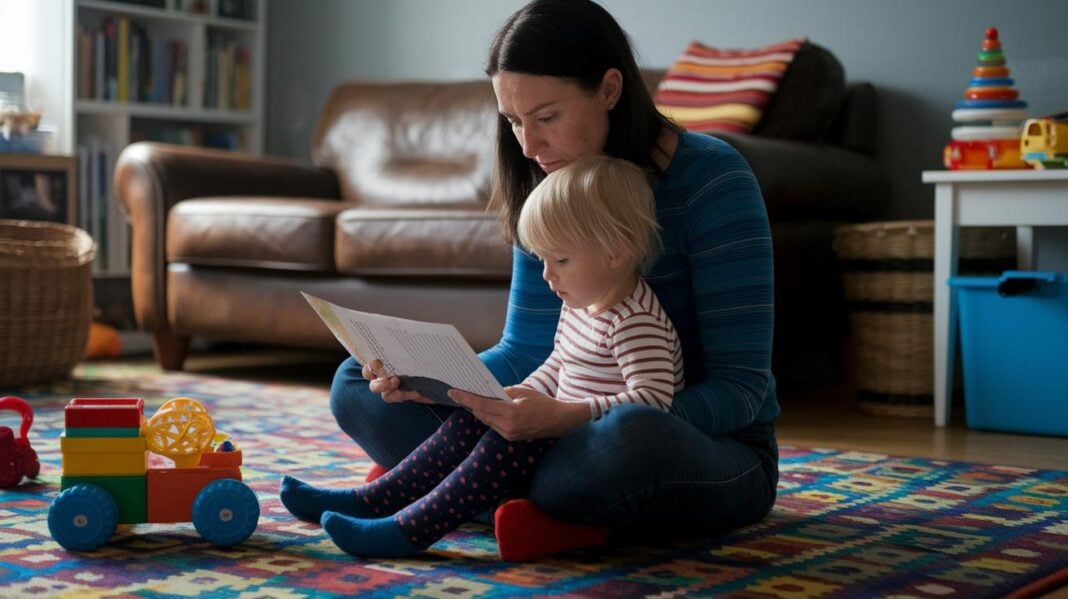
Have you ever noticed that a small change in your daily routine might help your child grow? Maybe you'll be surprised to learn that a warm hug or a gentle chat can boost their confidence and support their feelings.
These simple ideas can guide your child's progress while creating a home full of love. Picture each caring moment as a small building block for their future success.
Keep reading to discover how everyday moments can help your little one blossom.
Proven Parenting Tips for Supporting Child Development
Parents play such a big role in gently guiding their child’s growth each day. Even little acts, like a warm hug or a calm chat during a meltdown, can build a strong sense of confidence and help manage emotions.
When day-to-day challenges pop up, think of these tips as simple steps toward creating a loving family space. Every small gesture counts, and over time, they lay a strong foundation for positive behavior.
- Show regular affection with things like cuddles or gentle hugs, always keeping your child’s comfort in mind.
- Enjoy a mix of indoor fun, like reading or puzzles, and outdoor adventures such as nature walks or building a blanket fort.
- Create clear, fair family rules that everyone understands, so there’s a predictable rhythm at home.
- When misbehavior happens, try to stay calm. Explain things clearly and cheer on improvements with specific praise.
- Keep your expectations realistic since mistakes are simply part of learning.
- Take short breaks for self-care to help keep stress at bay.
- Offer plenty of positive attention so your child always feels seen and secure.
- Guide your child through mistakes with kind words and small rewards, helping them grow step by step.
These gentle tips help foster a nurturing home where your child can build strong emotional skills and feel truly supported. Isn’t it wonderful how each simple, caring act can brighten the journey of growth?
Parenting Tips for Infant Development and Milestone Support
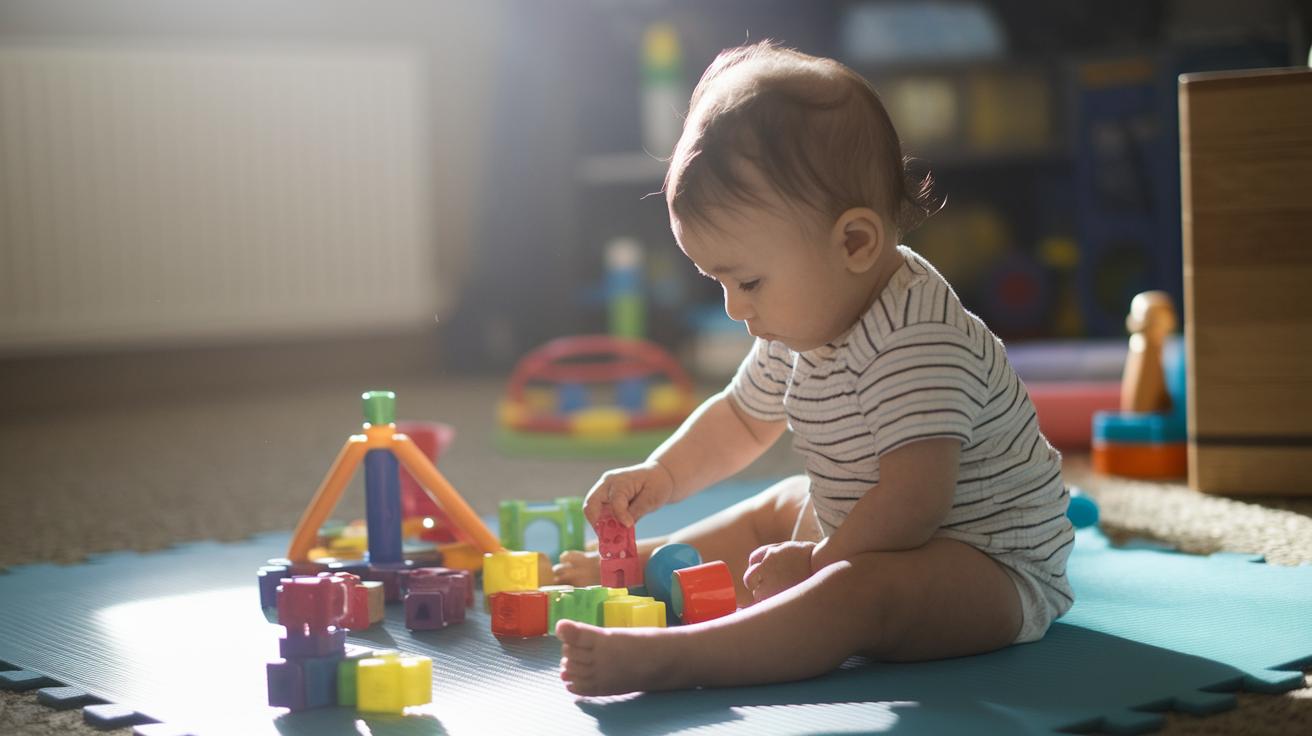
Watching your baby discover the world is nothing short of magical. When they’re newborns, they light up at sounds, follow faces as they move, and feel safe when you hold or speak to them. As they grow, usually between 2 and 12 months, you might notice them crawling, sitting up on their own, and reaching for toys with those tiny hands. It’s heartwarming to see the sparkle in their eyes every time they grab something new!
Every day, simple activities like tummy time and playful sensory moments make a big difference. Think of it like setting a small, loving routine that helps build their strength and curiosity. And when you mix in nourishing meals with key nutrients like iron and DHA (a type of healthy fat), you’re giving their brain a little extra boost. During playtime, try offering different soft textures, gentle sounds, and vibrant colors. It’s like creating a mini adventure that supports their learning and growth.
Also, it’s a good idea to keep up with regular check-ups. Pediatric experts often suggest visits around 9, 18, and 30 months to see how your baby’s meeting those exciting new milestones. These friendly visits help make sure your little one is growing well, physically, socially, and even in their thinking skills, while giving you a sense of ease along the way.
Parenting Tips for Toddler Development: Behavior and Active Play
Toddlers are full of life, energy, and curiosity. As they learn to walk on their own, try out open cups, and play with utensils like spoons and forks, you begin to see their unique little personalities shine through. This is such a fun time to support their natural urge to explore and gently teach them simple rules in a playful way.
Active play is a wonderful way to nurture both their minds and bodies. Think about mixing in puzzles, art projects, and games that are as engaging as they are fun. Outdoor adventures, like a quick trip to the park or a playful run in the backyard, give them that safe space to move and explore. Imagine setting up a small obstacle course at home, it could be as easy as arranging some cushions or soft toys for a game of keep-away!
When it comes to guidance, a calm and clear approach works best. Tantrums and missteps happen, and that’s okay. Respond with kind words and steady reminders, and soon you'll see your toddler learning better ways to express themselves. Remember to celebrate the little wins, like when they share or use kindly spoken words. Consistency in routines and rules helps them feel secure and learn faster.
Parenting Tips for Preschool Development: Social, Cognitive, and Creative Growth
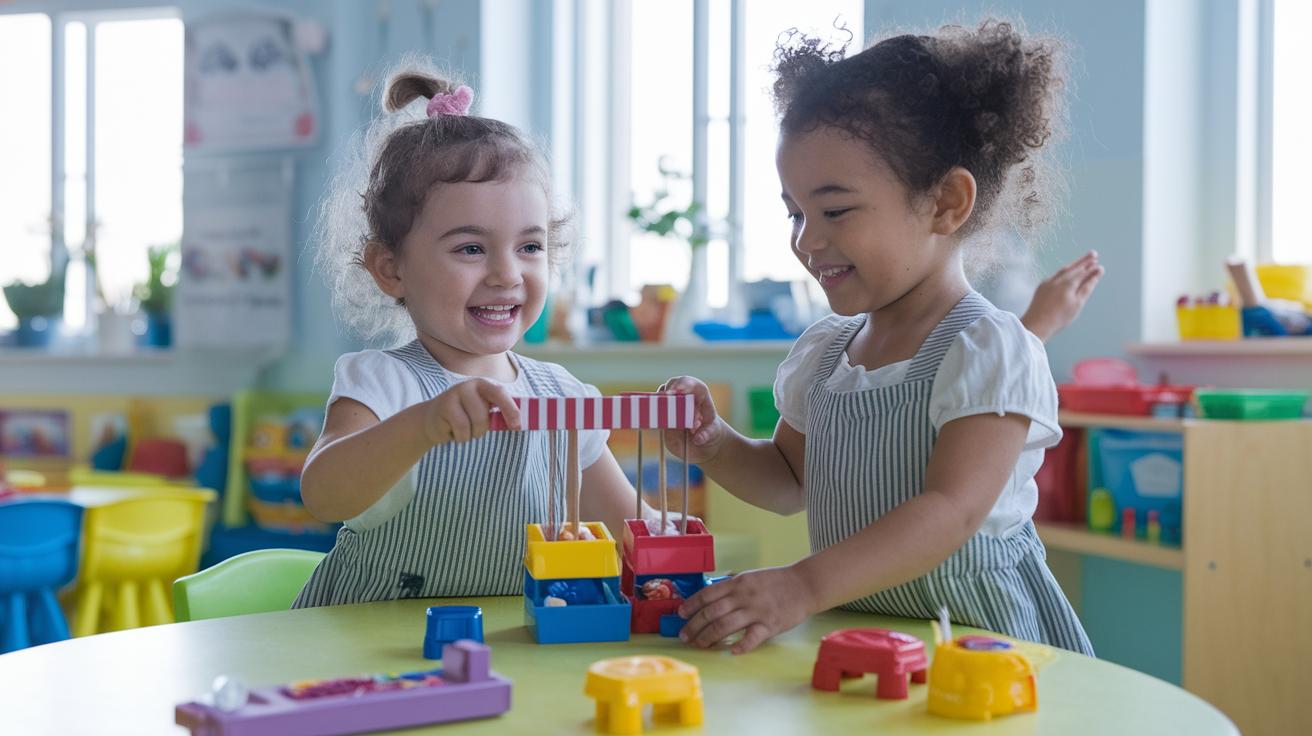
Preschoolers from 3 to 5 are busy exploring the world around them. They’re improving skills like throwing, catching, and even getting dressed by themselves. They learn best when play is involved, fun activities that get them moving and thinking. Mixing in group games and little puzzles is a great way to build social skills and light up their curiosity.
Social Play Strategies
When preschoolers join in on role-play or group games, it’s a wonderful chance for them to learn about taking turns and sharing ideas. Think of a pretend store or an adventure on the playground, games that feel gentle and fun can really bring out the best in them. Tasks that need some teamwork help kids learn important social cues and understand their place in a group. Have you ever seen how a simple game can bring little ones together?
Cognitive Challenges
Simple activities like sorting different shapes, playing memory matching games, or counting small objects can boost your child’s thinking skills. These playful exercises lay the groundwork for learning in school and beyond. Adding puzzles, counting fun, and even a bit of storytelling can make problem-solving feel like an exciting game. It’s all about learning while having a great time!
Creative Exploration
Giving kids open-ended art supplies or setting aside time for a little music session invites them to show off their creativity. Storytelling prompts and imaginative play let them express themselves in their own unique way. This kind of creative exploration not only encourages little artists to shine but also helps with language growth and building confidence in their self-expression. Isn't it amazing how simple activities can make a world of difference?
Parenting Tips for School-Age Development: Independence and Academic Readiness
School-age kids start showing longer attention spans, a stronger knack for logical thinking, and they begin forming their own opinions. Creating a steady routine can really help them learn to organize their homework and chores, while a little praise goes a long way in building their confidence and readiness for school. Think of it as setting up a little world where clear schedules and a quiet study nook help them focus better and make smart choices.
Developing good study habits now lays a solid foundation for future success. When you build in chores and set up a regular homework routine, it teaches them responsibility and self-discipline. By setting clear, doable goals, you help them blossom into independent individuals. It’s a mix of holding them accountable and giving lots of encouragement so even daily tasks can feel fun and achievable.
- Set up a special homework corner where they can focus without distractions.
- Create simple, clear goals (SMART goals) to guide their learning and help them grow.
- Give them chores that match their age to teach responsibility in a hands-on way.
- Hold a weekly family chat to celebrate progress and talk through any bumps along the way.
- Focus on rewarding the effort they put in rather than just the result to boost their resilience.
- Have regular, friendly problem-solving talks to nurture their logical thinking skills.
Positive Discipline and Family Communication for Child Development
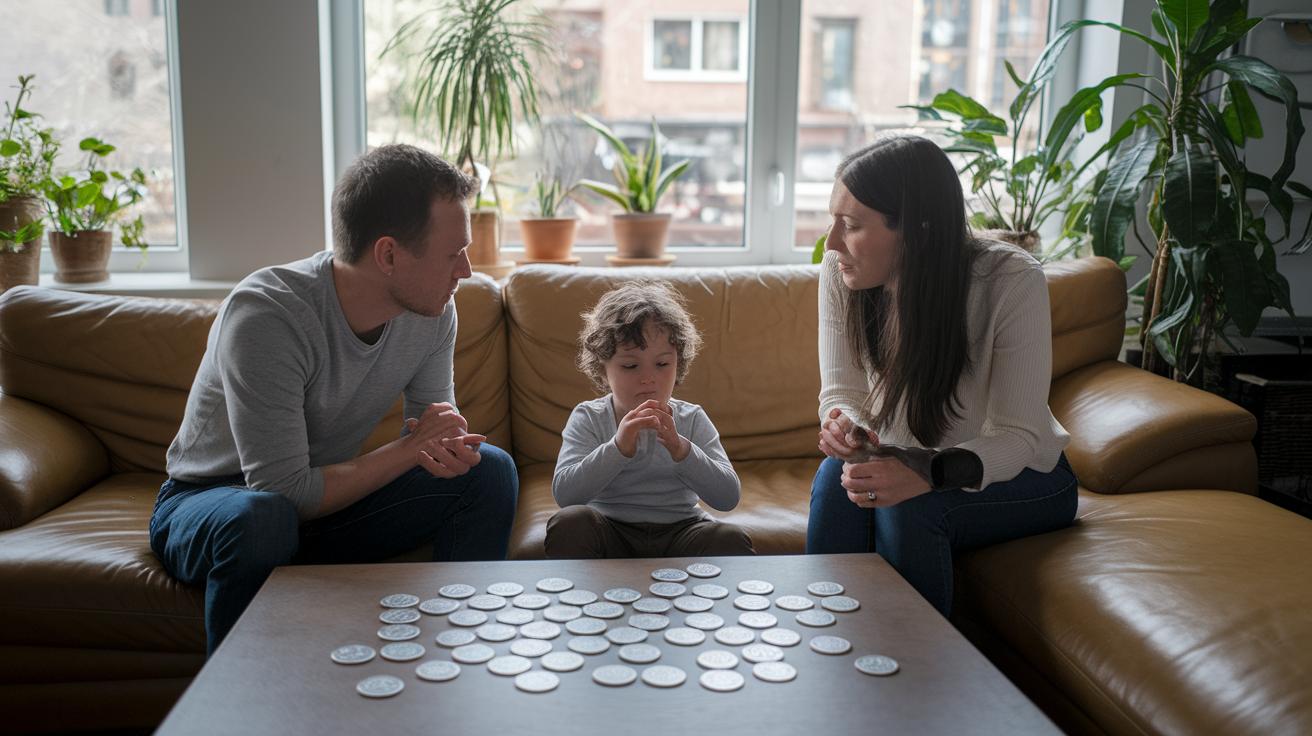
Positive discipline is all about setting clear rules while using gentle, consistent feedback instead of punishments. In our family chats, everyone gets the chance to share how they feel and what they need. This way, the home feels safe and caring. For instance, when you lay out clear expectations, use token systems like the Family Chip System or First Time Club, and offer praise right away for good choices, you build an atmosphere of trust and understanding. Showing calm behavior and speaking softly helps children learn to manage their feelings. Regular, relaxed coaching sessions give everyone a moment to talk about emotions and grow closer.
| Strategy | Age Range | Key Benefit |
|---|---|---|
| Family Chip System | All Ages | Simple rewards that work right away |
| First Time Club | Preschool, Toddler | Helps little ones follow rules with small tokens |
| Calm Modeling | All Ages | Shows kids how to stay calm by example |
| Coaching Sessions | Family | Fosters understanding and trust among everyone |
Having a steady routine along with kind, thoughtful feedback makes children feel secure. By keeping up with regular family practices and talking openly about behavior, families build both clear discipline and strong emotional bonds, helping kids learn how to handle life's little challenges.
Final Words
In the action, we explored a range of positive parenting techniques that support every stage of growth, from giving gentle hugs to setting clear, kind rules. We tapped into practical ways to boost independence, creativity, and social skills, while keeping discipline calm and caring. These parenting tips for child development can help build strong, confident children and a warm, supportive home. There’s beauty in each small step, and embracing these ideas can light up everyday moments with understanding and care. Keep nurturing, keep growing, and enjoy every cherished moment.
FAQ
What are parenting tips for child development pdf?
The parenting tips for child development in a PDF guide offer practical steps to support a child’s growth with clear rules, loving guidance, and engaging activities that you can refer back to as needed.
What are positive parenting tips for healthy child development?
The positive parenting tips for healthy child development emphasize nurturing emotional bonds, setting clear boundaries, using praise, and providing consistent routines that help your child build confidence and learn valuable skills.
What are some parenting tips for kids?
The parenting tips for kids suggest using engaging play, clear expectations, and affectionate guidance to support their growth, making learning fun while building a secure, supportive home environment.
What are the 5 parenting skills?
The five parenting skills include active listening, patience, clear communication, consistency in rules, and modeling desired behavior, all of which contribute to a nurturing family atmosphere.
What are parenting tips for teenagers?
The parenting tips for teenagers focus on open communication, understanding their need for independence, setting fair boundaries, and guiding them with empathy during a transformative stage of growth.
What are 10 parenting tips for preschoolers?
The ten parenting tips for preschoolers involve fostering creative play, establishing daily routines, using positive discipline, encouraging social skills, and celebrating small achievements to boost their development.
What are some parenting tips for new parents?
The parenting tips for new parents concentrate on gentle bonding, maintaining routines, showing physical affection, starting with simple guidance, and also taking self-care breaks to support your own well-being.
What are the 5 R’s of positive parenting?
The 5 R’s of positive parenting—Recognize, Respond, Respect, Reinforce, and Reflect—provide a simple framework that helps guide your interactions and build a trusting, respectful relationship with your child.
What is the 7 7 7 rule for parenting?
The 7 7 7 rule for parenting suggests spending seven minutes of quality time, offering seven positive comments, and giving seven loving touches each day, all designed to nurture your child’s emotional well-being.
What are the 4 C’s of positive parenting?
The 4 C’s of positive parenting—Care, Consistency, Communication, and Confidence—form a straightforward approach to creating a supportive environment that encourages your child’s healthy development.
What is the 70 30 rule in parenting?
The 70 30 rule in parenting recommends focusing 70% on reinforcing good behavior and 30% on providing constructive corrections, helping to build a positive relationship and maintain a balanced discipline approach.