Have you ever thought about how what you eat can change your pregnancy journey? Eating well gives you energy and helps your baby grow strong, too. Imagine a plate full of bright fruits, veggies, lean proteins, grains, and dairy (like milk or yogurt) that your body needs right now. In this article, we’re sharing simple, trusted nutrition tips for each trimester. Let’s explore how small, smart food choices can support you and your little one along the way.
Evidence-Based Maternal Nutrition Recommendations for Pregnancy
Eating well when you're pregnant gives you the extra energy you need, helps your baby grow, and keeps your body strong. A well-balanced diet along with your daily prenatal vitamin makes sure you get important vitamins and minerals. Think of your meals as a colorful plate of food, try to include fruits, vegetables, lean proteins, grains, and dairy, just as the MyPlate guide suggests.
Think of every meal as a step to caring for yourself and your growing baby. A helpful tip is to use the MyPlate guidelines. Picture half your plate filled with fruits and veggies, one quarter with protein, and the remaining quarter with grains. This simple visual can help you enjoy a mix of the nutrients your body needs during pregnancy.
Weight gain during pregnancy is different for everyone and often depends on your weight before you got pregnant. For example, if you were underweight, you might gain about 28 to 40 pounds. If your weight was normal, aim for 25 to 35 pounds. Overweight women may need 15 to 25 pounds, and those who are obese might aim for 11 to 20 pounds. These targets help support your baby's growth while keeping you healthy.
Always chat with your OB-GYN to get advice that fits your unique needs. Their guidance, along with trusted resources on a healthy maternal diet, gives you evidence-based support to feel your best during pregnancy and as you care for your little one.
Essential Nutrient Intake Recommendations by Trimester
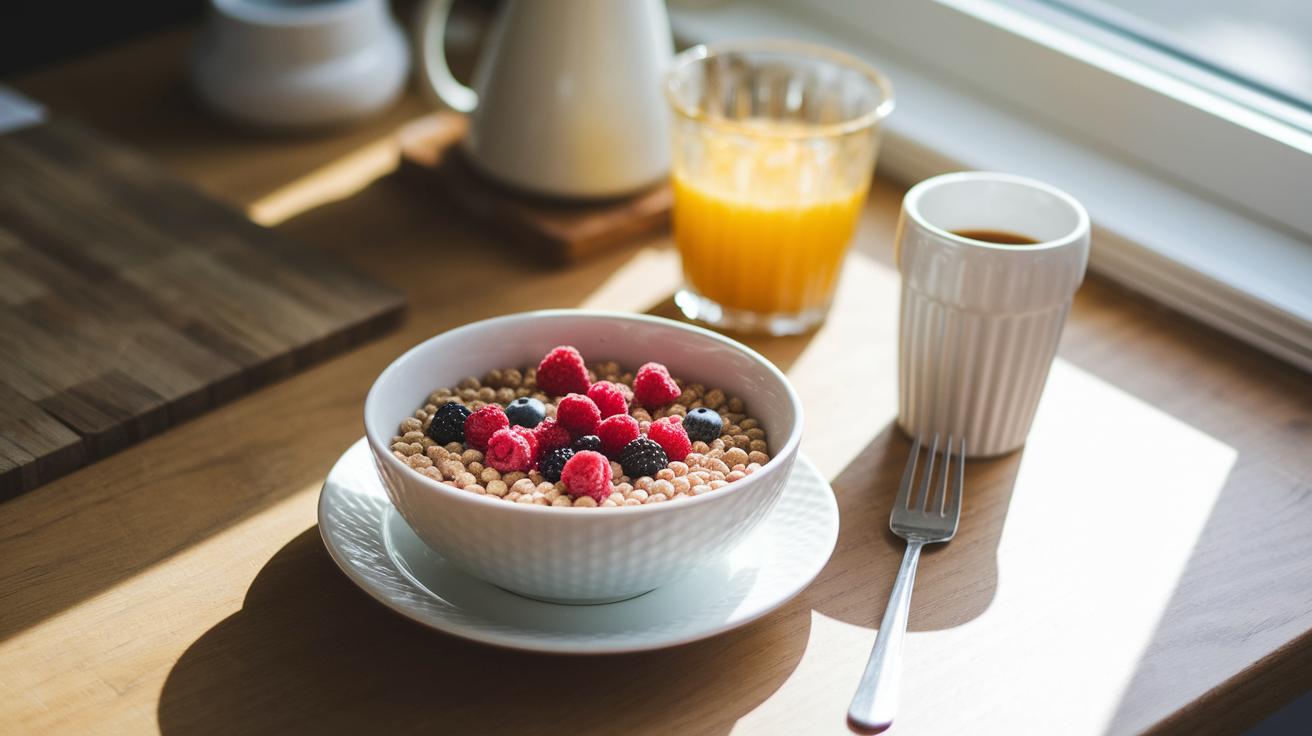
In the first trimester, getting the right nutrients is key to supporting your baby’s early growth. Try to have 400-800 mcg of folic acid each day to help prevent neural tube defects. Folic acid is a B vitamin (it helps with early development), and you can find it in fortified cereals or leafy greens. Imagine starting your morning with a warm bowl of fortified cereal sprinkled with berries – a simple, caring way to set a healthy tone for you and your little one.
In the second trimester, your body is busy building strong bones and teeth for both you and your baby. Aim for 1,000 mg of calcium each day and add 600 IU of vitamin D, too. Calcium-rich foods like dairy or those leafy greens work well, and vitamin D is like the gentle sunshine that helps those building blocks set firm. A glass of milk or a serving of yogurt at lunch can really make a difference.
By the third trimester, your needs shift again as your baby grows quickly. Try to get between 75-100 g of protein daily to support muscle and tissue growth, and include about 27 mg of iron each day – that’s twice the usual amount to boost hemoglobin and help prevent anemia. Lean meats, legumes, and spinach are great choices to meet your iron needs. Think about preparing a dinner with a serving of lean meat and a side of greens, a meal that not only fills you up but also provides a nurturing boost in these final, busy weeks.
Balanced Diet Tips and Healthy Meal Planning for Expecting Women
Imagine your meals arranged like a colorful, cheerful plate. The USDA MyPlate guide suggests that each day you enjoy around 2 cups of fruits, 2.5 cups of veggies, 6-8 ounces of grains, 5-6.5 ounces of protein foods, and 3 cups of dairy. This simple idea can help you plan three balanced meals and a couple of nutrient-rich snacks throughout the day.
Think of breakfast as a gentle wake-up call for your body. For example, you might enjoy a bowl of oatmeal mixed with fresh blueberries and a splash of milk – a warm, comforting boost to start your day. Later on, a mid-morning snack like a small bowl of Greek yogurt with berries can help keep your energy steady and your hunger at bay.
Planning ahead can make mealtimes a lot less stressful. Maybe try cooking lean proteins the night before or chopping vegetables over the weekend. That way, even on your busiest days, you can throw together a quick stir-fry or fresh salad without any fuss.
Eating every 3-4 hours can really help maintain your energy. You could even set a little alarm as a reminder to have a small snack, like hummus with crunchy veggie sticks. Mixing up your food choices throughout the day ensures you get a variety of vitamins and minerals, supporting both you and your baby during this wonderful time.
With a mindful meal plan, you're not just feeding your body, you’re also creating a gentle rhythm that nourishes both you and your little one.
Food Safety Protocols and Dietary Precautions during Pregnancy
We all want to keep our little ones safe, so it's best to steer clear of certain foods that might carry foodborne germs. For example, skip dairy that hasn't been pasteurized, raw seafood, and deli meats known for listeria risk. It also helps to avoid high-mercury fish like shark and swordfish. And when you rinse your fruits and veggies, picture it as giving them a gentle shower before they make it onto your plate, a small step that makes a big difference for you and your baby.
Keeping your blood pressure in check is just as important. Try to limit sodium to less than 2,300 mg each day by swapping salty snacks for fresh herbs or spices that brighten your meals naturally. If you’re looking for gluten-free options, familiar staples like rice, quinoa, and fortified gluten-free cereals are great choices. And when possible, choose organic produce to lessen your exposure to pesticides, a simple, natural upgrade for your diet on this special journey.
Maternal nutrition guidelines during pregnancy: Thrive
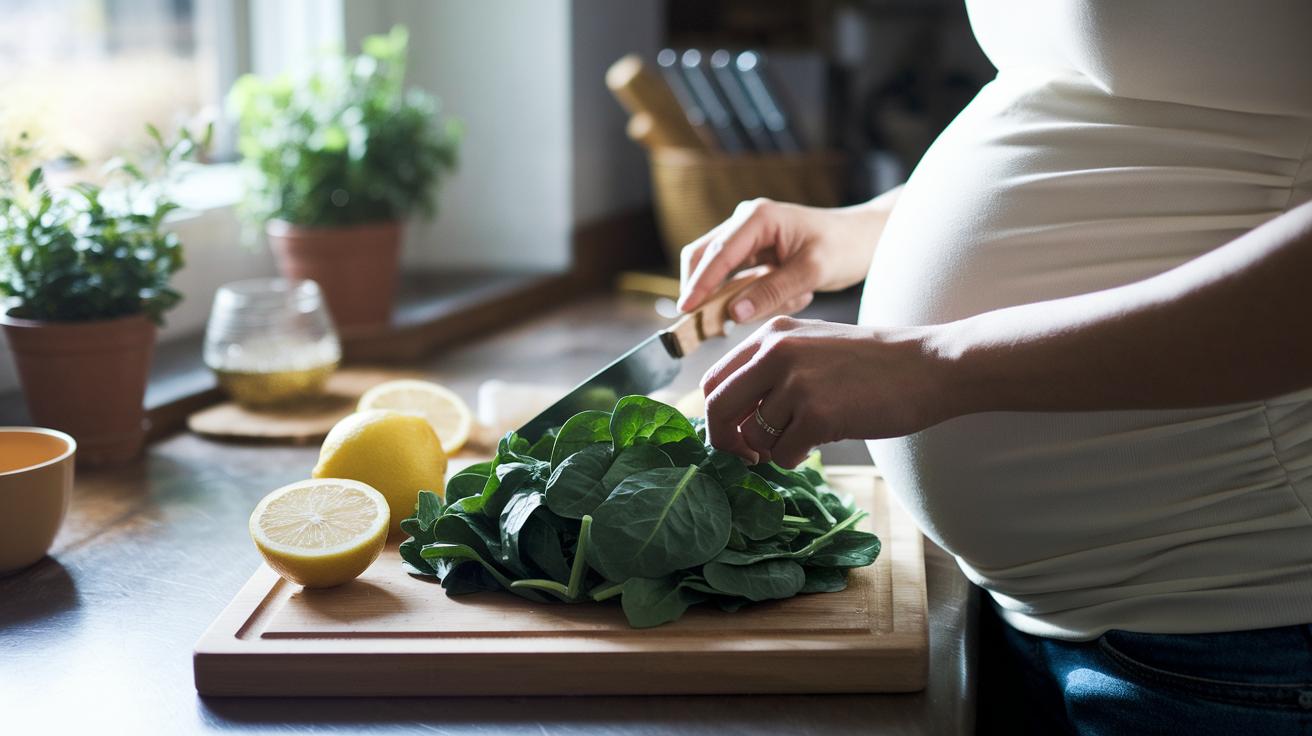
Taking care of your nutrition while dealing with the everyday worries of pregnancy can really help you feel more steady and in charge. For example, try mixing iron-rich foods like spinach or red meat with a vitamin C booster such as a squeeze of citrus or a few bell peppers. Picture a warm spinach salad drizzled with lemon juice, a little change that can make a big difference in keeping anemia at bay.
When managing gestational diabetes, it’s helpful to choose low-glycemic foods like whole grains or legumes. Spreading your carbohydrate intake evenly throughout the day can keep your blood sugar steady, which not only supports your energy but also helps your overall health shine.
Here are some simple tips to keep in mind:
- Try to get about 25–30 grams of fiber each day by adding fruits, vegetables, and whole grains.
- Pick whole, unprocessed foods to help your body balance insulin on its own.
- Enjoy small, nutrient-rich meals every few hours to help keep your energy up.
Small, frequent meals might even help ease nausea. You might find yourself reaching for a warm cup of ginger tea during those uneasy moments, transforming a daily habit into a comforting ritual. Every little choice, from planning your meals to selecting that perfect snack, plays a part in supporting your body’s unique needs during pregnancy.
Role of Nutritional Supplements and Professional Guidance in Prenatal Care

Taking your daily prenatal vitamin is a simple way to fill in gaps in important nutrients like folic acid, iron, calcium, and vitamin D. It helps both you and your baby, especially during the early days of pregnancy. Think of it like watering a garden to help it bloom beautifully.
Adding 200 to 300 mg of DHA, an omega-3 fatty acid that supports brain growth, can be a great boost. Imagine mixing a yummy smoothie with a touch of DHA-rich supplement powder, a small step that adds a nurturing touch to your routine.
Staying well hydrated is also a key part of good prenatal care. Try to drink 8 to 10 cups of water a day to keep your amniotic fluid balanced and to avoid dehydration. Picture yourself taking a refreshing sip of water on a busy afternoon, a little moment to recharge.
And remember, it’s always a smart idea to check with your healthcare provider before starting any herbal supplements or high-dose vitamins. They can guide you in making choices that are safe and right for you. For more details on choosing the best prenatal vitamins, see prenatal care vitamins.
Final Words
In the action, this article showed clear ways to eat well, stay safe, and feel confident about the changes your body experiences now. We covered balanced diets, essential nutrient intake by trimester, and practical meal ideas to support you along the way. With detailed tips on food safety and smart supplement choices, you can confidently follow maternal nutrition guidelines during pregnancy. Remember, every step you take makes a difference for your health and your baby’s growth. Stay positive and keep nurturing yourself.
FAQ
What are the nutritional requirements during pregnancy?
The nutritional requirements during pregnancy include a balanced diet with extra calories, key vitamins like folic acid, calcium, vitamin D, and iron. Following guidelines such as USDA MyPlate and consulting your OB-GYN is advised.
What essential nutrients are needed during pregnancy?
The essential nutrients during pregnancy are folic acid to prevent neural tube defects, calcium for bone support, vitamin D for overall health, and iron to meet increased blood volume demands.
What foods should be avoided during pregnancy?
Foods to avoid during pregnancy include unpasteurized dairy, raw seafood, deli meats, and high-mercury fish. Steering clear of these helps reduce infection risks and harmful mercury exposure.
What are the CDC and USDA nutrition guidelines for pregnancy?
The CDC and USDA recommend a balanced diet with defined food portions, regular prenatal vitamin use, and weight monitoring. These guidelines help support fetal growth and maintain maternal health.
What is a recommended nutritional guideline for pregnancy?
A recommended guideline involves structured meals based on USDA MyPlate, including balanced meals with nutrient-dense snacks and a daily prenatal vitamin to secure essential nutritional benefits.