
Have you ever thought about how the food you eat can affect both you and your baby? Eating right when you're pregnant isn’t just about feeling full, it gives your body the tools to grow strong and healthy. Foods like lean meats, fresh fruits, and colorful vegetables each have a special job in keeping you well.
In this article, we'll chat about the key nutrients that help boost your energy and support your baby's development. Let's explore the simple secrets to a balanced, nourishing diet made just for this special time.
Nutrients essential for healthy maternal nutrition: Thrive
When you're expecting, every bite really matters for both you and your baby. You might need about 300 extra calories each day, so filling your plate with proteins, whole grains, fruits, and vegetables is key. Every food group is like a puzzle piece, coming together to form a balanced picture.
Protein is a real superstar at this time. It helps build new tissues for your baby and supports your own growth. Picture a plate with grilled chicken, quinoa, and greens, it’s not just about protein; it’s packed with vitamins and minerals too. Mixing in foods from different groups helps you meet your energy needs and keep your body nourished.
Eating right during pregnancy also means cutting back on too much caffeine and processed snacks. Fresh, nutrient-rich foods keep your energy steady and support a healthy weight gain. It’s all about choosing real, whole foods that make you feel good inside and out. For more details, you can check out the maternal diet and wellness guidelines at https://womensconference.org?p=11209.
Imagine breaking your meal into small, easy portions, each bite helping both you and your baby thrive. Little changes, like swapping a sugary snack for a juicy fruit, can really brighten your day and make a big difference as you journey through pregnancy.
Protein Requirements in Maternal Nutrition
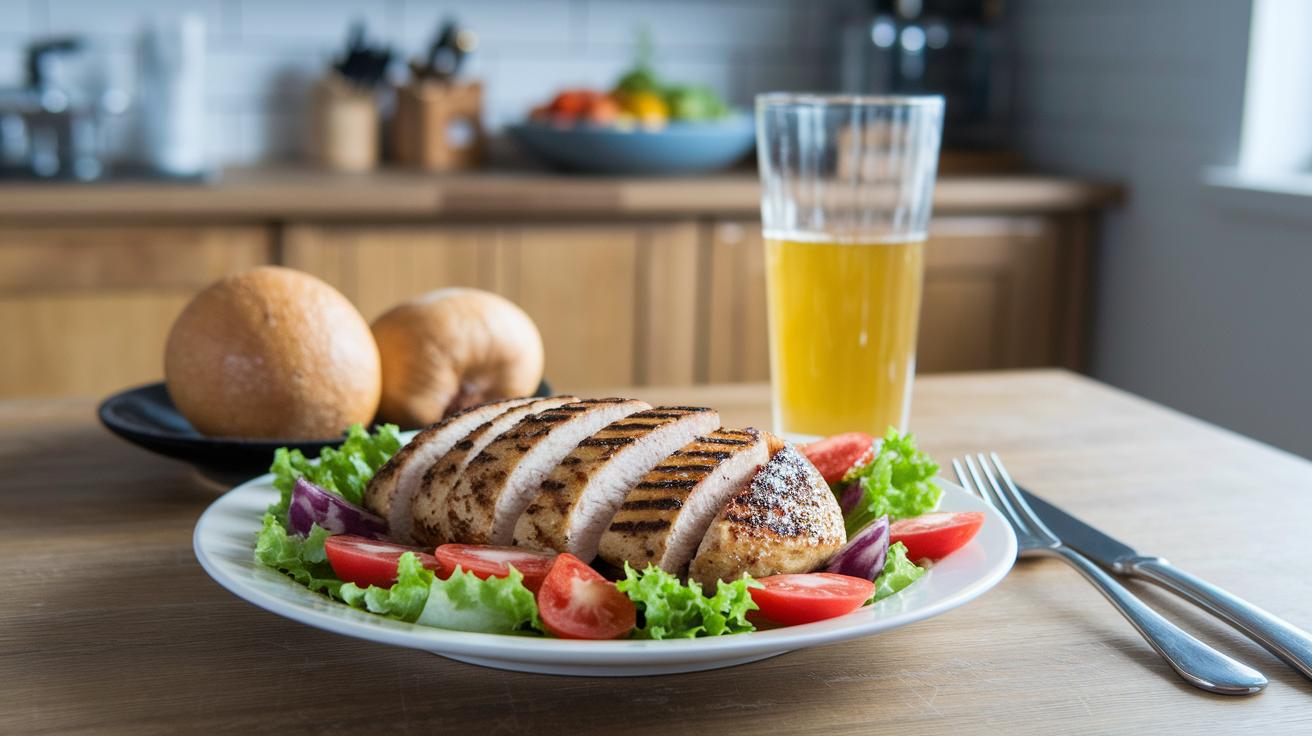
Protein is a real workhorse during pregnancy. It helps build your baby’s body, from developing tissues to a growing brain, and even supports the changes in your breasts and uterus. Think of it as the basic material your body uses to adjust during these special months.
You need protein to make up about 10–35% of your daily calories. That means each meal and snack should have a bit of protein to help both you and your baby grow healthily. Some great choices include lean meats, poultry, fish, legumes, eggs, and dairy.
Imagine tossing grilled chicken onto a fresh salad for dinner, this simple swap gives you quality protein and boosts your baby’s brain development. Whether you enjoy a hearty omelet at breakfast or a serving of beans at lunch, mixing up your protein sources can really support all the changes happening in your body.
Really, protein is a must-have during this amazing journey.
Essential Micronutrients for Prenatal Nutrition: Folate, Iron, Calcium, and B Vitamins
Taking care of your nutrition while pregnant means focusing on a few important micronutrients that keep you and your baby healthy. Folate (also called folic acid) is key for preventing problems with your baby's brain and spine, like spina bifida. Experts suggest getting about 400 to 800 mcg each day. Think of folate as a tiny helper that works quietly in the background, like adding an extra brick to build a strong home.
Iron helps your body make more blood so that both you and your baby get all the oxygen you need. It works with other minerals like sodium and potassium to keep your body’s fluids in balance. Foods like lean red meat, spinach, and fortified cereals are great sources. Imagine preparing a meal with a fresh spinach salad and some lean meat, a simple boost to keep you energized.
Calcium is another must-have nutrient. A daily goal of about 1,000 mg helps build your baby’s bones and teeth and keeps your own bones strong. You can find calcium in dairy products, fortified plant milks, and leafy greens. A glass of milk or a bowl of yogurt is an easy and tasty way to meet your needs.
B vitamins, including B6, B12, and riboflavin, join forces to turn food into energy and help produce red blood cells. They keep your energy levels stable as your body adjusts to the extra demands of pregnancy. Foods like eggs, dairy, and lean meats can help you get a balanced dose of these important vitamins.
Each of these nutrients plays a special role in supporting the changes in your body and your baby’s growth, making your journey a little easier and healthier.
Omega-3 Fatty Acids and Healthy Fats in Maternal Nutrition
Long-chain omega-3 fatty acids like DHA and EPA are key building blocks for your baby's brain and eyes. Experts say aiming for 200–300 mg of DHA each day can really help with your baby’s brain and eye growth. Imagine enjoying a plate of grilled salmon or sardines and knowing you're giving your little one a healthy start, it’s that simple.
Healthy fats also help your body take in vitamins and keep your diet balanced. Experts recommend that fats make up about 20–35% of your daily calories, mostly from good mono- and polyunsaturated fats. Think of foods like walnuts and flaxseeds as little powerhouses that boost your energy and supply these essential fats.
Here's a handy tip: when you're putting together dinner, try swapping processed snacks for a handful of walnuts tossed into your salad. This small change not only adds nourishing fats but also supports your baby’s growth. Enjoying safe fish like trout or sardines can help you meet your omega-3 goals, and plant-based sources add a delightful mix of nutrients.
Focusing on healthy fats supports your baby’s developing brain while also caring for your overall well-being during these special months.
Carbohydrates, Fiber, and Hydration in Maternal Nutrition
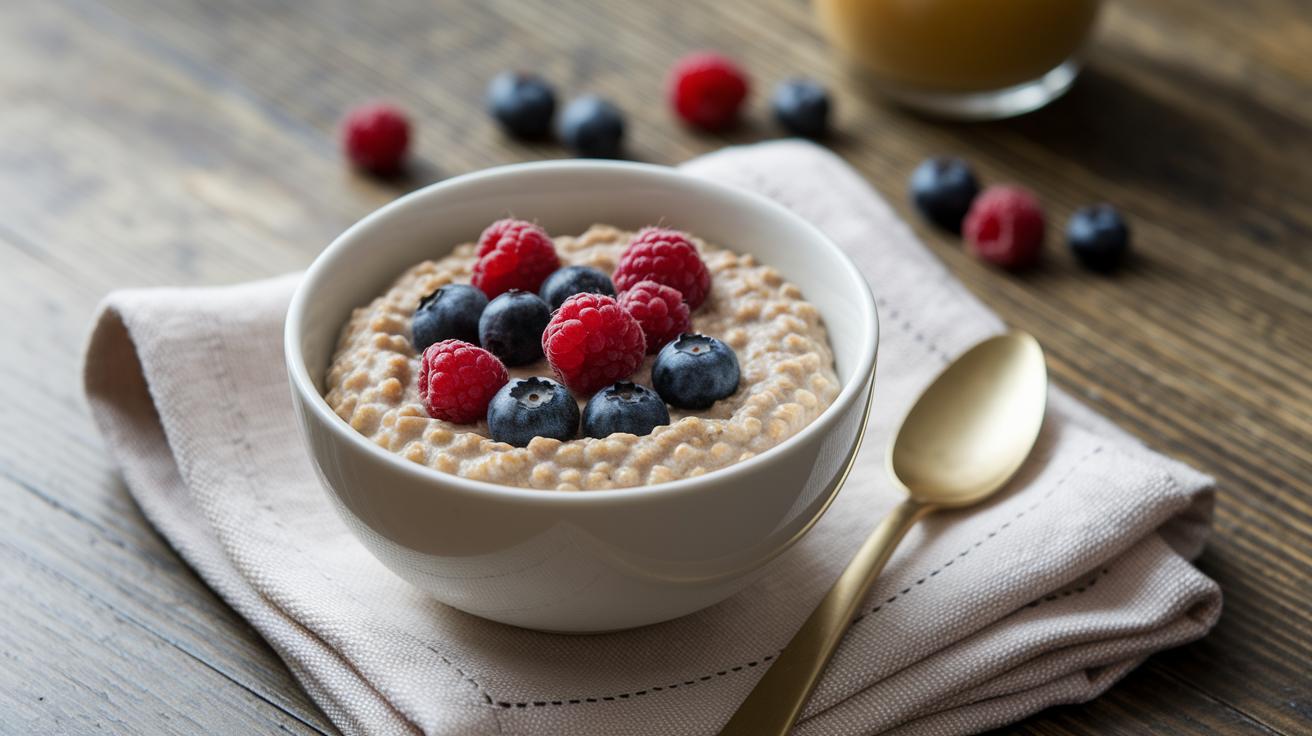
When you're pregnant, choosing whole grains, legumes, and vegetables is like giving your body a steady, reliable fuel. These foods offer the lasting energy and important vitamins that support both you and your baby. Imagine starting your day with a warm bowl of oatmeal topped with fresh berries, a simple, comforting meal that keeps you going throughout the morning.
Fiber is also a key player during pregnancy. Aim for about 25 to 30 grams each day to help your tummy work smoothly. It can ease the discomfort of constipation, which many moms face. Think of tossing a handful of chopped veggies into your salad or stirring some legumes into your soup. These small changes add up and really help keep things moving.
Staying hydrated is equally important. Drinking around 8 to 12 cups of water daily helps maintain healthy amniotic fluid levels and supports the extra blood volume in your body. Picture water as a gentle stream that soothes every cell, making your daily routine feel a little easier and much more comfortable.
Practical Prenatal Nutrition Planning and Supplement Guidance

Getting started on your prenatal meal plan means understanding your body's unique needs. Chat with your doctor to create a plan that looks at your age, weight before pregnancy, past health, and any challenges like nausea or changes in food preferences. A plan made just for you that stays flexible can help you hit your nutrition targets plus that extra 300 calories every day.
It’s a good idea to include a mix of nutrient-rich foods in every meal and snack. Try to add lean proteins, whole grains, fruits, and vegetables into your daily routine. Even small tweaks, like tossing some leafy greens into your dinner, can really help cover any missing nutrients.
If you find it tough to get all you need from food alone, prenatal supplements can be a big help. They provide extra folate, iron, calcium, and vitamin D. For tips on choosing the right ones, check out these prenatal care vitamins (https://womensconference.org?p=10823).
- Tailor your meal plan to ease any issues like nausea or food aversions.
- Keep track of your weight gain using targets based on your pre-pregnancy BMI. For example, aim for 28–40 pounds if you were underweight, 25–35 pounds for normal weight, and 15–25 pounds if you were overweight.
- Watch for unusual cravings, like pica, and don't hesitate to reach out for professional advice if something feels off.
This simple approach gives you a clear path to enjoying the right nutrients while managing healthy weight gain during your pregnancy.
Final Words
In the action, we took a look at how a balanced diet supports both mom and baby. We shared tips on adding protein, essential vitamins, healthy fats, carbohydrates, and proper hydration into your daily routine. We explored ways to plan meals that meet increased energy needs and guide safe weight gain. All these strategies can help boost Nutrients essential for healthy maternal nutrition. Small adjustments at home can make a big difference, leaving you feeling confident and empowered every day.
FAQ
Q: What should a 1‑3 month pregnancy diet plan include?
A: A 1‑3 month pregnancy diet plan includes balanced meals with fruits, vegetables, lean proteins, whole grains, and plenty of water to meet increased energy needs for both mother and baby.
Q: What are the nutritional requirements during pregnancy and lactation?
A: Nutritional requirements during pregnancy and lactation involve added calories and a mix of essential nutrients like protein, folate, iron, calcium, and omega‑3 fats that support fetal growth and maternal recovery.
Q: Why is proper nutrition important during pregnancy?
A: Proper nutrition during pregnancy supports both maternal health and baby’s development, ensuring that extra energy and key nutrients are available for growth and improved well-being.
Q: Which essential nutrients and vitamins should a pregnant woman focus on?
A: A pregnant woman should focus on essential nutrients including protein, folate, iron, calcium, B vitamins, and omega‑3 fatty acids to support fetal development and maintain her own health.
Q: Which nutrient is most crucial for a mother after childbirth?
A: After childbirth, protein and iron become crucial as they help repair maternal tissues and replenish blood loss, aiding in a smoother recovery.
Q: What foods should be avoided during pregnancy?
A: During pregnancy, it’s best to avoid high-caffeine drinks, unpasteurized dairy, fish high in mercury, and heavily processed foods to minimize risks and support optimal health.
Q: How can maternal nutrition be increased effectively?
A: Maternal nutrition can be increased by adding nutrient-dense foods to every meal, following balanced meal plans, and using prenatal supplements as advised by a healthcare provider.