
Have you ever noticed that every bite you take might brighten your pregnancy journey? A balanced diet turns each meal into a little burst of nourishment for both you and your baby. Most days, you’ll need about 2,000 calories, with a bit more as you get closer to delivery.
Imagine your plate as a vibrant work of art where fruits, veggies, grains, and proteins come together to lift your energy and support your baby’s growth. In this post we chat about simple, everyday food choices that help pave the way for a future filled with good health and bright moments.
Balanced diet for expecting mothers: Radiant nutrition awaits
Eating a balanced prenatal diet is all about enjoying the five main food groups to help both you and your baby thrive. Most days, you need about 2,000 calories, and in the third trimester, you’ll need an extra 200 calories. Picture your plate as a palette filled with bright, healthy colors – each color shows off a different food group working together to give you the nourishment you both need.
Try to have at least five servings of fruits and veggies each day. Include starchy foods like bread, rice, pasta, and potatoes, which should account for just over a third of your daily meals. And don’t forget your water – staying well-hydrated is key during pregnancy. This simple routine not only boosts your energy but also helps your baby grow strong.
If you’re looking for more guidance, checking out the Maternal Diet and Wellness Guidelines can be really useful. This advice is designed to balance your calories, vitamins, and minerals so every bite adds to a healthier future for you and your little one. Embrace a balanced diet and let radiant nutrition light your way through this special journey.
Essential Nutrients in a Prenatal Balanced Diet
Eating well when you're expecting is all about giving yourself and your little one the best start. It means choosing foods that pack a punch of essential nutrients like folic acid, iron, calcium, vitamin D, and omega-3 fatty acids. These help your baby’s brain and body grow and also keep your energy and bones strong.
Protein is another key player. Try out beans, lentils, and lean meats to help build and repair your body’s tissues. And hey, if you love eggs, know that British Lion eggs are safe even when a bit runny – they make a tasty, protein-packed choice. Aiming for two servings of fish a week, with one of them being an oily fish like salmon, sardines, or mackerel, can give you that extra boost of omega-3s for a healthy pregnancy.
If you stick to a plant-based diet, be sure to find a good source of vitamin B12 since that usually comes from meat. Whole grains and legumes are also great, as they add fiber to help keep digestion smooth, especially when dealing with common pregnancy constipation. Imagine a warm bowl of lentil soup mixed with brown rice – comforting, filling, and full of the good stuff.
Sometimes your healthcare team might suggest prenatal vitamins if you aren’t getting enough nutrients from food alone. Every meal you enjoy is a small step toward building a healthy future for you and your baby. So, mix in plenty of colorful fruits, leafy greens, and lean proteins every day, and know that you’re nurturing both your body and your baby during this special time.
Crafting a Healthy Pregnancy Meal Plan with Balanced Portions
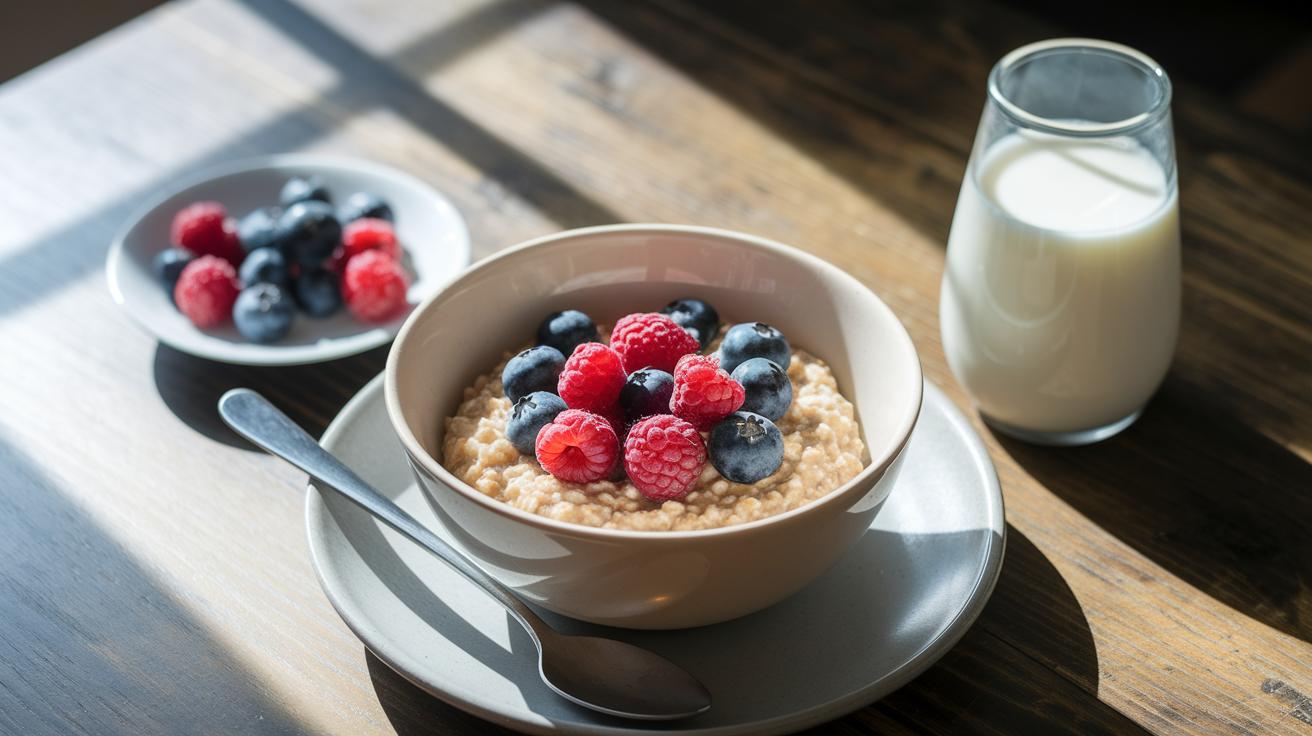
When you're expecting, it really helps to have a simple plan for your meals. Think of your day as having three main meals, breakfast, lunch, and dinner, with a couple of small snacks in between to keep your energy steady. Imagine waking up to a warm bowl of oatmeal sprinkled with fresh berries and a splash of fortified plant milk. That first spoonful wraps you in caring nourishment and gives you the boost you need to begin your day.
For your main meals, try to fill just over a third of your plate with starchy foods like bread, rice, pasta, potatoes, or grains. This helps bring energy for both you and your little one. Picture a plate where lean protein, maybe some grilled chicken or eggs, sits beside a generous helping of mixed veggies and a side of your favorite carbohydrate. This easy mix keeps every meal interesting while making sure you're getting all the important nutrients.
Snacks are little lifesavers too. You might enjoy a piece of fruit with a small handful of nuts, a slice of whole-grain toast with a creamy avocado spread, or even plain yogurt with a sprinkle of granola. These snacks not only quiet hunger but also add extra fruits and veggies into your day, aiming for at least five portions overall.
One great idea is to set up a meal plan for the week. Jot down your meal times and list the food groups you want to include for each meal. For example:
| Meal | Food Focus | Example |
|---|---|---|
| Breakfast | Whole grains, fruit, dairy/plant milk | Oatmeal with berries and almond milk |
| Lunch | Protein, vegetables, starchy food | Grilled chicken sandwich with salad |
| Snack | Fruit and nuts | Apple slices with a few almonds |
This planning trick not only helps you mix things up but also guides you away from heavily processed foods, keeping your diet both balanced and comforting for you and your baby.
Incorporating Nutritious Foods and Pregnancy Superfoods
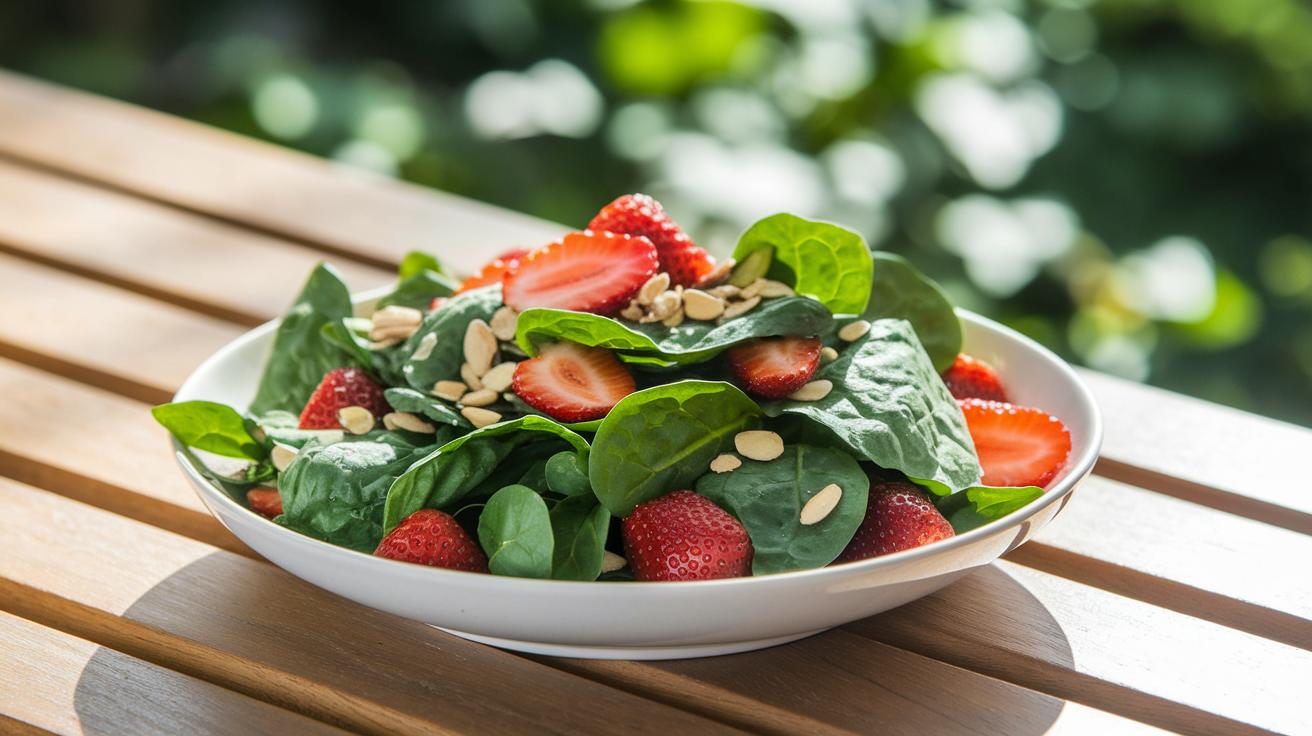
Think of each meal as your own colorful canvas where nutrient-packed superfoods shine. For example, berries, leafy greens, nuts, seeds, sweet potatoes, and avocados add antioxidants, good fats, and fiber to every plate. Imagine a fresh salad with spinach, sliced strawberries, and a few almonds – it’s like tasting a little bit of sunshine in every bite.
Legumes like chickpeas boost your daily dose of plant-based protein and iron, which are great for both you and your baby. Eggs come loaded with choline and vitamin B12, making them a quick scramble or a handy boiled snack. And a small serving of oily fish such as salmon gives you essential DHA (a healthy fatty acid) for your baby’s brain development.
Dairy or fortified plant milk offers that extra calcium and vitamin D for building strong bones and teeth. Using seasonal produce not only saves money but also brings fresh, nutrient-rich flavors into your meals. Consider a bowl of mashed sweet potatoes mixed with leafy greens, a comforting, wholesome dish that’s easy to switch up day by day.
Small changes like these can turn every mealtime into a delightful moment that nourishes both your body and your spirit.
Food Safety and Dietary Restrictions for Expecting Mothers
It’s so important to watch what you eat while you’re expecting to help keep both you and your little one safe and healthy. Some foods may carry bacteria or toxins that can cause tummy troubles, so it's best to steer clear of raw milk cheeses, unpasteurized dairy, deli meats, and raw sprouts. For instance, if you love cheese, look for ones that say they’re made with pasteurized milk, a small change that can make a big difference.
Make sure your eggs are fully cooked unless they have a British Lion stamp (that means they’re safe even if a bit soft). And when it comes to seafood, try to avoid fish that are high in mercury like shark, swordfish, or king mackerel. Instead, enjoy safer choices like salmon or sardines, which are not only delicious but also much kinder for your baby.
Keeping your kitchen clean is another simple way to look after yourself. Washing your hands before you start cooking, wiping down surfaces, and storing leftovers at the right temperature can help ward off common infections like listeria, salmonella, or toxoplasmosis. It doesn’t take long, and the peace of mind is well worth the effort!
If you find yourself dealing with a bout of persistent vomiting or really severe nausea, it might be time to have a quick chat with your healthcare team. They can give you ideas for a diet that feels good and works for you. And when it comes to drinks, keep it simple with water or milk, steer clear of alcohol and sugary beverages to support your baby’s healthy development.
By making thoughtful food choices and preparing your meals safely, you're taking a loving, proactive step to keep both you and your little one safe and supported every day.
Scheduling Balanced Prenatal Meals and Snacks
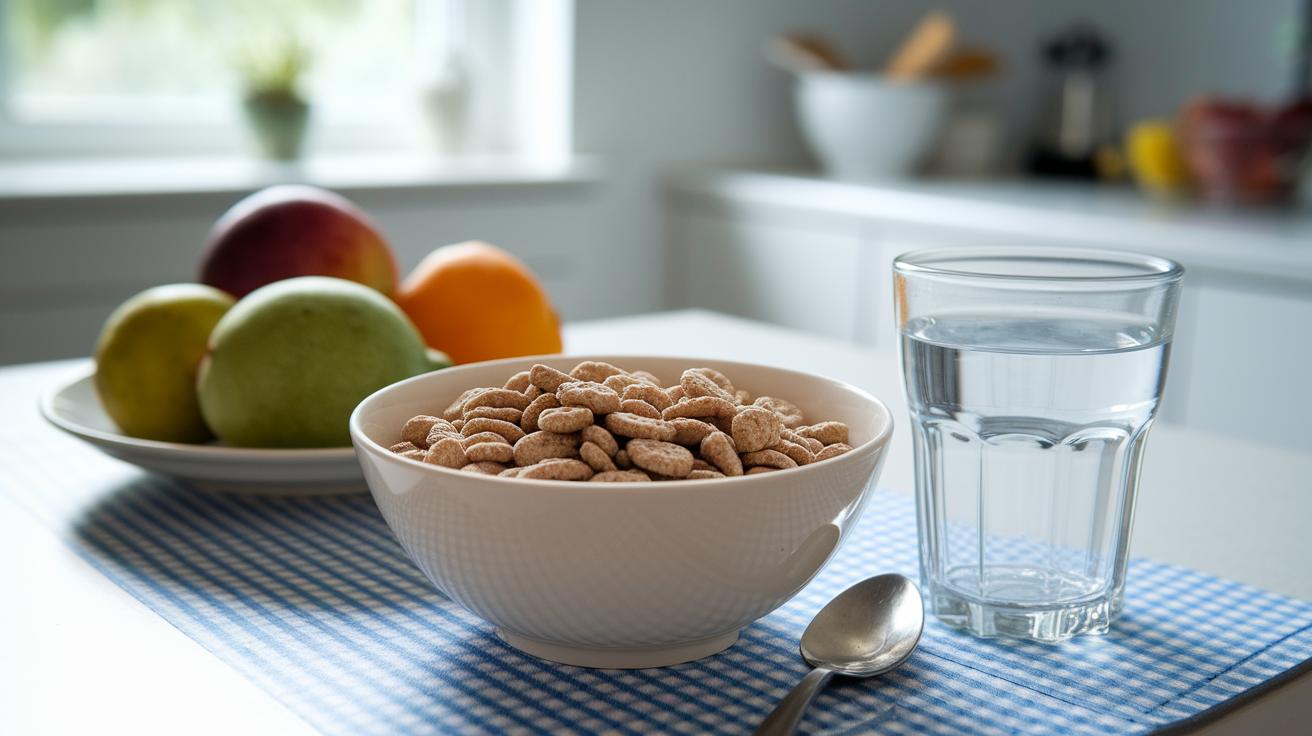
Plan to have a meal every three to four hours. For instance, start your day with a bowl of whole-grain cereal paired with fresh fruit and a glass of water, and enjoy a snack later like a small cup of plain yogurt with a sprinkle of granola.
Include fruits, whole grains, or even a slice of whole-grain toast with a bit of cheese in your meals. These fiber-rich choices can help keep your energy level steady, especially when your appetite might change.
Make sure you sip water throughout the day to stay well hydrated. This simple habit supports your body, especially as your needs grow in the later months.
Try to control your portions by spreading small meals over the day. You might find it helpful to write down the times you plan to eat, so you remember to stick to your schedule.
| Meal | Suggestion |
|---|---|
| Breakfast | Bowl of whole-grain cereal, fresh fruit, and water |
| Snack | Plain yogurt with a sprinkle of granola |
Final Words
In the action, we dove into clear steps for nourishing both mom and baby. We broke down nutritious choices, from key nutrients like iron and folic acid to practical meal plans that keep energy up. We also talked about how to safely select foods and manage balanced portions throughout the day.
This guide shows that simple changes can lift your well-being. Every meal matters for a balanced diet for expecting mothers, helping you feel confident and cared for. Enjoy each bite and take comfort in the steady support of wise nutrition.
FAQ
Frequently Asked Questions
Q: What does a balanced diet for expecting mothers week by week include?
A: A week-by-week balanced diet for expecting mothers keeps meals varied across all five food groups, adjusts calorie intake as pregnancy progresses, and supplies essential nutrients for both maternal health and fetal growth.
Q: What does a 1 to 3 month pregnancy diet chart look like?
A: A 1 to 3 month pregnancy diet chart focuses on nutrient-dense foods such as fruits, vegetables, whole grains and lean proteins, which help support early fetal development and ease morning sickness.
Q: How does a balanced diet for expecting mothers meal plan work?
A: A balanced meal plan for expecting mothers typically includes three main meals plus two to three snacks, combining starchy carbohydrates, lean proteins, fruits, vegetables, and dairy to meet energy and nutrient needs daily.
Q: What does a balanced diet for expecting mothers during the first trimester involve?
A: A balanced first trimester diet centers on foods rich in folic acid, iron, and other key nutrients, including fruits, vegetables, whole grains, lean proteins, and dairy to support early fetal development.
Q: What pregnancy foods should be avoided?
A: Pregnancy foods to avoid include unpasteurized dairy, deli meats, raw sprouts, soft cheeses from unpasteurized milk, and high-mercury fish like shark and swordfish to prevent health risks.
Q: What do NHS guidelines say about a balanced diet for expecting mothers?
A: NHS recommendations advise expectant mothers to eat a variety of nutritious foods, meet increased calorie needs with smart choices, and minimize risky foods to maintain both maternal well-being and fetal health.
Q: What should one eat during pregnancy to have a beautiful baby?
A: To have a beautiful baby, a pregnancy diet should feature folic acid, omega-3 fatty acids, iron, and calcium from fruits, vegetables, lean proteins, oily fish, and dairy, supporting healthy growth and development.
Q: What does a 4 to 6 month pregnancy diet chart consist of?
A: A 4 to 6 month pregnancy diet chart should include balanced portions of fruits, vegetables, whole grains, lean proteins, and dairy, adapting to changing energy needs and supporting ongoing fetal growth.
Q: What is a balanced diet for a pregnant woman?
A: A balanced diet for a pregnant woman means including a mix of fruits, vegetables, whole grains, lean proteins, and dairy to provide essential calories and nutrients for both mother and baby.
Q: What is a healthy daily routine for a pregnant woman?
A: A healthy daily routine for a pregnant woman involves regular, scheduled meals every few hours, staying well-hydrated, getting enough rest, and engaging in gentle physical activity for overall well-being.
Q: What are the dietary guidelines for pregnant mothers?
A: Dietary guidelines for pregnant mothers recommend eating a variety of nutrient-rich foods, controlling portions, staying hydrated, and following established nutritional targets to support maternal and fetal development.
Q: What should be the first thing a pregnant woman eats in the morning?
A: The first breakfast should be a nutrient-packed option like whole grains with protein or fruit with yogurt to provide steady energy and essential nutrients after an overnight fast.