Have you ever stopped to think if your meals really support your changing body? It’s like having a secret recipe for feeling cared for and full of energy every day.
Imagine planning meals that mix lean proteins, good fats, whole grains, and a colorful variety of fruits and veggies. A simple swap, like enjoying a warm bowl of oatmeal with berries, can make a big difference for you and your little one.
Ready to see how a few small tweaks in your meal plan can brighten your day?
Crafting a Balanced Maternal Meal Plan
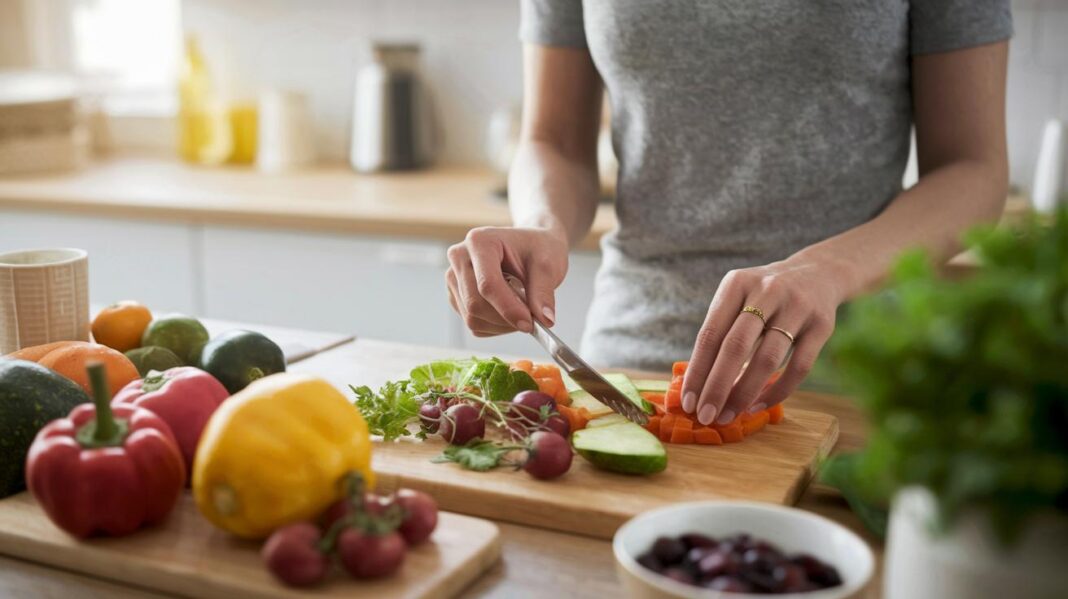
A balanced maternal meal plan brings together protein, healthy fats, whole grains, and a rainbow of fruits and veggies to give you energy and important nutrients. This mix, featuring items like iron, calcium, folic acid, vitamin D, magnesium, and omega-3 fatty acids, helps your changing body and supports your baby’s growth. For example, imagine starting your day with a warm bowl of oatmeal topped with juicy berries and a side of scrambled eggs; it’s a lovely way to pack in vitamins and protein.
Lean proteins like chicken, fish, and beans work hard to build up your body, while whole grains and fruits add helpful fiber and natural vitamins to keep your digestion happy. Most of the foods you loved before pregnancy can still be enjoyed, although you might need a little extra here and there as you move through each trimester. It's like giving yourself a tiny boost, a bit more veggies or an extra slice of whole grain bread, to stay energized and nourished.
Planning your meals on a weekly grid can really lighten your load. By setting up three hearty meals and two healthy snacks each day, you can keep your nutrient intake steady. Imagine the peace of mind knowing your meals are already taken care of, letting you focus on what truly matters: caring for yourself and your little one.
Essential Nutrients for Maternal Meal Planning

When you're expecting, feeling good is all about feeding your body the right mix of vitamins and minerals. Each nutrient helps keep your energy up, supports your baby’s growth, and makes sure you stay well. For example, iron helps boost your blood so you have that extra pep in your step, while calcium (together with vitamin D) works to build strong bones for you and your little one. Folic acid, magnesium, and omega-3s are also important. They help your cells grow, keep your muscles and nerves working right, and even support your baby’s brain. Adding these key nutrients into your meals can help you feel steady and refreshed all day long.
| Nutrient | Daily RDA | Main Food Sources |
|---|---|---|
| Iron | 27 mg | Lean beef, spinach, lentils |
| Calcium | 1000 mg | Yogurt, fortified milk, kale |
| Folic Acid | 600 mcg | Leafy greens, fortified cereals |
| Vitamin D | 600 IU | Fatty fish, fortified dairy |
| Magnesium | 350 mg | Whole grains, almonds |
| Omega-3s | 200–300 mg | Salmon, chia seeds |
Trying different, nutrient-packed foods throughout your day keeps your meals fun and helps adjust if you crave something new. Mix your tried and true favorites with some new recipes that include lean proteins, dairy, fruits, and veggies. This way, you can easily hit your daily nutrient goals while enjoying each bite. And honestly, switching up your meals isn’t just healthy, it keeps things interesting and supports your unique journey during this special time.
Structuring Daily Schedules for Maternal Nutrition
Planning your day with three meals and two snacks can help keep your energy steady. A regular routine gives your body the nourishment it needs, just like a well-balanced breakfast with protein and whole grains gently wakes you up, kind of like that boost from a power-packed smoothie.
Listen to your body and set your meal times to match how you feel. When you’re bright-eyed in the morning, try enjoying foods that give you extra energy. Maybe switch your usual snack for a burst of fresh fruit and feel that little lift carry you through the day.
Keep a water bottle handy and add water-rich foods like cucumbers or watermelon to your meals. This simple habit makes staying hydrated feel natural, keeping you refreshed through your busiest hours.
Finally, take a moment to enjoy each bite. Sit down, chew slowly, and let your mind relax, almost like sitting through a comforting meal with a dear friend. This mindful eating helps your digestion and eases your stress.
Meal planning tips for maternal nutrition: Feel Great
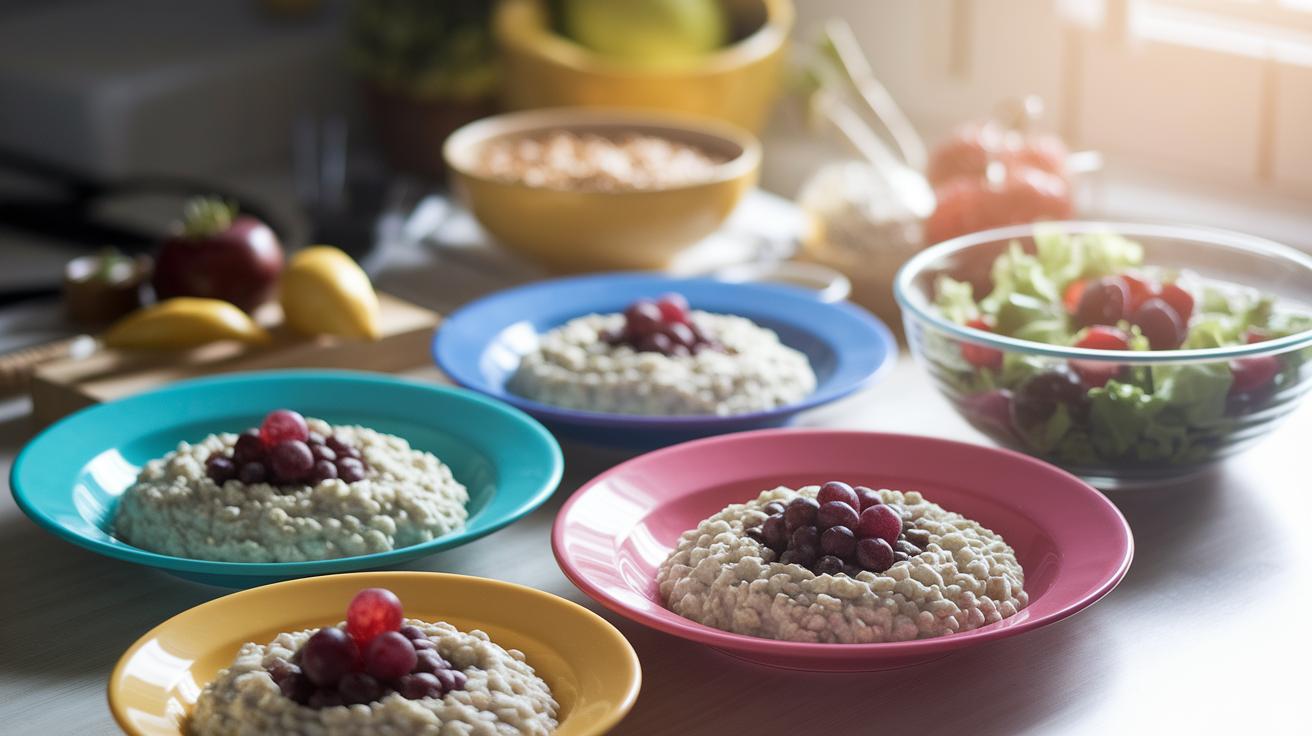
Imagine a week filled with meals that nourish your body and bring a warm smile to your face. This simple 7-day plan offers healthy choices for breakfast, lunch, dinner, and snacks so you can feel great all day long. Picture waking up to a bright plate of whole grain toast with cottage cheese and fresh tomato slices on Day 1, then enjoying a bowl of baked oatmeal with Greek yogurt, banana, blueberries, whisked eggs, cinnamon, and a drizzle of honey on Day 2. It’s all about making mealtime feel easy and energizing from morning right through until bedtime.
| Day | Breakfast | Lunch | Dinner | Snack |
|---|---|---|---|---|
| 1 | Toast, cottage cheese | Grilled chicken salad | Quinoa stir-fry | Carrot sticks |
| 2 | Baked oatmeal | Turkey wrap | Salmon & veggies | Greek yogurt |
| 3 | High-fiber cereal | Lentil soup | Beef & brown rice | Apple slices |
| 4 | Overnight oats | Veggie quinoa bowl | Chicken fajitas | Mixed nuts |
| 5 | Egg omelet | Chickpea salad | Stir-fried tofu | Whole-grain crackers |
| 6 | English muffin | Avocado toast | Spaghetti with meat sauce | Fruit cup |
| 7 | Oatmeal | Grilled fish bowl | Vegetable curry | Yogurt parfait |
As your pregnancy journey grows, you might feel the need to adjust your portions to match your rising energy needs. It can be helpful to add a bit more of the healthy proteins or whole grains, especially in later trimesters, to keep you and your baby well-nourished. Start by noticing which meals boost your energy the most, and then mix things up so that each plate becomes your own recipe for feeling fantastic. Remember, this menu is just a guide, feel free to change it up or add your favorite ingredients while keeping it balanced and full of the nutrients you need.
Time-Saving Meal Prep Tips for Maternal Nutrition
Hey there, busy moms-to-be. Have you ever thought about setting aside some time on the weekend to prepare meals that keep you feeling strong and energized throughout the week? It can really help on those low-energy days when time feels tight. Research with over 600 pregnant women shows that a little kitchen prep can ease meal stress and let you enjoy nourishing food, even when you’re in a rush.
Imagine cooking big batches of a hearty soup or a tasty stir-fry, then freezing them in single portions for those busy weekdays. It’s like giving yourself a little gift later in the week. And if you have a slow cooker, you might enjoy coming home to ready-made dishes with hardly any fuss.
Sometimes, even small steps can make a big difference. For example, you can cut fruits and veggies ahead of time for grab-and-go snacks. Or why not marinate your meats overnight? This not only boosts flavor but also saves your energy when you’re planning dinner on a hectic evening.
Here are a few simple ideas to try:
- Cook large batches of soups, casseroles, or stir-fries and freeze single portions for a quick reheat.
- Use a slow cooker to prepare proteins so that dinner is ready to enjoy when you get home.
- Pre-cut fruits and vegetables to grab when you need a speedy snack.
- Marinate meats overnight so they’re full of flavor and quicker to cook later.
- Label your containers with dates so you always know which meals are fresh.
- Organize your herbs, spices, and other staples to make assembling recipes on busy days much easier.
Taking a little extra time on the weekend can really smooth out your week, leaving you more moments to enjoy with your family, all while keeping mealtime calm and stress-free.
Budget-Friendly Meal Planning for Maternal Nutrition
Grocery bills can feel like a heavy weight when you’re trying to nourish your body with everything it needs. When prices change with the seasons and you have extra requirements, keeping meals healthy and affordable might seem tricky. But trust me, a few smart choices can make a big difference.
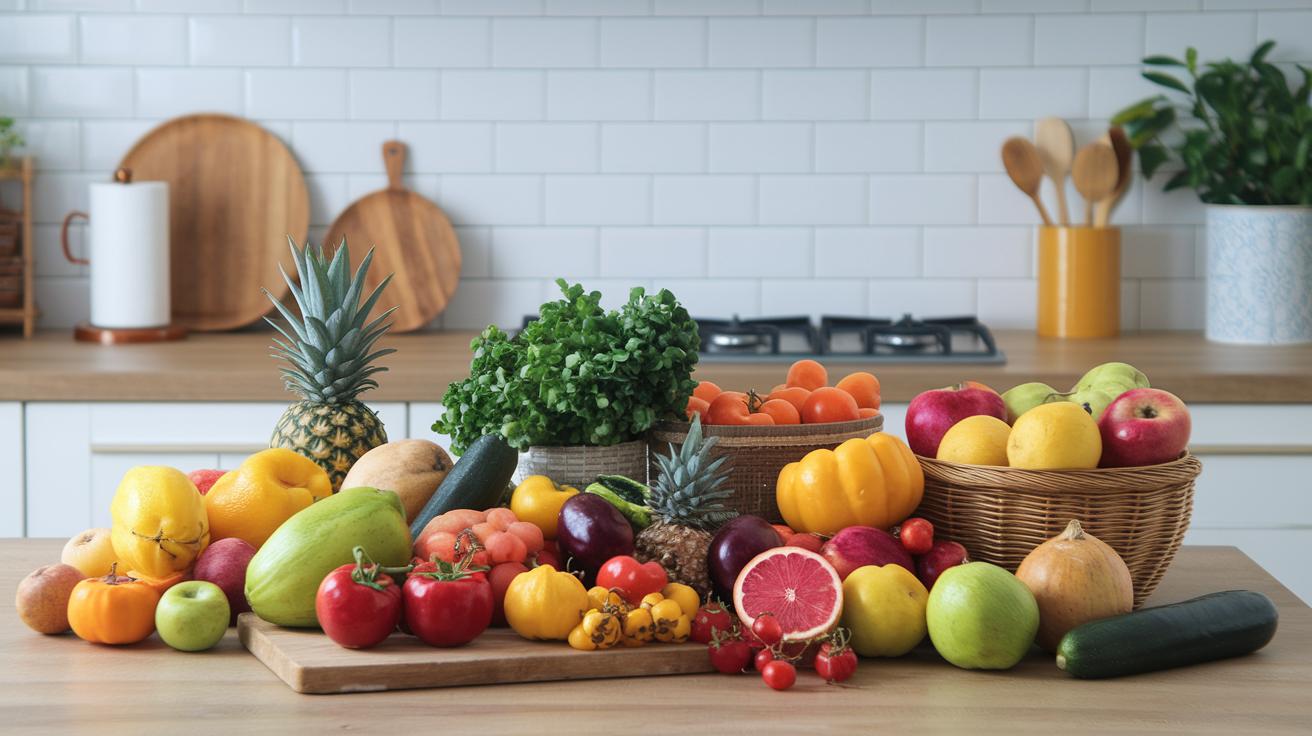
Start by choosing fruits and veggies when they’re in season. They taste so fresh and help save money, too. And why not buy grains, beans, and nuts in bulk? It cuts the cost per serving and lets you feel good about every bite.
Another idea is to use frozen produce. It keeps the nutrients locked in when fresh options get too pricey. Planning to use leftovers for lunch the next day is another simple trick to reduce waste and get the most out of every ingredient. Also, store-brand staples have the same nutritional benefits as their pricier counterparts, keeping your meals balanced without stretching your budget.
These little changes add up to a healthier, happier kitchen. Have you ever noticed how a small tweak can brighten your day? Enjoy making your meals both nourishing and affordable.
Postpartum Meal Planning Adjustments for Maternal Nutrition
After having your baby, your body needs a little extra fuel, about 300–500 extra calories each day. This extra boost helps your body heal and supports breastfeeding. Try adding an extra serving of lean protein or a small handful of nuts to your meal. It’s like giving your body a mini top-up, just the way you’d refuel before a long drive.
Now is the time to focus on foods that pack in lots of nutrients along with those extra calories. Keep your meals rich with iron, calcium, vitamin D, and fiber to help with tissue repair and digestion. And don’t forget about Omega-3 fatty acids, found in choices like salmon or chia seeds, which can help keep your mood steady. Also, remember to drink water throughout the day; staying hydrated is a great way to maintain a good milk supply. For helpful ideas on what to stock your pantry with, check out the "Postpartum Recovery Essentials" link.
Having a simple game plan for your meals can really lighten your day. A mix of three good meals and a few planned snacks can help manage both hunger and your energy levels while you’re busy. Spacing out what you eat with nourishing snacks makes it easier on your digestion and helps keep your energy steady. This little plan not only supports your physical healing but also takes the stress out of deciding what to eat, letting you focus more on caring for yourself and your new baby.
Final Words
In the action, we explored a balanced maternal meal plan that blends essential proteins, whole grains, and key vitamins to boost health for both mom and baby. We talked about adjusting portions by trimester and scheduling meals to reduce daily stress. We also shared meal prep strategies and budget-friendly ideas to keep planning simple. Remember, these meal planning tips for maternal nutrition can empower you to create a nurturing, stress-free routine that makes nourishing you and your little one both practical and joyful.
FAQ
What should a pregnant woman eat during meal planning?
The answer explains that a nutritional meal plan blends lean proteins, healthy fats, whole grains, fruits, and vegetables. This balance supports both mother and baby by meeting energy and essential nutrient needs.
What are some key nutrition tips for pregnant moms?
The answer suggests that pregnant moms focus on nutrient-dense foods, proper portion sizes per trimester, and staying hydrated. These tips help streamline meal choices and keep energy levels stable throughout the day.
What factors should be considered when planning a menu for a pregnant woman?
The answer notes that key factors include nutrient balance, trimester-specific adjustments, meal timing, and hydration. A structured approach eases decision-making and meets the evolving energy needs during pregnancy.
Where can I find free meal planning tips and PDFs for maternal nutrition?
The answer indicates that several resources, such as a MyPlate pregnancy meal plan or early pregnancy diet charts, offer free downloadable PDFs. These guides provide ready-to-use frameworks for balanced, nutrient-rich meals.
What pregnancy foods should I avoid?
The answer clarifies that avoiding highly processed foods, raw fish, unpasteurized dairy, and excess caffeine is wise. Skipping these items reduces risks and supports a healthy nutritional profile during pregnancy.
Is there a diet chart for early pregnancy?
The answer highlights that early pregnancy diet charts usually suggest smaller, more frequent meals with light proteins, whole grains, and fruits. This helps ease digestion while laying the foundation for essential nutrient intake.
Are there meal plans catered for overweight pregnancies?
The answer explains that PDFs for overweight pregnancy meal plans focus on balanced nutrients with adjusted portions. These plans are designed to support healthy weight management while meeting the nutritional demands of pregnancy.