
Have you ever thought about how your food choices might affect your pregnancy? Eating healthy is like giving your body a warm, gentle hug. It fills both you and your baby with the energy you need to face challenges like high blood sugar (sugar in your blood) and early labor.
A simple, balanced meal plan, one that includes fruits, veggies, lean proteins, and whole grains, can be like a caring friend, adjusting as your body’s needs change. Keep it simple: eat enough, mix up your meals, and strive for balance. This way, you may lower those risks and feel your best.
Core Strategies in Maternal Nutrition to Prevent Pregnancy Complications
Eating well during pregnancy is like giving your body a gentle hug. Start with lots of colorful fruits and veggies, choose lean proteins like beans and eggs, and opt for whole grains to keep your energy up. As your pregnancy changes, your body needs a bit more fuel, so try to adjust your calories. And remember, chatting with a nutrition expert can help tailor a plan just for you.
When you follow a balanced diet, it can lower risks like high blood sugar during pregnancy, early birth, high blood pressure, and too much weight gain. Think of these healthy eating tips as a friendly roadmap that grows with you through every trimester. Even small changes can make a big difference for both you and your baby.
There are three simple ideas to keep in mind: get enough food, mix things up, and keep meals balanced. For instance, if you're carrying one baby, you might need about an extra 340 calories a day in your second trimester. If you're expecting twins or triplets, your body will need even more. These pointers help ensure you're meeting both your big and little nutrient needs during this important time.
Every Wednesday evening, practical nutrition classes share easy meal plans and risk-reduction tips that feel like chatting with a friend. They offer real-life examples and meal ideas that can ease common feelings of nausea and fatigue, showing you that healthy eating is absolutely within reach.
- Enjoy a variety of colorful fruits and vegetables.
- Add lean proteins to every meal.
- Use whole grains and complex carbs for steady energy.
- Include healthy fats to keep your meals balanced.
- Keep an eye on portion sizes.
- Drink plenty of water throughout the day.
- Ask nutrition experts for advice when you need it.
These friendly tips form a strong base for your health journey. By weaving these easy eating habits into your daily routine, you can reduce pregnancy complications and create a warm, nurturing space for both you and your baby.
Macronutrient and Micronutrient Essentials in Prenatal Diets
Protein is a star in your prenatal diet, making up about 10–35% of your daily calories. Eating lean meats, beans, or eggs gives you the building blocks you need to help your baby’s tissues grow and your muscles heal. And don’t forget, the little vitamins and minerals, or micronutrients, work hard too while supporting both you and your baby.
Folate is key for your baby’s early brain and spinal development, iron keeps you from feeling constantly tired by fighting anemia, calcium supports strong bones, and omega-3 fatty acids help your baby’s brain and nerve cells develop. A bit of extra attention to these nutrients can make a big difference in keeping you both healthy and ready for all that’s ahead.
| Nutrient | Role in Pregnancy | Recommended Daily Intake |
|---|---|---|
| Protein | Helps grow baby’s tissues and repairs your muscles | 10–35% of total calories |
| Folate | Supports early brain and spinal development | 400–800 µg |
| Iron | Helps prevent anemia (low energy and fatigue) | 27 mg |
| Calcium | Keeps your bones strong | 1,000 mg |
| Omega-3 Fatty Acids | Aids brain and nerve cell development | 200–300 mg |
Structured Meal Timing and Sample Meal Plans for Expectant Mothers
Sticking to a regular meal schedule can really help smooth out blood sugar swings and ease symptoms like nausea or feeling tired. When you plan set times for meals, you're giving your body a reliable routine to lean on throughout your pregnancy. For example, having breakfast, lunch, and dinner at about the same times each day with planned snacks means you're less likely to be surprised by hunger or low energy.
A meal plan that includes three main meals and two healthy snacks can give you just the right balance of whole grains, lean proteins, and essential vitamins and minerals. It’s like putting together a puzzle, each piece (like fruits, vegetables, and legumes) helps keep your energy steady and supports your baby’s growth. Imagine starting your day with meals that not only curb hunger but also provide all the nutrients you need. It’s a simple change that can make your day feel much more manageable.
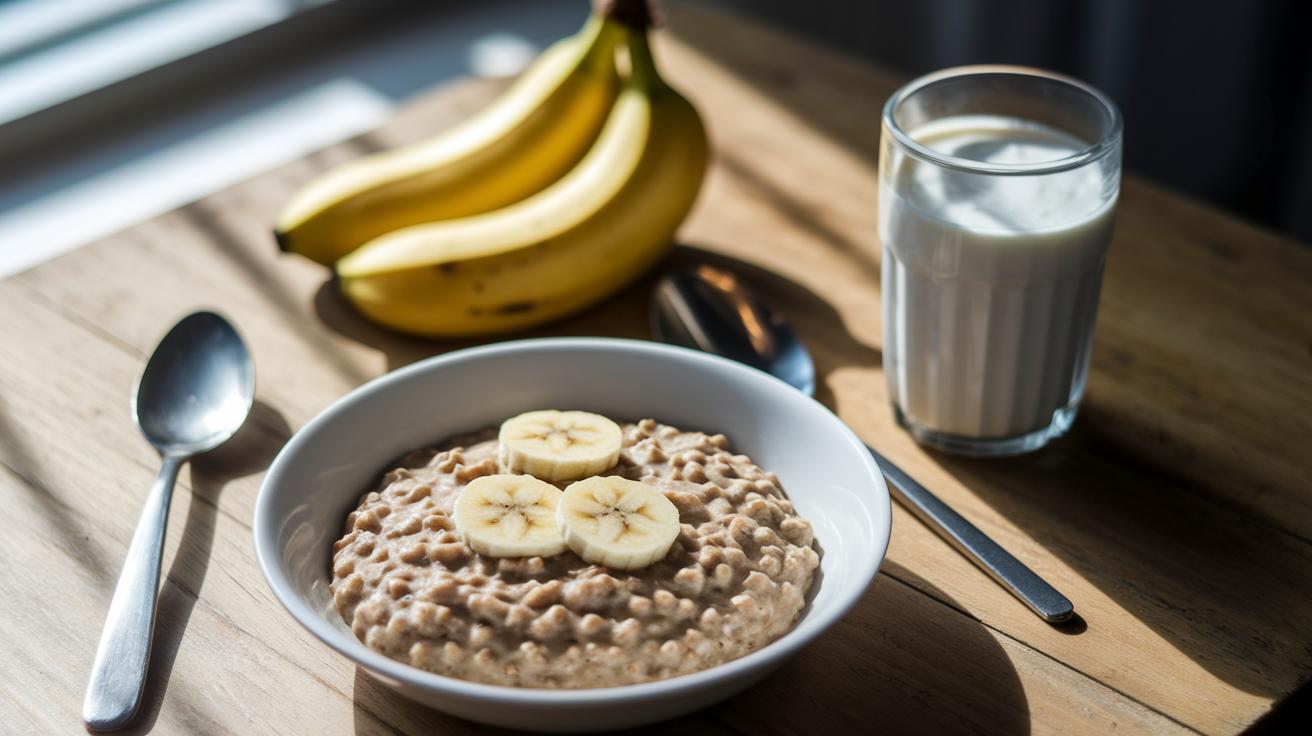
Breakfast might look like whole grain oatmeal topped with sliced bananas and a dash of cinnamon for natural sweetness, paired with a side of Greek yogurt mixed with berries for a protein boost, and maybe a small handful of nuts for some healthy fats.
For lunch, try a hearty salad filled with mixed greens, chickpeas, and a colorful mix of carrots, bell peppers, and cherry tomatoes. Add a serving of quinoa or brown rice for fiber and lasting energy, along with a lean protein like grilled chicken or tofu to help support muscle health.
When dinner rolls around, you could enjoy grilled or baked fish with a side of steamed broccoli and whole grain couscous, offering a fine mix of protein and fiber. A plate of roasted vegetables, sweet potatoes, zucchini, and red onions, adds valuable vitamins and minerals, and a small salad with a light vinaigrette can bring a refreshing touch to your meal.
For snacks, you might pair an apple with a tablespoon of natural almond butter to mix fiber and healthy fats, or have a bowl of fortified cereal with low-fat milk (or a milk alternative) for a calcium and vitamin D boost. A smoothie made with spinach, mango, and a splash of yogurt can also serve as a quick, nutrient-packed treat.
Remember, little tweaks in your meal planning can have a big impact on how you feel every day. Enjoy your meals, and take care of yourself and your growing little one!
Prenatal Vitamin Supplementation Benefits and Expert Dosage Guidelines

Pregnancy can be a whirlwind, and sometimes our meals just don’t cover all the nutrients we need. Prenatal supplements help fill in these gaps by offering folic acid, iron, calcium, and vitamin D. For instance, folic acid can lower the risk of certain birth defects (like problems with the brain and spine), while vitamin D supports your immune system.
I remember a friend sharing that before she began taking her daily prenatal vitamins, she often felt run down. Once she started them, she noticed a real boost in her energy, it made a big difference in her day-to-day feeling.
Iron is important for keeping your blood oxygen-rich, and calcium works to keep your bones strong during this busy time. And yes, vitamin D adds an extra layer of support for your immune system. Together, these nutrients not only help you feel better but also lower the chances of issues like maternal anemia.
Experts usually advise sticking with a daily prenatal vitamin routine. They recommend picking a vitamin that covers all the essentials, meaning the right amounts of folic acid, iron, calcium, and vitamin D, to help reduce any complications during pregnancy. Adding these supplements to your routine can be a simple, effective way to keep your pregnancy on a healthy track.
Food Safety and Risk-Reduction Eating Tips in Antenatal Nutrition
Keeping your kitchen safe is all about simple rules that help fight germs. For every meal, start by washing your fruits and veggies well to brush away any dirt. When you're cooking proteins, choose foods that are cooked thoroughly instead of raw or only lightly cooked meats or eggs. This little step helps protect both you and your baby from harmful bacteria like Listeria and E. coli. It's amazing how small changes can make a big difference.
Remember to handle and store perishable foods carefully. Keep cold items chilled at the right temperature and always use clean surfaces when you chop fruits, veggies, or proteins. Also, try to avoid foods with high risks, such as certain high-mercury fish, to lower your chances of toxin exposure. These simple habits help keep your immune system strong during pregnancy, so you can enjoy every meal with confidence.
Final Words
In the action, we explored core dietary strategies that support a healthy pregnancy, from balancing essential nutrients and meal planning to the benefits of prenatal vitamins and safe food practices. Each section offers practical guidance, helping you feel more confident in your eating routine and overall wellness.
We hope you feel empowered to use maternal nutrition for preventing pregnancy complications as a trusted tool in your daily life. Stay positive and enjoy the process of nurturing you and your little one!
FAQ
What does a maternal nutrition PDF provide for preventing pregnancy complications?
A maternal nutrition PDF provides detailed guidelines on balanced eating, highlighting essential nutrients and meal plans that support both mother and baby during pregnancy.
What are the effects of poor nutrition during pregnancy on mother and baby?
Poor nutrition during pregnancy can increase risks for gestational diabetes, preterm birth, and developmental delays, affecting both maternal health and the baby’s growth.
How is maternal nutrition defined, and why is it important during pregnancy?
Maternal nutrition is the dietary care a mother uses during pregnancy to support her health and fetal development, playing a crucial role in preventing complications and promoting wellness.
What is considered essential maternal nutrition during pregnancy?
Essential maternal nutrition includes balanced macronutrients, vitamins like folate for neural tube development, iron for prenatal energy, and calcium, all of which support healthy pregnancy outcomes.
How can a balanced diet help reduce the risk of pregnancy complications?
A balanced diet that follows comprehensive guidelines with varied, nutrient-dense foods helps reduce risks such as gestational diabetes and high blood pressure during pregnancy.
What nutrient is important for preventing birth defects during pregnancy?
Folate, also known as vitamin B9, is vital for preventing neural tube defects and is a key component of prenatal nutritional recommendations.
What nutrition counseling recommendations are advised for pregnant mothers?
Nutrition counseling for pregnant mothers includes personalized advice on balanced meals, regular meal timing, and proper supplementation to meet increased energy and nutrient needs during pregnancy.