
Ever wonder if the foods you eat can be your best helper during a high-risk pregnancy? When each day brings new challenges, a balanced diet full of lean proteins, whole grains, healthy fats, and lots of colorful fruits and veggies can help keep your energy up and meet your body's needs.
This thoughtful way of eating lays a strong foundation for both you and your little one. It’s amazing how small changes in your diet can truly make a big difference during these important months.
Evidence-Based Dietary Foundations for Maternal Nutrition in High-Risk Pregnancies
When you’re expecting, especially with a high-risk pregnancy, your body needs extra care. A mix of lean proteins, whole grains, healthy fats, and lots of fruits and vegetables can help you feel your best and lower some risks. Your body craves a little extra energy as your baby grows, about 340 extra calories in the second trimester and 452 extra in the third. Try to get roughly 71 grams of protein each day to help support both your baby’s growth and your body’s changes.
Staying well-hydrated is just as important as what you eat. Drinking eight to ten 8-ounce glasses of water each day not only helps move nutrients around your body but also keeps you feeling refreshed. It also helps to keep processed foods, too much sugar, and unhealthy fats to a minimum so you and your growing baby can stay as healthy as possible.
- Choose lean proteins like chicken, fish, and beans to help build important tissues.
- Opt for whole grains such as brown rice or quinoa to give you steady energy.
- Include healthy fats from nuts, seeds, or olive oil to support a strong heart.
- Add a variety of fruits and veggies to supply the vitamins and minerals you need.
- Drink plenty of water and enjoy water-packed foods like cucumbers or watermelon.
Focusing on these mindful eating habits can really build a strong base for your health during a high-risk pregnancy. By choosing whole, nourishing foods over processed ones, you’re giving your body the balanced mix of nutrients it needs now and for the months ahead. Remember, a little care goes a long way for both you and your baby.
Optimizing Vitamin, Mineral, and Supplementation Approach in High-Risk Gestations

When you’re going through a high-risk pregnancy, taking extra care with vitamins, minerals, and omega-3s can make a real difference for you and your baby. Experts suggest a daily dose of 400–800 µg of folic acid to help lower the risk of neural tube issues, 600 IU of vitamin D for strong bones, and 85 mg of vitamin C to boost tissue repair and help with iron absorption. Adding 27 mg of iron daily can help prevent anemia, while 1,000 mg of calcium supports healthy bones and teeth. Plus, 200 mg of DHA from omega-3 fatty acids supports your baby’s brain and eye development. Many moms get these nutrients from foods like leafy greens, citrus fruits, fatty fish, lean meats, legumes, and fortified cereals. And if your diet isn’t quite enough, prenatal vitamins that include iodine, magnesium, and zinc can fill in those gaps.
Supplements are there to work with a balanced diet, not to replace the good stuff from whole foods. Mixing nutrient-rich foods with the right supplements can create the balance you need during this delicate time. Your healthcare provider is a great partner for figuring out the best forms and dosages, whether you prefer tablets, capsules, or gummies. Regular check-ups and blood tests can help adjust your plan as your needs change. Many moms have shared that finding the right supplement routine made them feel more balanced throughout their pregnancy, really reassuring, isn’t it?
By following these thoughtful, evidence-based steps, you can take charge of your nutrient needs and ease some of the worries that come with high-risk conditions. A well-planned supplementation strategy is a simple yet powerful way to boost your overall wellness and support a healthy pregnancy journey. Remember, a few careful, intentional choices today can lead to lasting benefits for both you and your little one.
Maternal Nutrition Strategies for Managing Gestational Diabetes and Preeclampsia
If you’re managing gestational diabetes, a condition that affects about 6% of pregnancies, a good starting point is to fill your plate with complex carbs. Think of whole grains, beans, and a variety of veggies that help keep your blood sugar steady. Pair these with lean proteins like chicken, fish, or legumes, and try eating five small meals throughout the day. For example, have a small bowl of quinoa salad with mixed veggies and some grilled chicken. This not only takes away hunger pangs but also helps keep your glucose levels balanced, making your daily routine a bit easier during this extra challenging time.
When it comes to lowering your risk of preeclampsia, simple changes in your diet can really make a difference. Adding more potassium-rich foods, like bananas, spinach, or avocado, can naturally help regulate your blood pressure. At the same time, cutting back on sodium from processed foods keeps that balance in check. Don’t forget to drink plenty of water, aim for eight to ten 8-ounce glasses throughout the day. Starting your morning with something like a spinach omelet and a side of fresh avocado can be a gentle, effective way to kick off your day. By carefully choosing your carbs, proteins, and minerals, and by setting up a steady meal schedule, you create a balanced eating plan that supports both blood sugar control and blood pressure management, helping you feel a bit more at ease during your pregnancy.
Caloric Evaluation, Protein Quantification, and Meal Planning for High-Risk Maternal Nutrition

Expecting a baby during a high-risk pregnancy means your body needs a little extra help every day. In your second trimester, you might need about 340 extra calories daily, and during your third trimester, nearly 452 extra calories can make a real difference. Getting around 71 grams of protein from options like lean meats, dairy, legumes, and nuts helps support your growing baby and keeps your body balanced.
Don't forget about fiber, too! Aiming for 25 to 30 grams each day from whole grains, fruits, vegetables, and legumes can really help. Also, including 200 milligrams of DHA each day supports your baby's developing brain and eyes. A well-balanced meal plan with three hearty meals and two healthy snacks can make these goals more manageable. For example, a breakfast of oatmeal, berries, and almonds not only wakes you up but also gives you a good boost of protein and fiber.
- Choose lean protein sources to help you reach that 71-gram daily goal.
- Plan meals that offer extra calories, especially in the later trimesters.
- Mix in high-fiber foods like whole grains, fruits, and veggies to get 25–30 grams each day.
- Add a source of DHA like fatty fish or flaxseed.
- Stick with a balanced routine of three meals and two nutritious snacks.
These simple steps make it easier to mix foods that meet your extra calorie needs while giving you important nutrients and omega-3s. A set routine can help both you and your baby get the energy and nutrition you need. Each meal is a chance to build a strong, healthy foundation, so feel free to experiment with different food combinations that keep your meals fresh and satisfying.
| Meal | Suggested Foods | Calories | Protein (g) |
|---|---|---|---|
| Breakfast | Oatmeal, berries, almonds | 450 | 15 |
| Lunch | Grilled chicken salad, avocado | 550 | 30 |
| Dinner | Salmon, quinoa, steamed veggies | 600 | 35 |
| Snack | Greek yogurt + fruit | 200 | 12 |
Hydration Counseling, Plant Fiber, and Intrauterine Protection in High-Risk Gestations
Recent studies show that drinking enough water can ease the stress on your body during a high-risk pregnancy. Experts believe that staying well-hydrated helps blood flow better and reduces pressure on the placenta. One small study even suggests that drinking a little water every hour, maybe with a squeeze of lemon, can boost the flow of nutrients to the uterus and support healthy cells.
New findings also point out that eating the right kinds of plant fibers might help keep blood sugar levels steady and ease minor inflammation around the uterus. Researchers think that these fibers help create a healthy gut, which in turn may help manage sugar levels that can affect the baby. A friendly tip: mix different fibers in your meals, like adding a little ground flaxseed to your morning oatmeal.
| Focus Area | What It Does | Simple Tip |
|---|---|---|
| Hydration | Helps blood flow better and eases pressure on the placenta by moving nutrients efficiently. | Take small sips of water with a dash of lemon throughout the day. |
| Plant Fiber | Keeps blood sugar steady and soothes slight inflammation around the uterus. | Add fiber-rich foods like oats, berries, or flaxseed to your meal. |
Monitoring Nutrient Assimilation and Consultative Forum with Healthcare Providers
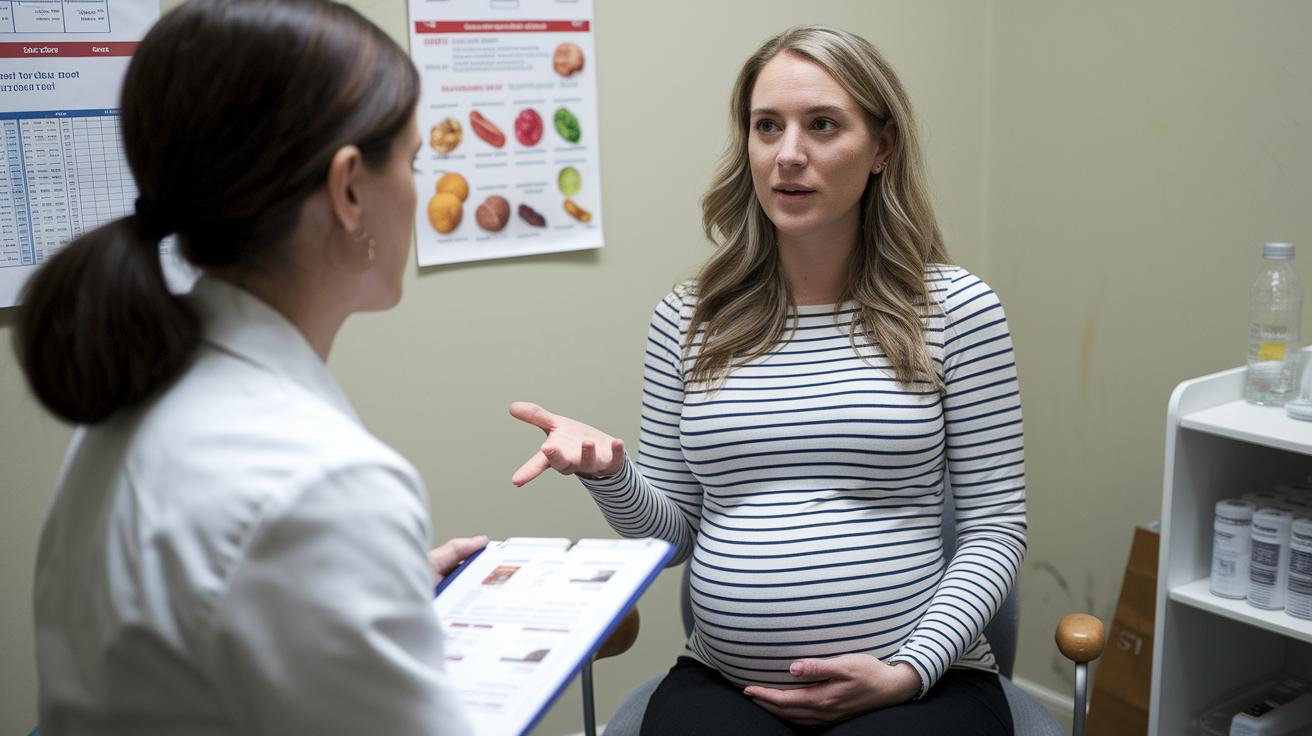
Keeping an eye on your nutrient levels during pregnancy is really important, especially when things get a bit tricky. Regular blood tests check things like iron, folate, vitamin D, and glucose (sugar) so that any needed changes can be made before problems start. Your doctor visits look at your weight, blood pressure, and overall nutrition, making sure both you and your baby are doing well. You also get the chance to chat with dietitians and OB/GYNs, which means your plan is just right for you.
By checking your nutrient levels early and often, you can catch small dips before they become bigger issues. This careful monitoring works well with nutrition programs many moms can access, sometimes even through Medicaid. A lot of mothers join programs that follow guidelines focused on “food as medicine” (you can learn more here: https://womensconference.org?p=11209). When you keep talking with experts, your diet plan stays fresh and ready to meet any new challenges during a high-risk pregnancy. Regular check-ups and honest chats with your healthcare team help build a strong, supportive path to feeling well every day.
Final Words
In the action of applying clear dietary tips and practical meal plans, we discussed lean proteins, whole grains, fresh fruits, and proper hydration. We also explored vitamin and mineral targets with safe supplement options and smart choices for managing gestational challenges.
These steps help support both balance and energy for high-risk needs, including maternal nutrition during high-risk pregnancies. Stay hopeful and persistent as you embrace dietary strategies that uplift care and well-being every step of the way.
FAQ
What are the effects of poor nutrition during pregnancy?
The effects of poor nutrition during pregnancy include increased risks for gestational issues like diabetes and hypertension, as well as reduced fetal growth and development due to a lack of essential balanced nutrients.
What is the preeclampsia diet plan?
The preeclampsia diet plan focuses on eating potassium-rich foods alongside lean proteins, limiting sodium intake, and maintaining proper hydration to help manage blood pressure and reduce potential pregnancy complications.
How does maternal nutrition affect a fetus?
The way maternal nutrition affects a fetus is by supplying vital vitamins, minerals, and energy needed to support healthy growth and brain development, making a balanced, nutrient-rich diet essential during pregnancy.
What are the nutritional requirements during pregnancy and what is essential maternal nutrition?
The nutritional requirements during pregnancy include increased calories, lean proteins, whole grains, healthy fats, and a variety of fruits and vegetables to support both the mother’s well-being and fetal development.
How does a high protein diet impact pre-eclampsia?
The impact of a high protein diet on pre-eclampsia lies in its role in stabilizing blood pressure and supporting tissue repair, complementing other dietary efforts to manage and reduce the risk of preeclampsia.
How do maternal factors influence high-risk pregnancy and how can one stay healthy during a high-risk pregnancy?
Maternal factors such as chronic conditions, age, and nutritional status play a role in high-risk pregnancies; staying healthy involves following a balanced diet, monitoring key health indicators, and heeding professional advice.
What is a nutritionally at risk pregnancy?
A nutritionally at risk pregnancy describes a scenario where a mother’s diet lacks essential nutrients and calories necessary for optimal fetal growth, which may lead to complications and requires tailored dietary strategies.