Have you ever wondered how quickly your baby picks up new skills each month? It’s pretty amazing when you really stop and think about it. This easy-to-read guide shows you what most babies can do as they grow. From lifting their head to making those adorable sounds, each step is clearly explained.
This guide makes it simple to see all the little changes in your baby’s growth and helps you feel more at ease. Ready to find out about the milestones your little one might reach? Let’s explore how these moments can make each day feel a bit more magical.
Comprehensive Month-by-Month Infant Developmental Milestones Chart
This chart shows you what many babies can do as they grow month by month. It covers four main areas: big muscle movements (like lifting the head), small hand movements, early sounds, and ways of sharing feelings with others. Each row is a month of growth, and each column lists skills you might notice, such as head control or early babbling. For example, a one-month-old might only lift their head for a moment, while a 12-month-old could be taking their first steps. Remember, every baby is unique, so use this chart as a gentle guide to see how your little one is growing.
| Month | Gross Motor Skills | Fine Motor Skills | Language Skills | Social/Emotional Skills |
|---|---|---|---|---|
| 1 | Lifts head briefly | Follows moving objects | Cries and coos | Listens to caregiver’s voice |
| 2 | Begins holding head up | Watches objects closely | Makes cooing sounds | Smiles at familiar faces |
| 3 | Develops steady head control | Opens and closes hands | Mixes up vocal sounds | Smiles back at you |
| 4 | Rolls a little | Reaches for toys hanging nearby | Babbles happily | Enjoys time with family |
| 5 | Sits with some help | Grasps toys firmly | Plays with different sounds | Shows clear excitement |
| 6 | Sits without support | Moves objects between hands | Begins making consonant sounds | Laughs out loud |
| 7 | Starts crawling | Uses a pinch grasp | Listens when name is called | Shows natural curiosity |
| 8 | Sits steadily | Explores with fingers | Babbles simple words | Feels attached to loved ones |
| 9 | Crawls well | Uses thumb and finger to pick up objects | Repeats sounds | May feel shy around strangers |
| 10 | Stands with help | Handles objects with purpose | Understands simple words | Enjoys playful interactions |
| 11 | Pulls up to stand | Points at things they want | Mimics sounds | Shows clear preferences |
| 12 | May take first steps | Grasps objects more precisely | Says a simple word | Plays interactive games |
Keep in mind that every child grows at their own pace. Use this guide to celebrate the little wins and check in on your baby’s progress, but always remember that slight differences are completely normal. And if ever you feel unsure about your child’s steps along the way, a chat with your pediatrician can offer you the comfort and guidance you might need.
Key Categories in Infant Developmental Milestones Chart
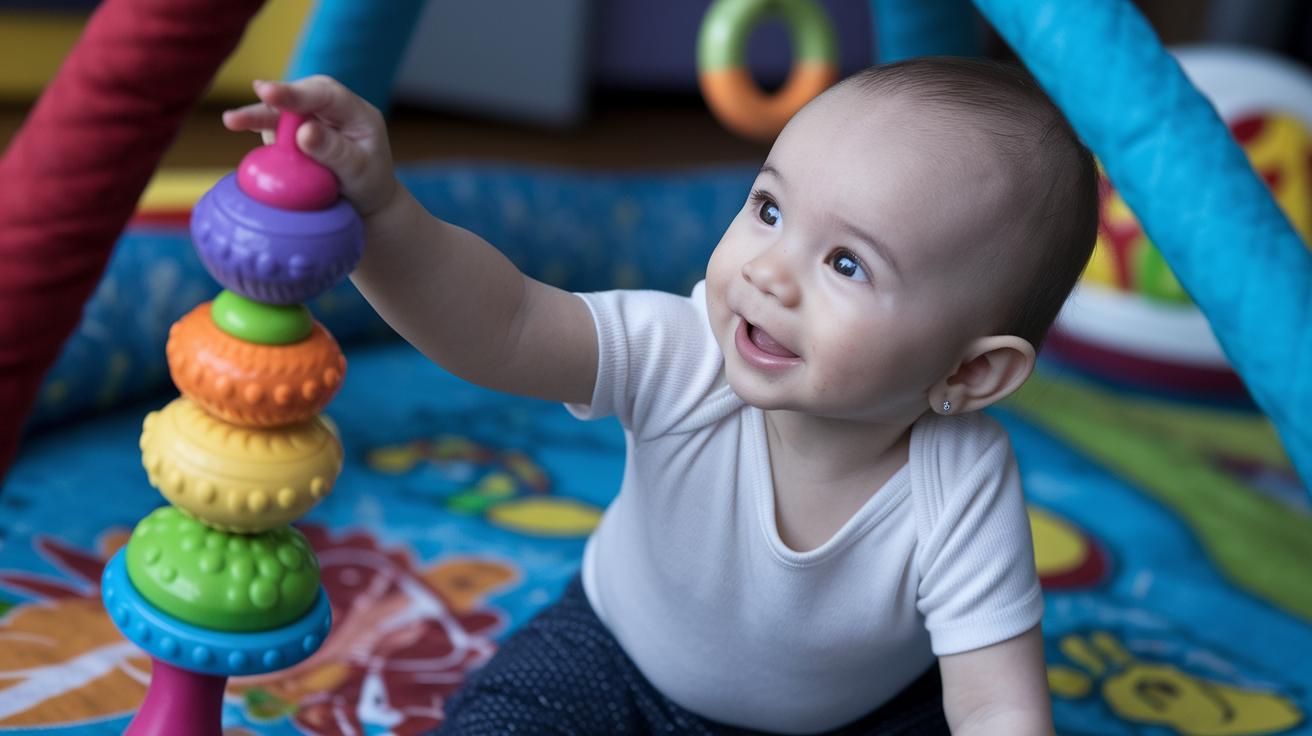
When we talk about gross and fine motor skills, we’re looking at the physical changes you can really see. Babies start by gaining control of their big muscles, lifting their heads or rolling over, and then move on to more precise hand movements, like holding onto small objects. Imagine a baby swatting playfully at a dangling toy; it’s a small moment that shows early control.
Language and communication skills are all about how little ones begin to express themselves. Early sounds and soft coos eventually transform into syllables and simple words. It’s heartwarming to hear a baby try to say "mama" for the very first time, don’t you think? For more detailed progress checks, feel free to explore our language development milestones.
Social and emotional development shows itself in how babies start to connect with others. Their smiles, giggles, and responses to familiar faces highlight a growing comfort and trust in their caregivers. It’s like watching a tiny heart open up a little more with each warm interaction.
Cognitive and sensory skills are how babies begin to understand their world. They start recognizing patterns, tracking moving objects, and reacting to changes around them. Picture your baby’s curious eyes as they explore a brightly colored, textured toy, each look is a clue of learning and discovery.
Infant Developmental Milestone Phases: Quick Reference Overview
Kids from 1 to 3 months start with simple reflexes and tiny signs of head control. During tummy time, you might see your little one lifting their head ever so slightly. For a closer look at each month’s changes, check out our complete chart.
Between 4 and 6 months, babies begin to reach out and try to grab things, and they start to make soft sounds. Picture your baby holding a cuddly toy while cooing happily, it’s a fun way to practice talking. For more details, our chart has the month-by-month info you need.
From 7 to 9 months, little ones become a bit more mobile. They might start rolling, scooting, or even try crawling, discovering the joy of movement. Imagine a baby wiggling around with delight as they explore their world. See our detailed chart for more on what to expect.
At 10 to 12 months, you might see your child trying to stand up, take a few unsteady steps, or even say a simple word. Think of those first, exciting moments of trying to walk and speak, it shows their growing independence. For a full timeline of milestones, please take a look at our complete chart.
Red Flags in Infant Developmental Milestones Chart
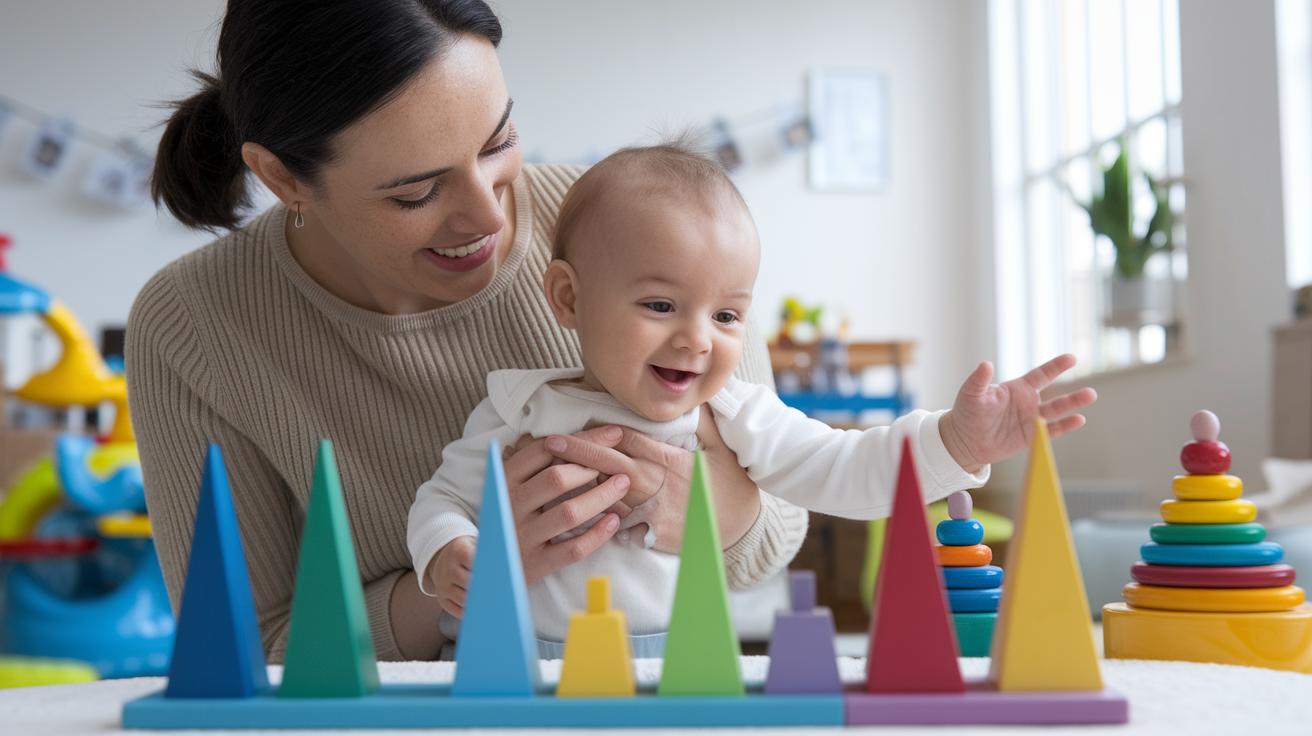
Keeping an eye on your little one’s growth with a simple developmental checklist can help you notice if something feels a bit off. Watching your baby’s milestones on this timeline lets you take action early if you see any unusual signs.
- 0–3 months: Your baby doesn’t lift their head during tummy time.
- 0–3 months: There’s little or no reaction when objects move around.
- 4–6 months: Your baby doesn’t try to reach for or hold onto toys.
- 4–6 months: They show only a small interest in playing with their toys.
- 7–9 months: There’s no babbling or early sound-making.
- 7–9 months: They don’t start rolling over or sitting with help.
- 10–12 months: Your baby doesn’t try supported standing or cruising.
- 10–12 months: They rarely smile socially or interact with others.
If you notice several of these signs, have a friendly chat with your pediatrician. It can offer reassurance and some useful tips to help ensure your baby is growing and developing just right.
Practical Tips for Using Your Infant Developmental Milestones Chart
Keeping a simple routine to notice all the little ways your baby grows really helps you understand their progress. Maybe you find a quiet moment each week to jot down your thoughts or snap a quick note after a busy, fun day with your little one. This regular check-in turns tracking into a natural part of caring for your baby and helps you catch every small change along the way.
- Print out a monthly tracker
- Set a reminder on your phone each month
- Take pictures of special milestones
- Get other caregivers involved to share their observations
- Chat about your baby’s progress at doctor visits
- Remember each baby grows at their own pace
Taking time to look back at your notes can feel both cozy and uplifting. You might smile at the memory of that first curious look or listen to the early sounds of babbling. Every little step is a moment of joy that fills your heart and builds a warm record of your baby's first adventures.
Customizing Your Infant Developmental Milestones Chart for Preemies and Special Needs
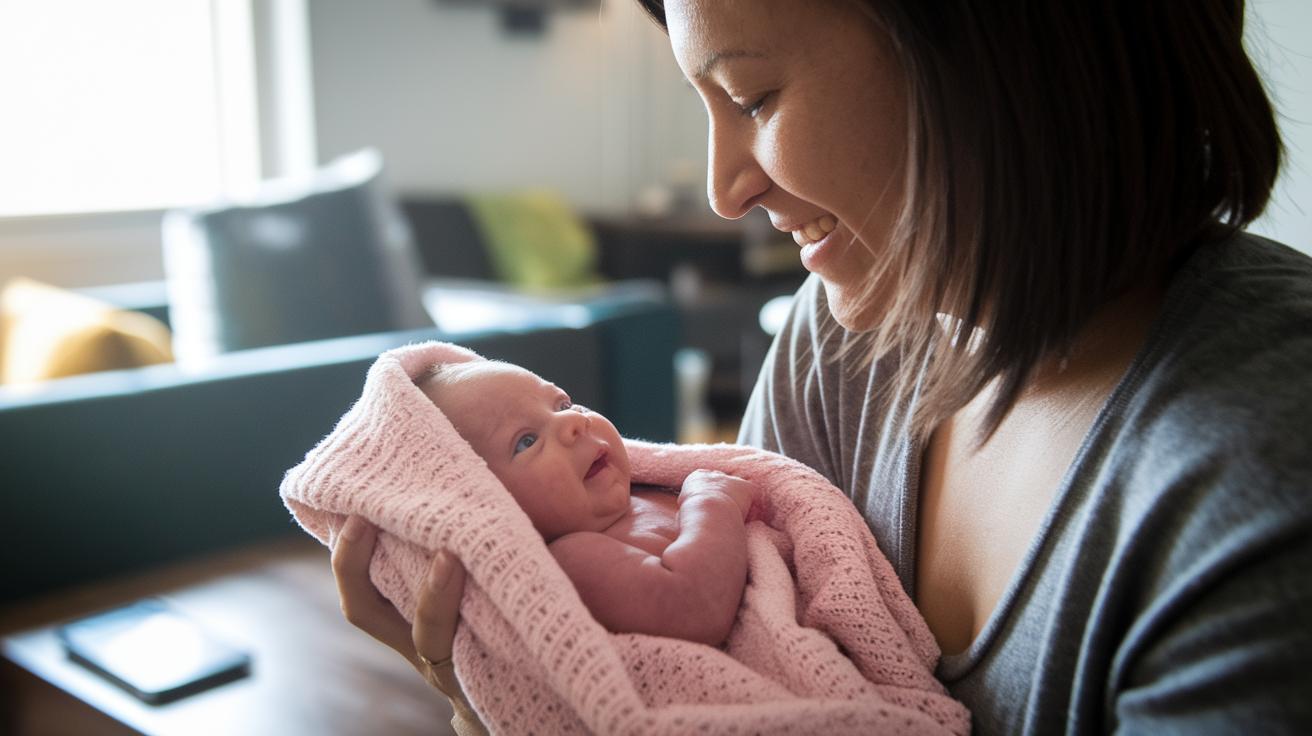
When your baby arrives early, it sometimes helps to look at their age in a different way. You can subtract the number of weeks they were born before their due date. This gives you a corrected age that better matches the usual growth stages. Using this adjusted age means you can compare your baby's progress in physical movements, language, and hand coordination more fairly with standard benchmarks. It’s like giving a little extra time for your child to catch up, and it makes their milestones feel more personal.
For babies with special needs, customizing the milestones chart is very important. You might need to work with a pediatric expert to create a timeline that fits your child’s unique journey. Regular check-ups and professional insights can help you set up a schedule that celebrates every little win. This gentle, personalized approach not only honors your baby’s special path but also makes it easier for you to see and celebrate their progress along the way.
Final Words
In the action, we walked through the month-by-month guide, covering physical skills, language, social growth, and even tips for spotting developmental concerns. We took a clear look at everything from early reflexes to those heartwarming first words, all framed in our easy-to-read infant developmental milestones chart.
We also shared simple tracking tips and advice for preemies and special needs. Each insight is meant to help you feel more confident in celebrating every step of your child’s growth. Here’s to every little win along the way!
FAQ
Frequently Asked Questions
What is an infant developmental milestones chart and how is it available?
The infant developmental milestones chart shows key skills in gross motor, fine motor, language, and social/emotional growth month by month. It’s often available as a PDF and other formats to help track your baby’s progress.
What are normal milestones for infant development?
Normal milestones include skills like smiling, babbling, reaching, and moving around. Each baby grows at their own pace, and these benchmarks serve as a guide to typical progress.
What are the 5 developmental milestones for infants?
The five developmental milestones often include social smiling, rolling over, sitting with help, beginning to crawl, and making early vocal sounds that lead to first words.
What are developmental red flags in infant milestones?
Developmental red flags include signs such as not lifting the head by 3 months or not babbling by 9 months. These signals suggest that it may be wise to talk to your pediatrician about your baby’s progress.
What are the 5 stages of baby development in the first year?
The five stages of baby development during the first year can be seen as adapting to life, developing early reflexes, learning to grasp and hold, increasing mobility like crawling or cruising, and refining coordination for walking and talking.