Ever wonder if what you eat today might brighten your baby’s tomorrow? Your food makes a big difference, especially during pregnancy (that’s when you’re taking special care for your baby). When you enjoy meals filled with lean meats, fresh fruits, veggies, and whole grains, you’re building a cozy, safe home for both of you.
It’s like putting together a colorful puzzle, each piece helps keep you strong and your baby growing healthy. In this article, we share easy tips to include these nutritious choices in your daily meals. Have you noticed how a small change in your plate can help light up your pregnancy with vibrant health?
Core Principles of Prenatal Nutrition for Maternal Wellness
Eating well during pregnancy is a simple yet powerful way to support both you and your baby. Think of your plate as a bright array of whole foods, lean proteins, fresh fruits, veggies, and whole grains, that provide the essential nutrients needed each day. It’s like using every colorful brick to build a strong, safe home for your little one.
A balanced diet not only helps your baby grow but also makes it easier for your body to adjust to all the changes happening right now. Research shows that a well-rounded meal plan benefits both you and your baby. Many moms find talking with a nutrition expert or checking trusted resources, such as the Maternal Diet and Wellness Guidelines, really useful.
Mixing different types of foods means you get a full range of vitamins and minerals. For example, including foods rich in calcium, iron, and folic acid can help lessen common pregnancy challenges like feeling tired or a bit nauseous. This variety also supports your body’s changing needs as you prepare for your baby’s arrival.
Next time you sit down to plan a meal, remember a little fun fact: “Did you know that a mix of proteins, whole grains, and fresh produce in every meal can boost both your energy and your baby’s growth?” A small shift in how you eat can lead to lasting benefits, making your pregnancy a healthier and happier journey.
Key Vitamins and Minerals Supporting Fetal Health
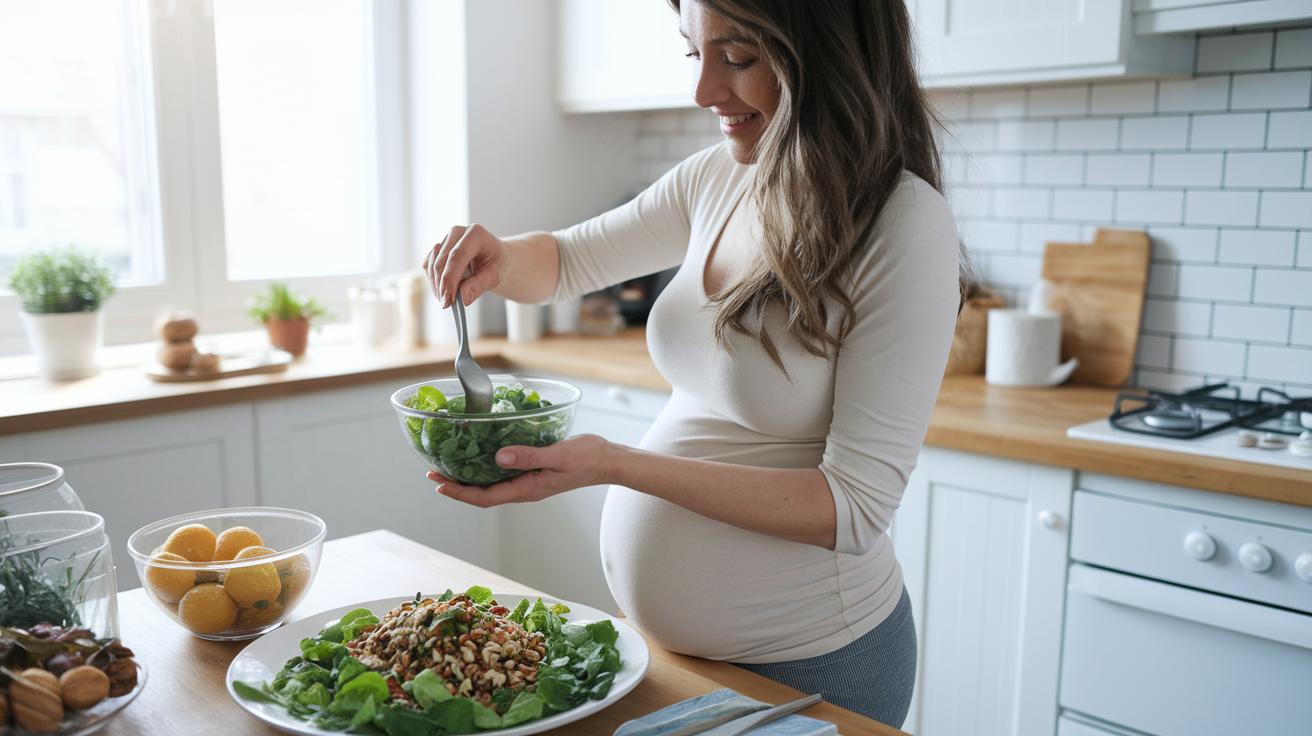
When you're expecting, getting the right vitamins and minerals can feel like a gentle hug for both you and your growing baby. These nutrients help your body build extra blood and support your baby’s growth, making sure everything turns out just right. Did you know that before we had modern supplements, many moms unknowingly missed out on these essential nutrients? Now, you can include yummy, nutrient-rich foods in your daily meals and snacks to keep you strong during this special time.
Folic acid, iron, and calcium are a great trio to focus on. Folic acid helps with cell growth, iron boosts your extra blood needs, and calcium supports strong bones and teeth. Think of them as the building blocks for your baby's healthy development.
| Micronutrient | Recommended Daily Intake | Top Food Sources |
|---|---|---|
| Folic Acid | 400–800 µg | Leafy greens, legumes, fortified grains |
| Iron | 27 mg | Lean meats, beans, fortified cereals |
| Calcium | 1,000 mg | Dairy products, leafy greens, almonds |
Mixing these nutrients into your day can be both fun and comforting. You might enjoy a colorful salad with a mix of leafy greens and fortified grains for some extra folic acid. A warm, hearty bowl of bean soup or a lean meat dish can give you the iron boost you need. And a bowl of yogurt or a nutty smoothie can easily add more calcium to your diet. If you ever feel unsure whether you're getting enough from food alone, many moms choose to use prenatal vitamins for peace of mind. A quick chat with your health care provider or a dietitian can help you put together the perfect meal plan that suits your needs.
By embracing both natural foods and safe supplements, you create a balanced plate that nurtures your body and supports the wonderful journey of your baby's growth.
Omega-3 Fatty Acids and Healthy Fats in Maternal Nutrition
Omega-3 fatty acids are a big help in supporting your baby’s brain growth and keeping your heart in good shape while you’re pregnant. Many moms notice that including these healthy fats in their diet can smooth out some of the natural changes their body goes through when expecting.
Research shows that DHA and EPA, two important types of omega-3, can boost your baby’s neural development and help your blood flow nicely. They also work to maintain a good balance of fats in your body, which can help manage inflammation. It’s like giving your body a little extra care during pregnancy.
Here are some easy and tasty ways to include omega-3s in your meals:
- Salmon
- Flaxseeds
- Walnuts
- Chia seeds
- Mackerel
Every one of these foods offers a natural way to get omega-3s along with other useful nutrients. Adding these to your daily routine can be both fun and nourishing. Experts suggest aiming for about 200–300 mg of DHA each day. This friendly advice comes from ongoing research and the experiences of many families who’ve found that a small change can make a big difference.
Taking in a mix of these healthy fats can support both you and your little one, turning mealtimes into a moment of care and nourishment.
Maternal nutrition and prenatal wellness: Radiant Health
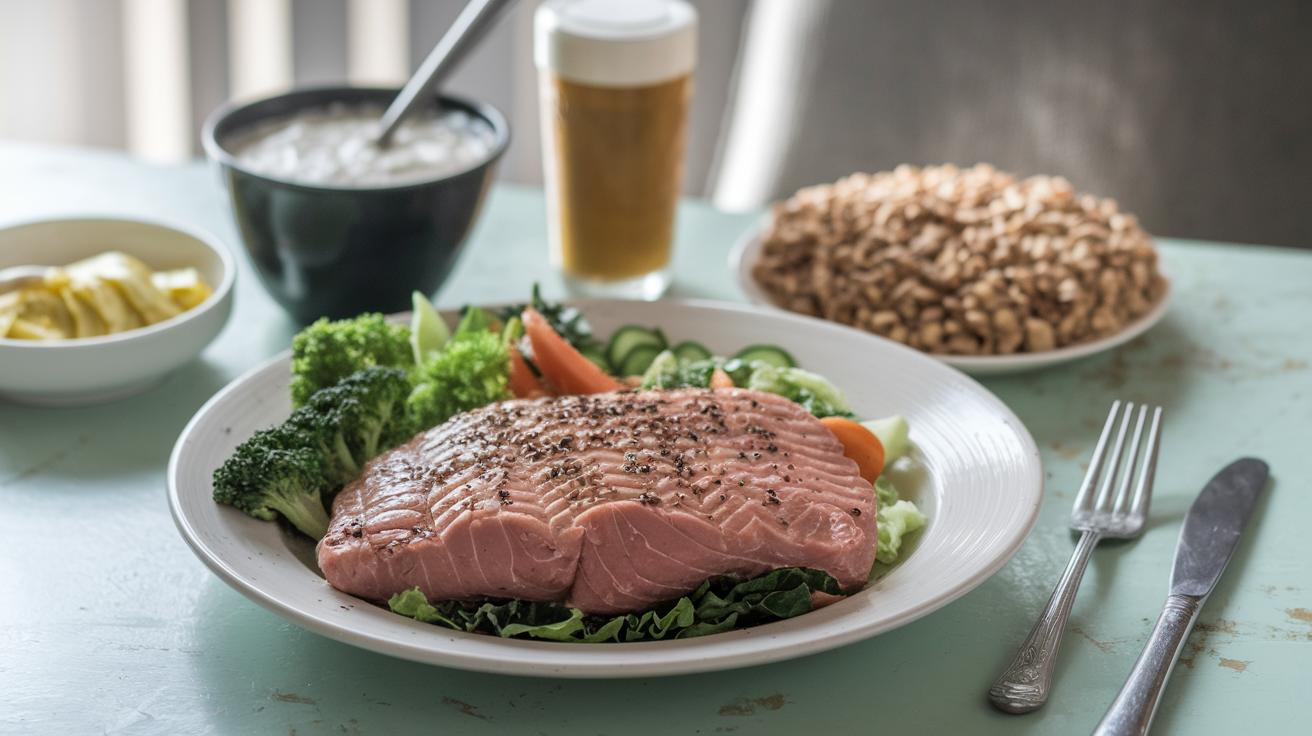
During your second and third trimesters, your body really appreciates a little extra boost. Adding about 300 extra calories each day can help give you and your baby the energy you both need. But it’s not just about eating more, it’s about choosing nutrient-rich foods that work together to keep your energy steady without feeling overwhelmed by empty calories.
Protein is super important at this stage. Aim to get about 10–35 percent of your daily calories from good sources like lean meats, eggs, and beans. These foods help build the baby’s tissues. And don’t forget about carbohydrates! They give you the energy to get through the day while also supporting your baby’s brain development and keeping your blood sugar steady. It’s all about balancing these nutrients to support both you and your little one.
Another great tip is to pack in as much dietary fiber as you can with whole grains, fresh fruits, vegetables, and legumes. Fiber not only keeps your tummy happy and helps you feel full longer, but it also brings along a mix of vitamins and minerals. Plus, a fiber-rich diet can help keep your blood sugar steady and ease some common pregnancy discomforts. By mixing in lots of colorful, plant-based foods, you’re treating yourself to meals that are both nurturing and tasty.
Healthy Weight Gain and Gestational Diabetes Prevention in Maternal Care
Keeping your weight within a healthy range can do wonders for both you and your baby. Research shows that if you start with a normal body mass, aiming to gain around 25 to 35 lbs can ease the extra work your body has to do during pregnancy. This range helps you adjust comfortably without putting too much strain on your body.
Eating balanced meals is really key here. Choosing foods that are whole and full of good nutrients can help manage your blood sugar. For instance, opting for complex carbs instead of sugary treats keeps your blood sugar steadier, which can make a big difference as your body adapts to pregnancy. Cutting back on sweets and sugary drinks supports a smoother, healthier balance.
Here are some friendly suggestions to help you stay on track:
| Tip | Why It Helps |
|---|---|
| Keep a food diary | It lets you see what you’re eating and notice patterns. |
| Set small, realistic goals | This makes steady, gentle weight gain easier and less stressful. |
| Plan meals with lean proteins, whole grains, and veggies | These foods help balance your nutrients and support healthy blood sugar. |
Taking these small steps not only helps control your weight gain but also guides your body safely through all the changes of pregnancy. Have you ever noticed how little shifts in your eating can have a really big impact on your day? It’s like making a tiny change in your favorite recipe that suddenly makes it extra special. Enjoy this journey and be kind to yourself along the way!
Hydration and Food Safety Best Practices in Pregnancy Nutrition
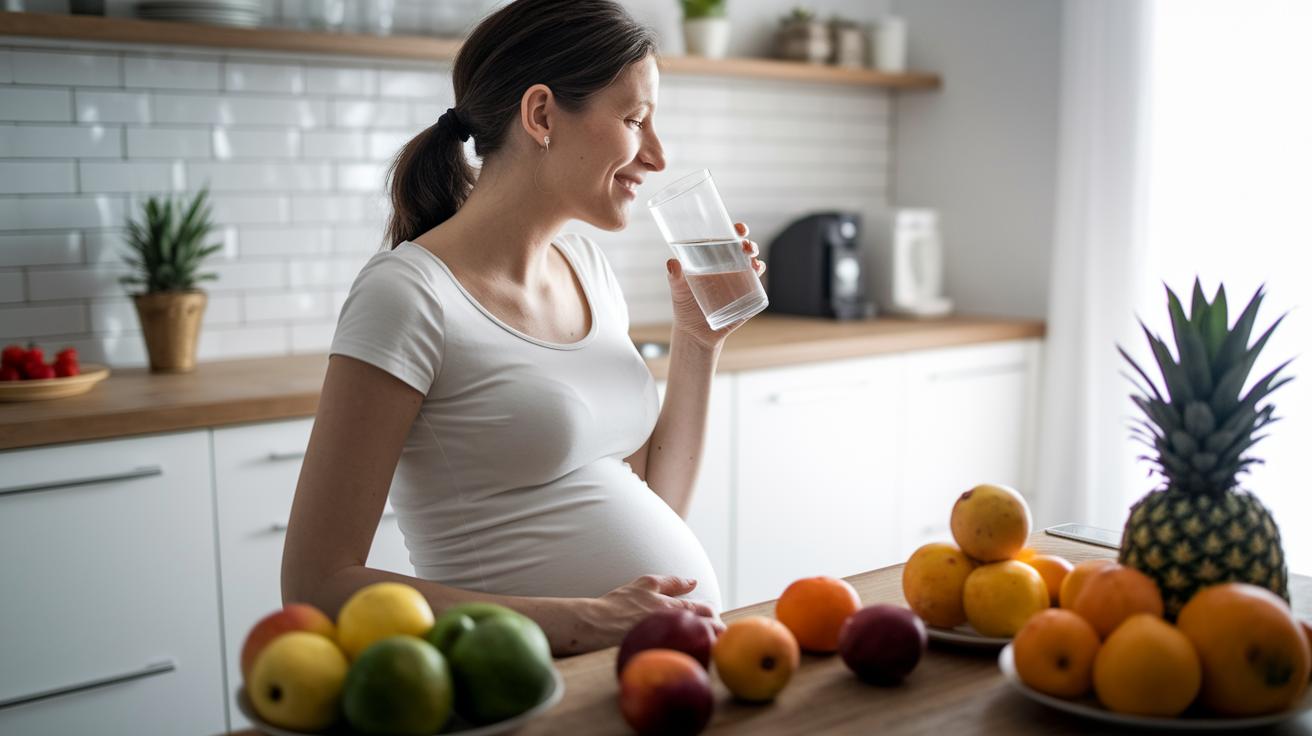
Staying hydrated during pregnancy can make a real difference. Try to drink about 8–10 cups of water a day. This helps your body manage more blood and says keep a good level of amniotic fluid, plus it helps balance your temperature. It might feel like a small change, but it can really brighten your day.
Food safety is just as important now. Always cook meats and eggs well to keep germs at bay. And you might want to skip unpasteurized dairy and undercooked dishes because they can carry bacteria that may not be safe for you or your baby.
If you notice any new food allergies or reactions, take a good look at food labels and chat with your healthcare provider. Keeping your eating routine simple and careful can help both you and your little one stay healthy and happy.
Final Words
In the action of embracing healthy eating during pregnancy, we explored ways to support both mom and baby. We looked at essential vitamins, minerals, and omega-3 fats, along with balanced meal ideas and safe food practices. Each tip helps build a caring routine that boosts Maternal nutrition and prenatal wellness. Remember, little steps in the kitchen today can brighten your tomorrow. Stay hopeful and keep making choices that nurture your body and your baby's future.
FAQ
Q: Importance of nutrition during pregnancy PDF
A: The importance of nutrition during pregnancy, as outlined in resources like PDFs, is that proper nutrient intake supports both maternal well-being and fetal growth while reducing the risk of complications.
Q: What are the effects of poor nutrition during pregnancy
A: The effects of poor nutrition during pregnancy include increased risks for both mother and child, such as developmental delays, low birth weight, and an overall higher chance of health complications.
Q: In what ways does nutrition during pregnancy affect mother and child after birth?
A: Nutrition during pregnancy affects both mother and child by supporting fetal growth, aiding postpartum recovery, and promoting long-term health, including improved immune function and developmental milestones.
Q: Maternal nutrition and fetal development
A: Maternal nutrition and fetal development are closely linked. Adequate nutrient intake supports proper organ formation and brain development, reducing risks during pregnancy while enhancing overall well-being for both.
Q: Poor nutrition during pregnancy effects on the baby
A: Poor nutrition during pregnancy can lead to low birth weight, developmental delays, and long-term health issues in the baby, underscoring the need for a balanced, nutrient-rich diet.
Q: Most important vitamins for pregnancy
A: The most important vitamins for pregnancy include folic acid, iron, and calcium. These nutrients help with neural tube development, building maternal blood volume, and strengthening fetal bones while reducing complications.
Q: 1 to 3 month pregnancy diet chart
A: A 1-to-3-month pregnancy diet chart typically focuses on balanced meals featuring lean proteins, whole grains, fruits, and vegetables, along with essential vitamins and fiber to support early fetal growth and maternal energy.
Q: Nutritional requirements during pregnancy and lactation PDF
A: Nutritional requirement PDFs for pregnancy and lactation provide guidelines for balanced macro- and micronutrient intake, ensuring optimal fetal growth, maternal recovery, and safe breastfeeding practices.
Q: How does maternal nutrition affect prenatal development?
A: Maternal nutrition affects prenatal development by delivering essential nutrients for fetal organ and brain formation, which supports healthy growth and reduces the likelihood of gestational complications.
Q: What is the essential maternal nutrition during pregnancy?
A: Essential maternal nutrition during pregnancy involves a balanced intake of proteins, healthy fats, carbohydrates, vitamins, and minerals, each playing a crucial role in supporting both the mother’s health and the baby’s development.
Q: Why is proper prenatal care and nutrition important during pregnancy?
A: Proper prenatal care and nutrition are important during pregnancy because they help ensure optimal fetal growth, lower the risk of complications, and promote lasting health benefits for both mother and child.
Q: How does maternal health play a role in prenatal development?
A: Maternal health plays a role in prenatal development by influencing nutrient absorption and delivery to the fetus, which is vital for healthy organ and brain development and reducing risks during gestation.