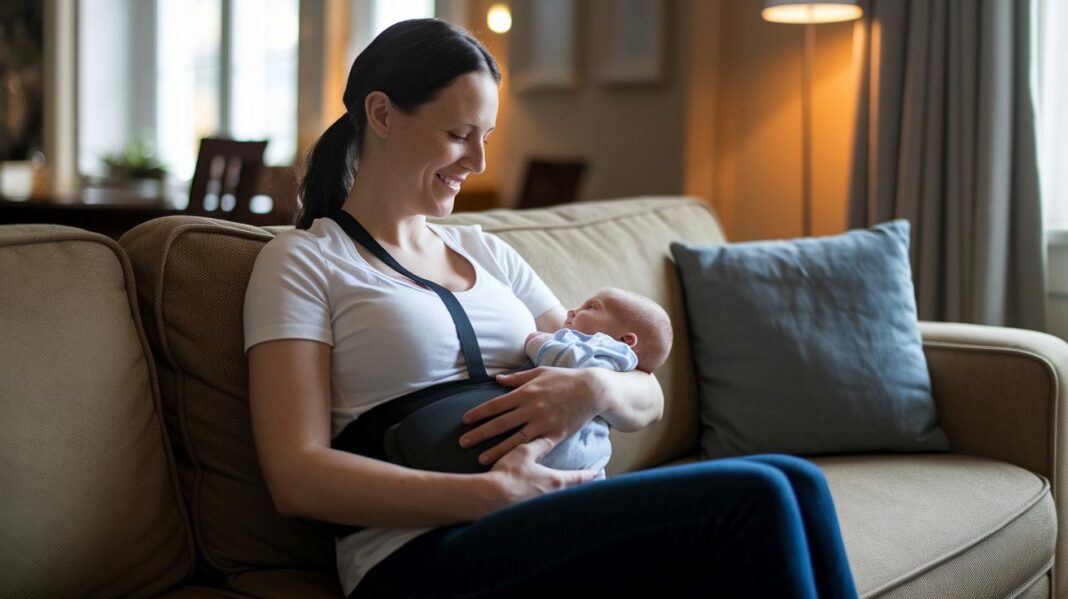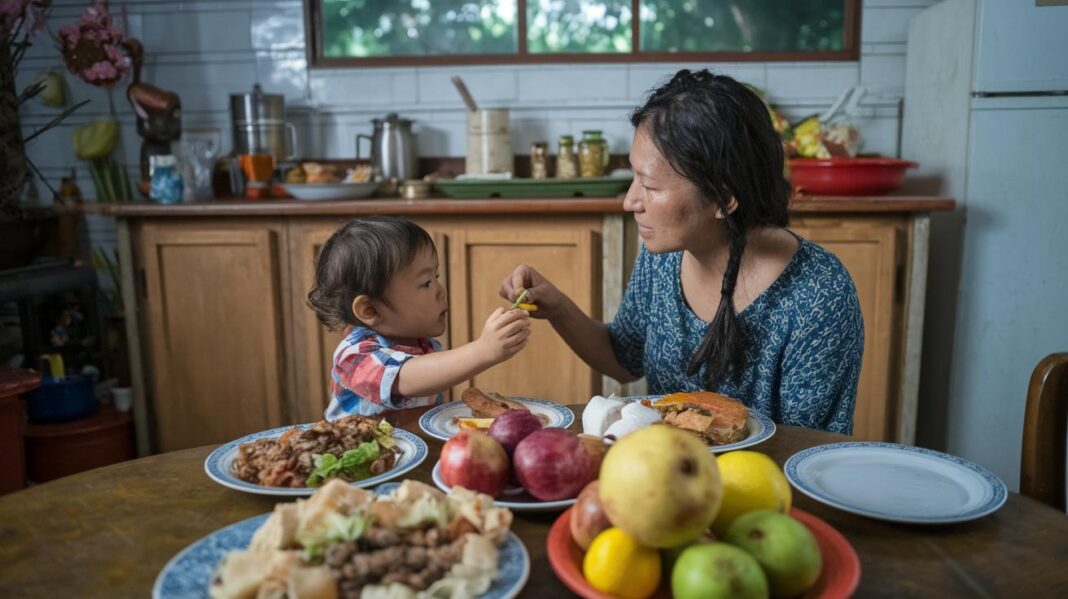
Have you ever noticed how a family recipe can feel as warm and comforting as a hug? Around the world, moms blend old traditions with everyday cooking to create meals filled with cherished memories and the nutrients our bodies need. Picture yourself sipping a cozy cup of herbal tea or eating a bowl of hearty porridge, each bite carries years of love and care. These time-honored recipes do more than just boost your energy; they feed your soul too. Today, let's explore how these joyful traditions help nurture mothers everywhere, gently supporting both body and spirit.
Cultural influences on maternal nutrition: Joyful Roots
Different cultures shape what moms eat when they are expecting. In many families, food isn’t just fuel, it carries the warmth, memories, and care passed down over generations. Some people believe that certain foods have gentle effects, like warming or cooling the body. For instance, in some cultures, hot foods are seen as energizing while cool foods help calm the body.
Many communities have simple, time-honored rituals that gently guide a mom's diet during pregnancy. In one small village, a close friend told me that moms start their day with a soothing herbal tea and a bowl of hearty, nutrient-packed porridge. This comforting ritual has been shared and cherished for generations, showing how family and community advice can shape everyday meal choices.
These cherished traditions can have a real impact on a mom’s health. Traditional diets that include whole grains, fresh fruits, and vegetables can help boost energy and lower the risk of anemia. Yet, when old beliefs limit food variety too much, there might be gaps in nutrition. It’s all about balancing beloved traditions with modern nutritional tips for the best care during pregnancy.
Traditional Maternal Nutrition Practices During Gestation
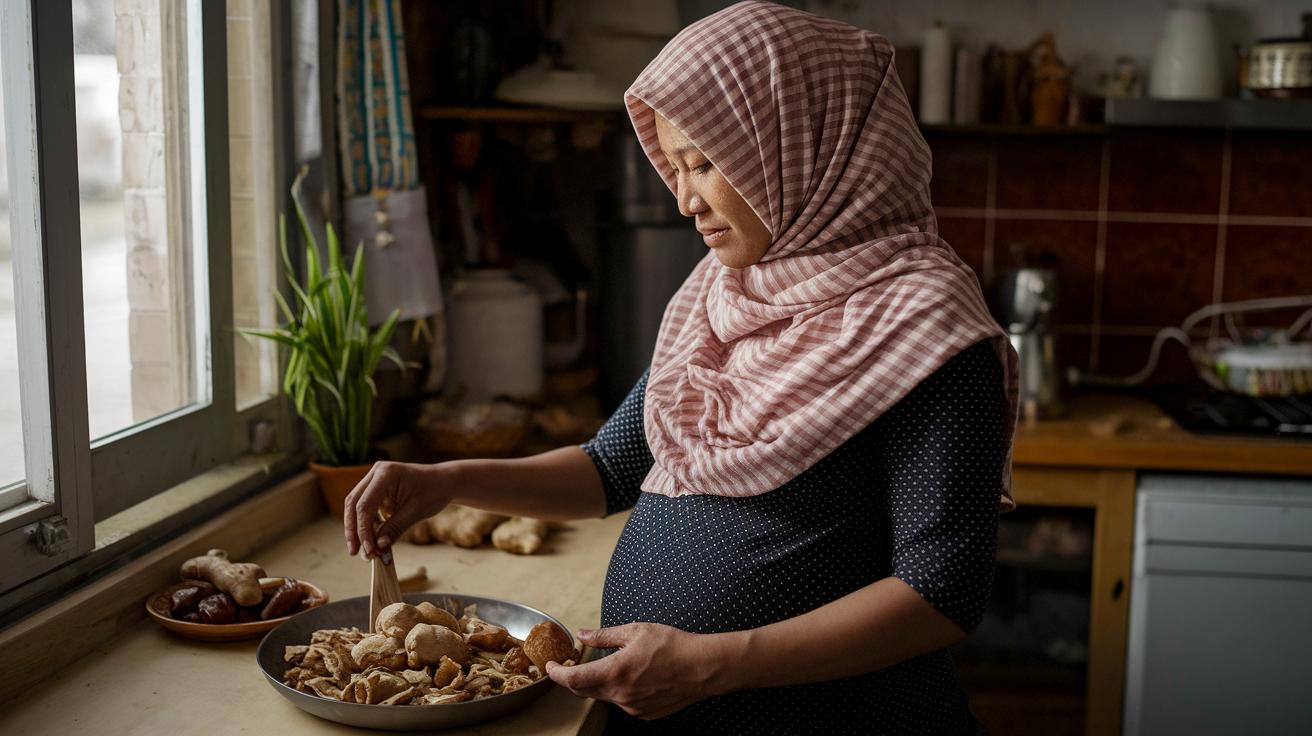
Many moms around the world enjoy time-tested recipes during pregnancy that blend family heritage with foods that nurture both body and spirit. These traditions, passed down through generations, combine comfort with key nutrients for both mom and baby.
- In many Asian families, ginger and dates are a beloved pair. They add a gentle zing while helping boost iron and antioxidants. But don’t go overboard, too much ginger might lead to a bit of heartburn.
- In African traditions, cassava leaves are a special treat. They pack folate and vitamin B6, but they need to be prepared well so that any natural compounds that might cause issues are reduced.
- Latin American moms often enjoy atole, a warm maize-based drink. It offers a steady source of carbohydrates and protein, adding a familiar, homey touch to daily meals.
Overall, these practices show us that food can be a beautiful link between history and health. Sharing meals that have been loved for generations can wrap you in a sense of belonging and care. And while these traditional foods offer many benefits, it’s wise to prepare them correctly and enjoy them in moderation. Have you ever noticed how a family's favorite recipe can make you feel both safe and energized?
Maternal Belief Systems Shaping Prenatal Dietary Taboos and Rituals
Many cultures have special food rules that help guide what expectant moms choose to eat. In some communities, for instance, eggs and meat are avoided because people worry they might make delivery tougher or cause other problems.
Food rituals during pregnancy are full of heart and meaning. Many families say a little blessing before eating, turning a regular meal into a moment of thanks and care. There are also special times when moms fast or feast to celebrate important moments, creating a warm link between tradition and nourishment. These practices honor both the body and the spirit, reminding us that food connects our cultural history with our personal well-being.
In some regions, moms steer clear of certain foods because of local beliefs. For example, in a few African communities, fish might be skipped to keep bones strong, while in other places, colostrum (the first milk) isn’t consumed due to spiritual concerns.
These beliefs can be a comforting guide as well as a challenge. On one hand, they help encourage mindful eating and a sense of community support. On the other, they might mean missing out on key nutrients when valuable foods are avoided. By understanding these traditions, caregivers can offer balanced advice that honors cultural practices while also supporting the health of both mom and baby.
Societal and Community Roles in Maternal Nutrition
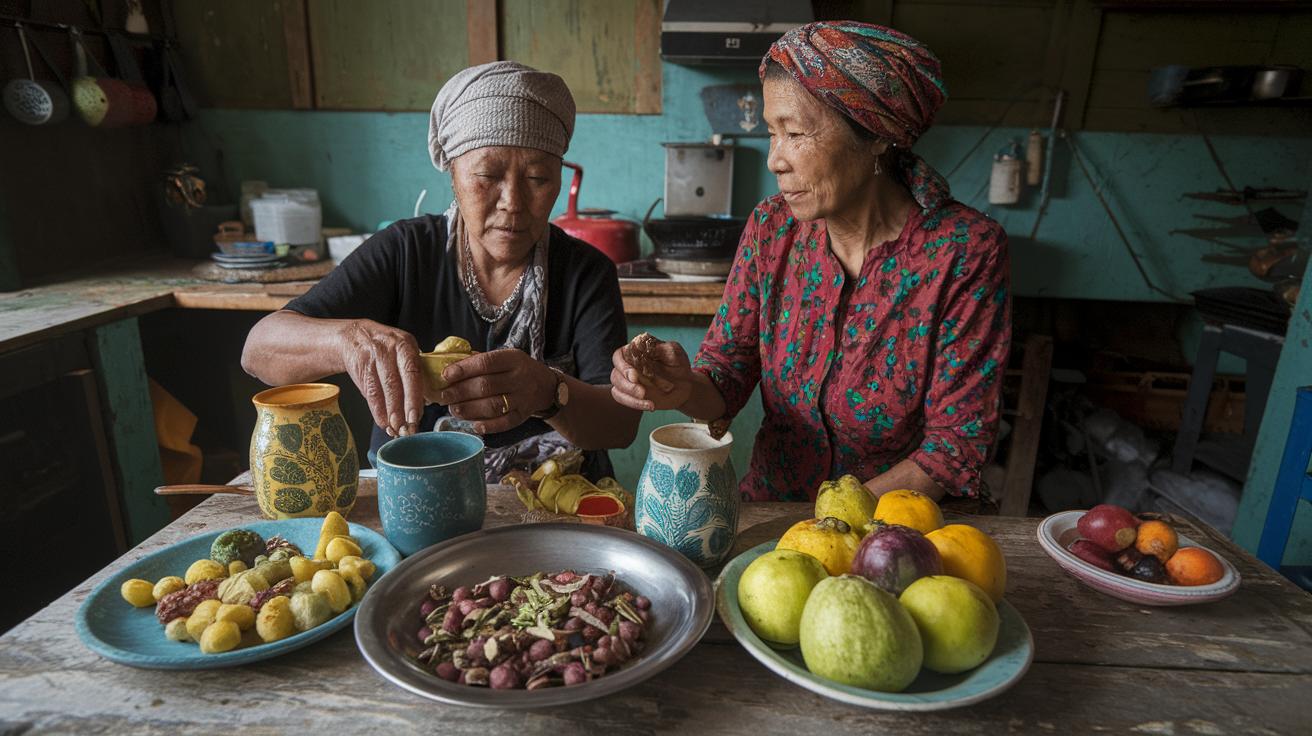
Family elders have always played a big role in guiding a mom's diet during pregnancy. In the old days, especially in small towns and rural areas, advice came straight from family traditions, like trusted recipes and simple home remedies passed down through the years. Today, in cities, moms mix that time-tested wisdom with new ideas and current information. It reminds me of the saying, "Before modern stores took over, family recipes were the go-to for a healthy pregnancy."
The way we come together to prepare meals has also changed over time. In rural areas, community kitchens still bring neighbors together, sharing familiar cooking methods and supporting each other daily. In urban settings, new community centers now offer shared meal sessions and nutrition workshops, creating fresh spaces for connection. It’s all part of how our communities keep supporting moms in ever-changing ways.
Festive events continue to celebrate seasonal and cultural traditions, but they now have a variety of flavors. In the countryside, you might find midwives recommending herbal soups during community feasts that revive old customs. In contrast, city celebrations blend these cherished practices with modern touches, like insights from local nutritional research. It's heartwarming to see how traditions adapt while still keeping that trusted, communal spirit.
Maternal and Fetal Health Outcomes Linked to Cultural Dietary Practices
New research shows that eating a diet filled with fruits, vegetables, and traditional herbal teas can help prevent anemia and boost overall well-being during pregnancy. Studies have found that these time-tested food habits bring a balanced mix of nutrients and keep you well hydrated. It’s interesting to see how recipes passed down through generations might even lower the risk of missing key vitamins and minerals.
Some studies also point out that avoiding certain protein sources in some traditions could be linked with slightly lower birth weights, while relying too much on starchy foods might raise the risk of gestational diabetes. On the bright side, many traditional practices include herbal teas, which do a great job at keeping moms hydrated and supporting healthy amniotic fluid levels. Have you ever noticed how small, simple changes in your diet can make a big difference in your day?
It really all comes down to finding the right mix between cultural wisdom and modern nutrition advice. Research tells us that many of these traditional diets provide essential nutrients, even if some habits might need a little tweaking to cover all the bases. By combining the best of both worlds, moms, families, and healthcare providers can work together to create a nurturing path toward a healthy pregnancy and a happy baby.
Integrating Cultural Sensitivity into Maternal Nutrition Care
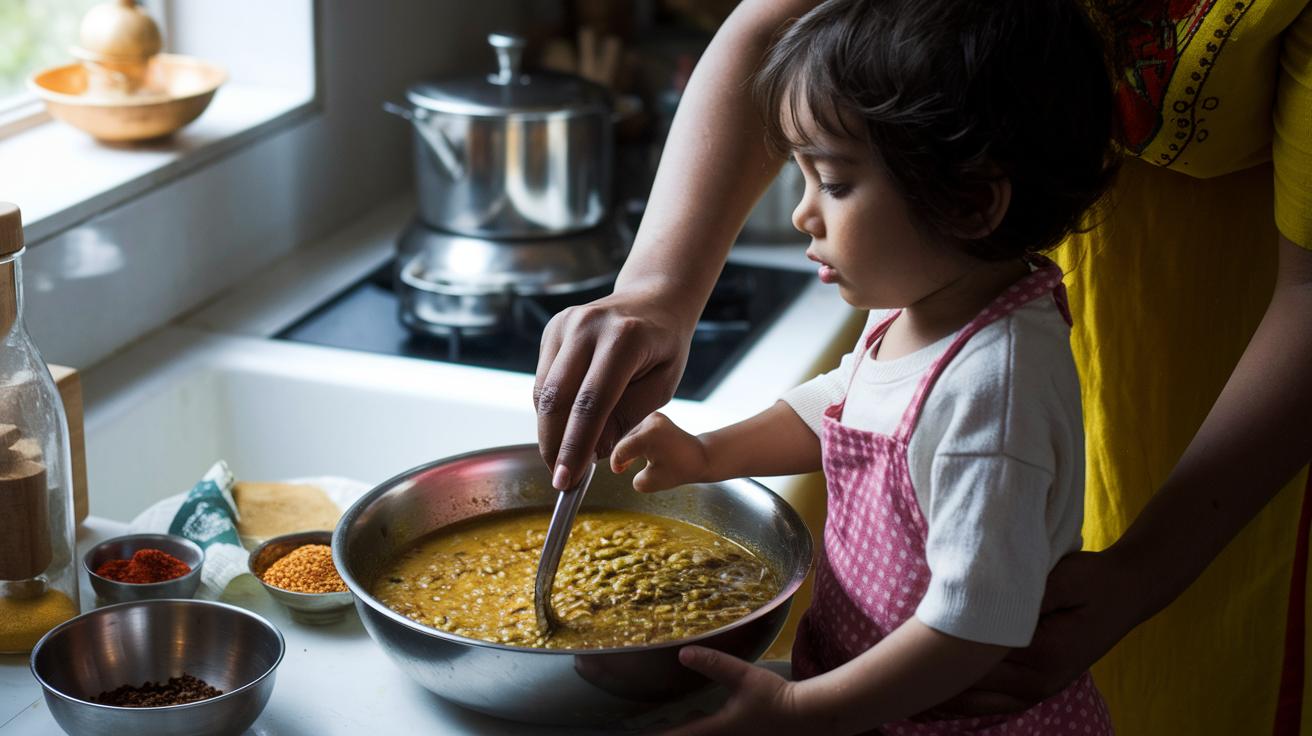
When we talk about helping moms with good nutrition, it all starts with understanding and respecting each family's culture. Knowing what foods are part of their history and beliefs helps doctors and nurses give caring, honest advice. Organizations like WHO and UNICEF have shown that when care providers learn about local food habits, trust grows naturally between families and their health team. This gentle mix of tradition and science means listening to what families love and then using that insight to support a mom’s health.
There are a few simple ways to bring culture into nutrition care. For example, communities can add nutrients to everyday foods that families already enjoy. In Bangladesh, one project mixed lentil daal with iron supplements, which helped reduce anemia in moms. Local health teams can also set up small workshops where nutrition experts sit down with community elders to share ideas about blending old food customs with today’s guidelines. Little steps, like teaching safe ways to prepare traditional meals, let moms enjoy their heritage while meeting modern dietary needs.
We can also blend cherished family recipes with today's nutritional advice. Moms have the chance to honor the way food has always been a part of their lives, while making smart tweaks to keep everyone healthy. This balanced view respects the deep traditions of family cooking, even when some parts need a modern update. By joining the old wisdom of cultural food traditions with new ideas on nutrition, care providers pave a gentle, nurturing path that benefits both mother and baby.
Final Words
In the action, we explored how traditions, family insights, and community guidance shape maternal nutrition choices. We looked at how everyday rituals and dietary practices make a difference in both mother and baby health.
The blog shows that understanding cultural influences on maternal nutrition can build a caring foundation for healthier choices. Embracing a balance between cultural wisdom and modern advice paves a positive path for confident, informed care.
FAQ
What are five cultural influences on maternal nutrition?
This question shows that cultural influences include traditional food practices, family rituals, community customs, ethnic dietary beliefs, and social guidelines. Each factor steers food choices during pregnancy.
What factors affect nutrition during pregnancy?
This question reveals that nutrition during pregnancy is shaped by cultural practices, food availability, healthcare advice, family traditions, and personal dietary preferences—all of which work together for a balanced diet.
What is maternal nutrition?
This question defines maternal nutrition as the balanced intake of foods and nutrients during pregnancy. It supports both the mother’s well-being and the baby’s healthy growth through culturally influenced eating habits.
How does maternal nutrition impact fetal development?
This question indicates that proper maternal nutrition supplies essential vitamins and minerals for fetal growth, helping to reduce risks like low birth weight and supporting overall healthy development for the baby.
How does culture impact maternal health and nutrition?
This question explains that culture guides food choices, meal patterns, and beliefs about diet during pregnancy. These cultural traditions influence a mother’s nutritional health and her overall well-being.
How can I access resources like PDFs or PPTs on maternal nutrition?
This question implies that PDFs and PPTs provide visual overviews of cultural dietary practices, research findings, and nutritional guidelines. They serve as helpful references for families and healthcare providers.