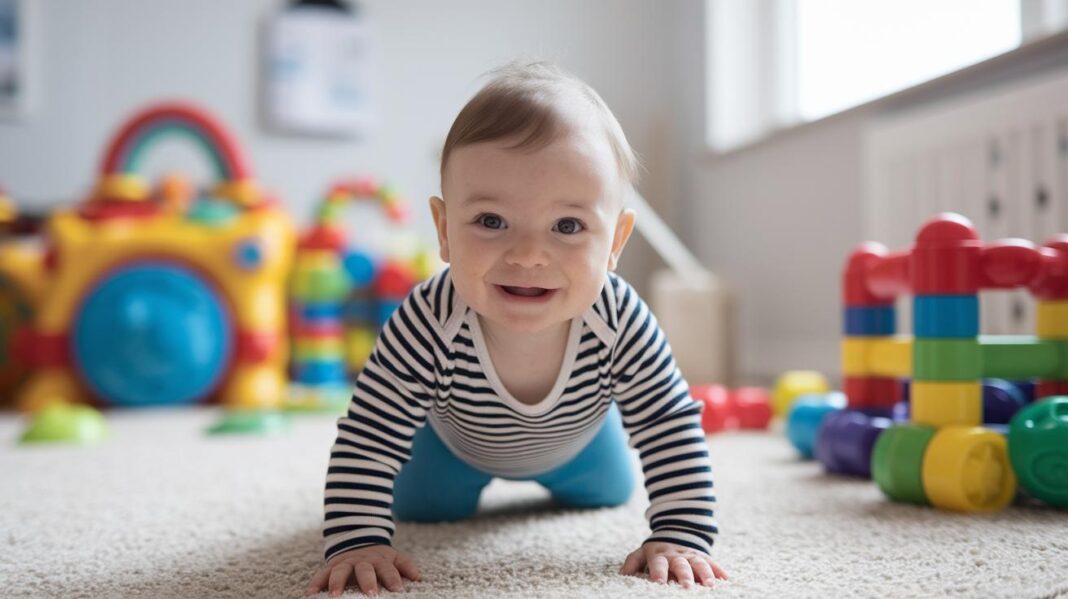
Have you ever wondered if your little one is getting ready to roll or crawl? It’s so special when you see a tiny movement that makes you smile and brings hope. In the early months, simple actions like lifting their head or reaching for a favorite toy are little signs of growing strength. Each small step shows how your baby is gently learning to explore their world.
Today, let’s take a look at these amazing milestones and share some ideas to help you celebrate every moment with warmth and joy.
Infant Physical Milestones: Bright growth stages
The first year is a time full of surprises, as every little change shows just how quickly your baby is growing. Every smile and wiggle hints at all the progress happening in those tiny muscles. When your baby starts to lift their head or take a little roll, it’s a warm reminder that their body is learning to move and explore. These precious steps happen naturally, nurtured by plenty of cuddles and playful moments at home.
Think of these milestones as little chapters in your baby’s first year. In the first three months, you might notice them using innate reflexes and slowly gaining the strength to hold their head up. Around four to six months, many babies begin to roll over and sit with some support. Then, between seven and nine months, your little one might start crawling around, showing off their growing strength as they balance and even try to stand. By the time they reach 10 to 12 months, you might see those first exciting attempts at pulling up and taking small steps. For more details on early physical growth, please check out the guidelines on physical development in early childhood.
Month-by-Month Timeline of Infant Physical Milestones
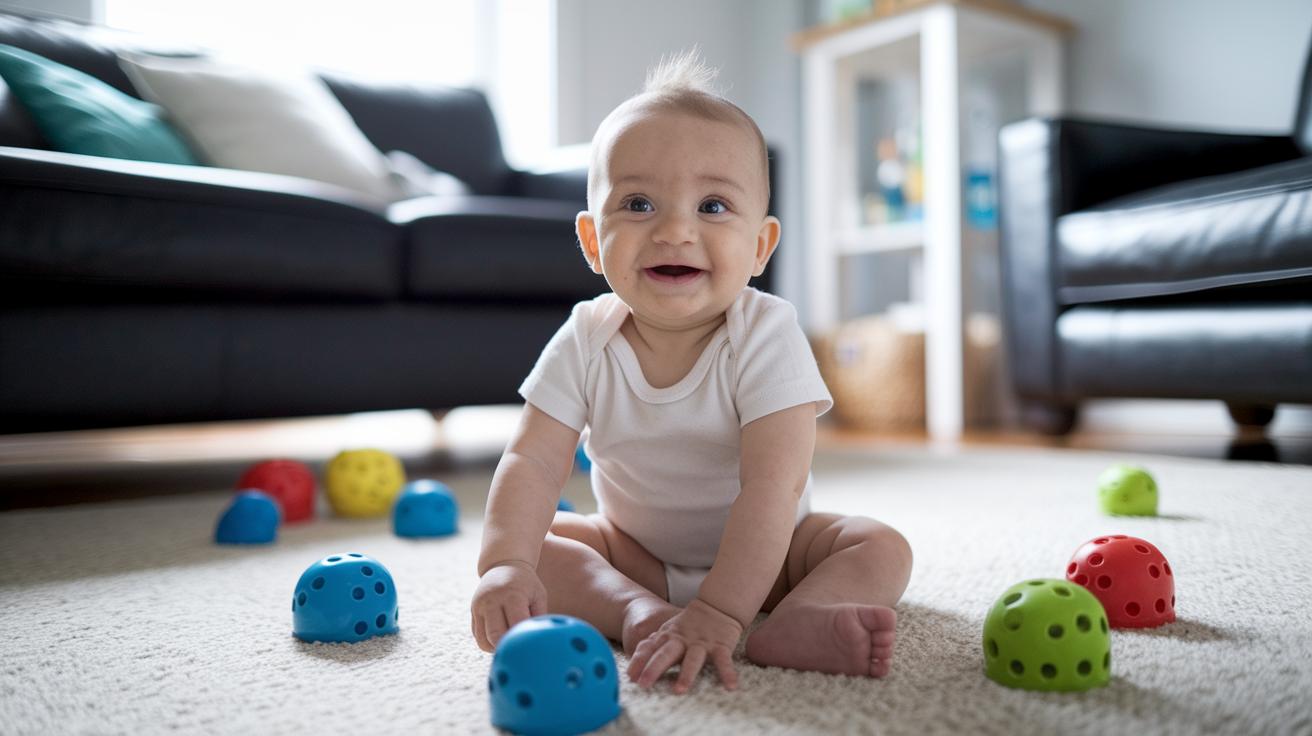
This guide is here to help you keep an eye on your baby's growing skills. Every month brings new moves, like lifting their head better, rolling over, or even starting to sit up. Remember, each baby is unique, so use these tips as a friendly check-in, not as a strict timetable.
Sometimes your little one might hit a new skill a bit sooner or later than expected, and that's totally okay. When you see small changes like a firmer head lift or improved hand use, jot them down so you can chat about it with your pediatrician if you have any worries. Enjoy those moments when your baby rolls over or grabs a toy – they set the stage for even bigger adventures in movement.
| Age (Months) | Gross Motor Skills | Fine Motor Skills |
|---|---|---|
| 1 | Limited head lift when on tummy | Grasp reflex; hands are mostly closed |
| 2 | Small improvements in head control with brief lifts | Starts to explore with open hands |
| 3 | Better head control | Reaches out, trying to swipe at objects |
| 4 | Begins rolling from tummy to back | Reaches for toys hanging nearby |
| 5 | Sits with some support | Grasps objects on purpose |
| 6 | Sits steadily without help | Passes objects between hands |
| 7 | Rolls both ways and starts gaining balance | Begins feeling object textures |
| 8 | Sits well; may start to creep around | Develops an early pincer grasp |
| 9 | Pulls up to stand | Handles small toys with curiosity |
| 10 | Cruises along furniture | Refines hand control |
| 11 | Stands briefly without help | Examines objects with interest |
| 12 | May take their first steps | Uses fingers to point at and pick up items |
Take some time now and then to look over these milestones with your family as you celebrate each little win. Each new skill is a stepping stone that builds your baby's confidence and readiness to explore. It’s all about cherishing these small moments that add up to a big journey in growth.
Keeping an eye on your baby’s progress using this timeline can be a gentle reminder during busy days. Remember, every baby grows their own way. Celebrate all the little milestones, and if you ever feel unsure about anything, it’s always a good idea to reach out for advice. Your care creates a warm, loving space where every achievement shines.
Warning Signs and Tracking Infant Motor Development
Keep an eye out for little warning signs as your baby grows. Sometimes, they may take a bit longer to pick up some skills, and that's okay. However, watching for these signs helps you gently check in on their progress. A few delays can be normal, but if you notice several areas of concern or if your baby starts losing skills they once had, it might be time to reach out to a health professional.
Here are some signs to watch for:
- No head control by 3 months
- Trouble rolling over by 4 months
- Difficulty sitting with support by 5 months
- Not sitting steadily by 8 months
- Not putting weight on legs by 12 months
- Losing skills that they had developed before
If you see a few of these signs, consider talking with a child health nurse, your GP, or a paediatrician. Trust your instincts, if something feels off, getting advice from a professional can bring you comfort and clear guidance for your baby's unique growth journey.
Role of Gross and Fine Motor Milestones in Infant Physical Growth
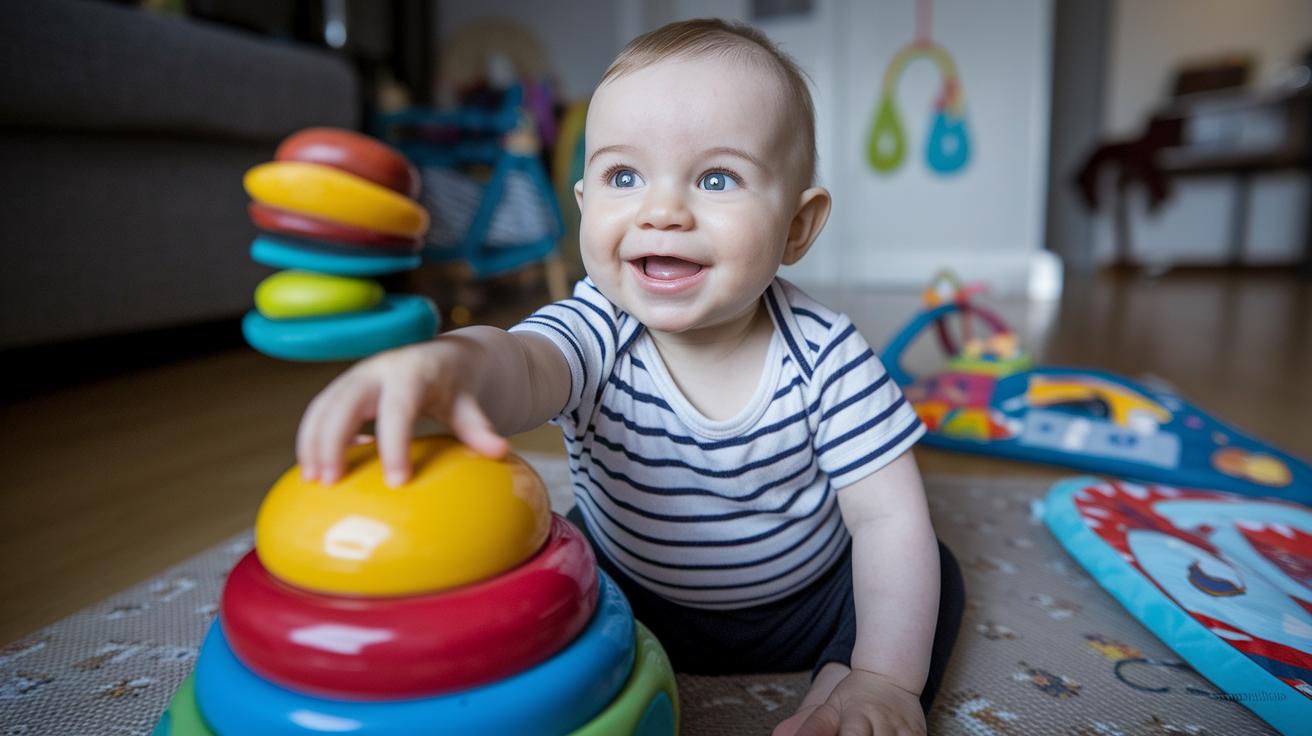
When babies learn big movements, it’s not just about building strong muscles. Each new step, roll, or stand sparks curiosity and builds confidence. Remember how exciting it is when your little one tries to stand? That tiny victory opens the door to a whole world of exploration and joy. You might say, "Look at me, I'm standing up!" as if it were a little leap of bravery.
Small movements matter too. When babies use their fingers to pick up a toy or move an object from hand to hand, they are not only learning to control their body but also discovering new textures and shapes. Every attempt at grabbing a spoon or holding a beloved toy is a moment of success that builds their self-reliance. Imagine your baby softly patting a cuddly toy, it’s a gentle sign of growing independence.
Both big and small movements work hand in hand, helping your baby explore a richer world of feelings and ideas. Each step and touch lays the groundwork for more advanced skills and a wonderful way to express themselves later on.
Supporting Infant Physical Skills at Home
A warm and loving home is the perfect place for your baby to explore movement and build strength while having fun. Every little roll, stretch, or wiggle is a chance for discovery. When you share playful moments and gentle touches with your baby, you help them feel safe and excited to move.
Play-Based Activities to Encourage Milestones
Tummy time is a wonderful way to help build neck and upper-body muscles. Let your baby reach out for bright, colorful toys to spark curiosity and boost hand-eye coordination. You can also support them as they try to stand, making those first steps at balance feel like small victories. Isn’t it amazing how every roll or reach turns into a celebration of growth?
Home Safety and Equipment Tips
It is essential to create a safe play area at home. Soft mats offer a cozy space for crawling and rolling, and securely fixed furniture provides gentle help for those tentative stands. You might even use a baby gym or a push toy to encourage safe exploration. With a few thoughtful touches, you turn your home into a nurturing space where every new step feels special.
Resources and Checklists for Tracking Infant Physical Progress

There are lots of simple tools to help you keep up with your baby's physical milestones. You can print out PDF checklists to jot down key steps or use smartphone apps to mark daily progress. Many parents like these digital trackers because they show things like head control, rolling, sitting, crawling, and even those first little steps. They help you celebrate your baby’s growth and can gently signal when it might be time to talk to a health professional if things don’t seem quite right.
Try to update your checklist regularly and compare your notes with common developmental timelines. This steady check-in can ease your mind and make your chats with your trusted health professional more helpful. For more details on developmental charts, check out stages of childhood development.
Final Words
In the action, we explored how infant physical milestones shape a baby's first year of growth. We highlighted age-specific progress, from head control to early steps, and shared practical tips for home play and safety.
We also looked at key warning signs and ways to track progress using charts and checklists. Seeing these infant physical milestones in real time reminds us that every small step builds a foundation for a thriving future. Keep smiling and enjoy every unique moment of this stage!
FAQ
How can I track baby milestones month by month?
Tracking baby milestones month by month means using a milestone chart or PDF checklist that outlines changes in motor skills and overall development during the first year. These tools help parents monitor progress at home.
What are the physical milestones of an infant?
The physical milestones of an infant include gaining head control, learning to roll, sitting, crawling, standing, and eventually walking. These signs provide insight into strength and coordination development.
What physical milestones should a 6 month old have?
A 6-month-old typically begins to roll over, sit with support, and reaches for objects. This progress reflects improved muscle strength and coordination, preparing them for more active movements.
What are the 5 developmental milestones?
The 5 developmental milestones often include gross motor, fine motor, language, cognitive, and social-emotional skills. Tracking these areas helps parents understand a baby’s overall growth and development.
What are some physical milestones for a 4 month old?
A 4-month-old generally shows signs of steady head control, pushes up during tummy time, and reaches for toys. These milestones indicate growing strength and better hand-eye coordination.
What are baby development stages from 1 to 2 years?
Baby development stages from 1 to 2 years often include walking, climbing, starting to speak, and beginning simple self-help skills. These stages mark increased independence and refined motor skills.