
Have you ever thought that a small change might make you feel better while you're expecting? Adding a little more fiber to your meals could be just the boost you need. Fiber comes from foods like fruits, veggies, nuts, seeds, and whole grains, and experts say aiming for about 30 grams a day can help your digestion and keep your blood sugar steady.
I once chatted with a mom who mentioned that an extra slice of whole-grain bread brightened her entire day. In this post, we’ll talk about how fiber not only helps you feel your best but also supports your baby’s healthy growth. It’s a simple, powerful addition to your prenatal care that could truly make a difference.
Importance of dietary fiber in maternal nutrition empowers
Dietary fiber comes from fruits, veggies, nuts, seeds, and whole grains. It’s a type of plant carbohydrate that our body doesn’t digest, yet it plays a big part in keeping both mom and baby healthy during pregnancy. Experts suggest aiming for about 30 grams a day to help fight off issues like constipation. I remember one mom sharing how simply adding an extra slice of whole-grain bread made her day so much easier.
Fiber acts like a gentle push for your food, adding bulk to your stool and moving everything along smoothly. This can be a real relief when certain hormones slow down your digestion. Soluble fiber, which dissolves in water and forms a gel-like substance, can help keep your blood sugar and cholesterol levels steady. This not only helps keep your own body balanced but also supports steady nutrient delivery for your baby.
Many moms-to-be don’t get the right amount of fiber in their diet, so it’s really useful to pay attention to including fiber-rich foods. Increasing fiber can ease tummy troubles and boost your overall wellness during these busy months. It’s like adding a comforting ingredient to your everyday routine, a small change that makes a big difference. When moms make a habit of including enough fiber, they often notice easier digestion and more energy throughout the day.
Types of Dietary Fiber and Their Prenatal Benefits

When you're pregnant, your digestion might slow down a bit, and that's totally normal. Adding fiber to your meals can really help keep things moving. Soluble fiber mixes with water to create a soft, gentle gel that helps soften your stool, keeps you feeling full, and even helps balance your blood sugar. Insoluble fiber, while not talked about as much, adds bulk to your stool so it travels more easily through your digestive system. Using both types of fiber can ease some of the discomforts and keep your tummy happy during these changes.
- Soluble fiber: mixes with water to form a soft gel that helps ease stool and balance blood sugar.
- Insoluble fiber: adds bulk, helping your body move things along naturally.
- Combined fiber intake: eases the common slowdown in digestion during pregnancy.
- Balanced fiber: keeps you feeling full while helping your digestion work smoothly.
Recommended Fiber Intake Guidelines for Expectant Mothers
Experts say that when you're expecting, about 25 to 30 grams of fiber each day is a good goal. This simple target helps your tummy feel better and eases common discomfort like constipation. Try to enjoy some fiber at each meal along with a couple of fiber-filled snacks during the day.
Making small changes to your meals can go a long way. For example, you might start your morning with a warm bowl of oatmeal, add a handful of berries, and sprinkle a little chia seed on top. At lunch and dinner, mix in whole grains or have a small side salad with fresh veggies. And if you're a bit peckish between meals, how about an apple or a small handful of almonds? It’s little changes like these that can really make a difference.
Don’t forget to pair your fiber with plenty of water. Drinking 8 to 10 cups of water each day can help everything flow smoothly. Staying well hydrated not only lets fiber do its job, but also supports your overall health while you’re expecting.
Top High-Fiber Foods for a Prenatal Diet
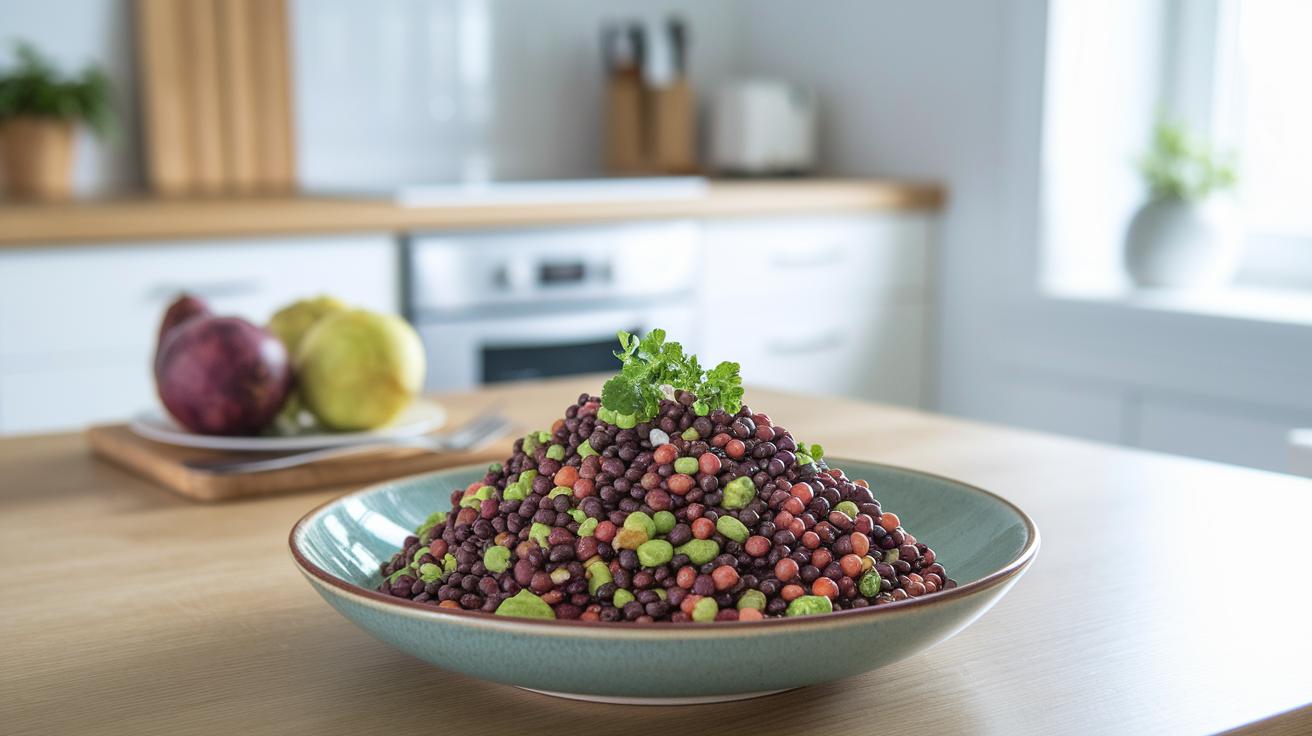
When you're expecting, taking care of yourself means choosing meals that are full of both the important nutrients and fiber you need. High-fiber foods help your tummy feel good and support the well-being of both you and your little one. For example, have you ever thought about tossing some beans or lentils into your salad? They can easily boost your fiber without any extra fuss.
| Food | Fiber per Serving (g) |
|---|---|
| Legumes (beans, lentils, chickpeas) | 6–8 per ½ cup cooked |
| Whole grains (oats, barley, quinoa, brown rice) | 3–5 per serving |
| Fruits (apples, pears, bananas) | 3–4 per medium fruit |
| Vegetables (broccoli, carrots, Brussels sprouts) | 2–4 per cup |
| Nuts and seeds (almonds, chia, flaxseed) | 3–5 per ounce |
Mixing these foods throughout your day is a simple way to meet your fiber goal. Imagine starting your morning with a hearty whole-grain bowl, enjoying a bean salad for lunch, or grabbing a few nuts as a quick snack. Adding these natural fiber sources to your meals can help you feel comfortable and nourished while you take care of both you and your baby.
Meal Planning Strategies to Boost Prenatal Fiber Intake
If you're pregnant and looking for easy ways to add fiber without changing your whole diet, try these simple ideas that feel like a gentle nudge toward better health. Instead of using refined grains, why not choose whole-grain breads and pastas? They bring extra fiber to your meal while keeping the comfort food you love.
When you mix in fiber-rich ingredients into everyday dishes, it can help your tummy work better and keep you feeling energized. Have you ever noticed how a small change can make your day feel a bit lighter? For instance, adding a serving of legumes to your salads, soups, or casseroles gives you a boost of fiber and protein that benefits both you and your baby.
Another cozy tip is to sprinkle a little chia or flaxseed into your yogurt, smoothies, or oatmeal. It’s an easy way to add a nourishing touch to your routine. And when life gets busy, snacking on fresh fruit paired with a bit of nut butter or a handful of trail mix can be a quick, delightful fiber boost.
Don't forget about your dinner, roasted vegetables or a tasty veggie-based dip can round out your fiber for the day, offering a burst of flavor with every bite.
| Strategies |
|---|
| Swap refined grains for whole-grain breads and pastas. |
| Add a serving of legumes to soups, salads, or casseroles. |
| Mix a little chia or flaxseed into yogurt, smoothies, or oatmeal. |
| Snack on fresh fruit with a touch of nut butter or a handful of trail mix. |
| Enjoy roasted vegetables in your meals. |
| Experiment with vegetable-based dips to add more fiber. |
Potential Health Risks of Insufficient Fiber in Pregnancy
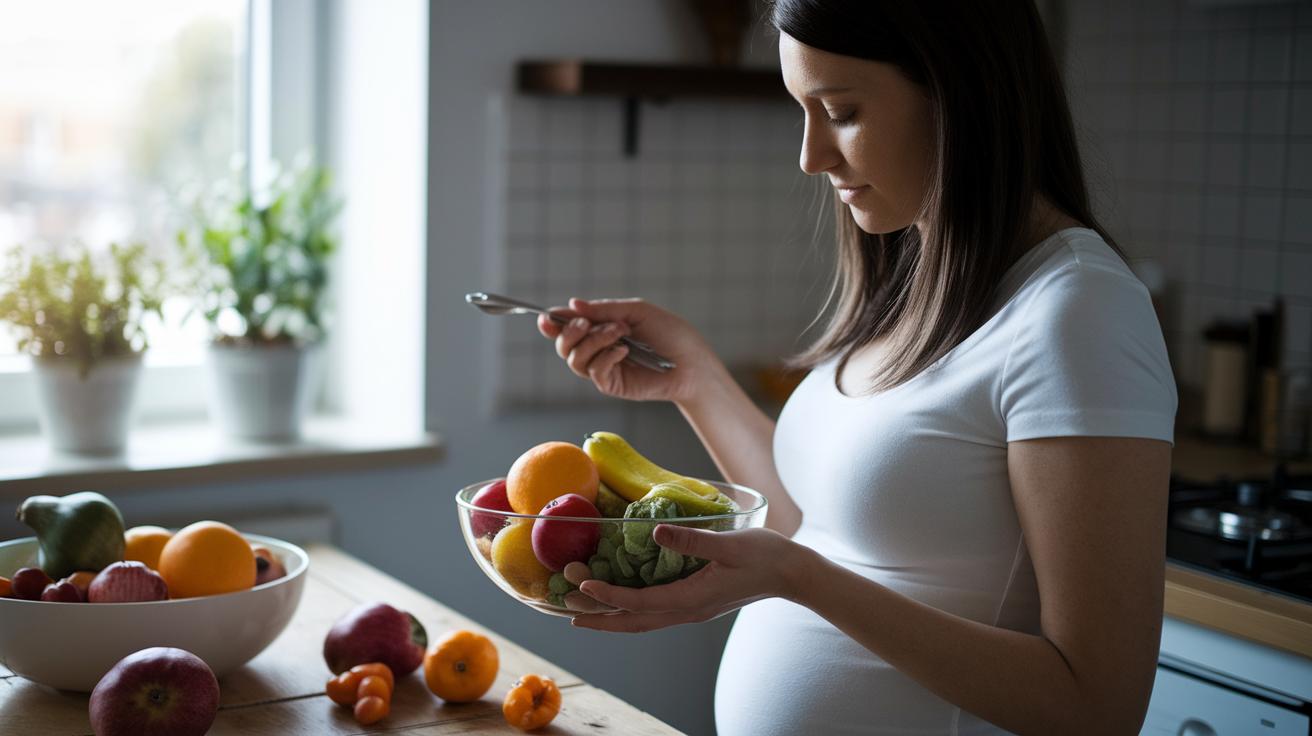
Not getting enough fiber when you're expecting can lead to some real discomfort for both you and your baby. You might notice a heavy, sluggish feeling in your tummy, that's often a sign of constipation, which can even lead to hemorrhoids. It’s those everyday struggles that add stress during a time when your body is already working so hard.
Low fiber can also play havoc with your blood sugar after meals. Without enough fiber, your blood sugar may spike, raising the risk of gestational diabetes, a challenge that might stick around even after your baby arrives. Plus, a low-fiber diet might lead to extra weight gain and unbalanced cholesterol levels, putting more pressure on your overall health. Some research even hints that not enough fiber could trigger chronic inflammation or disrupt your gut’s natural balance.
The good news is that small changes can make a big difference. Adding more fruits, vegetables, and whole grains to your day is like giving your body a gentle boost. Next time you’re planning a meal, think of it as a little act of self-care for both you and your growing baby.
Safe Use of Fiber Supplements in Maternal Nutrition
Fiber supplements like psyllium and methylcellulose can gently help support your digestion when you’re not getting enough fiber from the foods you eat. Whole-food sources are still the best way to meet your fiber needs, and these supplements are a backup for those times when you need a little extra help.
When you start taking a supplement, it’s a good idea to keep the dose low at first, around 5 grams. Over time, you can slowly increase that amount up to 20 grams, depending on how your body feels. This gradual process helps your body adjust without any surprise discomfort.
Before you add any new supplement to your routine, it’s really important to chat with your obstetric provider. They know your unique needs and can guide you on what’s best for both you and your baby. Following these steps makes sure that your fiber intake supports your health and helps your baby grow in the best way possible.
- Psyllium and methylcellulose work gently to support digestion.
- Always try to get most of your fiber from whole foods first.
- Start with a low dose (about 5 grams) and increase slowly to 20 grams.
- Talk to your obstetric provider before starting any new supplement.
Final Words
In the action, we explored how the right amount of fiber eases discomfort and supports overall health during pregnancy. We broke down easy tips to hit that 30-gram goal, looked at different fiber types, and highlighted foods and meal strategies that make a difference. Clear, supportive guidelines and safe supplement tips remind us that small adjustments can mean big benefits. The importance of dietary fiber in maternal nutrition shines as a simple step toward a healthier, happier pregnancy.
FAQ
Why is fiber important during pregnancy?
Fiber is important during pregnancy because it supports smooth digestion, helps prevent constipation, and aids blood sugar regulation, keeping both mom and baby well-nourished.
How does fiber help with constipation during pregnancy?
Fiber helps with constipation by adding bulk to stools and speeding up transit time in the digestive system, making bowel movements easier and more regular.
What are some high-fiber foods for pregnancy?
High-fiber foods for pregnancy include legumes (beans, lentils), whole grains (oats, brown rice), fruits (apples, pears), vegetables (broccoli, carrots), and nuts, all of which support a healthy digestive system.
How many grams of fiber are recommended per day during pregnancy?
During pregnancy, it’s recommended to aim for around 25 to 30 grams of fiber daily, spread out over meals and snacks to promote steady digestion and nutrient intake.
Is it safe to use fiber supplements during pregnancy?
Using fiber supplements like psyllium can be safe during pregnancy when starting with a low dose and increasing gradually, but it’s best to consult your obstetric provider first.
Why is fiber important for fertility?
Fiber is important for fertility because it helps regulate hormones and supports a balanced metabolism, which can contribute to a regular menstrual cycle and better reproductive health.
What is the overall significance of dietary fiber in maternal nutrition?
Dietary fiber plays a key role in maternal nutrition by moderating blood sugar levels, aiding cholesterol balance, and promoting digestive health, all of which support both mother and fetal development.