
Have you ever noticed how a soft smile or gentle touch can bring you and your little one so close? In those early days after birth, even a tiny cuddle can warm your heart and make your baby feel safe. This piece explains how small acts of love boost your confidence and help your baby grow emotionally. When you cherish these simple moments, you're building a secure, loving bond that lasts a lifetime.
Core Principles of Postpartum Mother-Baby Bonding Support
After your baby is born, both you and your little one need gentle care and love. Postpartum bonding support is all about making a safe and loving space where you can connect through soft touches, warm eye contact, and quiet moments together. These small acts show your baby that they are deeply loved and help you feel more confident during this tender time.
This kind of support builds your baby’s confidence and helps them grow emotionally. Every day, when you hold your baby close or share a calm feeding session, you create a feeling of security and lasting warmth. Even if the instant bond feels a bit shy at first, regular, caring moments can slowly blossom into a deep connection.
- Better emotional balance for your baby
- A strong, secure attachment
- A comforting sense of safety and stability
- Growing confidence for both of you
- The beginnings of deep trust and happiness
Bonding unfolds slowly over weeks and months. With simple and caring actions, like skin-to-skin time or a quiet cuddle, you’re giving both you and your baby precious moments of connection. These small acts add up, helping you feel supported and loved throughout this special journey together.
Postpartum Mother-Baby Bonding Activities to Enhance Connection

Being a mom is full of little moments that warm your heart and bring you closer to your baby. When you choose activities that feel natural, ones that offer a soft touch or a sweet smile, you’re giving both of you a chance to feel safe and loved.
Sometimes, a simple look or a tender touch can speak volumes. Just picture sitting with your baby in a sunlit room, sharing gentle smiles that create quiet, lasting memories.
- Skin-to-skin contact: Hold your baby against your bare chest so you can feel each other’s heartbeat. This close contact brings warmth and helps both of you feel connected.
- Responsive feeding: Pay attention to your baby’s cues during feeding times, whether you’re breastfeeding (nursing) or bottle-feeding. Let each feeding be a moment of calm and caring together.
- Babywearing: Use a soft wrap or carrier to keep your little one close. This makes even everyday walks feel like a cozy adventure.
- Gentle massage: Give your baby a soft, soothing massage along tiny arms and legs. It’s like a little hug that helps your baby relax and feel loved.
- Lullabies: Sing sweet songs softly to your baby. Familiar tunes can create a peaceful space where everyone feels comforted.
- Guided tummy time: Lay your baby on their tummy for short, playful sessions. This not only builds trust but also helps your baby explore their world step by step.
By tuning in to your baby’s signals and making these moments your own, you build a bond that grows with every smile and touch. It’s a simple, heartfelt way to create a unique connection that carries you both through each day.
Overcoming Bonding Challenges and Supporting Emotional Wellness
Many new moms sometimes feel that forming a deep bond with their baby doesn’t happen right away. When mood swings or postpartum depression (feeling really sad for two weeks or longer) pop up, those first days can seem extra tough. Being super tired, dealing with new tasks, and even feeling a bit alone can make it hard to feel that warm connection with your little one. And with pandemic-related loss adding stress, it’s no wonder that even precious moments might feel a bit muted.
At times, you might notice that you're feeling emotionally distant or not as engaged during cuddle time. A lack of support, overwhelming tiredness, and sudden mood changes can all slow down that natural bonding process. It’s not that you don’t care, these feelings are more common than you think. They can change the way you interact during those important moments that help both you and your baby feel safe and loved.
Here are a few signs that you might be facing these challenges:
- Ongoing sadness that sticks around without a clear reason.
- Feeling anxious when you hold or are near your baby.
- Deep, long-lasting tiredness.
- Getting irritable during care routines.
- Pulling away from usual hugs or smiles.
- Feeling unsure or disconnected during bonding times.
Together in Mind is a group program made especially for moms dealing with moderate to severe mental health struggles. In this caring space, moms come together to share their stories and learn gentle, practical ways to reconnect with their babies. This supportive group is here to help rebuild the trust and closeness that might feel a bit lost right now, celebrating every little step toward feeling connected again.
Postpartum Mother-Baby Bonding Support: Cherish Pure Moments

Strengthening that warm, special bond with your baby is a heartfelt journey. Many caring groups, classes, and programs are here to offer you simple tips and gentle support. They're like a group of friends sharing in your joys and little triumphs.
| Support Type | Description | How to Access |
|---|---|---|
| Postpartum Planning Class | Helpful lessons before and after birth (care during pregnancy and after your baby arrives) | Your local hospital or a midwife referral |
| “Together in Mind” Group | A warm group offering mental health support | Contact a therapist or check your community center |
| Online Support Group | Chat with fellow parents anytime, day or night | Join dedicated online forums for new moms |
| Peer Mentor Program | One-on-one chat with an experienced parent | Look to local nonprofits for pairing |
Choosing the right support feels as personal as the love you share with your little one. Whether you’re learning new tips in a class or finding comfort in one-on-one chats, each option is here to help in its own gentle way. Think about what feels best for you, consider the support near you, and find the mix that fits your day. Together, these resources can build a caring network to help you treasure every pure moment with your baby.
Integrating Bonding Support into Daily Recovery Routines
Recovering after birth can feel like a busy balancing act, especially when you’re caring for your little one. It’s natural to feel a bit rushed. But finding those small pockets of calm can help you connect with your baby while giving yourself the gentle care you deserve. Everyday moments can turn into soothing routines that bring warmth and comfort to both of you.
- Enjoy skin-to-skin time during pumping so you can feel your baby’s warmth and hear that little heartbeat.
- Make diaper changes extra special by softly chatting about your day, turning it into a moment of loving connection.
- Keep eye contact during feedings, whether you’re breastfeeding or bottle-feeding, to share a quiet, reassuring look.
- Sing a gentle song while swaddling your baby, filling the room with the soft sounds of love.
- Give a short bedtime massage as you tuck them in, letting your hands send little hugs of comfort.
- Make bath time playful by laughing and talking as you gently wash and cuddle your baby.
Over time, these small acts become a cherished part of both your recovery and your baby’s comfort. Try out these ideas on busy days and see how a few mindful moments can help both of you blossom with care and connection.
Ongoing Resources and Programs to Strengthen Postpartum Bonding
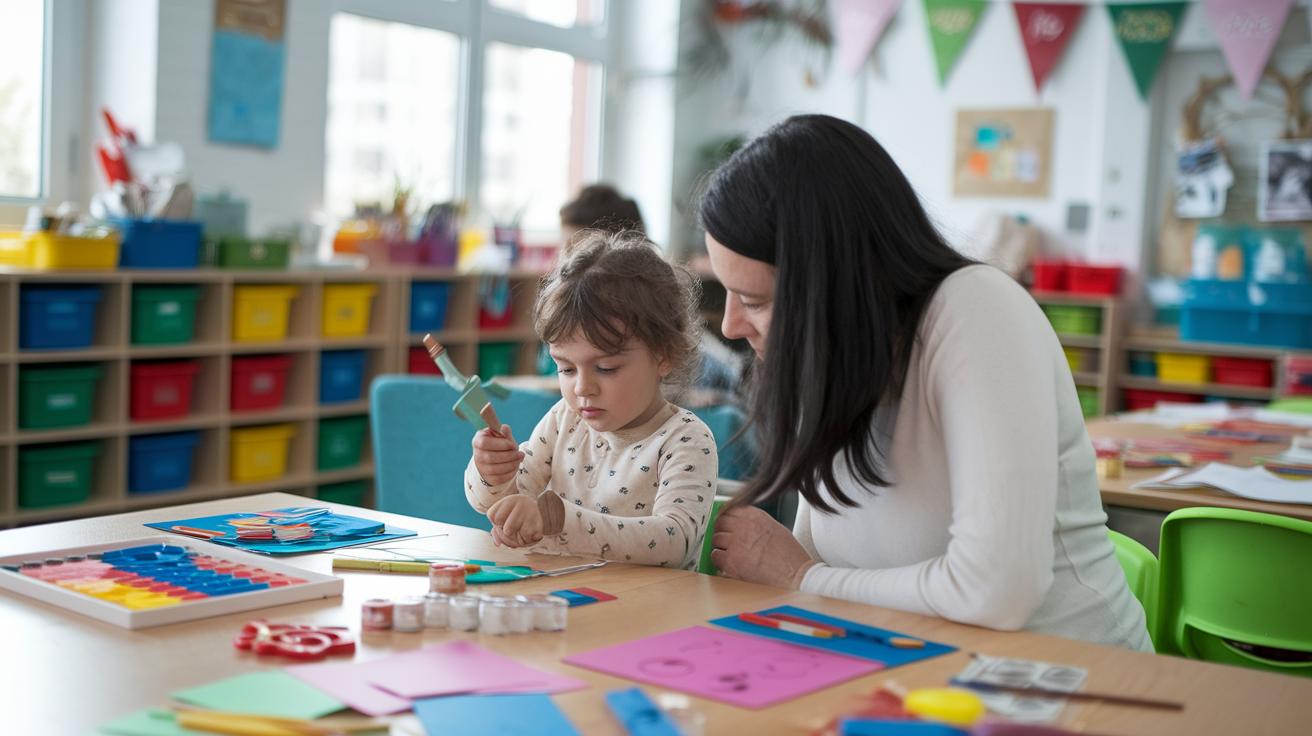
When your child grows, your bonding methods can grow too. These fresh resources provide new ideas and caring strategies to help you connect with your little one at every stage.
- Certified online courses that update real-life bonding tips as your child develops
- Local childcare workshops offering new insights into your child’s changing needs
- Webinars on perinatal (care during pregnancy and after) mental health with the latest research and supportive practices
- Annual support conferences where caring experts share new strategies for lasting connection
By staying involved in these evolving programs, you can adjust your bonding approach as your child’s needs change. Each new idea turns everyday moments into warm, nurturing memories that grow with your family.
Final Words
In the action of nurturing postpartum mother-baby bonding support, this article shared practical ideas and real-life tips. We talked about simple ways to care for both mom and baby, through gentle touch, eye contact, and thoughtful routines.
We also explored how overcoming challenges and connecting with professionals or peers helps build strong bonds.
Each idea is designed to help shape caring, everyday practices that support both recovery and connection.
Keep shining in your daily moments, knowing that every little step builds lasting warmth and understanding.
FAQ
What does the mother baby bonding theory explain?
The mother baby bonding theory explains how early skin-to-skin contact and gentle interactions nurture a baby’s emotional well-being, creating a secure foundation for trust and development.
What is postpartum bonding?
The term postpartum bonding refers to a mother’s efforts after birth to connect deeply with her newborn through close contact and caring behaviors that support healthy emotional growth.
How can difficulties in bonding with my baby affect our connection?
Experiencing challenges in bonding can lead to feelings of disconnection and difficulty engaging during daily routines, so recognizing these signs early and seeking supportive guidance may help strengthen the bond.
How does maternal–infant bonding influence a child’s development?
Maternal–infant bonding shapes a child’s emotional and psychological growth by establishing a secure attachment that boosts trust, resilience, and a foundation for future positive relationships.
How does psychology explain the bond between a mother and her child?
Psychology explains that a warm, responsive connection between a mother and her child forms the basis for trust and emotional well-being, influencing the child’s overall mindset and future attachments.
How does postpartum depression affect mother–baby bonding?
Postpartum depression can hinder bonding by reducing emotional responsiveness and the desire for interaction, making it important to seek emotional support and professional care to overcome these challenges.
What benefits arise from bonding with a newborn?
Bonding with a newborn not only reassures the baby but also helps mothers feel supported while strengthening emotional safety, trust, and paving the way for a positive, lifelong connection.
Why is father bonding with a newborn important?
Father bonding with a newborn plays a key role in building a supportive family dynamic, enhancing the infant’s comfort, encouraging balanced caregiving, and fostering lasting emotional connections.
How can one help a mom bond with her baby?
Helping a mom bond with her baby may include encouraging skin-to-skin contact, offering gentle reassurance through conversation, and suggesting nurturing activities that support mutual care and warmth.
What are the signs and outcomes if a mother does not bond with her baby?
A lack of bonding may lead to feelings of disconnection, communication challenges, and increased stress for both mother and baby. Recognizing these signs early helps in reaching out for the right support.