Have you ever noticed that the food on your table might actually help you have a healthier pregnancy? When you're pregnant, your body works extra hard to build red blood cells. Missing out on iron or folate (a type of nutrient) can leave you feeling weak and tired.
Here’s a simple thought: try pairing leafy greens with a bit of citrus. This little trick can help your body absorb iron better, giving you more energy. It’s like a tiny change that could bring a big boost to your overall wellness.
Sometimes, the easy adjustments in your diet can make all the difference for both you and your baby. Have you ever tried mixing up your meals to see how one small change can help you feel better throughout the day?
Maternal Nutrition Strategies to Prevent Anemia in Pregnancy
During the second half of pregnancy, your body works extra hard by making more red blood cells to support both you and your growing baby. Every one of these cells needs iron to carry oxygen, so it’s really important to enjoy foods full of iron during this special time.
When you don’t eat enough iron or folate-rich foods (folate helps form healthy blood cells), you might feel tired or weak because your body can’t build those new cells properly. It’s a good idea to aim for about 30 mg of iron each day, and try to include a mix of foods that also give you important folate.
Here are some gentle tips to help you reach that goal:
- Enjoy a little bit of red meat or poultry, like a small serving of beef stir-fry, which is both tasty and packed with heme iron.
- Pair iron from plant sources with foods high in vitamin C. For example, add some orange slices to a spinach salad to help your body absorb more iron.
- Fill your plate with folate-rich greens like kale or broccoli. Imagine a warm, light broccoli soup that comforts you from the inside out.
- Choose fortified grains, such as cereals or breads, to sneak in some extra iron. A hearty bowl of fortified cereal in the morning can really help.
- Keep a food diary or use an app to track your daily iron intake, so you feel confident you're meeting that 30 mg target.
And remember, it’s always a good idea to chat with your healthcare provider about your diet and any plans for supplements. They can help tailor these tips to fit what you need right now.
Maternal nutrition for preventing anemia: Boosting Wellness
Iron
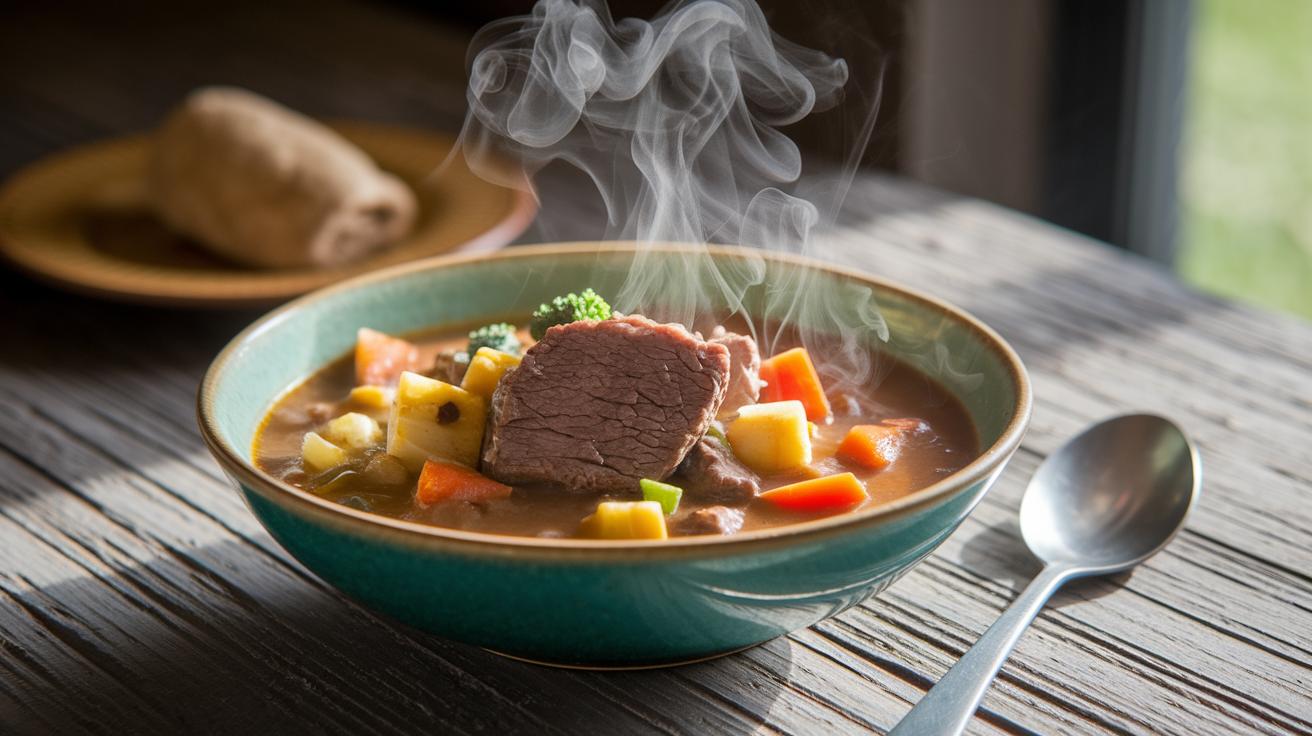
Your body needs iron to build red blood cells that carry oxygen. There are two kinds of iron: one comes from meat, poultry, and fish (called heme iron) which your body uses easily, and the other comes from plant foods (non-heme iron) that works best when paired with vitamin C. Aim for about 30 mg each day. Think of a warm, comforting beef stew that not only hugs you with its warmth but also gives you iron that your body can use right away.
Folate
Folate helps your cells grow and supports your baby's early brain and spine development. Getting around 600 µg daily is a good target. You can meet this need with simple foods like leafy greens or fortified cereals, and sometimes a supplement helps too. Imagine a cozy bowl of mixed greens drizzled with a tangy citrus dressing, it's a refreshing, healthy boost.
Vitamin C
Vitamin C makes it easier for your body to absorb the iron from plant foods. About 85 mg each day can really help this process. Picture adding a few slices of crisp orange or a handful of zesty red bell pepper to your meal, ensuring your body gets the most out of the iron available.
Top Dietary Sources for Maternal Iron Intake
When you think about iron and what it does for you, it helps to know there are two types: heme and non-heme. Heme iron comes from foods like red meat, chicken, and fish, it’s easier for your body to absorb, with your body taking in about 15 to 35% of it. Non-heme iron comes from plants, grains, and fortified foods, and your body picks up a smaller portion, roughly 2 to 20%. Mixing these foods in your meals can help you reach that daily iron boost, keeping your energy up and supporting your well-being during pregnancy.
| Food Source | Iron Content (mg/serving) | Iron Type |
|---|---|---|
| Red meat | 2.7 mg | Heme |
| Chicken | 1.1 mg | Heme |
| Fish | 0.8 mg | Heme |
| Egg | 0.9 mg | Heme |
| Dried beans | 3.5 mg | Non-heme |
| Fortified cereal | 18 mg | Non-heme |
If you prefer meatless meals, think about adding iron-rich options like lentils or tofu. And here’s a tip: enjoy these non-heme foods with a bit of vitamin C, like a squeeze of lemon or a few slices of bell pepper, to help your body absorb more iron. Fortified grains are also a great way to add a little extra without losing flavor. Imagine starting your day with a bowl of fortified cereal topped with some fresh kiwi, giving you both the iron boost you need and a taste to brighten your morning.
Nutrient Interactions That Enhance Iron Absorption
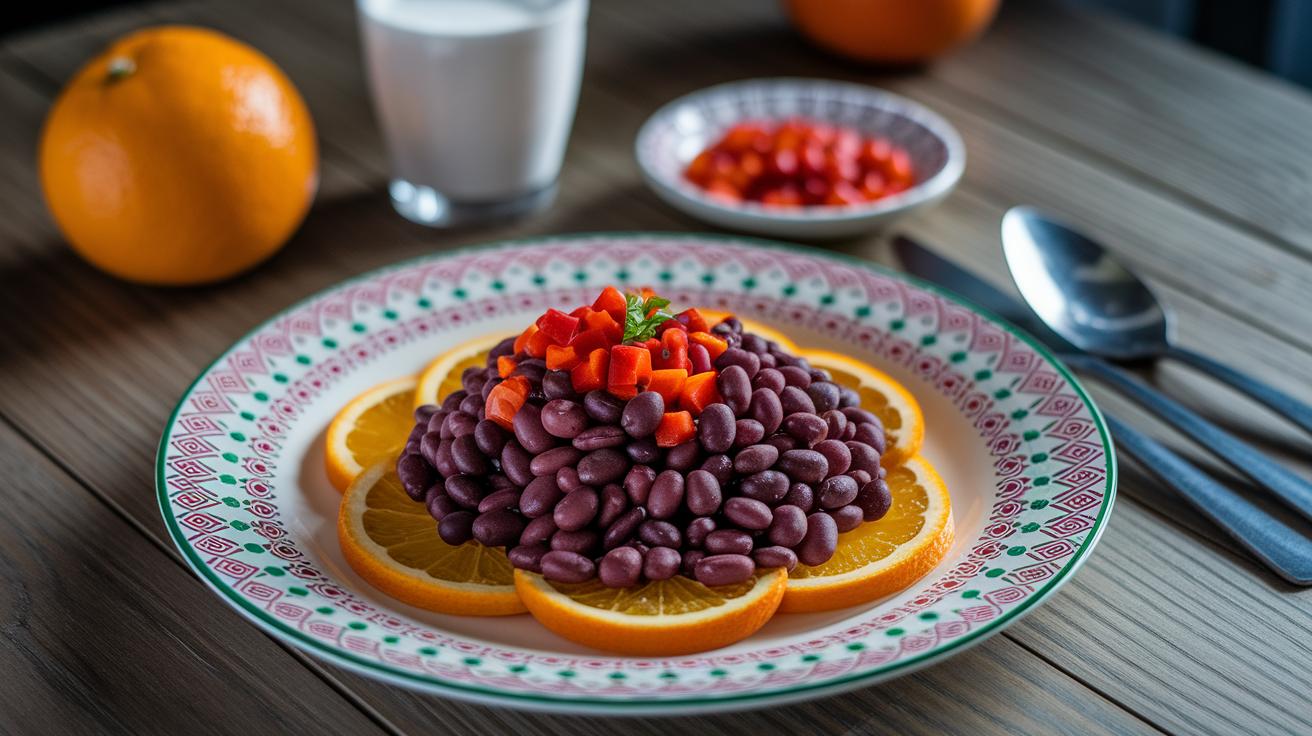
Vitamin C is a real boost when you want to get more iron from your plants. Mixing vitamin C with iron from grains, beans, or leafy greens helps your body grab more of that good iron. Imagine tossing in a few orange slices or some bright red bell pepper pieces to your plate, it's like giving your meal an extra little spark.
Some foods can slow down how well your body takes in iron. Calcium-rich foods like milk, cheese, or even calcium supplements can hold back iron absorption a bit. And foods with phytates found in certain grains and legumes, along with drinks like tea and coffee that pack polyphenols, might get in the way too. So, it might help to enjoy these at a different time than when you eat your iron-rich foods.
A simple tip is to pair your meals wisely, like a bean salad topped with orange bits or adding vitamin C-rich fruit to your breakfast cereal. These small changes in how and when you eat can really help your body make the most of the iron it gets.
Prenatal Supplementation Guidance for Anemia Prevention
If you’re not getting the full 30 mg of iron you need from your daily meals, you might want to add an extra iron pill along with your prenatal vitamins. Think of it like this: when food alone doesn’t cut it, a little extra help can support your red blood cell production, especially when pregnancy brings along challenges like nausea or a smaller appetite.
A common supplemental dose is anywhere between 30 and 60 mg of iron. Also, vitamin B12 is important for red blood cell health. So if your meals are missing that target, your doctor might suggest a dose that takes B12 into account, making sure your body gets a balanced team of nutrients during this special time.
Keep an eye on how you feel when you start taking extra supplements. Some moms might notice a touch of constipation or nausea, and checking your hemoglobin each month is a great way to see if your dose needs a tweak. And, talking with your healthcare provider about any changes in your diet or supplements can help you feel safe and sure that your plan fits your unique needs.
Meal Planning and Healthy Eating Habits to Reduce Anemia Risk
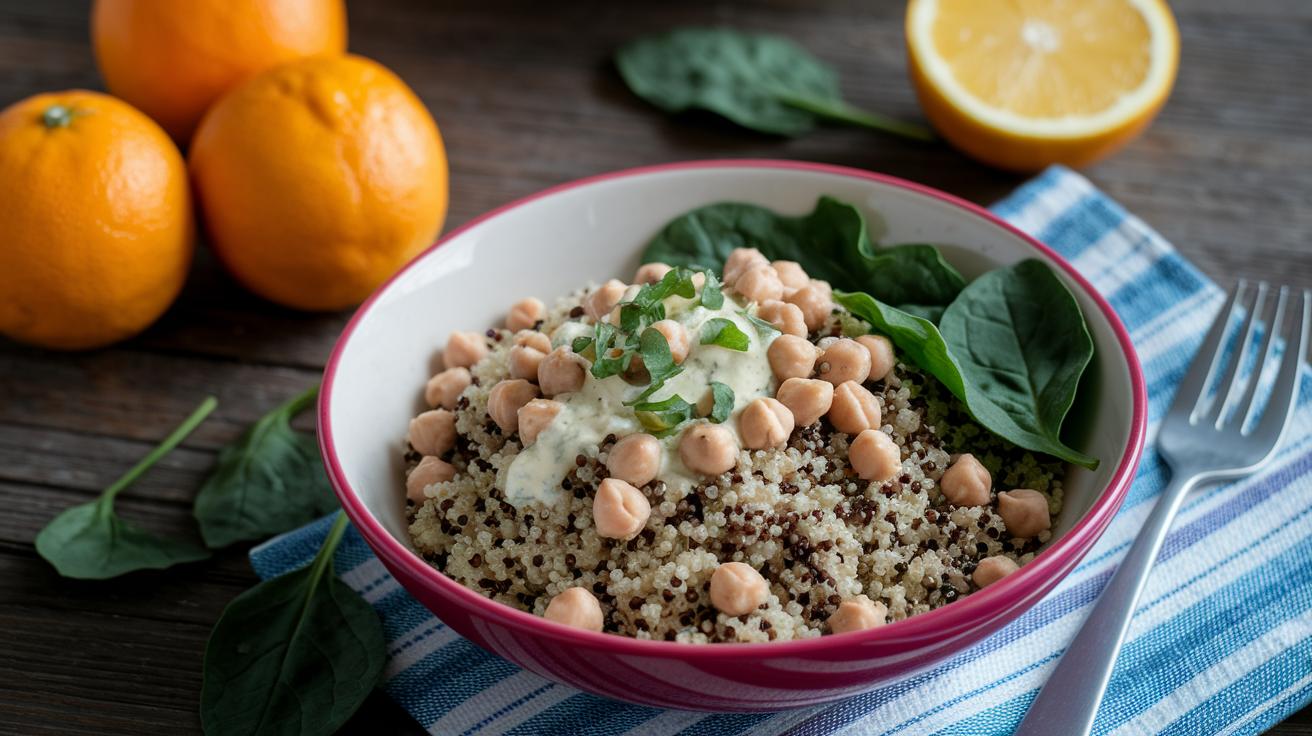
A healthy plate built on iron-packed proteins, crunchy veggies, and whole grains helps keep your energy up all day. Plus, adding a splash of vitamin C from foods like oranges or tomatoes makes it easier for your body to use that iron.
Think about planning your meals with easy recipes and good timing. For example, try making iron-rich overnight oats by mixing rolled oats, a spoonful of molasses, chia seeds, and a few pieces of citrus the night before. Having breakfast within an hour of waking up and a filling lunch a few hours later can keep your iron levels steady. A quinoa bowl with spinach, chickpeas, and a bit of lemon dressing is a delicious way to enjoy balanced nutrients.
Snacks can be fun and different too! Instead of the usual fruit with nut butter, you might try dried apricots with sunflower seeds or energy bites made from dates, nuts, and a touch of cocoa. These treats add variety and help keep your energy steady between meals.
For more ideas on meal plans and healthy eating, check out the maternal diet and wellness guidelines at this link.
Monitoring and Managing Anemia Risk during Pregnancy
Your healthcare team checks your blood levels at three special times: your very first prenatal visit, halfway through your pregnancy, and later in the third trimester. These routine hemoglobin tests help spot low iron levels early so your provider and you can take action before any serious symptoms appear.
Sometimes, the signs of mild anemia are really subtle. You might just feel a little more tired than usual or notice your skin looks a bit paler. When you’re busy with daily tasks, it’s easy to brush these off. But if you start feeling unusually weak or exhausted without a clear reason, it’s a good idea to mention it to your provider so they can check your red blood cell levels.
Working closely with your healthcare provider is important. If your tests show lower hemoglobin levels, they might gently suggest some changes, like adding more iron-rich foods and a bit of vitamin C (which helps your body absorb iron better) to your diet, or adjusting the supplements you’re taking. These small, caring steps help keep your iron levels balanced, supporting your health and your baby’s growing needs.
Final Words
In the action, we talked about how iron supports growing red blood cells and how a mix of balanced meals sets the stage for better energy.
Small changes, like pairing iron-rich foods with vitamin C, can truly brighten your day.
Each tip inspected here gives you a practical plan to keep anemia at bay.
Discuss any adjustments with your healthcare provider to feel even more secure.
Here’s to a confident, healthy path with Maternal nutrition for preventing anemia!
FAQ
How to treat anemia in pregnancy?
The treatment for anemia in pregnancy involves boosting iron intake through food and supplements when advised by a provider, along with regular blood tests to track iron levels and overall health.
What are common symptoms of anemia in pregnancy?
The signs of anemia in pregnancy include feeling very tired, weakness, and sometimes pale skin, as the body struggles to produce enough healthy red blood cells for both mother and baby.
How can food help increase hemoglobin in pregnancy?
The role of food in raising hemoglobin involves eating iron-rich foods like lean meats, beans, and fortified cereals, and pairing them with vitamin C sources to improve iron absorption.
What is considered severe anemia in pregnancy?
The term severe anemia in pregnancy refers to a significant drop in red blood cell count and hemoglobin levels that may lead to serious health issues for both the mother and her baby.
What complications might arise from anemia in pregnancy?
The complications from anemia in pregnancy can include increased fatigue, preterm birth risks, and difficulty in fetal growth due to lower oxygen supply from reduced red blood cells.
Can iron deficiency during pregnancy affect a baby’s growth?
Iron deficiency during pregnancy can affect a baby’s growth by limiting the oxygen supply needed for proper development, which may lead to low birth weight and other growth challenges.
What types of anemia occur in pregnancy?
The types of anemia seen in pregnancy include iron-deficiency anemia, caused by low iron levels, and less commonly, anemia from other nutritional gaps or genetic conditions.
How can anemia be managed in the third trimester?
Managing anemia in the third trimester involves regularly monitoring hemoglobin levels, adjusting an iron-rich diet and supplements, and consulting with a healthcare provider for any necessary treatment changes.
What foods and nutrients prevent anemia during pregnancy?
The prevention of anemia during pregnancy comes from a balanced diet rich in iron and folate, such as lean meats, leafy greens, fortified grains, and vitamin C sources that help with iron absorption.
What supplements are given for anemia prevention in mothers?
Anemia prevention for mothers may involve taking prenatal vitamins that include about 30 mg of elemental iron, along with folic acid and sometimes additional supplements as recommended by a healthcare provider.