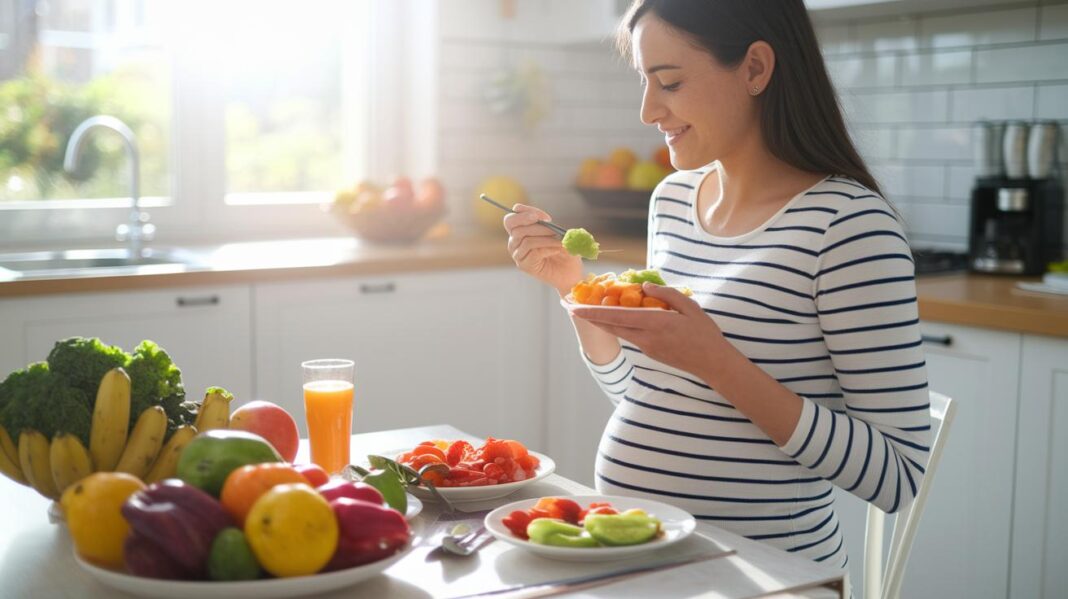
Have you ever thought that picking the right foods early in your pregnancy might make a big, positive difference?
When you eat well in those first weeks, you are setting up a strong base for both you and your little one.
It’s like adding little building blocks that help you both grow and feel strong.
I want to share how paying attention to what you eat and choosing foods full of vitamins and minerals can give you more energy and prepare your body for all the changes ahead.
So, let’s chat about how your meal choices can bring a little extra brightness to your start.
Maternal nutrition in the first trimester: Bright Start
Taking care of your nutrition during the first 13 weeks is one of the most important things you can do for both you and your baby. Think of it like building a small house, one brick at a time, each nutrient adds strength and support for a healthy start.
Aiming for around 2,300 to 2,400 calories every day can help keep your energy steady as your little one begins to grow. For example, imagine a colorful salad packed with spinach, carrots, and tomatoes paired with some grilled chicken. It’s not only tasty but also gives you the protein for building tissues and the whole grains and healthy fats you need for energy and brain growth.
Every meal is a little opportunity to take care of yourself and nurture your baby. By choosing foods full of good nutrients, you’re setting a solid foundation that will support your health throughout your pregnancy. Picture a plate that bursts with color and balance, each bite working together to give you and your baby a bright, healthy start.
Caloric Needs for Maternal Nutrition in the First Trimester
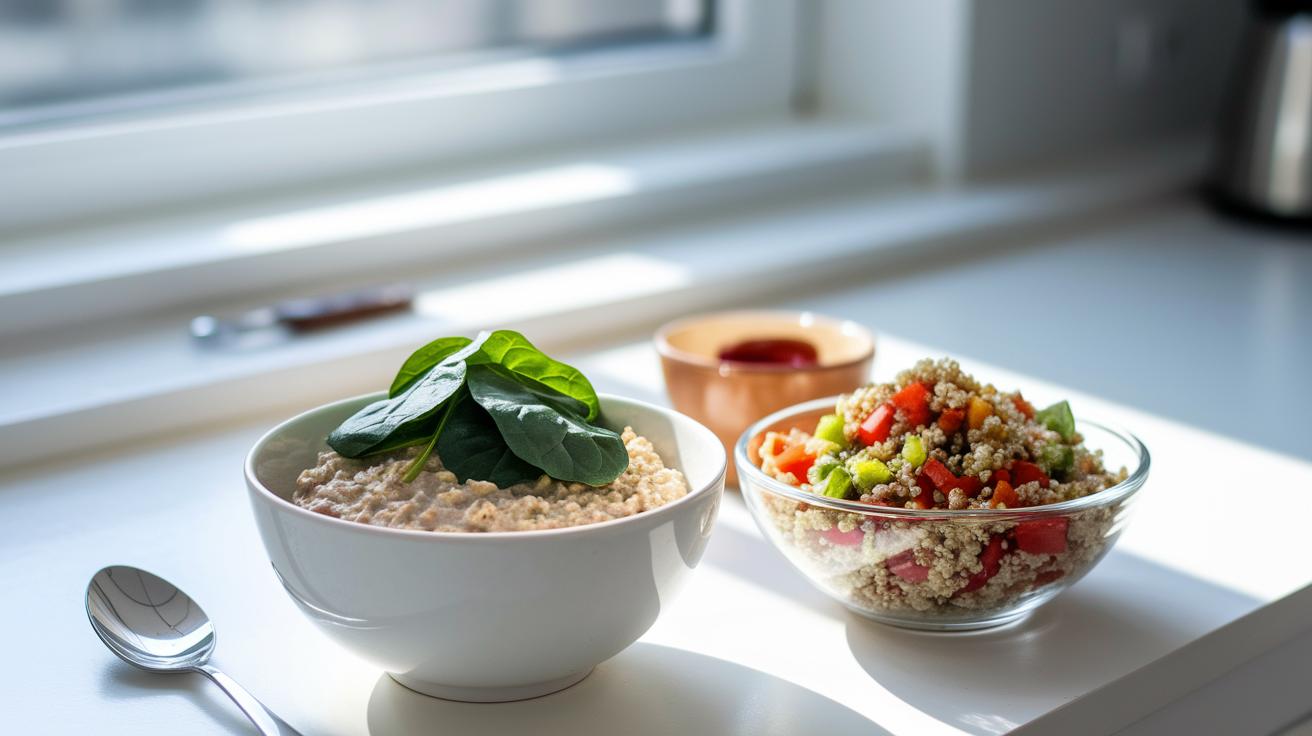
In early pregnancy, your body starts working in a new way to use energy more efficiently. Even if you’ve heard that you need around 2,300–2,400 kcal every day, the real focus is on those tiny, essential vitamins and minerals that support your baby's early growth. Folate, iron, and calcium work together to boost cell growth and build strong bones for your little one. Imagine a warm bowl of oatmeal with spinach, it fills you up and gives you a boost of fiber, iron, and important vitamins, almost like a gentle morning light that nudges your day to start.
During the first trimester, your body begins to tuck away vitamins and minerals more smartly. Having meals that blend whole grains, lean proteins, and bright vegetables can keep your energy steady and help your body build new tissues. Think of a quinoa salad mixed with sliced carrots, bell peppers, and some grilled chicken as another tasty option.
| Meal Example | Nutrient Focus |
|---|---|
| Fortified oatmeal with spinach | Fiber, Iron, Folate |
| Quinoa salad with grilled chicken and mixed vegetables | Protein, Micronutrients, Antioxidants |
Remember, building up these key nutrients now helps your body adjust its metabolism as your pregnancy grows. It’s a simple, caring step to ensure a healthy start for you and your baby.
Essential Micronutrients for Maternal Nutrition in the First Trimester
Starting early in pregnancy sets a loving foundation for both you and your baby. Getting the right vitamins and minerals can really help support healthy growth and development.
Folate is a must-have at this stage. Aim for 600 µg DFE each day to help form the neural tube, which later turns into the baby’s brain and spinal cord. Try adding leafy greens and fortified grains to your meals. Imagine a crisp spinach salad with a few sprinkled seeds brightening up your plate.
Calcium is equally essential. Getting 1,000 mg a day helps strengthen bones and teeth for both you and your baby. Enjoy a glass of milk, a bowl of yogurt, or even some fortified plant milk. Picture that cool, refreshing glass of milk coming together with your favorite meal.
Vitamin D works hand in hand with calcium by boosting its absorption. Aim for 600 IU daily, and don’t shy away from a little sun or enjoying fatty fish like salmon. Think of it as a bit of sunshine that fills your day with warmth and essential nutrients.
Protein is the building block for your baby’s growth, about 71 g every day makes a big difference. Lean meats, legumes, and eggs pack in plenty of good stuff. Envision a hearty plate of beans and eggs that gives you both the power to take on the day.
Iron is also key during the first trimester. With a daily need of 27 mg, iron helps in making enough hemoglobin. Enjoy foods like red meat or legumes, and pair them with some vitamin C-rich fruits to boost absorption. Imagine slicing a crisp apple to pair with your spinach, it’s a delicious, energizing combo.
Omega-3 fatty acids, especially DHA, support your baby’s brain and eye development. Aim for 200–300 mg per day from low-mercury fish, or add some flaxseed and walnuts into your diet. Picture a handful of walnuts sprinkled on a fresh salad enhancing not just the flavor but also nourishing your little one’s brain.
| Nutrient | RDA | Food Sources |
|---|---|---|
| Folate | 600 µg DFE/day | Leafy greens, fortified grains |
| Calcium | 1,000 mg/day | Dairy products, fortified plant milks |
| Vitamin D | 600 IU/day | Fatty fish, sun exposure |
| Protein | 71 g/day | Lean meat, legumes, eggs |
| Iron | 27 mg/day | Red meat, legumes, vitamin C rich fruits |
| Omega-3 (DHA) | 200–300 mg/day | Low-mercury fish, flaxseed, walnuts |
Meal Planning Strategies for First Trimester Maternal Nutrition
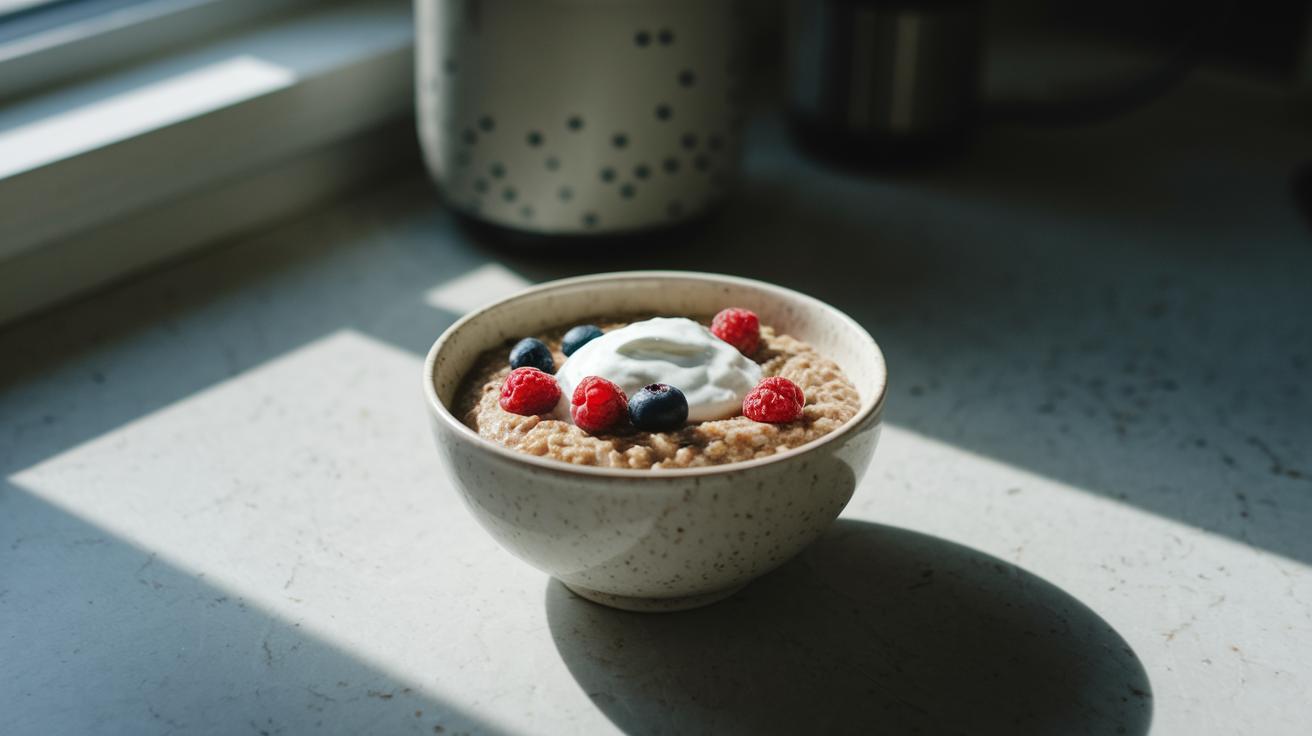
Imagine your meals acting like little power boosts for your body. When you mix whole grains, lean protein, colorful veggies, and healthy fats in every meal, you get steady energy and all the good nutrients you need. Eating small, frequent meals can also help calm those early-morning queasiness moments. Picture starting your day with a warm bowl of oatmeal or enjoying a quick snack to keep your blood sugar balanced. A daily plan filled with nutritious choices not only supports your little one's growth but helps you feel light and energized all day.
Here’s a simple five-part day plan to try out:
• Breakfast: A warm bowl of oatmeal topped with berries and a dollop of plain yogurt
• Mid-morning snack: Crisp apple slices paired with a smear of almond butter
• Lunch: A fresh quinoa salad mixed with chickpeas, spinach, and creamy avocado
• Afternoon snack: Crunchy carrot sticks dipped in smooth hummus
• Dinner: Tender baked salmon with a side of steamed broccoli and hearty brown rice
This plan brings a bit of variety to your day and steady energy from meal to meal. Each snack and meal works together to help your body during these early weeks. It’s a simple, practical approach that’s both satisfying and caring.
Managing Morning Sickness in Maternal Nutrition Plans
Morning sickness can really make it hard to enjoy your meals, and that can affect how well you and your baby get the nutrients you need. When nausea makes eating a challenge, it's a good idea to choose foods that are gentle on your stomach. Sometimes, eating small meals or snacks throughout the day can help you feel a bit more comfortable.
Start with mild options, like plain crackers, dry toast, or even a small serving of rice. These simple foods often feel kinder on your belly and are less likely to trigger that queasy feeling. Imagine reaching for a crisp cracker when you're not feeling 100%, it might just bring a little relief!
You could also try ginger in the form of tea or chews, as it can soothe your stomach and ease your nausea. Sipping on a cool drink might also help calm your tummy without feeling too heavy. And if you spread out your meals into smaller portions, you'll likely keep your energy up while letting your body take its time with food. Keeping a little food diary can also be a great way to note which choices work best for you.
First Trimester Maternal Nutrition: Foods to Avoid

It’s a good idea to steer clear of certain foods during your first trimester so you and your baby stay safe. Foods like raw or undercooked meat, fish, or eggs can sometimes bring bacteria that upset your tummy or affect your little one’s growth. Unpasteurized dairy and soft cheeses can also carry bacteria that might be harmful right now.
High-mercury fish such as shark, swordfish, and king mackerel are best avoided since mercury may harm your baby’s growing nervous system. If you’re enjoying deli meats or hot dogs, warm them up until they are steaming hot to lessen the risk of foodborne illnesses. And watch out for raw sprouts or unwashed produce, they could be contaminated.
Also, keep a close watch on your caffeine. It’s a good idea to limit it to under 200 mg each day. And to protect your health and your baby, it’s safest to avoid alcohol and herbal teas that haven’t been checked for safety during pregnancy.
Hydration Guidelines for Maternal Nutrition in Early Pregnancy
Aim to drink about 8–10 cups (64–80 oz) of fluids each day, with water taking center stage. Keeping hydrated is like setting up a gentle routine that boosts your energy and keeps you feeling well. If you're dealing with some nausea or the occasional bout of vomiting, try switching to drinks that have extra electrolytes or even a little coconut water to help bring back balance. Imagine taking a cool sip of water and feeling as if you’re stepping into a mini retreat, refreshing every part of you.
It’s also important to keep your caffeine under 200 mg a day and steer clear of sugary sodas to avoid extra sugar rushes. Instead, why not enjoy a warm cup of herbal tea, like rooibos or ginger? It’s a comforting option that fits nicely with a well-planned meal plan during early pregnancy. Slowly adjust your routine, so it feels as natural and comforting as a little daily ritual. Each sip you take helps keep you and your little one happily hydrated and thriving.
Weight Gain Monitoring in Maternal Nutrition for the First Trimester
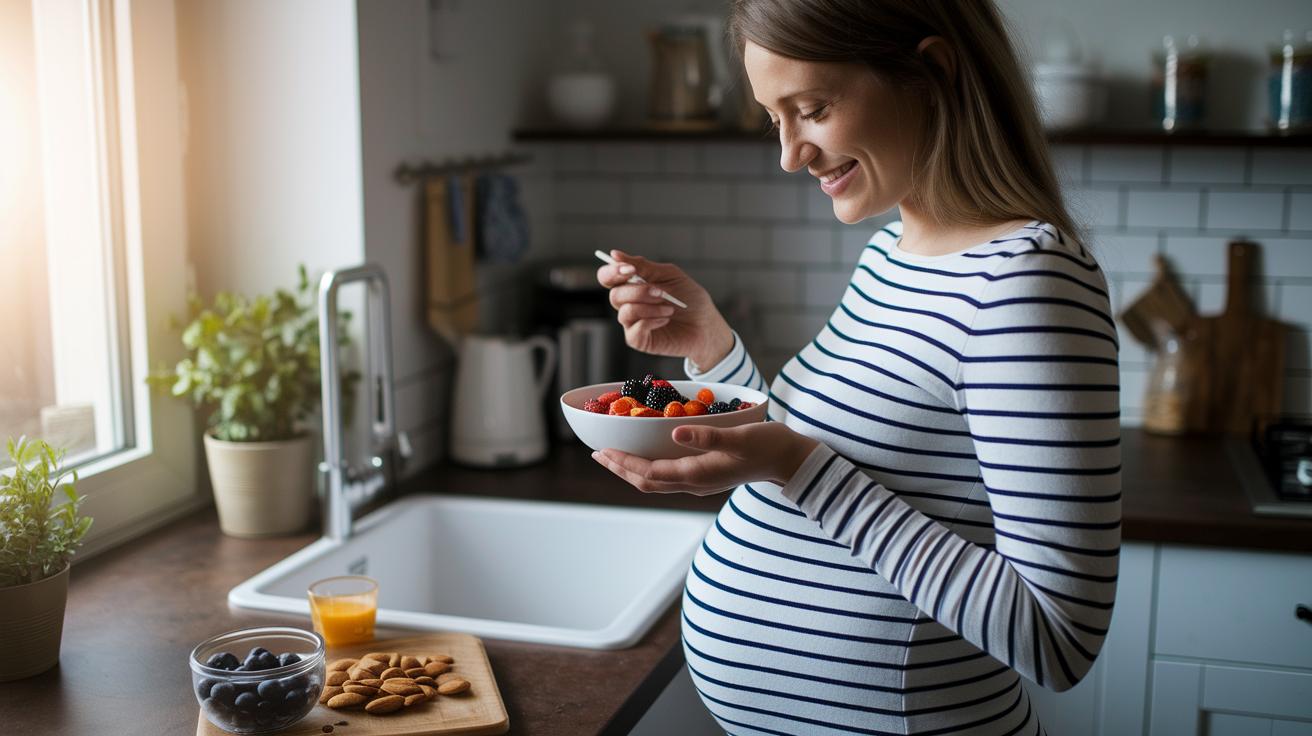
In your first 13 weeks, it's normal to gain around 1-4.4 lbs (about 0.5-2 kg) at a gentle pace. This steady weight gain helps your body adjust smoothly, keeping your metabolism relaxed and lowering the chance of gestational diabetes, so you can feel calm and energized.
Eating small, frequent meals that are full of fiber and protein works wonders for keeping your blood sugar steady. Think about having a whole-grain cracker with a slice of lean turkey or a small bowl of mixed berries paired with a handful of almonds. These tasty, nutrient-packed snacks support healthy weight gain in a natural way.
Regular check-ins with your healthcare provider are super helpful to track your progress. They might suggest mindful eating tips or simple tweaks in portion sizes to make sure you and your baby get all you need. This thoughtful approach to eating builds a strong foundation for the journey ahead.
Expert Support for Maternal Nutrition in the First Trimester
Getting help from a trusted expert in early pregnancy really makes a difference. If you're dealing with tough nausea or figuring out a special diet like vegetarianism, it can be a great idea to talk with a qualified dietitian. They’re there to offer friendly guidance on early supplements and meal planning, especially if you have special needs because of chronic illness or food aversions.
Working one-on-one with a professional means your meals can be perfectly tailored. Think of it like pairing your prenatal vitamins with hearty whole foods to cover all your nutritional bases. And, it’s always smart to check with a healthcare professional before trying any new herbal supplements, just to keep everything safe.
Need a personalized plan and advice you can trust? You might want to check out the maternal diet and wellness guidelines at https://womensconference.org?p=11209. Simple as that!
Final Words
In the action of planning a balanced meal approach, we explored how maternal nutrition in the first trimester shapes vital growth and healthy development. The article walked through calorie needs, the role of essential nutrients like folate, calcium, vitamin D, and protein, and offered practical meal planning and hydration tips, along with gentle advice on managing nausea and food choices to avoid.
This thoughtful guide shows that making mindful eating choices now builds a strong foundation. Small changes can spark positive shifts and help nurture your well-being.
FAQ
What does a 1 to 3 month pregnancy diet chart include?
The 1 to 3 month pregnancy diet chart details balanced meals with fruits, vegetables, lean proteins, whole grains, and healthy fats to support early fetal development and steady energy levels.
What does the nutritional requirements during pregnancy PDF provide?
The nutritional requirements during pregnancy PDF outlines daily calorie targets, essential vitamins and minerals, and meal suggestions that support both maternal health and early fetal growth.
What is the importance of nutrition during pregnancy and what are the key vitamins?
The importance of nutrition during pregnancy lies in supporting fetal growth and maternal wellness. Key vitamins like folate, vitamin D, and iron help prevent birth defects and foster healthy development.
What should a pregnant woman eat during the first trimester?
A pregnant woman should eat a variety of foods including fruits, vegetables, whole grains, lean proteins, and healthy fats. This balanced approach helps maintain energy and provides the nutrients needed for early development.
What nutrients do you need in the first trimester of pregnancy?
The first trimester calls for essential nutrients such as folate, iron, calcium, vitamin D, protein, and omega-3 fatty acids, all of which support healthy fetal tissue growth and overall maternal well-being.
What foods should be avoided during the first trimester of pregnancy?
Foods to avoid during the first trimester include raw or undercooked meats, high-mercury fish, unpasteurized dairy, deli meats unless heated properly, and excess caffeine to reduce risks for both mother and baby.
Why avoid bananas during pregnancy in the first trimester?
The suggestion to avoid bananas during the first trimester mostly stems from concerns over high sugar levels for some women, though recommendations vary. Always follow guidance from your healthcare provider for personalized advice.