Have you ever thought about how your baby’s first sounds start a whole journey of talking? It’s amazing to listen to those soft coos and playful babbles, almost like watching a little miracle happen. In this chat, we walk through the special steps that take your baby from simple cries to happy words. Every tiny sound is a step toward a joyful language that brings you all closer. Isn’t it wonderful how even the smallest note can weave your family together?
infant communication milestones: Happy Language Growth
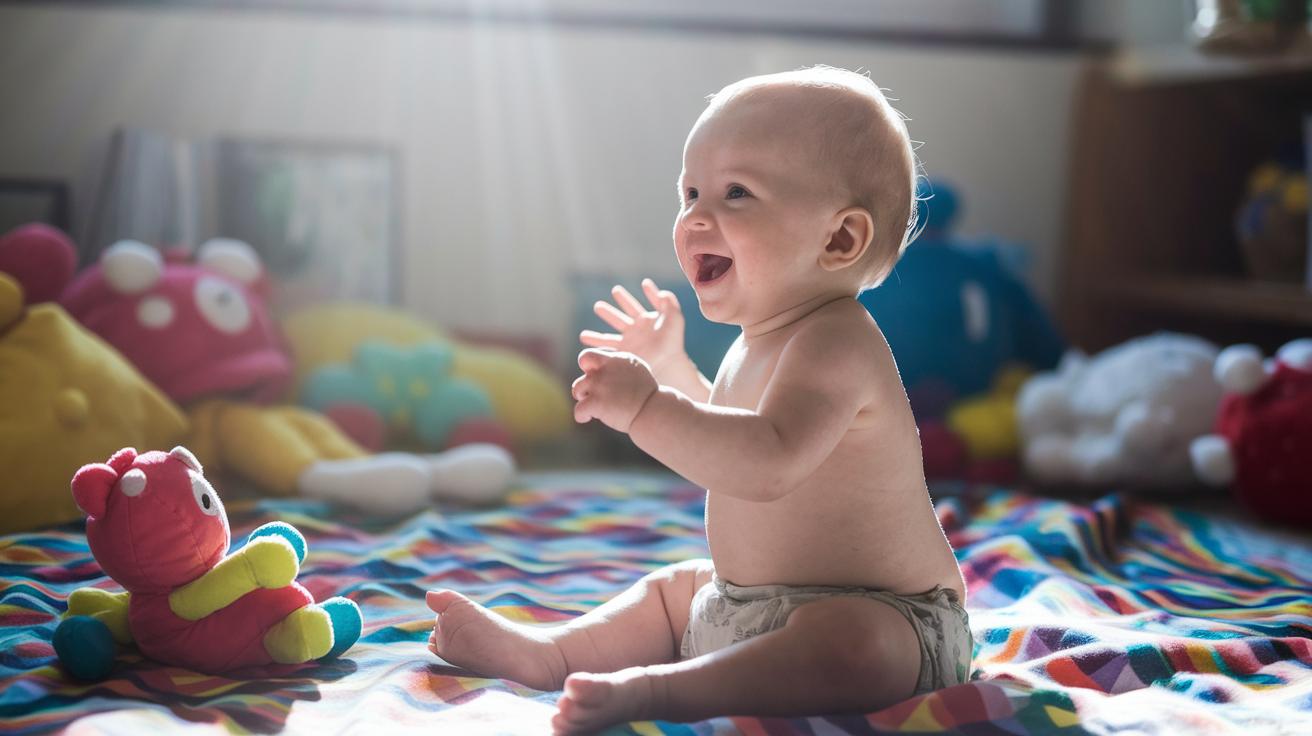
Watching your little one start to talk is such a delightful experience. From the very beginning, your baby uses crying and gentle cooing to let you know what they need and to feel connected. Around 4 to 6 months, you'll notice playful babbling filled with soft vowels and consonants, always a sweet reminder of your baby’s early sounds. Have you ever caught them imitating your tone?
Between 6 and 11 months, something wonderful happens. Your baby begins saying simple syllables like "ma-ma" or "da-da" as they explore mixing sounds with gestures. Then, as they grow into the 12 to 17 month stage, those repeated sounds start to form into meaningful words. At this point, your little one can begin understanding and following easy commands. It’s a precious time when words like "mama" and "dada" truly come alive.
By 18 to 23 months, your child's vocabulary often grows to around 50 words, and they might even start putting two words together, saying things like "more milk" or "all gone." Finally, from 24 to 36 months, simple conversations take flight. Your child might ask questions or answer you, building the early steps toward great communication.
| Age Range | Milestone | Key Behavior |
|---|---|---|
| Birth–3 months | Crying & Cooing | Responds to caregiver voice |
| 4–6 months | Vowel–Consonant Babbling | Engages in vocal play |
| 6–11 months | Canonical Babbling | Says “ma-ma,” “da-da” and gestures emerge |
| 12–17 months | First Meaningful Words | Follows simple commands |
| 18–23 months | Two-word Phrases | Vocabulary ~50 words |
| 24–36 months | Simple Conversations | Asks questions and gives answers |
Tracking Preverbal and Nonverbal Cues in Infancy
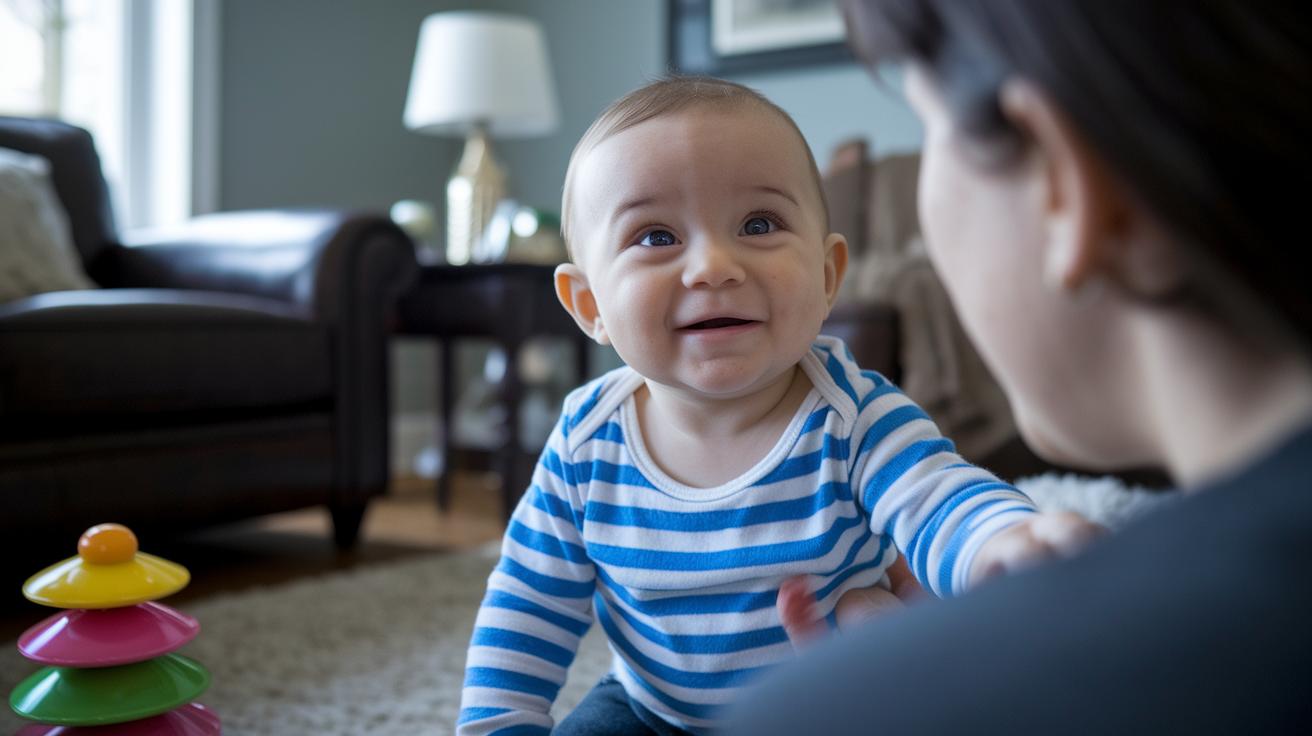
From the moment a baby arrives, crying is how they let you know something's up. Even at just 2 months, many little ones begin to beam smiles and lock eyes with you, like they're saying, "I see you!" It's such a warm, reassuring moment that makes every day feel special.
Around 4 to 6 months, you might notice your baby turning their head when they catch a sound, as if they're tuning in to the world around them. This early reaction to voices and noises lights up their curiosity and invites you into a playful, shared discovery.
Between 6 and 9 months, the fun continues with little vocal experiments, soft babbles and playful noises that sound like a back-and-forth game. Sometimes you'll see them reaching out just before a toy is handed over, a sweet hint that they're getting set for more interactive play.
Then, around 9 to 12 months, simple gestures like pointing, waving, or reaching become common. These actions show your baby wants to share what’s capturing their interest. By the time they reach 12 months, many start using these gestures on purpose, a sign that they're ready to take their first steps toward words and language.
The Cooing and Babbling Stages in Infant Communication
Cooing Stage
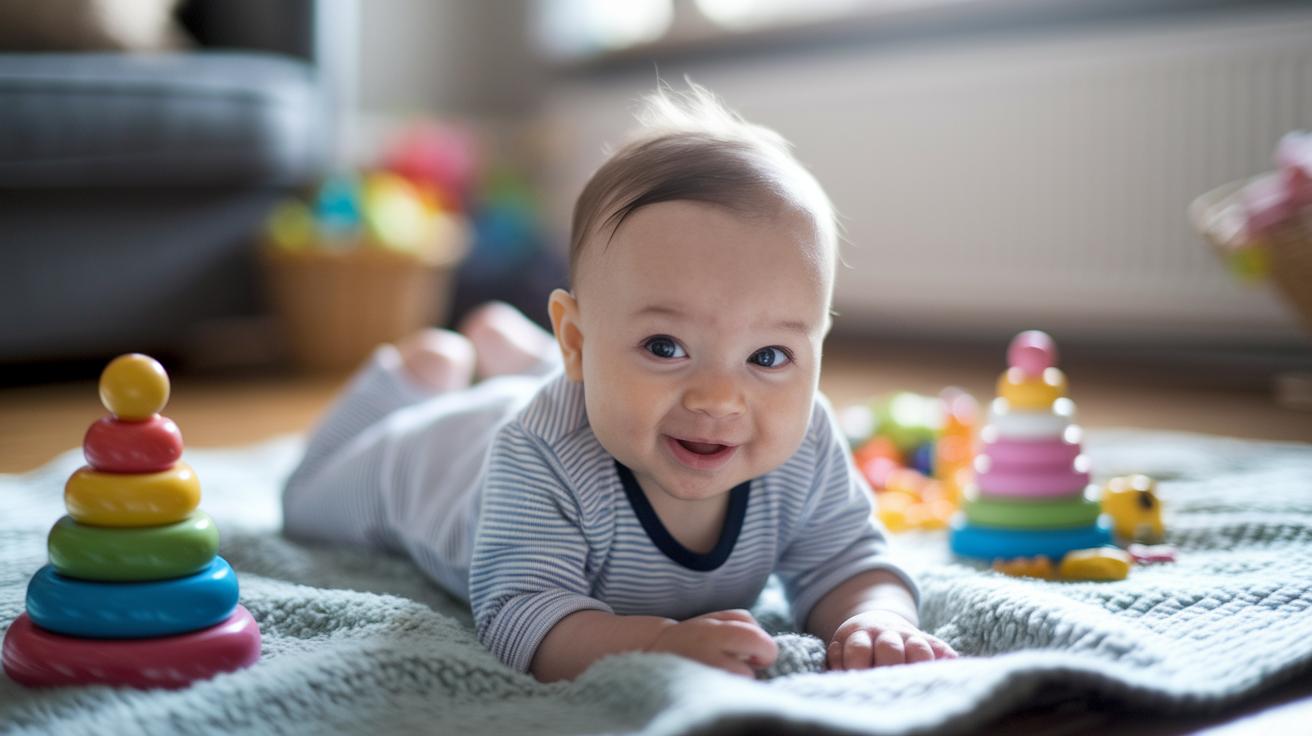
By 6 to 8 weeks old, your little one starts making soft, gentle sounds that almost feel like a whisper of a lullaby. You might catch them saying "oooh" in a sweet, tentative way that lights up the room like a tiny greeting. It’s a sign their brain is beginning to connect sounds to feelings, and they’re learning how to control their little muscles just right. Try chatting or humming a gentle tune back, it’s like sharing a secret melody that both of you can enjoy!
Babbling Stage
Around four months, things start to mix up a bit as your baby begins blending consonants with those lovely vowels. Soon enough, by 6 to 9 months, you might hear playful sounds like “ba-ba” or “da-da” coming from your little chatterbox. This playful babbling shows that their brain is busy building the pathways for language, and they’re learning to mimic the rhythm of speech. So, when you hear a “ba-ba,” why not echo it back with a smile? You might say, "Did you say ba-ba? That sounds just like the start of a fun song!" It’s a joyful way to create a special conversation that builds both language skills and heartwarming memories.
Transition to First Words and Early Vocabulary Growth
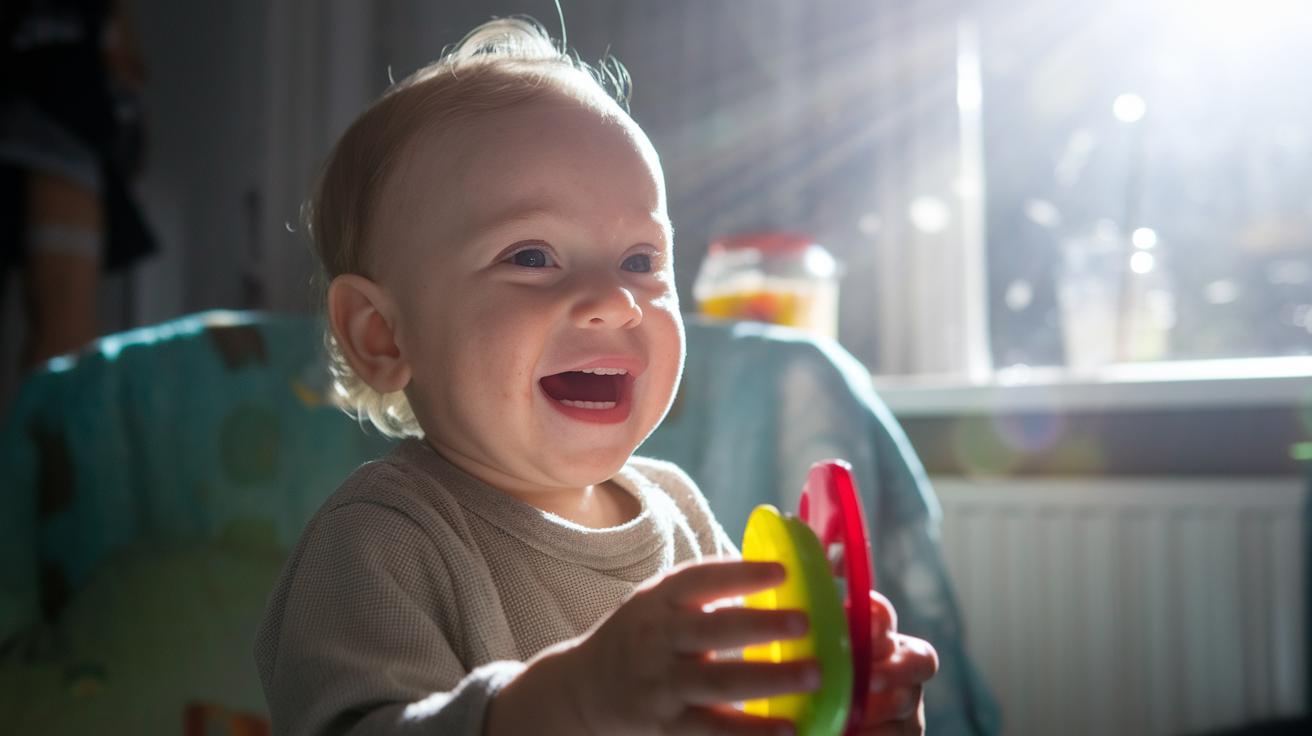
Around one year old, many babies start using simple words like mama or dada. Imagine their face lighting up with a smile when they hear their name, it’s a tiny celebration of their growing language skills. It’s amazing to think that even before they start talking, babies can recognize their name, with every little sound building the foundation for communication.
When babies are between 13 and 18 months, their vocabulary grows in delightful ways. They mix clear words with cute approximations, like saying "ba" instead of ball. Picture asking, "Can you give me the toy?" and getting a nod or a happy gesture in return, it's little proof that they understand you.
Between 18 and 24 months, word learning truly takes off. Toddlers start combining words to form simple phrases like "more milk," signaling a shift from playful babbling to real communication. Imagine a little one eagerly repeating these new phrases, each one opening a door to even richer conversations.
Monitoring Communication Growth and Identifying Potential Delays
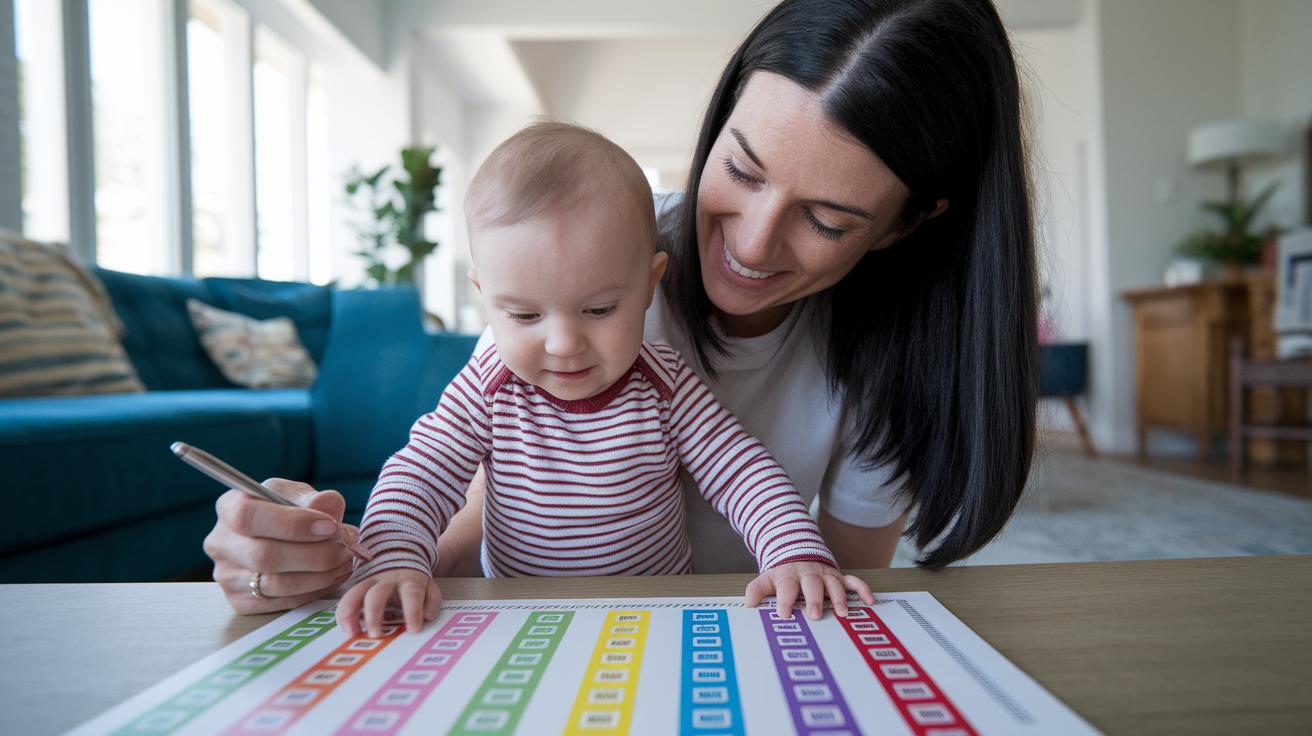
Watching your little one's communication skills can be as simple as keeping a friendly checklist nearby. You know, taking notice of those soft coos, playful babbles, and cute gestures helps you see if your baby is on track with their language journey. It’s almost like gently checking off each joyful step along the way.
Sometimes, if these early signs aren’t there, it might be a nudge to get a bit more help. For instance, if your baby hasn’t started cooing by two months, it might be a good idea to chat with your pediatrician. By around nine months, you’d expect to hear some babbling, a sign that your baby is exploring their voice. Then, at about 12 months, fun gestures like pointing or waving tend to pop up. If they aren’t forming any single words by 16 months or if their vocabulary remains under 50 words by 24 months, that might be a gentle signal to look into things a little closer. Even if you notice less eye contact or fewer shared moments during play, it’s something to keep in mind.
| Age | Indicator |
|---|---|
| 2 months | No cooing |
| 9 months | No babbling |
| 12 months | No gestures (like pointing or waving) |
| 16 months | No single words |
| 24 months | Fewer than 50 words |
| N/A | Limited eye contact or less shared play |
Keeping this simple checklist close by can really guide you in spotting and supporting your baby’s early language adventure. It’s a small step that can make a big difference in helping your little one thrive.
Strategies for Supporting Infant Communication Milestones
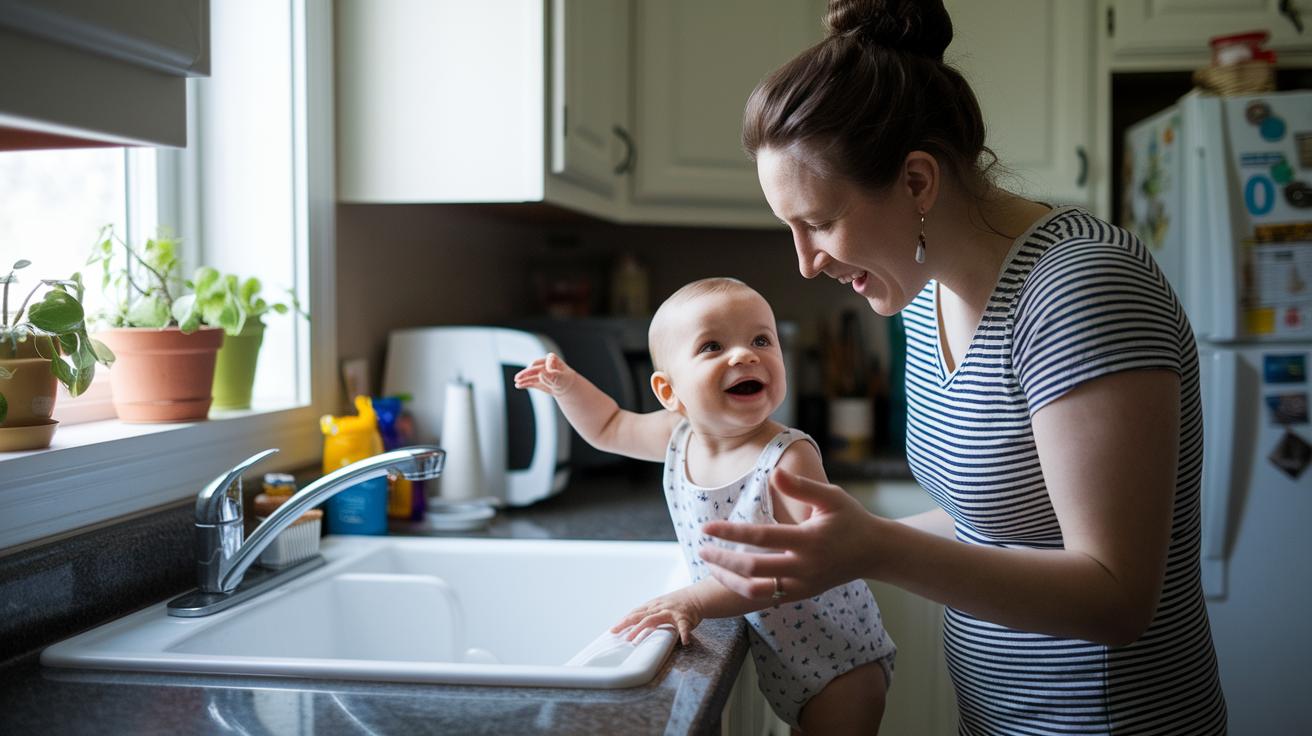
Every day is a wonderful opportunity to help your baby start understanding and using words. As you go about your daily routine, talk to your little one about what you're doing. For example, while washing dishes, you might say, "I’m washing the dishes." This simple habit fills your child’s ears with words that connect sounds to meanings, making learning feel natural and fun.
When your baby makes a sound or points at something, reply right away. Saying things like, "Yes, that’s your ball!" shows them that their sounds matter. It encourages them to try making new sounds and gestures. It’s like having a sweet, ongoing conversation that builds their confidence every day.
Here are some easy ideas to start with:
| What to Do | How It Helps |
|---|---|
| Narrate daily routines and name objects | Makes words familiar and relevant |
| Reply quickly to sounds and gestures | Shows that communication matters |
| Turn babbles into simple words or phrases | Encourages language development |
| Introduce baby sign language for common needs | Makes it easier to share thoughts |
| Read aloud and talk about pictures | Builds vocabulary and connection |
| Sing songs with repeating parts | Helps remember sounds and words |
| Practice taking turns during conversations | Teaches the rhythm of communication |
| Use funny faces and different tones | Makes talking lively and fun |
Each of these moments is a special chance to connect with your baby. Maybe try one or two of these ideas as part of your routine and enjoy watching your little one reach those early talking milestones.
Final Words
In the action of tracking your little one’s progress, we covered everything from early cooing and babbling to first meaningful words. The blog walked you through age-based charts outlining key behaviors and red-flag indicators, plus tips on encouraging language growth.
Every smile, sound, and gesture builds on infant communication milestones. Each step builds a foundation for expressive language, lifting spirits and building confidence with every simple sound. Stay positive and cherish these precious moments on your parenting adventure.
FAQ
What does a speech development chart by age tell us?
A speech development chart by age reveals the gradual progression from crying and cooing to babbling, first words, and simple phrases, outlining key behaviors and developmental benchmarks through the toddler years.
Are there PDFs available for speech and language milestones?
Speech and language milestones PDFs offer organized, printable guides that summarize typical communication behaviors from infancy through early childhood, making it easier for parents to track and share progress.
How does language development occur between 6–12 months and 1–2 years?
Language development between 6–12 months focuses on babbling and emerging gestures, while between 1–2 years, toddlers begin using first meaningful words and simple phrases to express their needs.
At what age do babies typically start to communicate?
Babies start communicating right from birth with cries and, by around 4–6 months, they add cooing and babbling, slowly evolving into more intentional vocalizations and gestures.
What are the five stages of infant vocal development?
The five stages of infant vocal development are crying, cooing, babbling with consonant–vowel sounds, the emergence of first words, and the development of early word combinations.
When should I be concerned about my baby’s communication skills?
Concerns may be valid if your baby isn’t cooing by 2 months, isn’t babbling by 9 months, doesn’t use gestures by 12 months, hasn’t spoken a first word by 16 months, or shows limited social engagement.
What words should a baby say at 12 months?
At 12 months, many babies typically say their first meaningful words like “mama” or “dada” and may also recognize their own name, indicating the start of expressive language development.