
Have you ever thought about changing up your meals to ease that queasy feeling? Many pregnant folks experience nausea, up to 80%, and even small tweaks in what you eat might bring some relief.
I remember a mom saying that choosing lighter, low-fat foods helped calm her stomach during those early weeks. In truth, this article offers some easy diet ideas that could help you feel better today.
Let’s explore a few simple tips to ease your morning sickness.
Dietary adjustments for morning sickness: Feel Better Today

Up to 80% of pregnant people deal with nausea and vomiting. The discomfort often starts before nine weeks into pregnancy and usually eases by around 14 weeks. Many families find that morning sickness isn’t just an early-morning issue, it can pop up any time of day and throw off meal plans and daily routines. I’ve heard from moms who say, “I felt sick well into the afternoon, and changing my meals really helped.”
During those early weeks, managing nausea is key to feeling better throughout your day. Many moms discover that swapping out rich, heavy foods for lighter options can really ease the discomfort. When you choose foods that your body handles well, you might notice that your symptoms lessen, giving you a little extra comfort during this sensitive time.
Here are four practical dietary tips for quick relief:
- Choose plain, low-fat carbohydrates like crackers or toast to settle your stomach.
- Add ginger (think ginger tea or a sprinkle in your dressing) to help ease digestion.
- Keep track of which foods trigger your nausea and try to avoid them.
- Sip water or broth slowly to stay hydrated and soothe your stomach.
These simple changes can offer rapid relief and help you manage those pesky symptoms throughout the day. Give them a try and see if they make your early pregnancy a bit more comfortable.
Understanding Portion Control & Meal Frequency for Morning Sickness
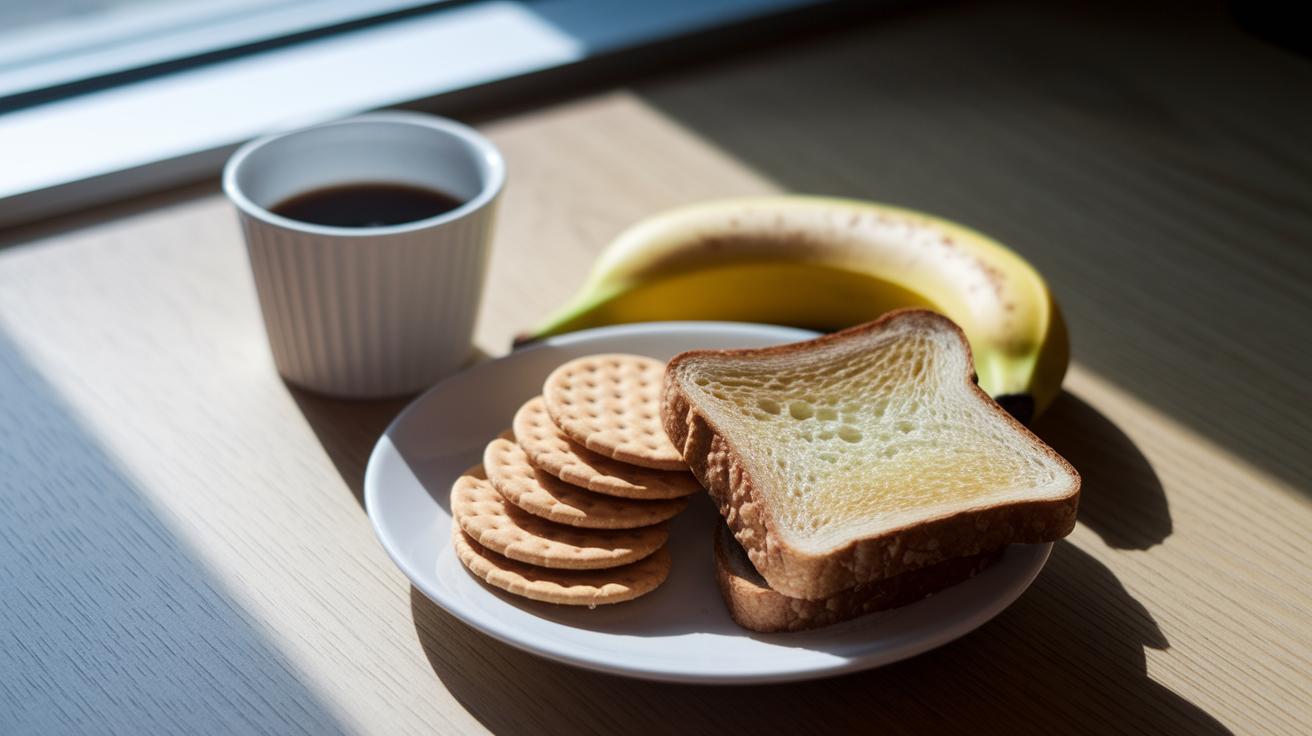
When you keep your blood sugar steady and let your stomach empty slowly, it can really help ease nausea. Eating lots of small meals spaced out over the day stops big jumps in blood sugar and helps your tummy feel less overwhelmed. This calm, steady routine makes it easier for your body to digest food and can help ease the queasy feeling many experience in the first trimester.
- Try eating mini-meals of about 200–250 calories every 2–3 hours.
- Have a few crackers as soon as you wake up before you even get out of bed.
- Use smaller plates to help control your portions.
- Pack a snack box for mid-morning and another for mid-afternoon.
- Alternate simple, bland carbs and proteins to keep your digestion steady.
- Take a little break, rest for 10–15 minutes after each mini-meal.
Building a meal plan with these small steps can help manage morning sickness and keep you feeling a bit more comfortable all day long.
Nausea-Friendly Food Options in a Morning Sickness Diet
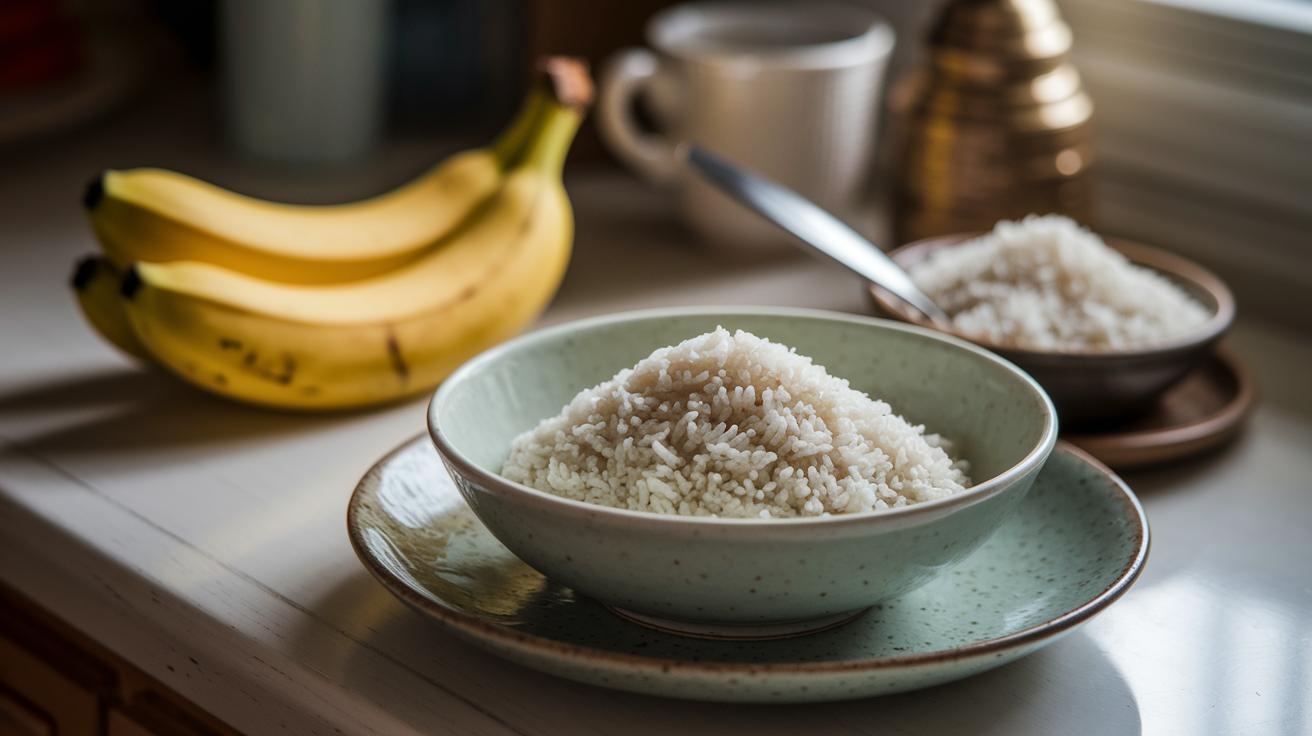
When you feel queasy, choosing foods with a soft flavor and lots of nutrients can really help calm your stomach while still giving your body the fuel it needs. Think of these options like little bites of comfort that keep you nourished without overwhelming your senses.
Simple carbohydrates are a great start when you’re coping with nausea. The BRAT diet, bananas, rice, applesauce, and toast, offers light flavors that can gently absorb stomach acid. And if you’d like a bit more variety, whole-grain crackers also work well. They provide the kind of energy that’s easy on your tummy and keeps you going steadily throughout the day.
Lean proteins also play a big part in soothing discomfort and aiding digestion. You might try lean meats, beans, or even Greek yogurt for a protein boost. These choices aren’t just easy on your digestion; they also help keep your energy levels balanced, making them perfect for a down day.
Don’t forget about hydration, either. Enjoying fruits, vegetables, or light soups, like cucumbers, melons, and broth-based soups, adds moisture and a fresh taste to your meals. Mixing up textures and sticking with low-acid foods can make your meals not only tasty but also comforting, without overloading your senses.
Foods & Ingredients to Avoid During Morning Sickness
When you’re feeling nauseous, even a light smell or a unique texture can bring on queasiness. Sometimes, strong smells or unusual textures make you gag, and every bite feels overwhelming. Think of a dish with extra spicy sauces, it might be too much for a sensitive tummy.
It’s best to avoid fried foods, fatty items, and heavily spiced meals during morning sickness. They put extra work on your digestion and can worsen nausea or bring on more vomiting. Instead, consider cooking in a lighter way to keep your meal gentle on your stomach.
Also, artificial additives and preservatives can upset an already sensitive stomach. Foods with long ingredient lists or extra chemicals, and even bitter greens like kale or arugula when their taste is too strong, may add to your discomfort. Their bold flavors might make nausea worse instead of soothing it.
Take a moment to read labels and choose simple, preservative-free alternatives. This mindful habit helps you avoid hidden irritants when your tummy needs a little extra care.
Sample Meal & Snack Ideas for Morning Sickness
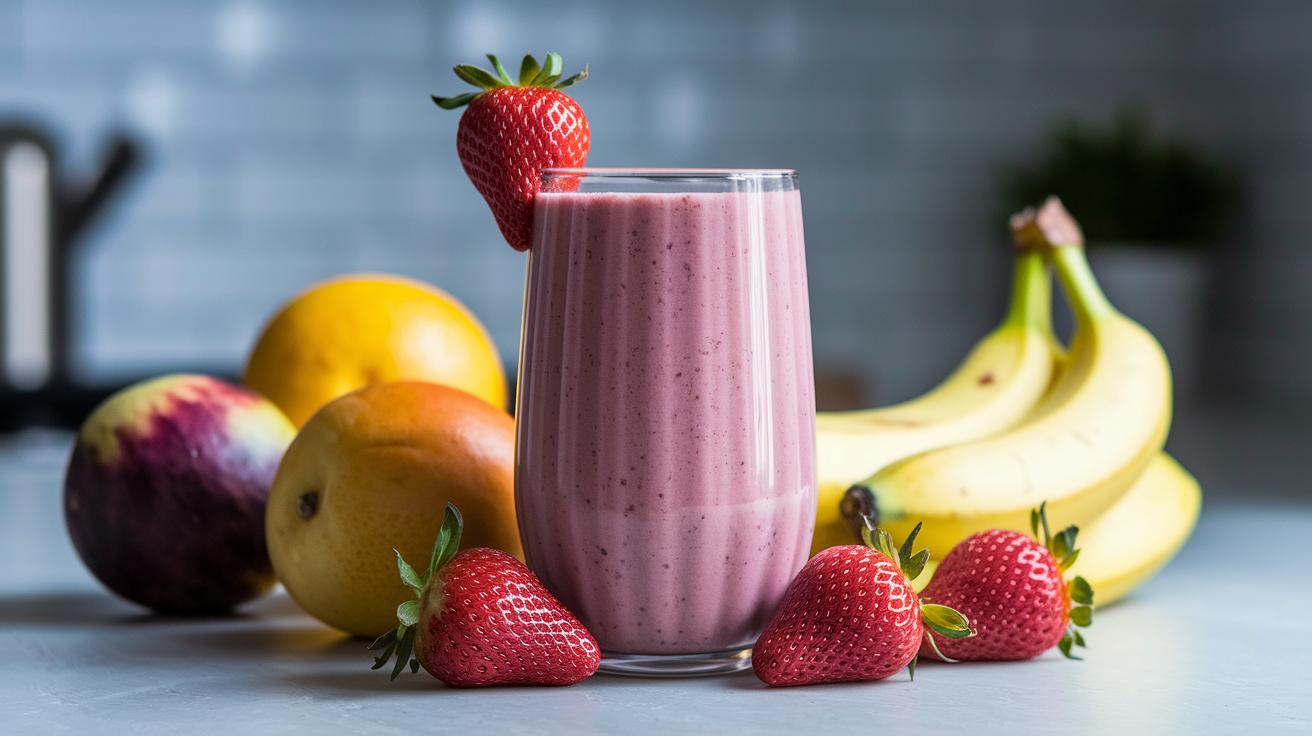
When your mornings feel tough and that queasy feeling sticks around, picking out gentle meals can really brighten your day. A light, nutrient-rich breakfast or snack can soften those symptoms and give you the energy you need. By keeping meals small and easy to digest, you help your body feel better while still getting the right mix of protein, vitamins, and other soothing ingredients.
| Meal | Ingredients | Anti-Nausea Benefit |
|---|---|---|
| Breakfast: Strawberry Banana Smoothie | B6, protein, gentle flavor | Eases morning sickness and boosts energy |
| Lunch: Salmon Spinach Salad | Omega-3 fats, ginger for digestion | Supports digestion while giving balanced nutrients |
| Dinner: Roasted Chicken & Veggies | Lean protein, fiber | Provides complex carbs and settles the stomach |
| Snack: Ginger Tea & Crackers | Hydration, ginger’s calming effect | Soothes nausea and helps keep you hydrated |
Each meal and snack idea is made with small portions to keep you comfortable between larger meals. The gentle flavors and calming ingredients work together so you don’t feel overwhelmed, even when mornings are hard. And hey, feel free to switch things up, maybe try a different fruit in your smoothie or swap out the crackers for some mild rice cakes. Listening to your body is key to finding what feels best on your special mornings.
Hydration Strategies & Beverages for Easing Morning Sickness
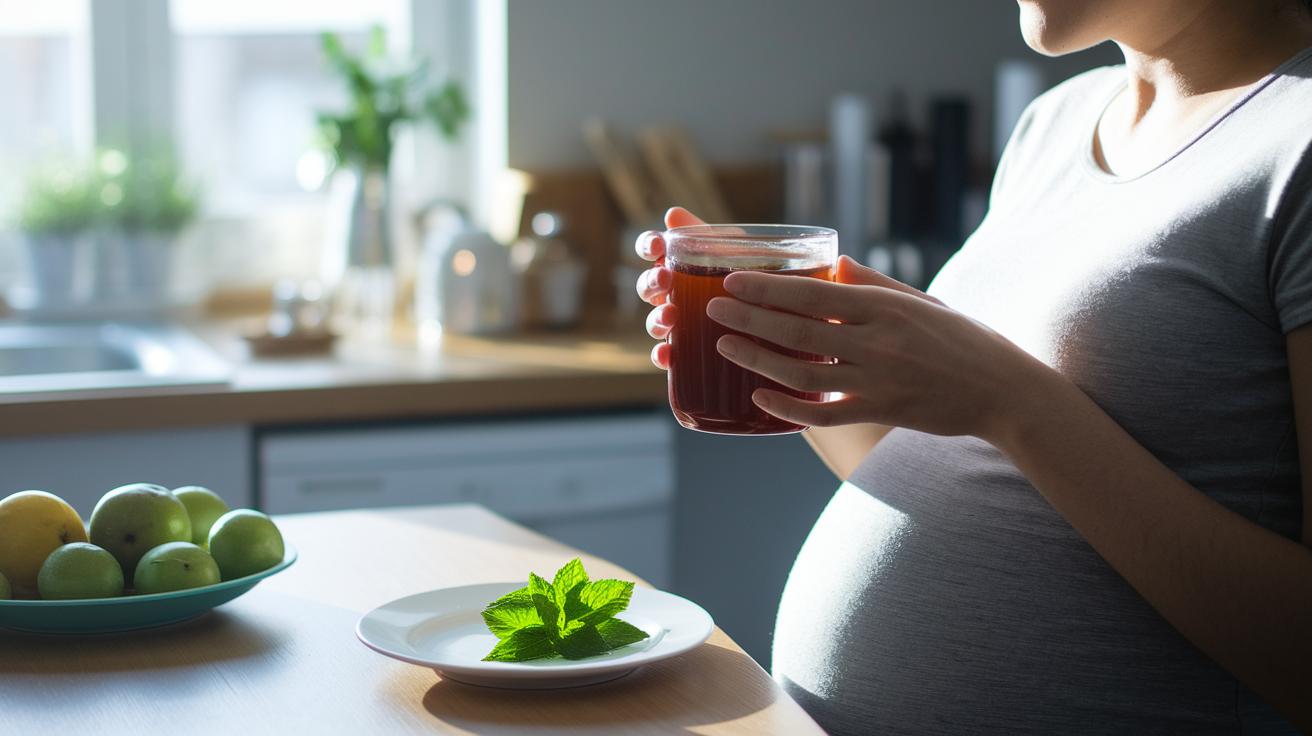
When you’re feeling queasy, keeping well-hydrated is really important. A dry tummy can make nausea worse, so having the right fluids helps keep everything working smoothly inside your body. Steady sips of water can support your digestion and ease that uncomfortable feeling.
There are some drinks that work extra well when morning sickness strikes. You might find that a warm broth or a gentle herbal tea like peppermint or lemon makes you feel better. Cold, non-fizzy drinks such as coconut water or natural electrolyte beverages are also great. They help bring back lost minerals without a strong smell that might upset your stomach.
So, try taking slow, small sips of cold water, diluted juice, coconut water, or herbal tea with ginger or peppermint. And here’s a little tip: between sips, take a soft whiff of lemon. It can lift your senses and bring a bit of calm to your day.
Key Nutrients & Natural Remedies in a Morning Sickness Diet
When you’re feeling queasy in the morning, focusing on certain nutrients can really help calm your stomach and support your overall health during early pregnancy. Choosing the right foods can make you feel better and give support to you and your little one.
Ginger Natural Remedy
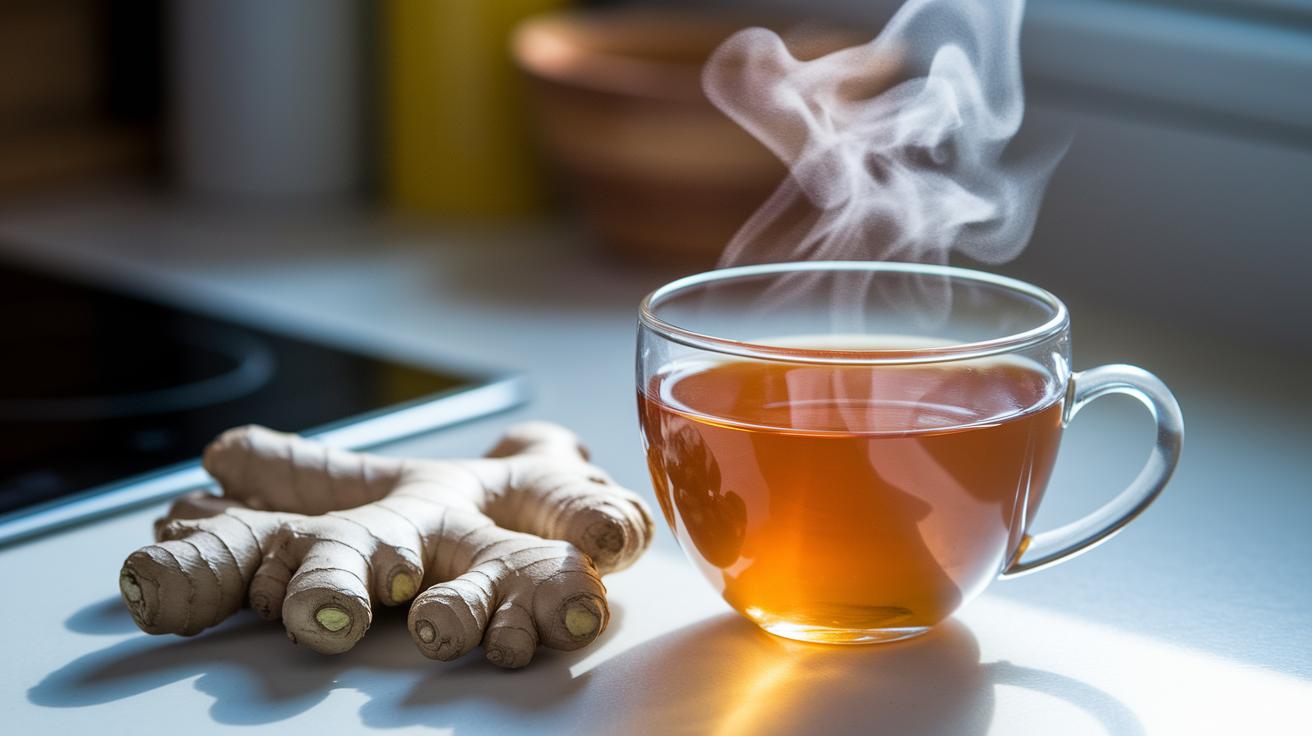
Ginger is a simple, natural way to soothe nausea. Research shows it can help whether you eat it or just enjoy its scent. You might try a warm cup of ginger tea or even a little ginger candy when your stomach feels unsettled. For example, steep a small piece of fresh ginger in hot water for a few minutes to let its gentle, calming effects work their magic.
Vitamin B6 Rich Produce
Adding fruits and vegetables rich in vitamin B6 can also ease nausea. Think of bananas, avocados, and potatoes as friendly additions to your meals. Studies suggest that getting about 10 to 25 mg of vitamin B6 each day can help reduce queasiness and even support your baby’s brain and nervous system development.
Fiber Support Intake
Fiber is a key part of helping your digestion run smoothly. Aim to include 20 to 30 grams of fiber each day from foods like oats, berries, or lightly steamed greens. These choices help keep your tummy comfortable and can prevent feelings of bloating or discomfort.
Omega-3 & Magnesium Meals
It’s also a good idea to include meals that offer omega-3 fatty acids and magnesium. Enjoy foods like salmon, chia seeds, or spinach to help reduce inflammation and support overall digestive comfort. They work together to make your day a bit easier.
Mixing these nutrient-packed foods into your daily menu can be a gentle way to manage nausea while giving your body the care it needs during early pregnancy. Isn't it amazing how small changes can make a big difference?
Final Words
In the action, we covered how mild, low-fat foods and frequent small meals help ease early pregnancy discomfort. The tips include adding ginger for its soothing benefits, tracking food triggers, and keeping hydrated with simple, clear beverage choices.
We also explored practical snack and meal ideas along with nutrient-rich selections for overall well-being. Dietary adjustments for morning sickness provide a heartening, natural way to find relief. Enjoy these nurturing solutions with optimism and confidence.
FAQ
What helps morning sickness in the first trimester?
The first trimester relief often comes from bland, low‐fat carbohydrates, ginger teas, frequent small meals, and steady hydration, which help keep symptoms like nausea in check.
What foods fight nausea during pregnancy?
Foods such as crackers, toast, and ginger‐infused dishes help reduce nausea by soothing the stomach, offering comfort, and maintaining a balanced blood sugar level throughout the day.
What breakfast foods fight nausea during pregnancy?
Breakfast choices like plain toast, crackers, or light cereals can calm the stomach early in the day and support stable blood sugar, lessening nausea during pregnancy.
What is the best juice for nausea during pregnancy?
A mild, diluted juice made from lemon or ginger can help ease nausea by offering a gentle, soothing flavor that settles the stomach while keeping you hydrated.
What home remedies help alleviate nausea during pregnancy?
Home remedies include sipping ginger tea, eating bland foods like crackers, and drinking small amounts of water or broth slowly, all designed to comfort the stomach naturally.
Does pregnancy nausea at night indicate the baby is a girl?
While some believe nighttime nausea might hint at carrying a girl, research has found no reliable link between the timing of nausea and the baby’s gender.
What does all-day nausea without vomiting during pregnancy mean?
If you experience nausea all day without vomiting, it can be managed by eating small, frequent meals, staying well hydrated, and steering clear of foods with strong smells.
Is nausea in pregnancy a sign that you are having a girl?
Many wonder if nausea signals a girl’s presence, but studies show there is no clear connection between the severity of nausea and the baby’s gender.
What should you eat to reduce morning sickness during pregnancy?
Reducing morning sickness may involve eating bland, low‐fat carbohydrates like toast or crackers, mixing in ginger as an anti-nausea agent, and following a schedule of small, frequent meals.
What nutrients might you be lacking when experiencing morning sickness?
Morning sickness can sometimes lower your intake of vitamin B6, ginger antioxidants, and fiber; incorporating fruits, vegetables, and whole grains can help fill these nutritional gaps.
What reduces nausea in early pregnancy?
Nausea in early pregnancy is often reduced by adopting small, bland meals, using ginger for its calming properties, and maintaining adequate hydration throughout the day.
Which foods make pregnancy nausea worse?
Foods high in fat and spice, along with items that have strong aromas like garlic or onions, may worsen pregnancy nausea by aggravating a sensitive stomach.