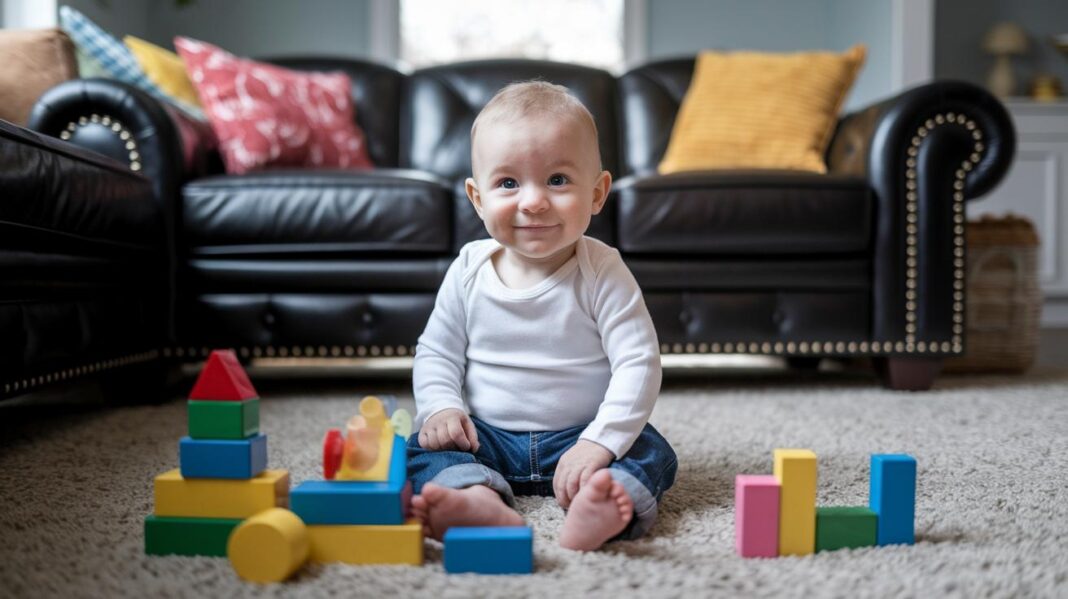
Have you ever noticed how a baby's little movements can fill you with wonder? When your baby lifts their head during tummy time or gives you a soft smile, it's not just cute, it’s a sign of the amazing adventures ahead. These small moments help build the excitement for crawling and even those first wobbly steps. In our guide, we take a gentle look at the key steps your baby makes from early giggles to growing more independent. Every tiny win adds to a beautiful story of joyful growth and surprising milestones during that special first year.
What to Expect: Key Infant Milestones by Age Range
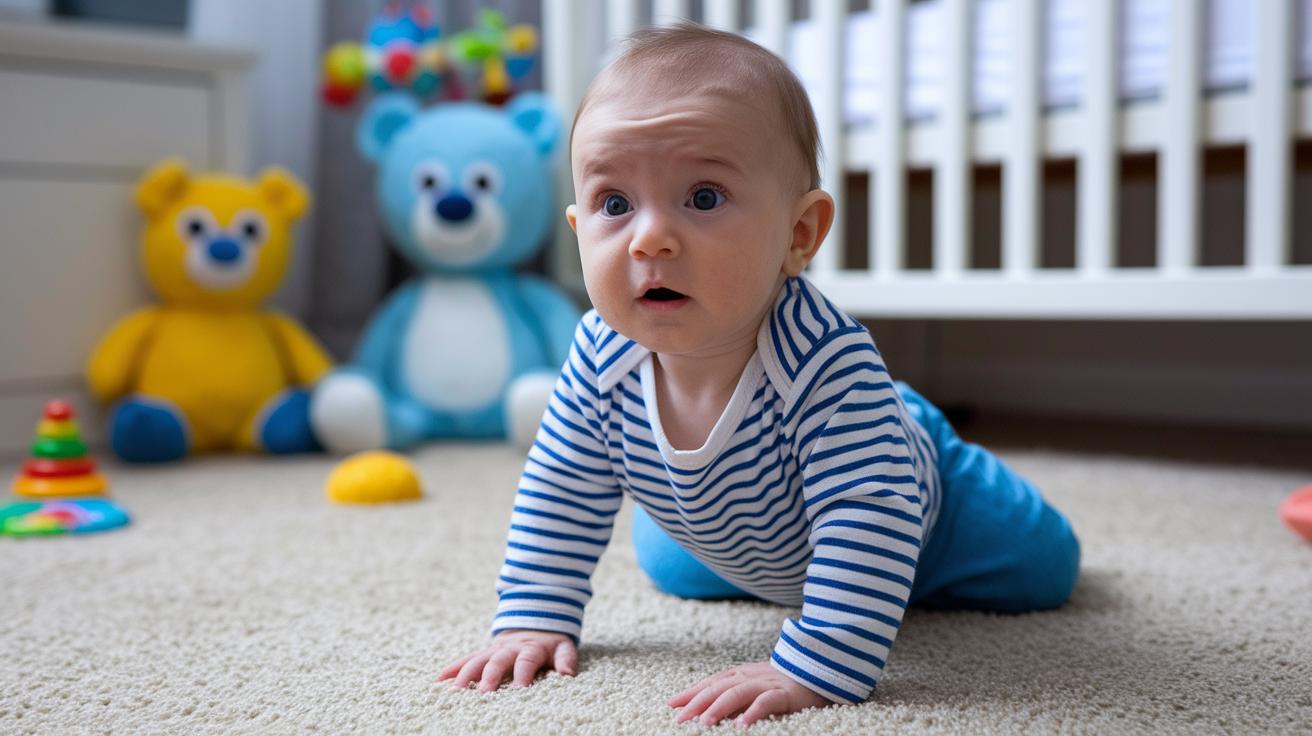
In this guide, we take a warm look at the big steps in your baby's first year. Every little movement or sound shows a beautiful change. Even when your baby gently lifts their head during tummy time or gives that first heartwarming smile, it can feel like a big win.
As time goes on, you might see your little one rolling over or starting to babble. These simple but special moments mean exciting changes are happening. Before you know it, your baby might be crawling or shuffling around, exploring their little world. And those early sounds? They’re a sweet hint at the words to come.
By the time your baby nears their first birthday, chances are they’ll be pulling themselves up to stand, cruising along the furniture, or even taking their first wobbly steps. Along with these movements come recognizable little words and playful interactions that light up every day.
| Age Range | Motor | Language | Social |
|---|---|---|---|
| 0–3 months | Lifts head when on tummy | Cooing sounds | Social smiling emerges |
| 4–6 months | Rolls over | Starts babbling (e.g., “ba-ba”) | Expressive smiles and laughter |
| 7–9 months | Crawls or bottom-shuffles | Responsive babbling and tone changes | Recognizes familiar faces |
| 10–12 months | Cruises, pulls to stand, possible steps | First clear words appear | Imitates expressions, interactive play |
Every milestone is a tiny leap forward, filling your days with wonder and joy.
Infant Milestones: Gross Motor Skill Progression
-
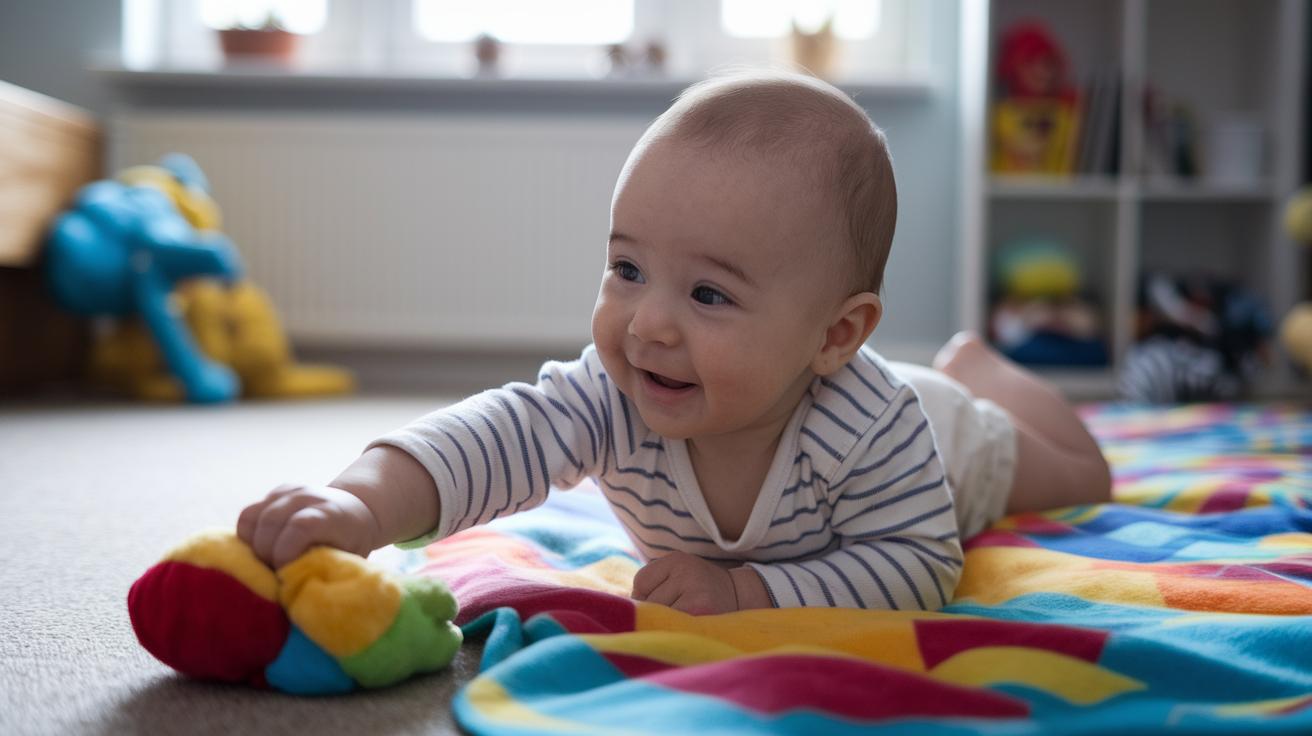
Lifts head when prone (0–2 months): When your baby is on their tummy, place a soft, colorful toy just in their line of sight. You might even add a baby-safe mirror so they can see their reflection for the very first time and smile with delight!
-
Pushes up on forearms (3–4 months): Try a short tummy time session on a cushioned surface. Offering a gentle, easy-to-grab toy, like a small, tinkling rattle, can encourage your baby to stretch and push up with a happy little smile.
-
Rolls front-to-back and back-to-front (5–6 months): Lay your baby safely on a soft mat and gently roll a small ball nearby. This playful game not only grabs their attention but also helps them learn how to roll, just like watching them follow a rolling ball with eager eyes.
-
Sits with minimal support (6–7 months): Create a snug spot where your baby can practice sitting with a little help. You can sing soft songs or play a game of peekaboo to keep them engaged while they build their balance. Imagine the giggles as they reach out during a fun peekaboo moment!
-
Crawls or bottom-shuffles (7–10 months): Set up a safe, clear play area with different textured mats for your baby to explore. Placing a favorite toy a short distance away can spark their curiosity, making each crawl a little adventure toward something exciting.
-
Pulls to stand, cruises, and may take first independent steps (9–12 months): Arrange sturdy furniture close by so your baby can hold on while trying to stand and take a few steps. Hold their hand during these practice moments in a safe play zone, and enjoy the joy that fills the room as they experiment with their very first steps.
Infant Milestones: Fine Motor Coordination and Hand-Eye Development
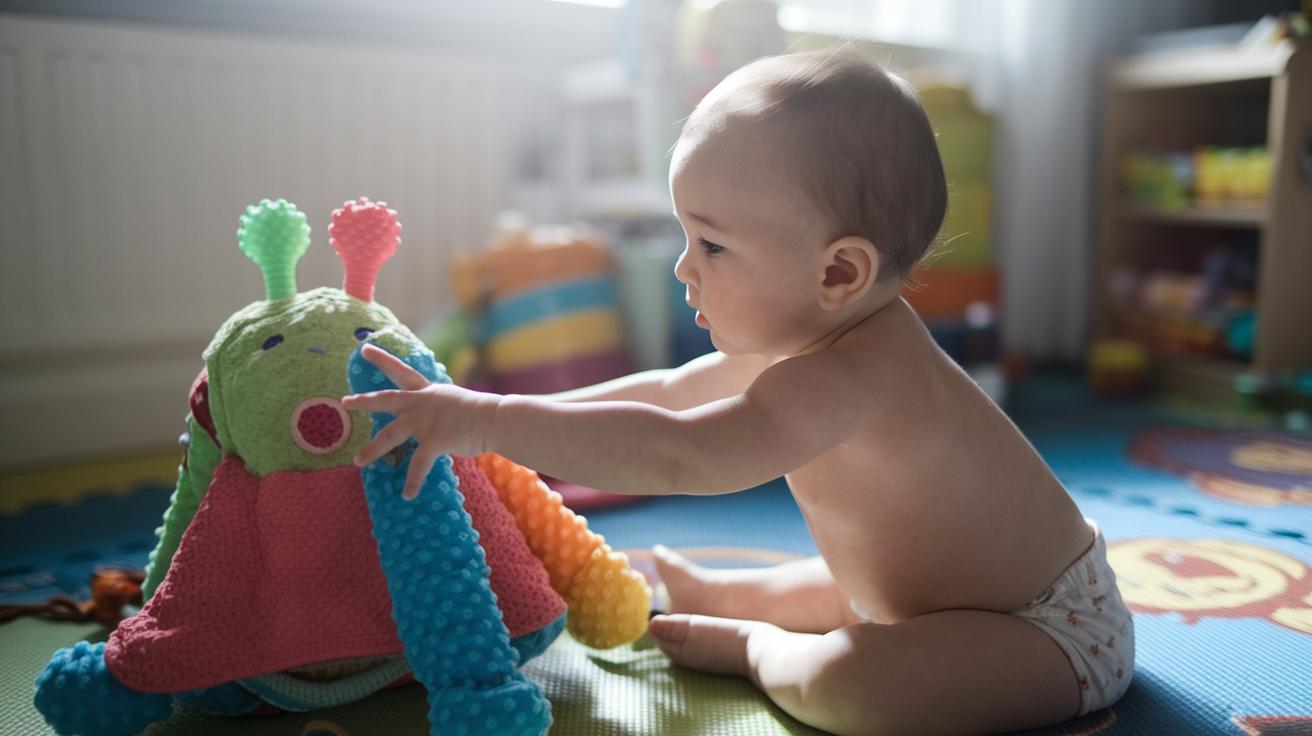
Around two months, you might notice your baby’s eyes beginning to follow gentle movements, like a softly swaying scarf or a dimly glowing toy. It’s a little peek into how they start to learn about the world. By three or four months, those tiny hands start reaching out and trying to grab things. Try giving them a lightweight toy with different textures so they can explore with a gentle touch!
Between five and seven months, you may see your baby move a toy from one hand to the other. It’s a playful moment that helps build their coordination. A small, safe object within reach is perfect for some fun practice.
By around nine months, a really special skill called the pincer grasp starts to show up. This is when your little one can pick up tiny items using their thumb and index finger. You might set out soft, bite-sized snacks on a tray to make snack time both fun and a good practice for their new skill.
When they’re 10 to 12 months old, many babies begin to feed themselves with finger foods. Try offering bits of soft fruit or vegetables. It’s a simple activity that not only boosts their fine motor skills but also supports their growing sense of independence during mealtimes.
Infant Milestones: Language Comprehension and Vocalization
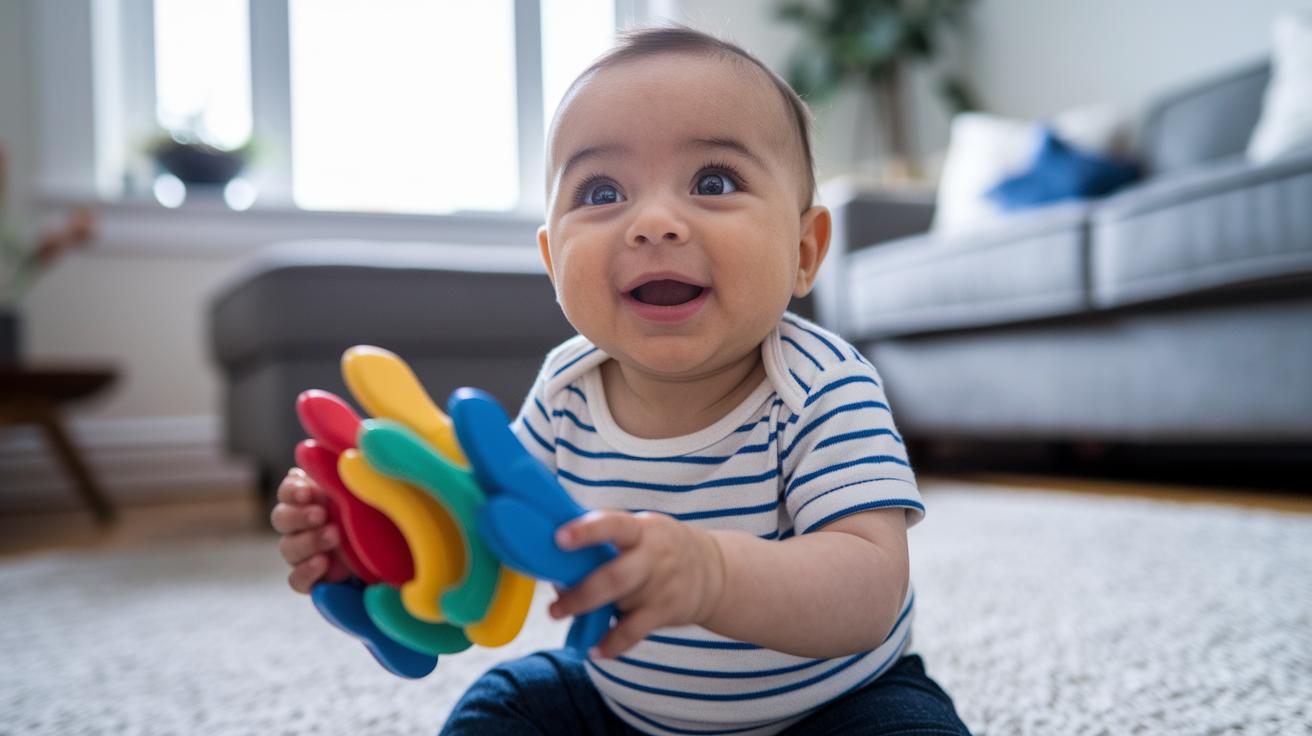
When your baby is around two months old, you might start hearing gentle cooing sounds. It feels like a soft whisper showing that your little one is beginning to play with sounds.
Between four and six months, your baby may start making simple sounds we call canonical babbling. Picture those sweet moments when they say "ba-ba" or "da-da", it's enough to make you smile. Try saying, "Can you say ba-ba?" while showing them a favorite toy. This fun back-and-forth helps build language skills. If you're curious, you can learn more about these milestones by checking out this link: https://womensconference.org?p=10998.
By the time they’re 7 to 9 months old, you'll notice your baby using small gestures like a friendly wave or a nod. These little moves show their growing understanding of social cues, making communication even more fun.
Around 9 to 12 months, many babies begin to understand simple words like "no" or "bye-bye." You might even hear a clear "mama" or "dada," which is simply heartwarming. Keep the conversation going by reading aloud, singing playful songs, and chatting with them. This responsiveness boosts their language skills and makes every moment of growth even more special.
Infant Milestones: Cognitive Development and Object Permanence
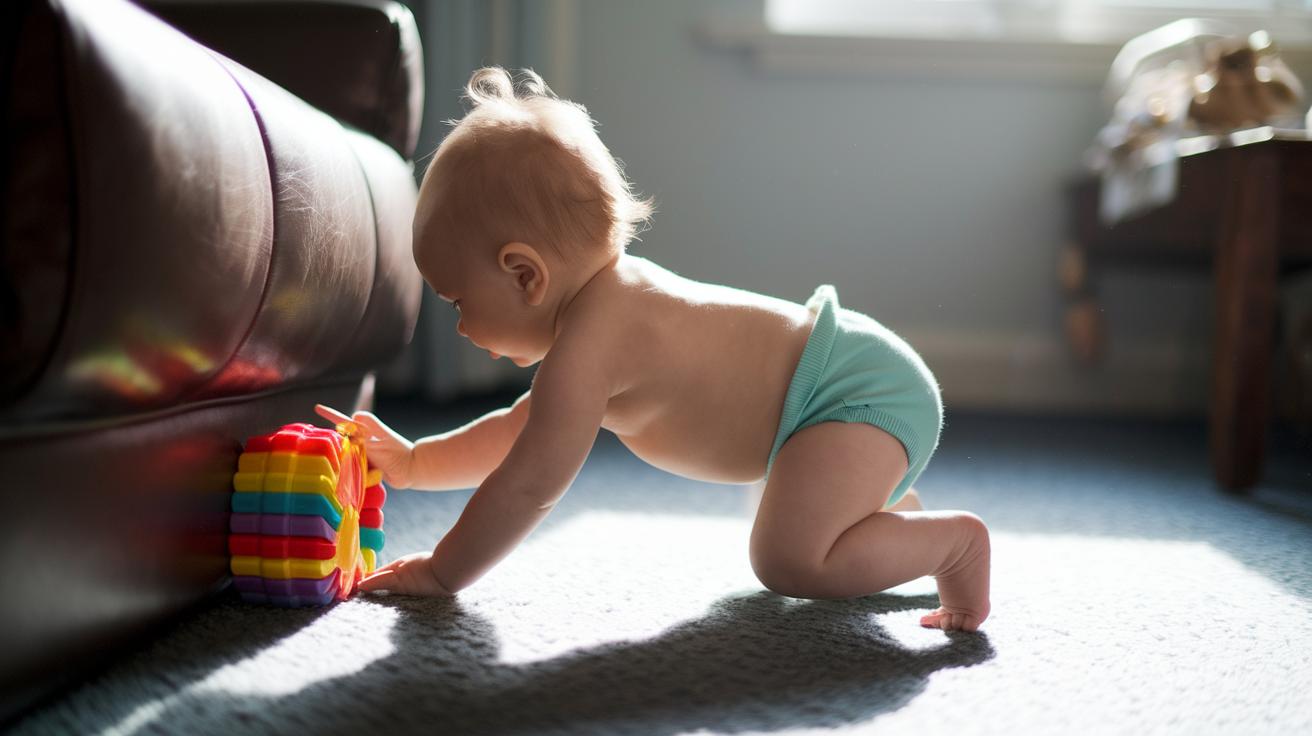
By about three months, your baby starts tracking moving objects with their eyes. It’s a simple, yet magical glimpse into how their little brain is beginning to work, and it sets the stage for building memories. It’s like watching the start of a wonderful puzzle coming together.
Around six months, something charming happens: your little one starts to expect that a toy hidden from view will eventually pop back into sight. This is a delightful hint that they're beginning to understand object permanence. Playing a gentle game of peek-a-boo can really spark their interest, and you might even find yourself smiling at each little surprise.
Between six and nine months, you might notice your baby truly searching for toys that are completely out of sight. It’s an exciting time of exploring and learning, as they figure out that things don’t just disappear. When you offer them a favorite toy and watch their bright eyes light up with curiosity, it’s a heartwarming reminder that every little discovery builds their confidence and problem-solving skills.
By 10 to 12 months, your baby starts to explore more actively, banging or shaking toys, and even figuring out simple ways to move an obstacle to reach a hidden object. Trying out a hidden-toy game can be a fun way to nurture this creative thinking and continue their cognitive growth.
Infant Milestones: Social Interaction and Emotional Growth
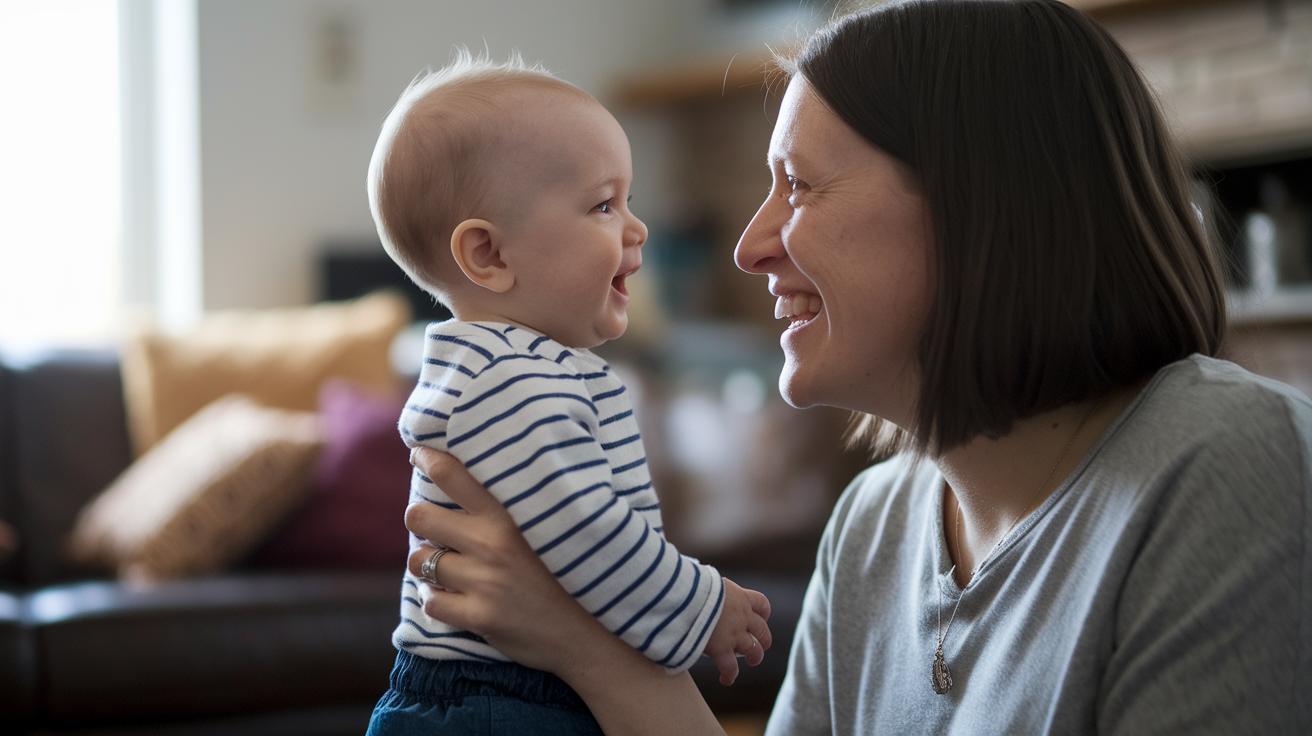
At about 6–8 weeks, you might notice your baby starting to smile back at you. Try cuddling them and looking into their eyes warmly. When they return your smile, gently say, "I see you!" in a soft voice.
By 3–4 months, your little one begins playful back-and-forth interactions. Instead of just noting it, try adding a fun routine. Respond to their coos with gentle sounds or a quick game of peek-a-boo. Sometimes, let a quiet pause follow their sound to let them enjoy the moment.
Around 6 months, laughter brightens the room. Invite giggles by using silly voices or giving a little tickle. When your baby laughs, mirror their happiness with your own cheerful sounds.
Between 7–9 months, the bond grows even stronger. Blend calming hugs with simple songs during play. When introducing your baby to new faces, keep your voice soft and welcoming so they feel secure right away.
At 10–12 months, playful facial expressions become a fun way to connect. While playing, copy your baby's happy expressions. If they give you a big grin, smile back and say, "What a happy face!"
Final Words
In the action, we explored how infants grow through motor skills, fine movements, language, cognition, and social connection. The guide unpacked key infant milestones, showing how little achievements build toward a greater whole. Each section offered clear tips and simple activities for everyday care.
Every piece of advice helps nurture a loving atmosphere while supporting your baby’s natural progress. Embrace each small win, knowing every step forward brightens the path ahead.
FAQ
Where can I find reference charts or PDFs for key infant milestones?
Reference charts and PDFs on key infant milestones usually offer month-by-month or age-range checklists. They cover areas like motor skills, language, social interactions, and cognitive growth, with many based on guidelines from trusted sources like the CDC.
What are the major milestones for infants?
Major infant milestones include motor skills such as rolling, sitting, and crawling; language skills like babbling and word formation; and social cues like smiling and showing attachment, all of which mark healthy early development.
What are the five key developmental milestones in infancy?
The five key developmental milestones in infancy are gross motor skills, fine motor coordination, language development, cognitive growth including object permanence, and social-emotional interactions that signal progress.
What are the key points of infancy that parents should watch for?
Key points of infancy include early social smiling, rolling over, cooing and babbling, reaching and grasping objects, and emerging first words, each indicating healthy growth and providing cues for nurturing activities.