Ever wondered if you're really getting all the important details from nutrition labels? If you're expecting, these labels can feel like a little treasure map that leads you to better choices for you and your baby. Each serving size and calorie count holds hints on how to keep both of you healthy. In this friendly guide, we'll walk through simple steps together so you can easily understand your labels and feel confident in your nutritious decisions.
Essential Steps to Read Nutrition Labels for Maternal Choices
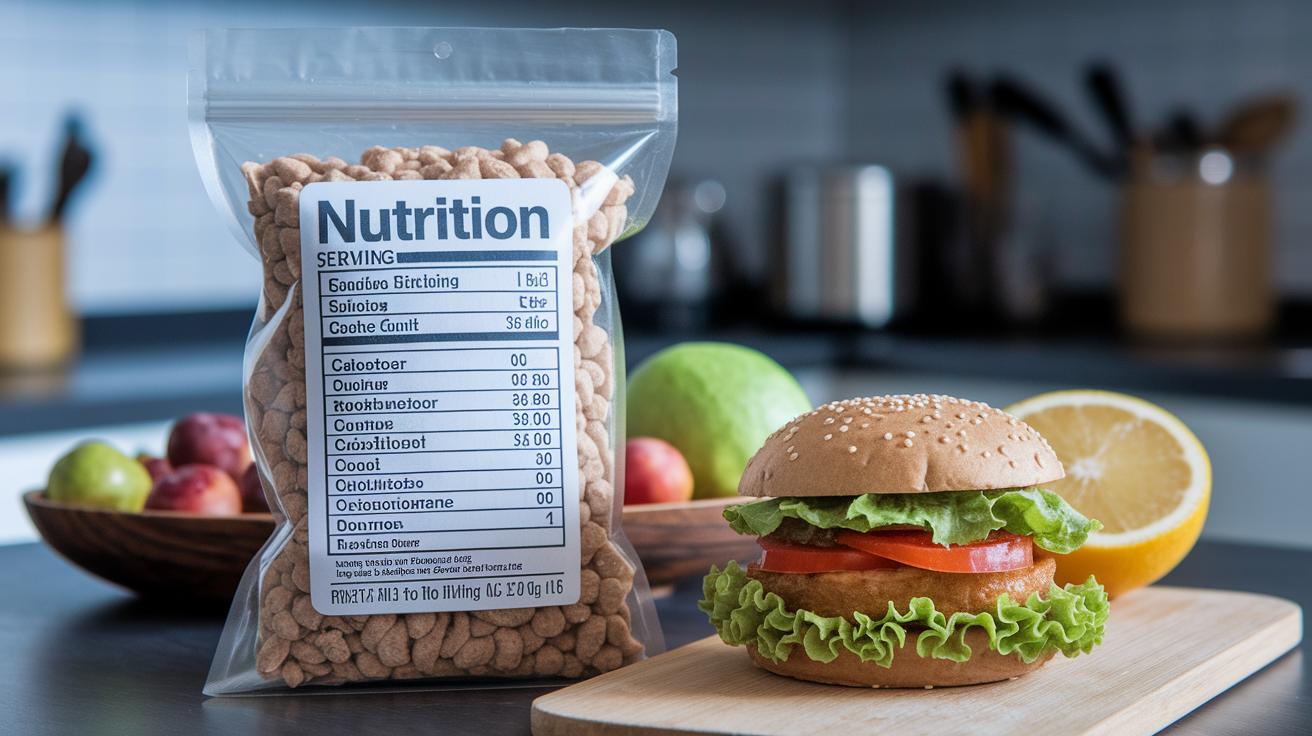
Start by looking at the serving size on the label. This little detail tells you the exact amount of food the nutrition facts are based on. Often, a package has more than one serving, so it’s important to adjust your portions accordingly. For example, if the label says "Serving Size: 1 cup" but the package contains multiple servings, you can better plan how much you’re really eating.
Next, check the calorie count per serving. When you’re expecting, your body may need more energy, but it’s wise to balance those extra calories with foods full of nutrients. Compare the calorie amount with what you need during your trimester. Think of it like planning a meal, if one serving isn’t enough, you might be having more calories than you think when you finish the whole package.
Also, look out for key nutrients that matter during pregnancy, like folic acid and iron. The label should show at least 400 µg of folic acid per serving, which is really important for your baby’s development. Similarly, check the iron content to help support your body as it makes more blood during pregnancy.
Finally, use this label info to compare similar products. Side-by-side comparisons can help you choose items that best fit your dietary needs – both during pregnancy and after. It's a step-by-step way to make choices that feel good and support your health and your baby’s health.
Decoding Serving Sizes and Calorie Information on Nutrition Labels for Maternal Choices
Understanding Serving Sizes
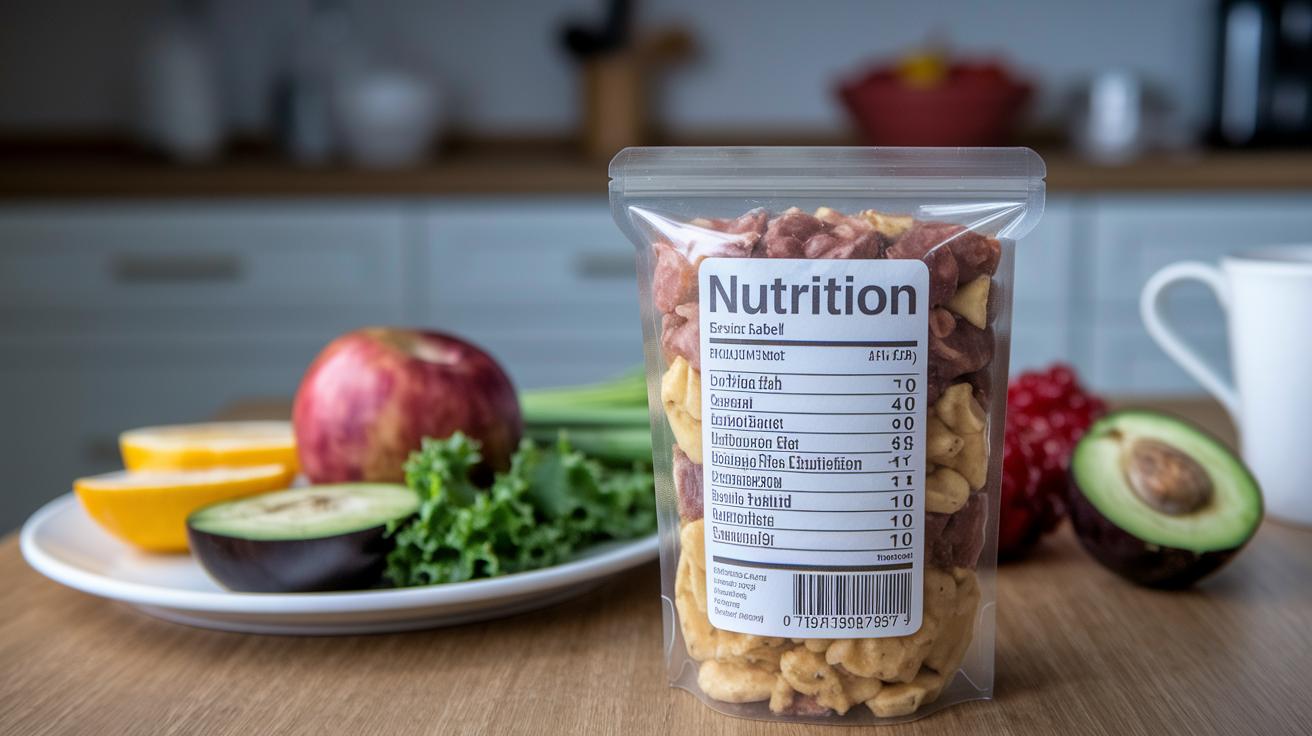
When you read the serving size on a label, it tells you the amount of food that the nutrition facts are based on. Many packaged foods contain more than one serving, so it’s really important to check both the serving size and the number of servings per container. For example, if a package says "Serving Size: 1 cup" and lists three servings in total, it means you could be eating three times more than what one serving is meant to be.
Think of it this way: that small bowl might seem like a light snack, but if the package has more servings inside, you might be having a lot more than you intended. And as your hunger and energy needs change, especially during pregnancy, it helps to adjust your portion size to match what you really need.
Interpreting Calorie Counts
When you look at calorie numbers, keep in mind that your body’s energy needs might be different now. As you move into later months of pregnancy, you might need an extra 300 to 500 calories each day. However, labels are usually based on a 2,000-calorie diet, which might not match up with your personal needs at this special time.
It all comes down to balancing calories with nutrient-rich foods, so you’re not just filling up on energy but also getting the vitamins and minerals you and your little one need. Always pick foods that help you feel good and support healthy weight gain while giving your baby all the best nutrients.
Evaluating Key Nutrients on Nutrition Labels for Maternal Choices
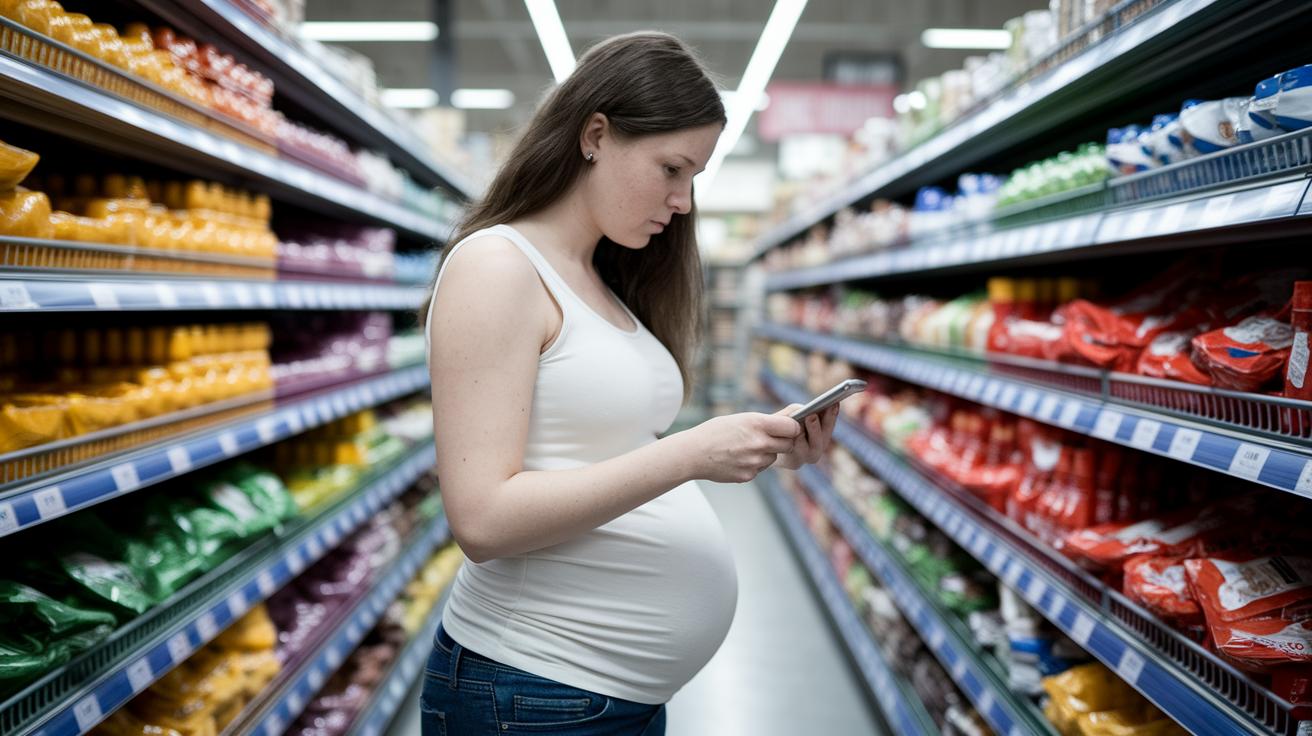
Sometimes reading a nutrition label feels like solving a secret puzzle, but if you focus on a few key vitamins and minerals, it becomes much easier. Start by looking for nutrients that support you and your baby, nutrients like folic acid, iron, calcium, vitamin D, protein, and fiber all play their own important roles. For example, foods with at least 400 µg of folic acid per serving can help support your baby’s developing brain and nervous system. Iron helps your body manage the extra blood flow during pregnancy, and calcium keeps your bones strong to support you through these extra demands.
Knowing these numbers can really empower you to compare products and choose options that fit your pregnancy and postpartum needs. It’s not just about calories; it’s about making sure every bite counts. Here’s a simple table to guide you:
| Nutrient | What to Look For |
|---|---|
| Folic Acid | 400 µg or more per serving |
| Iron | About 27 mg per serving |
| Calcium | Approximately 1,000 mg per serving |
| Vitamin D | At least 600 IU per serving |
| Protein | Helps reach 75–100 g daily (check grams per serving) |
| Fiber | About 25–30 g daily |
Using these label details helps you feel confident that each product you choose is supporting your body during this special time. Think of every nutrient value as a helper guiding you towards a healthier, happier you.
prenatal care vitamins
Deciphering Fats, Sugars, and Sodium on Nutrition Labels for Maternal Choices
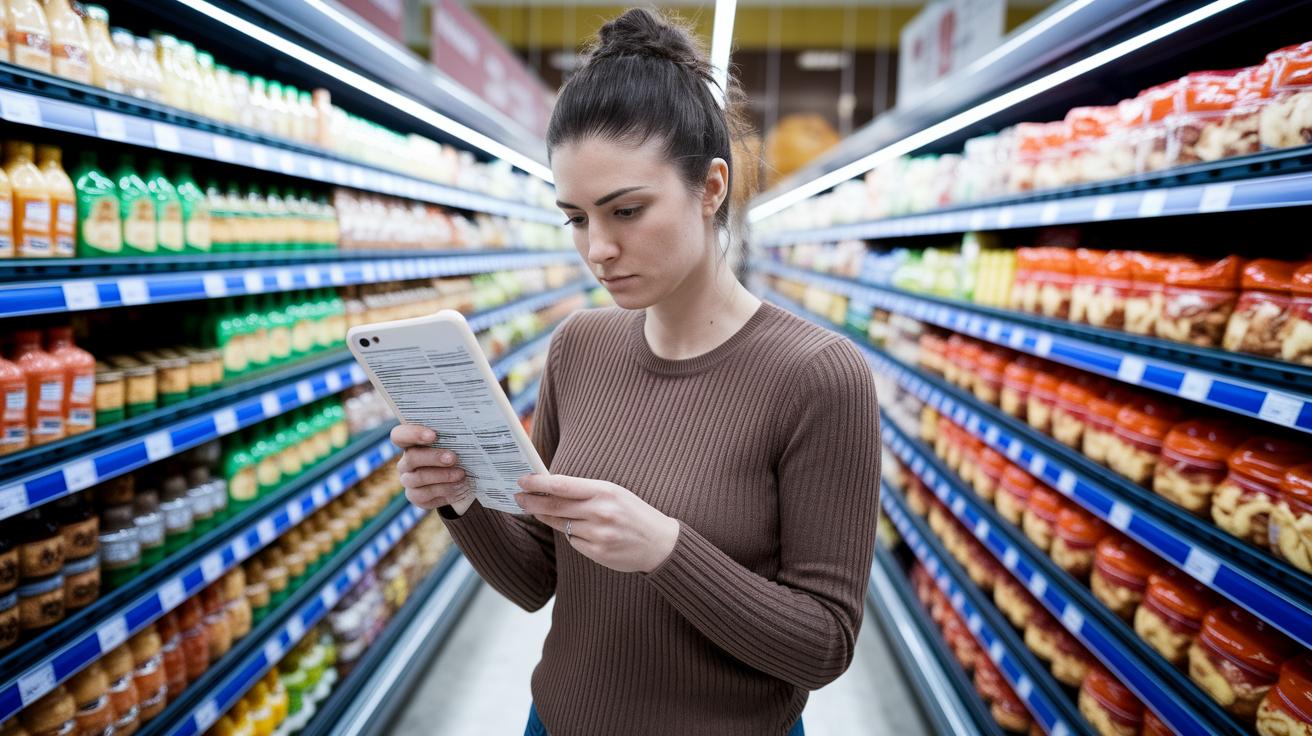
When you're picking out food at the store, start by checking the label for saturated fat, trans fats, and added sugars. These numbers are important because they help you choose foods that support a healthy heart and balanced blood pressure during pregnancy. Sometimes, a product might say “0 g trans fat,” but a closer look reveals it could have a small amount per serving, so it pays to review the whole nutrition panel.
Next, be alert for hidden sugars. Even if the front label looks clean, ingredients like high-fructose corn syrup might appear further down. This extra sugar can affect your energy and might lead to extra weight gain over time. Choosing products with less added sugar can help lower the risk of high blood pressure during pregnancy.
It’s also key to notice sodium levels. Sodium affects how your body manages fluid and blood pressure. A good tip is to aim for meals that total 2,300 mg of sodium or less throughout your day. Comparing similar products side-by-side can really show you which ones match your health needs.
Finally, look for foods that list mono- and polyunsaturated fats. These healthier fats offer essential fatty acids during pregnancy without the worry of harmful fats. It all comes down to making choices that gently support your well-being.
How to read nutrition labels for maternal choices: Thrive
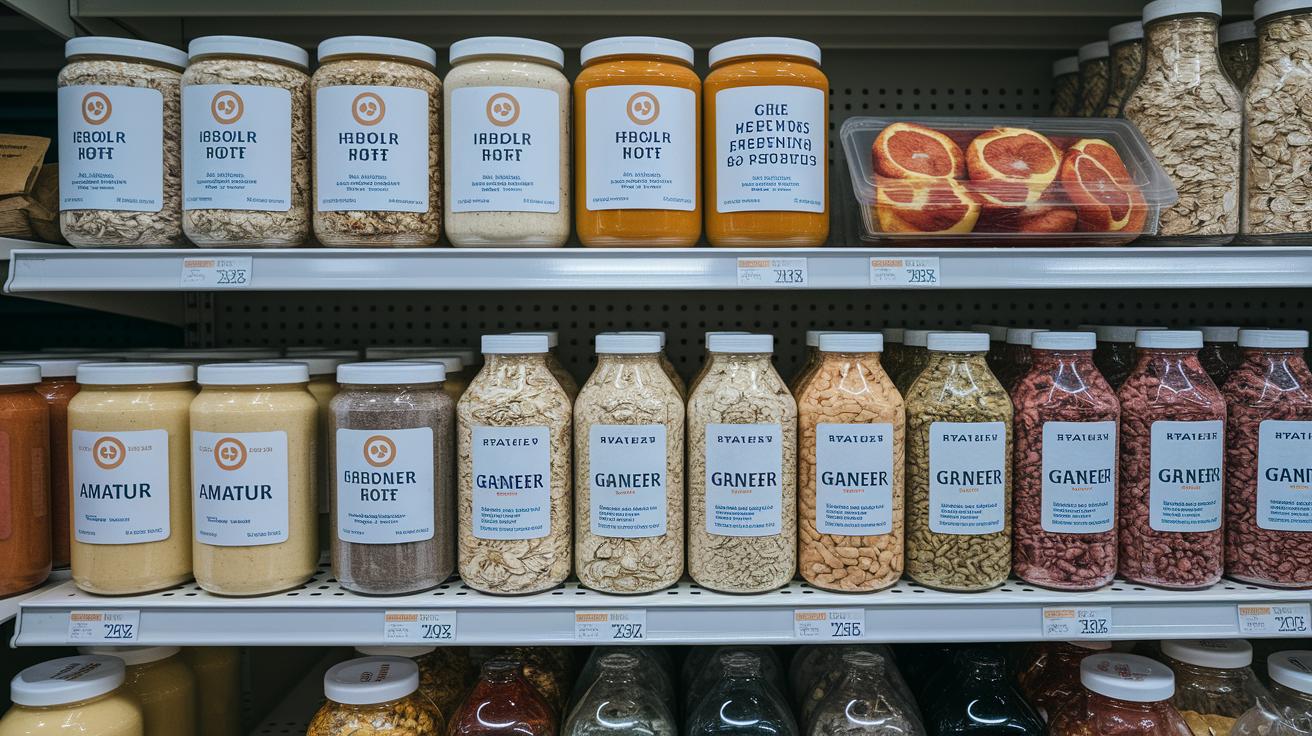
When you check out a product’s ingredient list, you might be surprised by how much you can learn just from the order. When whole foods like real oats or fresh fruit show up first, it means the product is made mostly with real, natural ingredients and not a bunch of refined sugars or preservatives. It might even surprise you, a label that says "natural" can sometimes still hide refined sugars if you read further.
Look out for labels that mention added vitamins or minerals. These hints are there to support your extra nutritional needs during pregnancy or while breastfeeding. And if you see allergen warnings or certifications like non-GMO or organic, that extra detail can bring you peace of mind, especially if you're managing sensitivities.
Taking the time to read every part of the label helps you compare products easily. This way, you can pick foods with clear and honest ingredient lists that truly support your health and the needs of your little one.
Final Words
In the action of making informed dietary decisions, our guide walked through examining serving sizes, calorie counts, and key nutrients like folic acid and iron. We explored how to read nutrition labels for maternal choices to help moms pick food that supports energy needs during pregnancy. The steps for checking fats, sugars, sodium, and ingredient lists were presented in clear, friendly terms. Enjoy putting these simple tips into practice and feel confident about each healthy choice you make.
FAQ
What is a Nutrition Facts label?
The Nutrition Facts label is a panel on food packaging that shows serving size, calories, and nutrient amounts. This helps moms quickly evaluate whether the food fits their dietary needs.
What are food labels examples?
Food labels examples include panels on packaged items that list serving sizes, calories, vitamins, and ingredients. They help guide families to make informed, healthy choices.
What is a Nutrition facts label generator?
A Nutrition facts label generator is a tool that creates custom labels by letting you input food data. It provides consistent nutritional information for homemade or reformulated products.
How can you read food labels for healthy eating?
Reading food labels for healthy eating means checking serving sizes, calories, and key nutrients. This process helps moms choose foods that support both their health and their baby’s well-being.
What is a Nutrition Facts table?
The Nutrition Facts table is the detailed breakdown on food packaging showing calories, fats, sugars, and vitamins. It supports busy moms in comparing products for healthier choices.
What do food labels nutritional information and ingredients offer?
These labels offer nutrient amounts and a list of ingredients. They empower mothers to quickly decide if a product includes the wholesome components needed for their family’s health.
What is a Nutrition Facts template?
A Nutrition Facts template is a standard format that organizes nutrient details on the label. It ensures consistency so moms can easily understand and compare nutritional values.
What is a Nutrition facts calculator?
A Nutrition facts calculator estimates nutrient content using ingredient data and serving sizes. It helps families plan balanced meals aligned with their dietary goals.
How to correctly read a nutrition label?
Reading a nutrition label correctly means beginning with serving size, then reviewing calories, fats, and essential vitamins, so you can match the food’s benefits with your daily needs.
What is the 5/20 rule in reading a food label?
The 5/20 rule means that if a nutrient is less than 5% of the Daily Value, it’s low; if it’s over 20%, it’s high. This quick guide helps in selecting balanced, nutrient-rich foods for maternal health.
What does 15% or more DV mean?
Seeing 15% or more of the Daily Value indicates the food is a good source of that nutrient. This helps moms easily identify products that support dietary needs during pregnancy.
What are the 6 steps in proper order to read the food label?
The 6 steps involve: checking serving size, calories, key vitamins/minerals, fats/sugars, the ingredient list, and comparing similar products, all to support informed, healthful choices for you and your baby.