
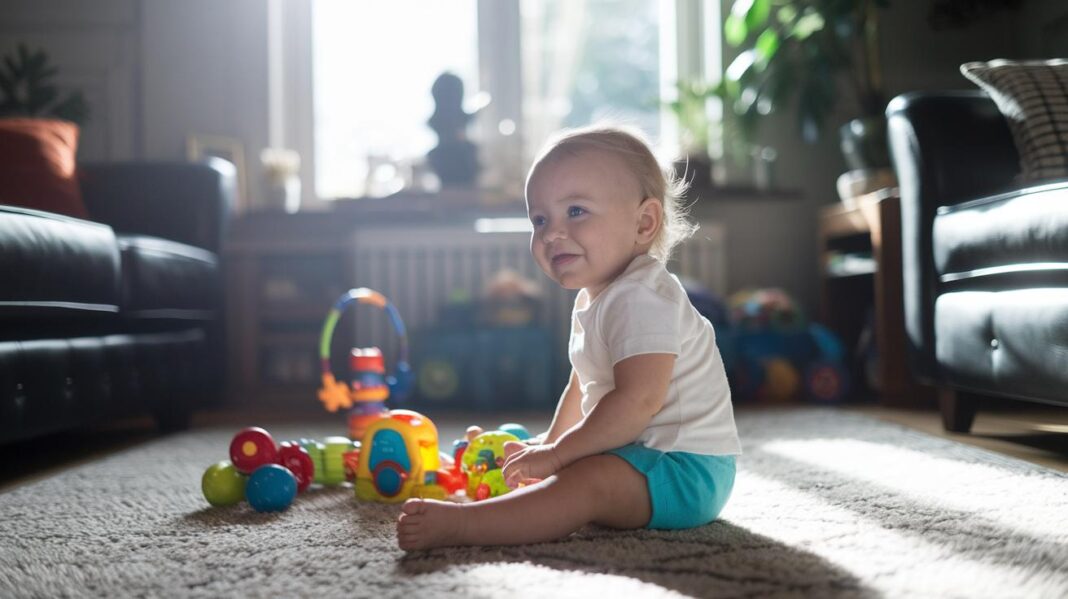
Do you ever notice your baby's little steps and wonder if they're hinting at something big? Each soft coo and wobbly step shows that your baby is growing and learning new things. Today, let’s chat about what to watch for as your little one reaches these first important milestones. Every baby grows in their own special way, but noticing these moments can boost your confidence and fill your heart with joy. Let’s celebrate these small wins together, knowing that each one is a step toward a bright, happy future.
Infant milestone expectations: Celebrating Early Growth
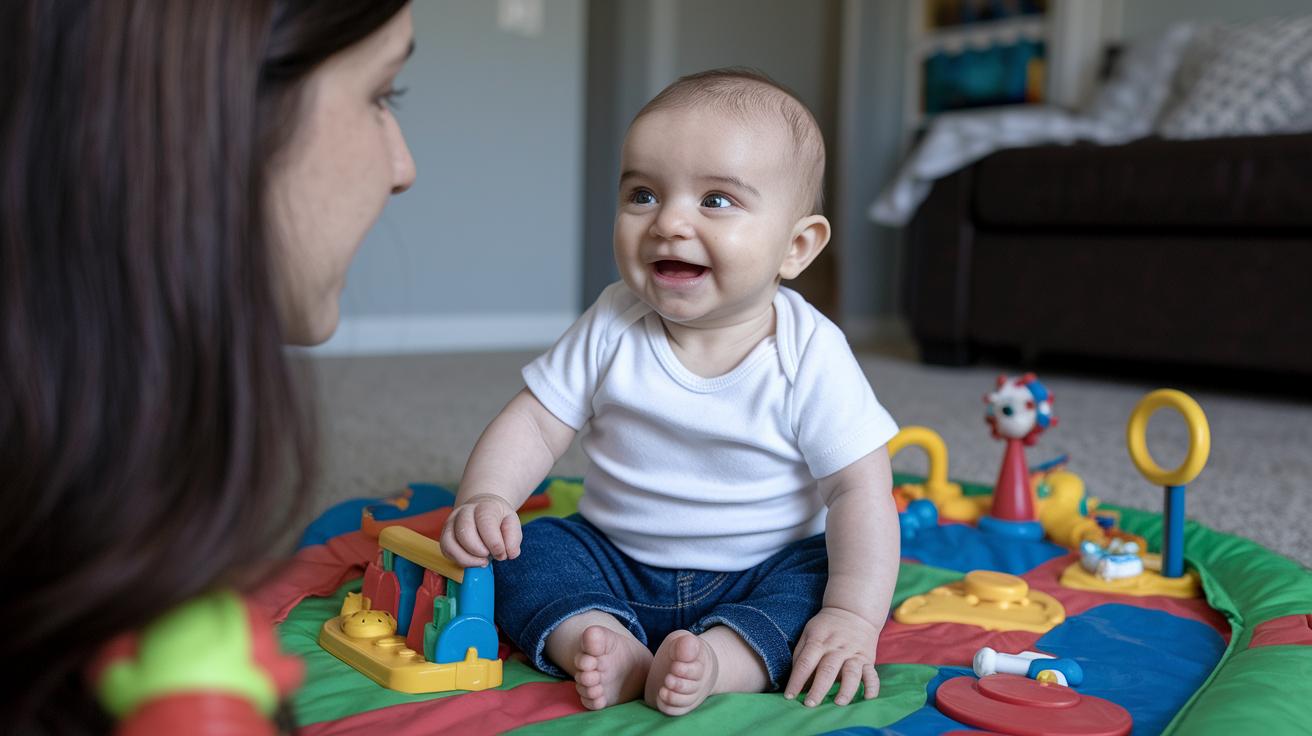
At 2 months, your baby may start to hold their head up and show early signs of head control. You might hear soft cooing and see that sweet social smile as they look at you with curiosity. Their eyes follow moving objects, much like leaves gently swaying in a soft breeze. It’s a lovely sign that their thinking skills are just beginning to bloom.
By 4 months, you may notice more physical changes. Many babies try to roll over during tummy time, showing off their growing strength. They begin to explore the world by reaching out and touching, a simple play of cause and effect that builds the foundation for more language later. Their happy sounds are a preview of the babbling that comes soon.
At 6 months, big changes are on the way. Many little ones can sit up without help, and it feels like a big win for their motor skills, really, a moment to celebrate! They start looking up when you call their name and experiment with different sounds, hinting at the babbling adventures ahead. Their love for faces shows just how much they are learning about the world.
At 9 months, movement takes another leap. Many babies begin to crawl steadily, exploring every corner with wide-eyed wonder. They might show a bit of separation anxiety, which is totally normal as they learn about attachment. Around this time, they also understand that even though a toy disappears from sight, it still exists, a wonderful sign of their growing memory and understanding.
By 12 months, you may soon see those first wobbly steps as your baby gets ready to walk. Their language skills are growing too, and you might start hearing familiar words like "mama" or "dada." They are now even more curious about how things work, and their playful exploration of cause and effect rounds out an exciting year of growth.
Evaluating Physical Skill Advancement in Infants
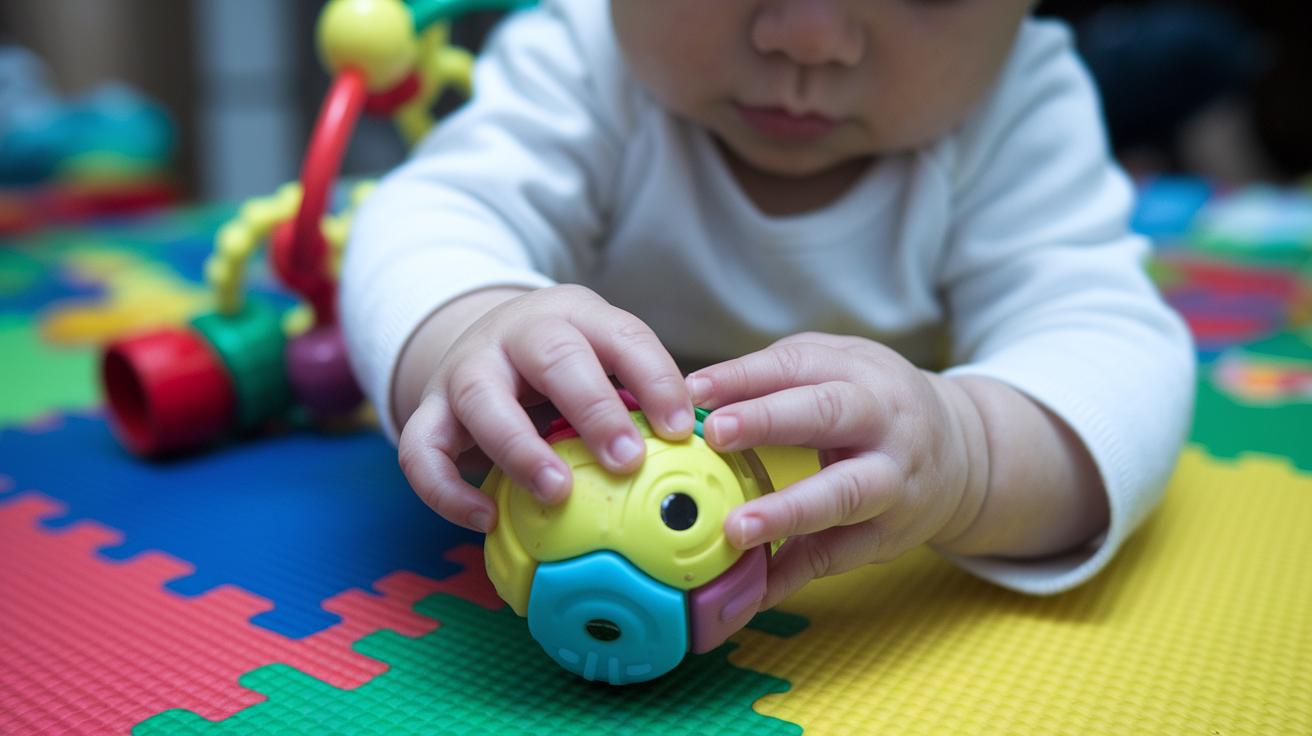
We already chatted about tummy time, rolling, sitting, crawling, and those early steps. Now, let’s talk about fine motor skills. By 4 months, your baby starts to get a firmer grip. Imagine your little one holding a soft rattle, exploring new textures with their tiny hands.
At about 6 months, you might notice them moving a toy from one hand to the other. It's like watching a fun, little game of self-play that shows their hand-eye coordination is really growing.
By 9 months, the way they move their fingers becomes more controlled. Then, around 12 months, your baby often uses a gentle pinch, known as the pincer grasp, to pick up small objects with care.
| Age | Fine Motor Focus |
|---|---|
| 2 months | Early reaching and slight hand movements |
| 4 months | Grasping objects and exploring textures (like a soft rattle) |
| 6 months | Moving objects from one hand to the other |
| 9 months | More controlled finger movements |
| 12 months | Using a pincer grasp to pick up small items |
Infant Cognitive Growth Indicators and Brain Development Markers
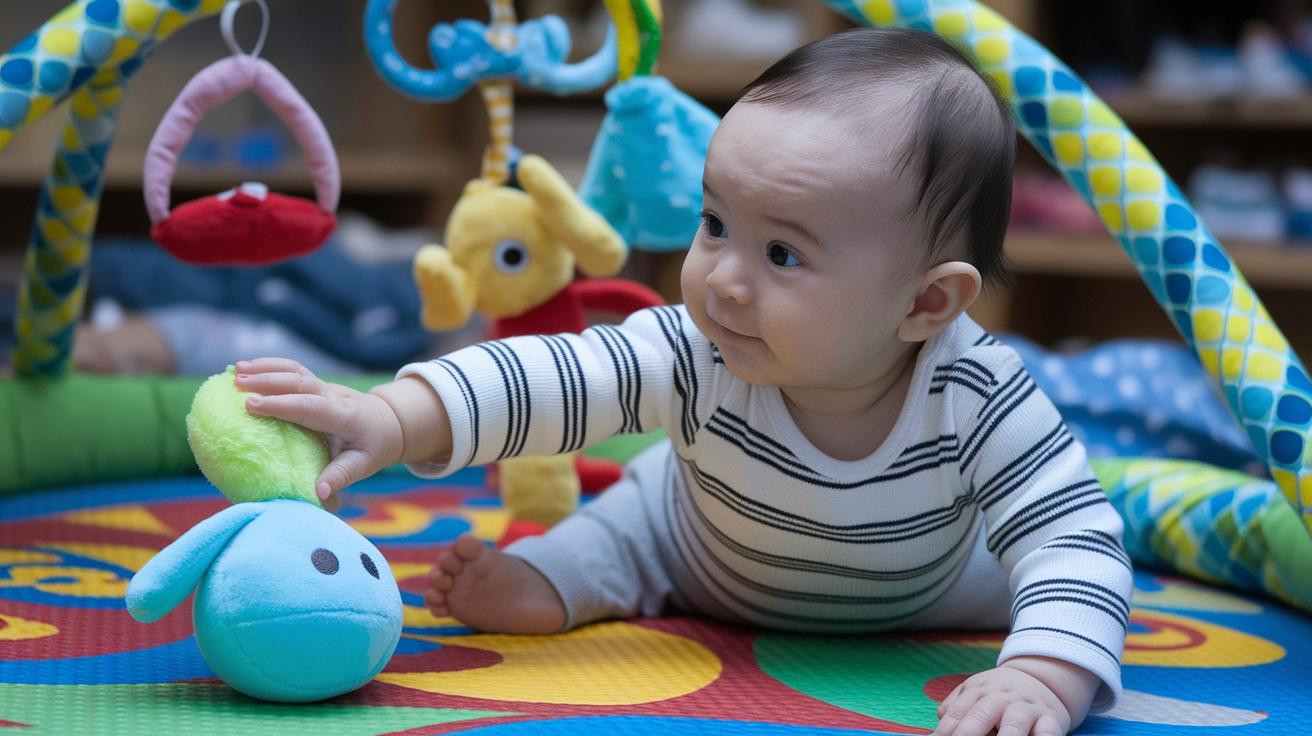
At around 2 months, babies start to follow moving objects with their eyes. This little act shows that their visual brain is forming new connections for exploring the world. Imagine your baby watching a gently swinging mobile, it’s a sweet sign of early brain growth.
Between 4 and 6 months, when your baby reaches for toys or touches objects, it means their motor skills and brain signals are linking up. Picture your little one softly tapping a plush toy, testing hand-eye coordination and building nerve pathways.
At about 7 months, when your baby smiles at familiar faces, it’s more than just adorable. It shows that the parts of the brain for recognizing people and forming memories are maturing. Think of that warm smile you share, it’s like a little window into their growing social awareness.
At 8 to 9 months, when your baby searches for a toy hidden under a blanket, they are showing object permanence. A fun game of peek-a-boo that not only entertains but also reveals how their memory and understanding of space are getting better.
Between 10 and 12 months, actions like dropping or shaking a toy to hear a sound reveal cause-and-effect learning. For example, your baby might let go of a rattle and watch it fall, listening as the sound confirms their action. It’s a clear sign that their brain is busy connecting ideas with experiences.
Monitoring Infant Language Acquisition Stages
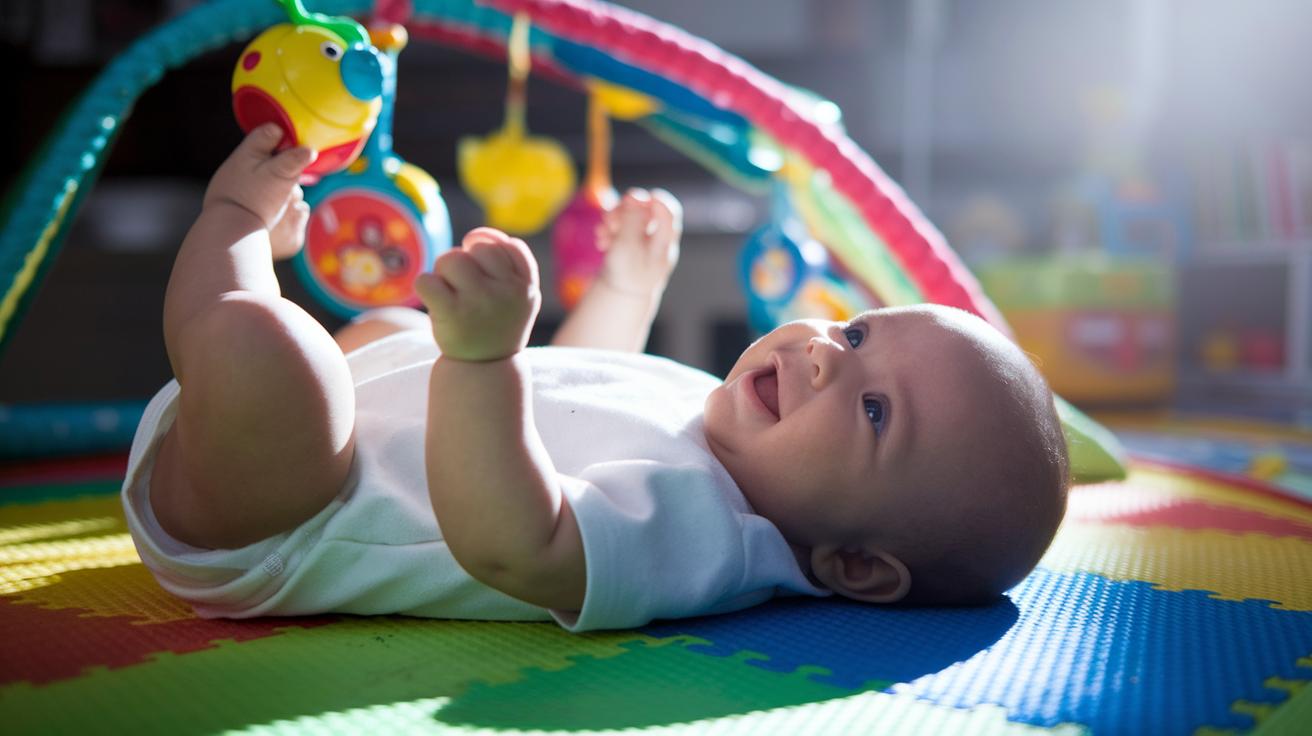
Between 1 and 3 months, your baby begins to make soft coos and vowel sounds. It’s like hearing the first gentle notes of a lullaby. Each little sound is a sign that your baby is starting to connect with you through language.
Around 6 to 9 months, you'll notice your baby experimenting with playful babbling. You might hear sounds like “ba-ba” or “da-da” as they strengthen their speech muscles. This fun phase of trying out sounds is an important part of building their language skills.
By about 12 months, many babies start using simple words like “mama” or “dada.” These early words mean so much, they show that your baby is ready to express themselves. You can help by naming things around you. For example, during playtime you might say, “Look at the blue ball!” This simple habit builds a strong foundation for vocabulary.
Every sound your baby makes is a step forward on their language journey, reminding you that little moments add up to big milestones.
Infant Social Interaction Progress and Emotional Regulation Phases
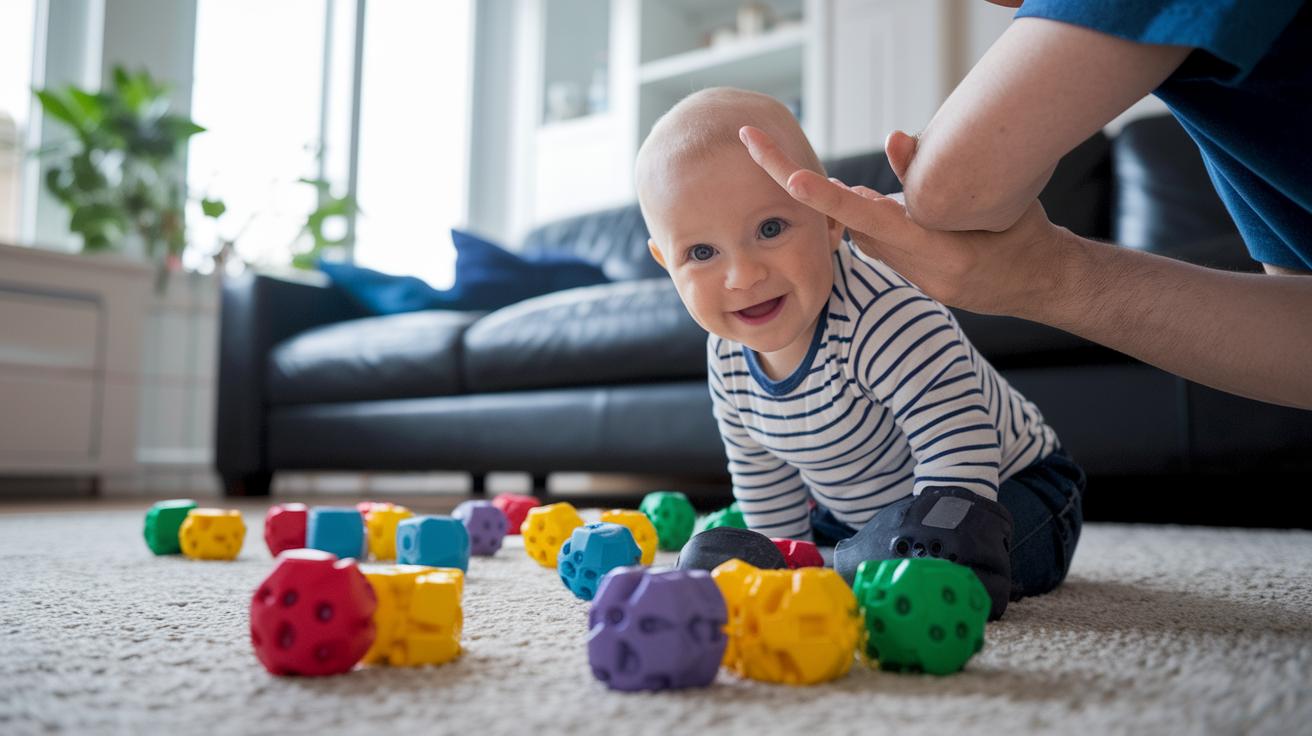
In those early months, your little one may start offering bright, social smiles as early as 6 to 8 weeks. It’s so sweet to see that gentle grin, and before you know it, around 4 months, you might even hear some giggles. These moments are precious and help your baby begin to understand and enjoy sharing time with you.
Playtime is a big help during this time. Between 6 and 9 months, simple games like peek-a-boo or taking turns with toys teach your baby to share smiles and connect with those who care for them. By the time your baby is 10 to 12 months old, playing hide-and-seek with objects shows that their social skills are growing even more, making play a fun way to learn.
Around 9 months, you might notice your baby feeling a bit uneasy with strangers, preferring the comfort of familiar faces. They often find comfort in little habits like thumb sucking or cuddling a soft blanket during these moments. And when you respond lovingly and consistently, you help them build a secure bond while gently teaching them how to manage their emotions.
Infant Growth Assessment Tools and Early Intervention Benefits
Most pediatricians track your baby's growth using WHO and CDC charts at several key ages like 2, 4, 6, 9, 12, 15, 18, 24, and 30 months. These routine visits give you a moment of reassurance as they check your little one’s progress against common developmental milestones. If any tiny delays in motor skills or speech show up before one year, experts can step in to help with some thoughtful advice.
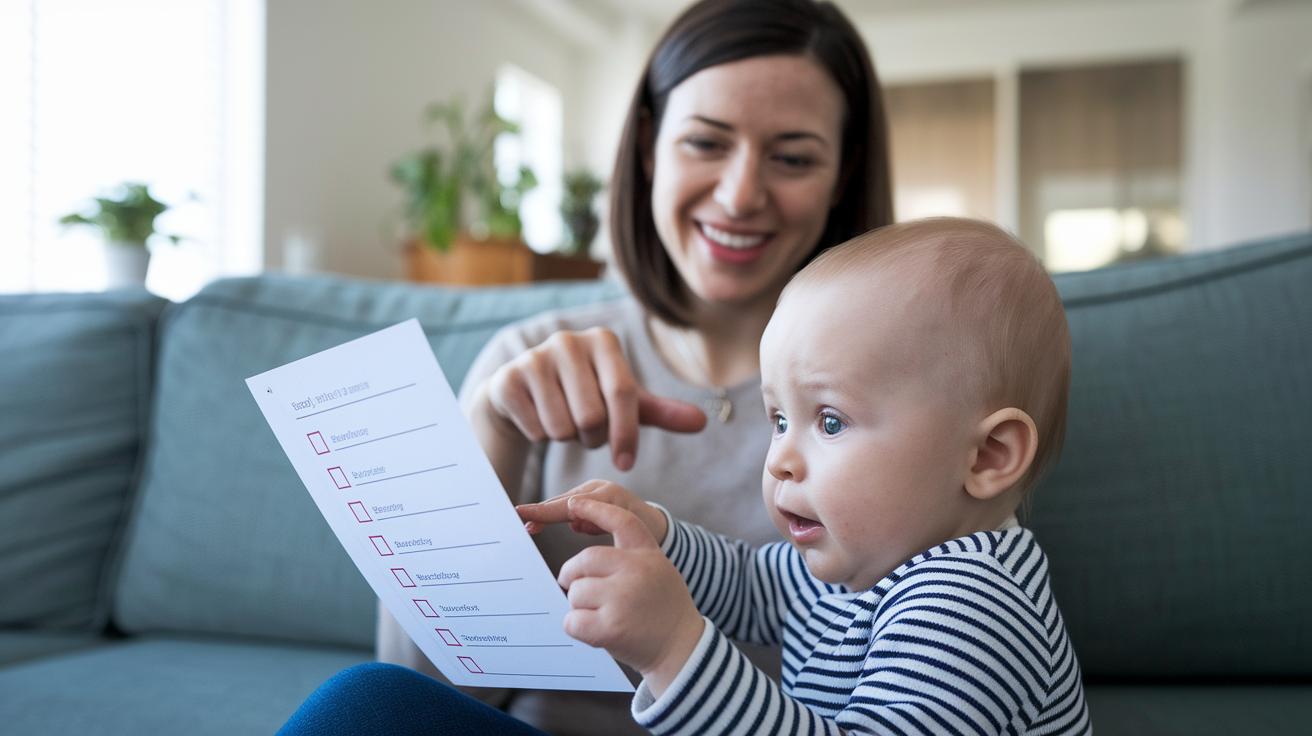
You might find it helpful to use simple tools like printable checklists to record every new milestone. Maybe you'll note the first time your baby grabs a toy or says a simple word. These checklists make it easier to see your baby’s progress and are great conversation starters during your pediatric visits. Plus, they work with standard developmental guidelines to celebrate each win and catch any delays early on.
Think of these checklists as a fun way to cheer on your baby’s little victories every month. And if you need a bit more guidance, you can always download our milestone checklist from the childhood development stages chart link. These friendly tips not only boost your confidence but also give you a practical way to ensure your baby continues on a healthy path.
Final Words
In the action, we’ve explored your baby’s way of growing up month by month, from head control at two months to first words around a year. We broke down physical, cognitive, language, and social skills so you can easily see what to expect next.
You now have tips on how to track progress and access support if needed. Keep celebrating each step, and let these infant milestone expectations guide you in cherishing every little win along the way.
FAQ
Q: What are the key baby milestones from birth to 12 months?
A: The key baby milestones cover physical, cognitive, language, and social skills. Infants gain head control at 2 months, roll by 4 months, sit by 6 months, crawl by 9 months, and may walk around 11–14 months.
Q: What are the infant milestone expectations at 5 or 6 months?
A: The infant milestone expectations at 5–6 months include improved head control, beginning to sit with support, early babbling, and increased interest in objects, as well as starting to respond to their name.
Q: What are the major milestones for infants?
A: The major milestones for infants include physical skills like rolling and crawling, cognitive benefits like tracking and exploring, language progress from cooing to babbling, and social milestones such as smiling and early responses.
Q: What are the red flags for developmental delay?
A: Red flags for developmental delay include not tracking objects visually, a lack of social smiling, not meeting physical goals like head control or rolling over by 6–7 months. Consult a pediatrician if you have concerns.
Q: What is a milestone checklist and how does it help?
A: A milestone checklist is a tool that tracks an infant’s progress in physical, cognitive, language, and social areas. It aids parents in comparing baby progress with typical age benchmarks and guides conversations with pediatricians.
Q: What are the five developmental milestones?
A: The five developmental milestones refer to progress in physical, cognitive, language, social, and self-help skills. Babies show growth through actions like sitting, babbling, smiling, and beginning to self-soothe as they develop.


