Have you ever wondered if your little one is reaching all those special milestones on time? It can feel like a puzzle when each small change brings a worry or a flurry of questions. Watching your baby grow is both a joyful and sometimes anxious experience as you notice every new giggle, wiggle, or sound. In this post, we break down common concerns in simple, easy-to-understand steps. Our goal is to help you feel confident and cared for while you watch your baby take those important first steps in life.
Identifying Common Infant Milestone Concerns

Watching your baby grow can feel like an exciting, ongoing journey. In the early weeks, babies show natural reflexes such as rooting and startling, which tell us they’re already tuned into their new world. Around 2 months, many little ones start gently lifting their head and chest, and you might see that sweet social smile, like the warmth you feel when greeting an old friend.
Then, as they move into the 4- to 6-month range, most babies begin to roll from front to back, taking their first steps toward exploring. By 7 to 9 months, sitting without support becomes more common, and reaching eagerly for toys reflects their growing curiosity. Soon after, somewhere between 10 and 12 months, you might notice your baby pulling up to stand, with first steps often emerging somewhere between 9 and 15 months.
Their emotional world grows too. The early social smile reappears around 2 months, while stranger anxiety may begin around 8 months. This shows that your baby is slowly understanding and reacting to the people around them. Regular checkups, typically at 1, 2, 4, 6, 9, and 12 months, are a comforting way for pediatricians to review these key moments. They can spot any potential delays and offer gentle advice if something seems off.
It’s really important to remember that while these milestones serve as helpful markers, every baby is unique. Taking a few moments to jot down little changes, like improved head control, rolling skills, or that delightful smile, can help you feel more connected and prepared during each visit to the doctor.
Physical Milestone Concerns and Motor Development

Babies grow and move in steady, predictable steps that are truly amazing to watch. At first, your little one learns to hold their head up, then they soon roll, sit, crawl, and eventually take their first steps. These big movements give you a clear picture of your baby’s progress and can be a gentle reminder to ask for advice if something seems a little off.
| Milestone | Typical Age | Delay Red Flag |
|---|---|---|
| Head control | 1–2 months | If not observed by 3 months |
| Rolling | 4–6 months | If not seen by 7 months |
| Sitting | 6–8 months | If not achieved by 9 months |
| Crawling | 8–10 months | If absent by 11 months |
| Walking | 12–15 months | If still not walking by 16 months |
Fine motor skills are just as important as the bigger moves. Your baby might show these signs as their little hands become more coordinated:
- They grab a rattle by around 4 months, showing early hand control.
- They begin switching toys from one hand to the other by 6 months.
- They use a pincer grasp (using the thumb and finger) between 9–12 months, which is a sign of precise control.
- They might start stacking two blocks by about 15 months.
- And by 18 months, you could see those first scribbles, a delightful start to creative movement.
If you ever notice that your baby’s movements seem a bit different, like having trouble with balance or moving in a way that feels uncoordinated, it’s a good idea to keep an eye on these changes. Sometimes, a few extra notes or a quiet chat with your pediatrician can help you understand if extra support might be needed.
Language and Communication Milestone Concerns
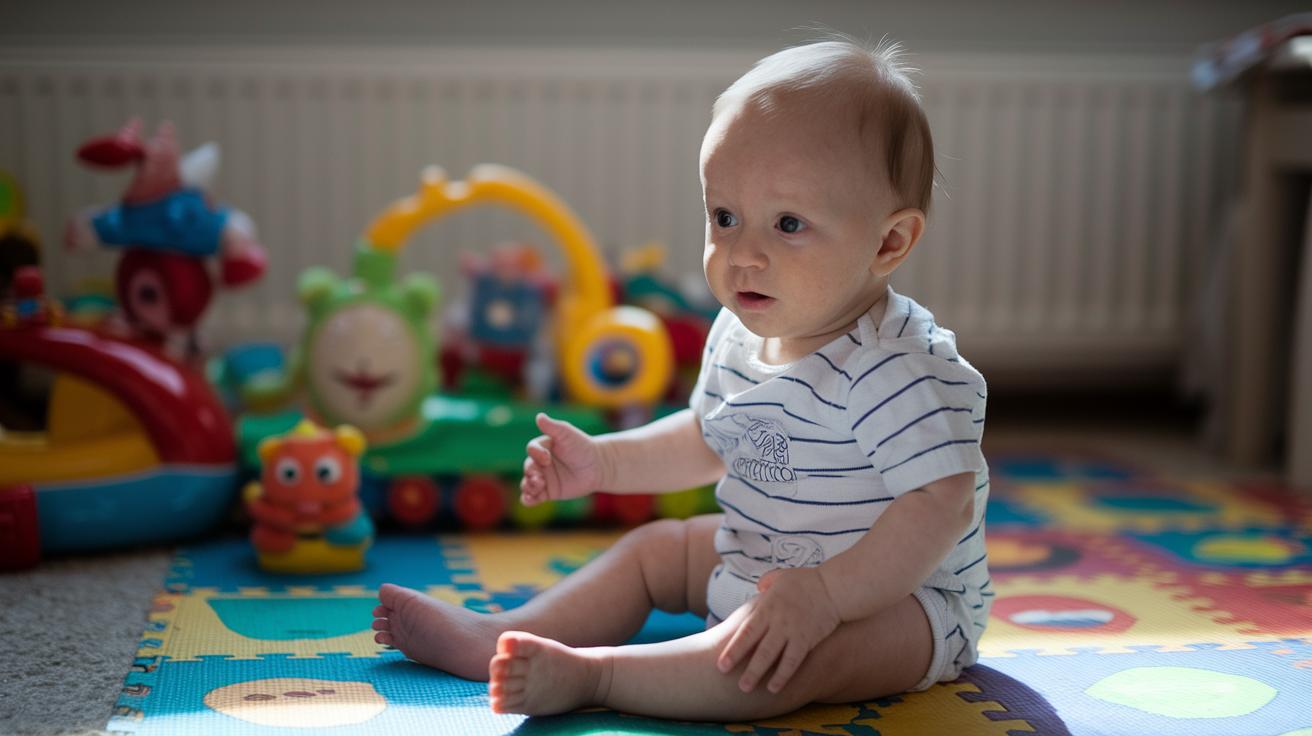
Babies begin their journey with language from an early age. Around 2 months, you might hear soft cooing sounds. Then, by about 6 months, those gentle sounds often grow into cheerful babbling. By 9 months, many babies show they recognize their name and voices. Around their first birthday, you might start to hear clear words, and between 15 to 18 months, many little ones use 5 to 20 words to share their thoughts. Picture a baby who only makes soft noises at 9 months without starting to babble, it might be a gentle reminder to discuss these moments with your doctor.
Watching these little steps is important because a delay could point to a challenge in communication. For instance, if a baby isn’t babbling by 9 months or hasn’t said a single word by 15 months, it might be good to mention it during your pediatric visit. Some children might even lose words they had started using. For more details on these stages, check out the language development milestones.
Keeping a small journal of your baby’s sounds and new words can give you peace of mind, knowing that each tiny milestone is a natural part of their learning adventure.
Social, Emotional, and Cognitive Milestone Concerns

When you see your baby's first smiles and gentle play with toys, it tells a sweet story of a world unfolding. By about 2 months, many babies beam with a special social smile, a little sign that they're starting to connect with you and those around them. And come 4 months, you might notice your baby copying your facial expressions, almost like they're saying, "I'm learning from you."
By 8 months, some babies show a bit of shyness around strangers. They may cling to you a little tighter when meeting new people, which is completely normal. Around the same time, their play evolves too. At about 6 months, your little one might enjoy shaking or banging objects, and by 12 months, they often delight in mimicking simple patterns or even have fun tossing things around.
It’s a good idea to watch for any signs that your baby might need a little extra attention. For instance, if your baby avoids eye contact, rarely copies facial expressions, doesn’t show that joyful social smile by 2 months, or doesn’t seem to explore by around 9 months, take note. Mentioning these observations at your next pediatrician visit can help ensure everything is on track and give you peace of mind.
Nutrition, Growth, and Sleep Pattern Concerns

Watching your baby grow is a sweet reminder that their little body and daily routines show how well they’re doing. By about 4 or 5 months, many babies double their birth weight and then triple it by their first birthday. That steady growth means they’re getting the right kind of food. Most moms stick to breastmilk or formula until they’re around 6 months old, when soft foods start to join the routine.
Sleep is another important sign. In the first few months, your baby might take several short naps during the day. But by 6 months, you may notice 2 or 3 longer naps along with nighttime sleep that can last 6-8 hours. Imagine a little one snuggled up and peacefully sleeping through most of the night, it’s a comforting picture that shows just how important sleep is for growth.
Keep an eye out for warning signs, too. If your baby isn’t gaining weight as expected or consistently refuses to feed, it might be time to check in with your doctor. Also, if sleep problems or constant fussiness continue well past 12 months, it’s a good idea to get a closer look at what’s happening.
Remember, every baby is unique. It might help to keep a simple diary that notes feeding times, weight changes, and sleep patterns. This little record can be really handy during check-ups and conversations with your pediatrician. For more ideas on healthy feeding practices, see infant nutrition.
Tracking Common Infant Milestone Concerns: Tools and Checklists

Parents have lots of ways to keep track of their baby's growth. Often, doctors use set checklists during visits at 2, 4, 6, 9, 12, 18, and 24 months to check on important skills. You can also find handy checklists and tools in everyday resources. Using digital apps or printable logs can help you manage a busy day and gently remind you of key developmental moments.
- CDC Milestone Tracker app
- ASQ-3 questionnaire
- Doctor-provided forms
- Mobile developmental apps
- Journal-style progress logs
It’s really simple to add these tools to your daily routine. Maybe you jot down some notes after playtime or during a quiet moment together. Choosing one or two methods that fit your family’s way of life not only helps you capture each milestone as it happens but also gives you a special keepsake to share with your doctor. This approach makes it easier to see and celebrate every little win along the way.
Recognizing When to Consult a Pediatrician for Milestone Concerns

• If your baby isn't showing that warm, social smile by three months, it might be time to mention it to your doctor.
• By four months, if your little one has trouble keeping their head steady, consider bringing it up at your next checkup.
• At six months, if you haven’t seen any rolling over yet, keep an eye on it and talk with your pediatrician.
• By nine months, if there's no babbling or those early vowel sounds, it’s a good idea to discuss your concerns.
• If by fifteen months your baby isn’t using any single words, include that observation in your notes for the doctor.
• And if your little one isn’t walking by eighteen months, be sure to mention this during your visit.
Before you head to your appointment, jot down the dates and the specific things you’ve noticed. This simple checklist can help you remember key details and ask clear questions when you chat with your doctor.
Early Intervention and Parental Support for Milestone Concerns

Early intervention can be a gentle boost for your little one. Services like speech, physical, and occupational therapy often help improve movement, talking, and thinking skills when started before a child turns three. These programs are designed to meet each child’s special needs. In many family-focused setups, simple play activities, like stacking blocks or imitating animal sounds, turn into natural ways to build important skills. For example, you might encourage your child to grab and shake a soft toy, a small but meaningful step toward better coordination.
Parents can weave these fun exercises into everyday routines. Sometimes, just a few minutes of focused play during the day can make a big difference. Local support groups or family resource centers also offer a cozy space to share tips, swap stories, and feel understood. Knowing that every child grows at their own pace can be reassuring, and early help like this can nurture progress in a caring, supportive way.
Final Words
In the action, we've shown how tracking physical, language, social, and nutritional development can ease common infant milestone concerns. We reviewed signs like lifting a head, sitting up, joyful smiles, and even sleep patterns, all key markers to watch. We also touched on using helpful checklists and knowing when to reach out to a pediatrician. Every baby grows at their own pace, and a little extra attention today can offer reassurance tomorrow. Keep cherishing these moments with confidence and care.
FAQ
What are baby milestones month by month?
Baby milestones month by month show how your little one grows from early reflexes to head control, rolling, sitting, crawling, and early speech. They help you watch progress and celebrate each achievement.
How does a baby milestone chart for 0–12 and 12–18 months help?
A milestone chart offers a clear timeline of physical, language, and social gains. It helps you visually track your baby’s progress and identify when a milestone might be delayed.
When should caregivers worry about baby milestones?
You should worry if your baby misses expected signs like social smiling by 3 months, babbling by 9 months, or walking by 18 months. Early delays may mean it’s time to talk with your pediatrician.
What developmental concerns should parents monitor in infants?
Parents should watch for delays in motor skills, speech, and social interactions. For instance, no babbling by 9 months or no single words by 15 months can be signals to seek professional advice.
What is considered a red flag in child development?
A red flag is when a baby doesn’t reach common milestones—like rolling over, sitting up, or babbling—at the usual ages. Missing these key markers might warrant a discussion with your doctor.
What resources help track common infant milestone concerns?
Tools such as the CDC Milestone Tracker, standardized questionnaires, mobile apps, and printable checklists provide handy ways to monitor your baby’s development and support conversations with your pediatrician.
What is the primary focus during infant developmental assessments?
Infant developmental assessments focus on key areas, including physical progress, early speech, and social interactions. These checks help guide care and ensure your baby’s growth is on track.