
Have you ever noticed how one tiny mineral might make a big difference for you and your baby? Selenium is like a little helper working inside your body. It gives your thyroid a boost, keeps your immune system strong, and helps new cells grow. It may even lower some common pregnancy risks, helping to build a strong base for both you and your little one.
In this post, we’re having a friendly chat about how selenium plays a key part in a caring, healthy nutrition plan. Let’s explore together how this special mineral can bring gentle support and well-being during and after pregnancy.
Role of selenium in maternal nutrition: Radiant Health
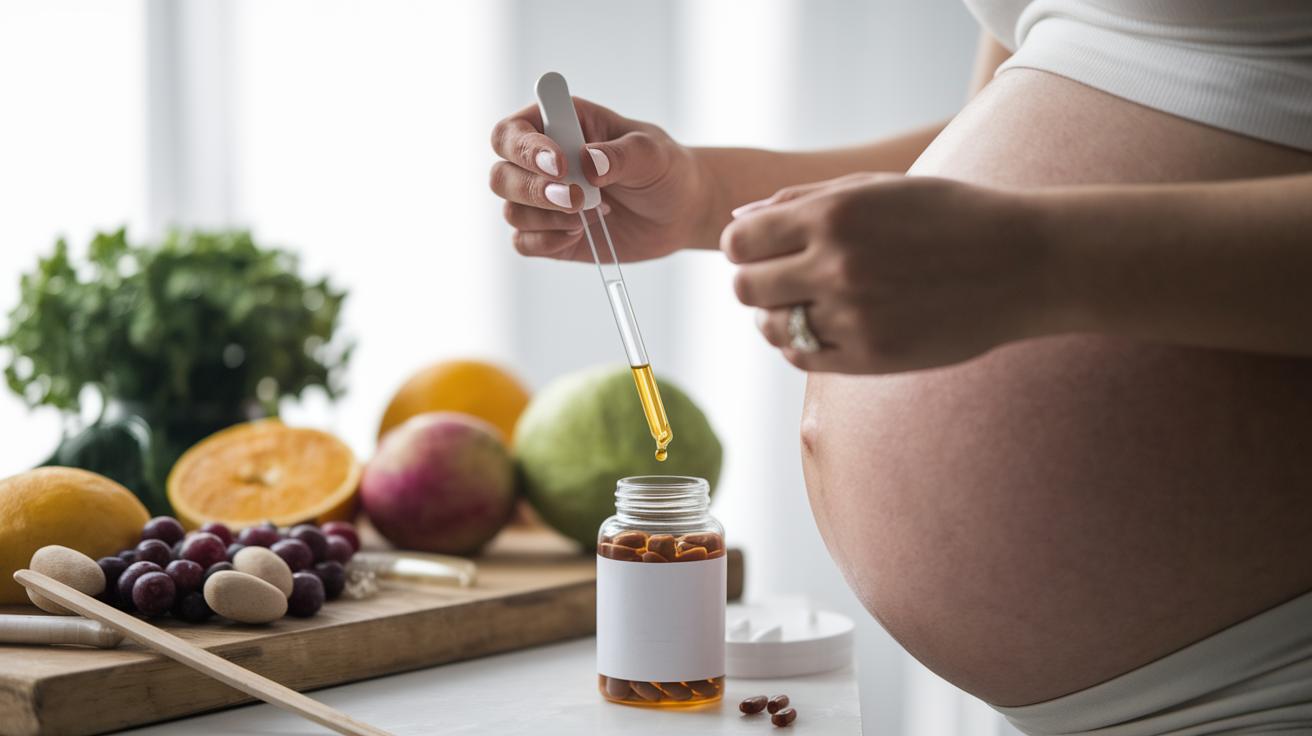
Selenium is a small but mighty mineral that works like a natural helper in your body. It supports making new cells (DNA), helps the thyroid (the gland that speeds up during pregnancy) do its job, and keeps the immune system strong for both you and your little one. This mineral plays an important role in growing a healthy baby and reducing risks like miscarriage, pre-eclampsia, gestational diabetes, and early births. Think of it this way: imagine your body as a busy workshop where every tool runs smoothly because selenium is that special bit of oil keeping everything in perfect motion.
During pregnancy, your thyroid works extra hard, and selenium helps by supporting hormone balance and protecting cells against harmful damage. It also acts like a shield, making sure your immune system stays strong. Experts suggest a daily dose of 60 mcg for expectant moms and 70 mcg if you're breastfeeding, with 400 mcg per day being the safe upper limit. By getting the right amount of selenium regularly, you give your body and your baby a solid foundation for good health now and in the future.
Recommended Selenium Intake and Safety Guidelines During Pregnancy

Getting enough selenium each day helps keep your thyroid happy, your immune system strong, and supports overall wellness during both pregnancy and breastfeeding. When you’re expecting, try for about 60 mcg a day, and if you’re breastfeeding, aim for around 70 mcg. Keep in mind that too much selenium, over 400 mcg daily, can be risky.
Standard prenatal vitamins usually provide around 55 mcg, but studies show that about one in three expecting moms who take them might still have low selenium levels. For more ideas on picking the right prenatal vitamins, check out this resource: "prenatal care vitamins" (https://womensconference.org?p=10823).
| Group | Daily Selenium Intake (mcg) |
|---|---|
| Pregnancy | 60 |
| Lactation | 70 |
| Typical Prenatal Vitamins | 55 |
| Upper Limit | 400 |
Taking too much selenium can lead to selenosis, which might show up as an upset stomach, changes in your hair or nails, or even nerve problems. In serious cases, very high selenium levels can affect how your kidneys or heart work. Always chat with your healthcare provider if you have any worries about your selenium intake.
Dietary Sources of Selenium for Expectant Mothers

Sometimes the amount of selenium found in food can shift because of differences in the soil where it grows. Eating whole, natural foods helps you build a meal plan that delivers steady selenium levels. Choosing a mix of nutritious options gives both you and your baby the nurturing benefits you need during this special time.
- Brazil nuts – around 500 mcg per ounce
- Fish (like tuna or salmon) – about 60 mcg per serving
- Shellfish (for example, shrimp) – close to 40 mcg per serving
- Beef – roughly 30 mcg per serving
- Poultry – around 20 mcg per serving
- Whole grains – approximately 15 mcg per serving
- Eggs – about 15 mcg per egg
Adding these selenium-rich foods to your daily routine can be both simple and delightful. You might grab a few Brazil nuts for a quick snack, savor a fish dinner, or mix eggs and whole grains into your lunch. This friendly variety helps keep your selenium levels balanced naturally. For more ideas on balanced diets during pregnancy, take a look at the maternal diet and wellness guidelines (https://womensconference.org?p=11209).
Organic vs Inorganic Selenium in Maternal Nutrition

Selenium in our diet comes in two types. There’s organic selenium, like selenomethionine, which is found in many whole foods and supplements, and inorganic selenium, such as sodium selenite, often added to fortified products. Knowing which is which can help you make smart choices for your nutrition during pregnancy.
Organic selenium is great because our bodies absorb it more easily. It works like a natural shield, protecting your cells from damage and supporting the healthy building of tissues. Since it's gentle on your system, there's less worry about harmful side effects, which is why many moms prefer it for pregnancy supplements.
In contrast, inorganic selenium doesn’t get absorbed as well and can build up in less predictable ways. When too much of it piles up, it might lead to extra stress on your cells. That’s why it’s so important to choose supplements that keep safety and your well-being in mind.
Selenium Supplementation Strategies and Nutrient Interactions in Pregnancy

When choosing your prenatal supplement, you might notice many standard vitamins include about 55 mcg of selenium. Your healthcare provider may adjust this amount based on your everyday diet, lifestyle, and even the local soil conditions. If your regular meals don’t pack in enough selenium-rich foods, a little extra from your supplement can make a big difference. I remember a friend mentioning how her energy improved after her doctor personalized her supplement based on what she ate.
Selenium works best when it teams up with other nutrients. For example, dietary fats help your body soak up this mineral better. It also works alongside vitamin E to boost your antioxidants and pairs with iodine to help your thyroid function well, especially since your thyroid has extra duties during pregnancy. Think of your body like a warm kitchen where these ingredients blend together to create a nourishing meal.
Staying connected with your healthcare provider is important for keeping your selenium level just right. They might make changes based on regular blood tests or by reviewing your diet notes. This caring teamwork helps balance your nutrient intake throughout your pregnancy, supporting both your health and that of your growing baby.
Selenium’s Role in Postpartum Recovery and Maternal Wellness

After birth, your body needs a little extra help to bounce back, and selenium is here to lend a hand. This mineral works like a gentle repair kit, boosting your antioxidants and supporting your immune system when your body is busy healing. It even helps balance your thyroid (a small helper for your energy and mood), making you feel less tired and more steady. Imagine your recovery as a well-tuned engine, with selenium making sure every part works together.
Keeping a steady supply of selenium is key for long-term health, too. It supports hormonal balance and helps your overall metabolism run smoothly. With regular selenium, you might lower the risk of heart issues and some cancers by keeping your body’s systems in harmony. Think of it as a daily dose of care that soothes your body and strengthens you as you recover.
Monitoring Selenium Status and Addressing Deficiency Risks in Pregnancy

Doctors often check a mom's selenium level using a simple blood test during her check-up. They also ask about her eating habits so they can see if she’s getting enough selenium from her food. Sometimes, these tests show that selenium is a bit low, which leads to a friendly chat about adding selenium-rich foods or supplements.
When selenium levels are low, it might add a few extra worries during pregnancy. Low levels could be linked to issues like miscarriage, high blood pressure (pre-eclampsia), high blood sugar during pregnancy, or even early birth. In some cases, it can also mean the baby might be smaller than expected. Spotting these risks early helps moms and their doctors work together to keep both mom and baby safe.
To help bring selenium levels back to a healthy range, moms might enjoy adding more selenium-rich foods like nuts, seafood, and whole grains into their meals. If needed, a doctor may suggest a supplement too. Regular check-ups and follow-up blood tests make sure these changes are working well, supporting a healthy journey for both mom and baby.
Final Words
In the action, we explored how selenium supports both maternal and fetal health. We covered its antioxidant roles, the effective dietary sources available, and safe dosage rules to meet nutritional needs during pregnancy and postpartum recovery. We also touched on how different forms of selenium work in the body and why regular monitoring matters. By understanding the role of selenium in maternal nutrition, you can make small changes that support whole-family well-being and boost confidence in daily care. Stay positive and keep nurturing your health every day!
FAQ
Too much selenium during pregnancy, 200 mcg selenium pregnancy, and how much selenium should be consumed during pregnancy?
The question about selenium intake during pregnancy means that 60 mcg daily is recommended. Levels like 200 mcg should only be used with healthcare advice to avoid potential toxicity signs like digestive upset.
What are the benefits of selenium during pregnancy, and why is it important for women’s health?
The inquiry into selenium’s benefits indicates that it supports DNA production, thyroid function, and immune health for both mother and baby. Adequate selenium may help lower the risk of complications during pregnancy.
What does selenium in prenatal vitamins contribute?
The question on selenium in prenatal vitamins shows that these supplements generally supply about 55 mcg per serving, aiding in antioxidant support and thyroid health. It’s wise to review the label for exact amounts.
Can you take selenium while breastfeeding?
The question about taking selenium during breastfeeding clarifies that a daily intake of roughly 70 mcg is safe. This level helps support the health of both the mother and the nursing baby when taken as directed.
What should one know about selenium supplements?
The inquiry about selenium supplements implies that they are designed to fill nutritional gaps. However, it’s important to use them under a provider’s guidance to avoid consuming too much, which can lead to side effects.
Is selenium sulfide shampoo safe during pregnancy?
The question regarding selenium sulfide shampoo suggests that when used as directed, it is generally safe during pregnancy. Checking with your healthcare provider can provide additional personalized assurance.
What is the role of selenium in female fertility?
The inquiry into selenium’s role in female fertility shows that it helps support reproductive processes and hormone balance. Adequate selenium may contribute to overall reproductive wellness.
What does selenium do in nutrition?
The question about selenium’s role in nutrition reveals that it functions as an antioxidant and aids thyroid activity. This trace mineral helps promote overall cellular health and supports immune function in a balanced diet.