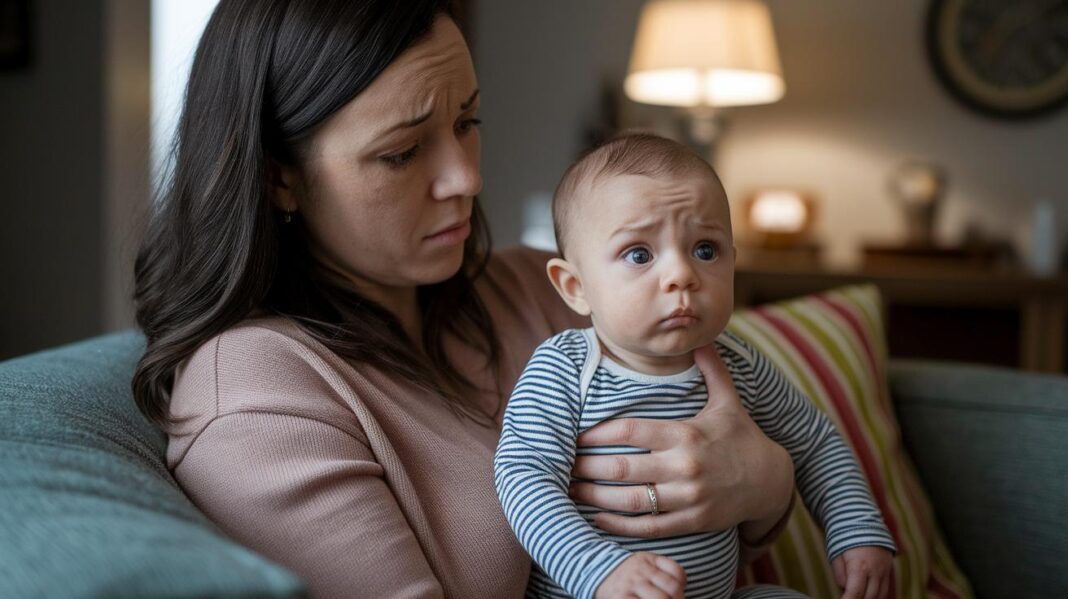
Have you ever wondered if your little one's slow steps are just a normal part of growing or if you should check in with your doctor? Sometimes, even small delays can give us clues about what’s happening.
In this chat, we’ll talk about when these changes might mean it’s time to get some extra advice. I’m here to share some simple tips on keeping an eye on your baby’s progress and understanding the signals that might need a closer look.
Let’s break it down together and see what those important moments might really be telling us.
Recognizing Red Flags: When to Worry About Infant Milestones
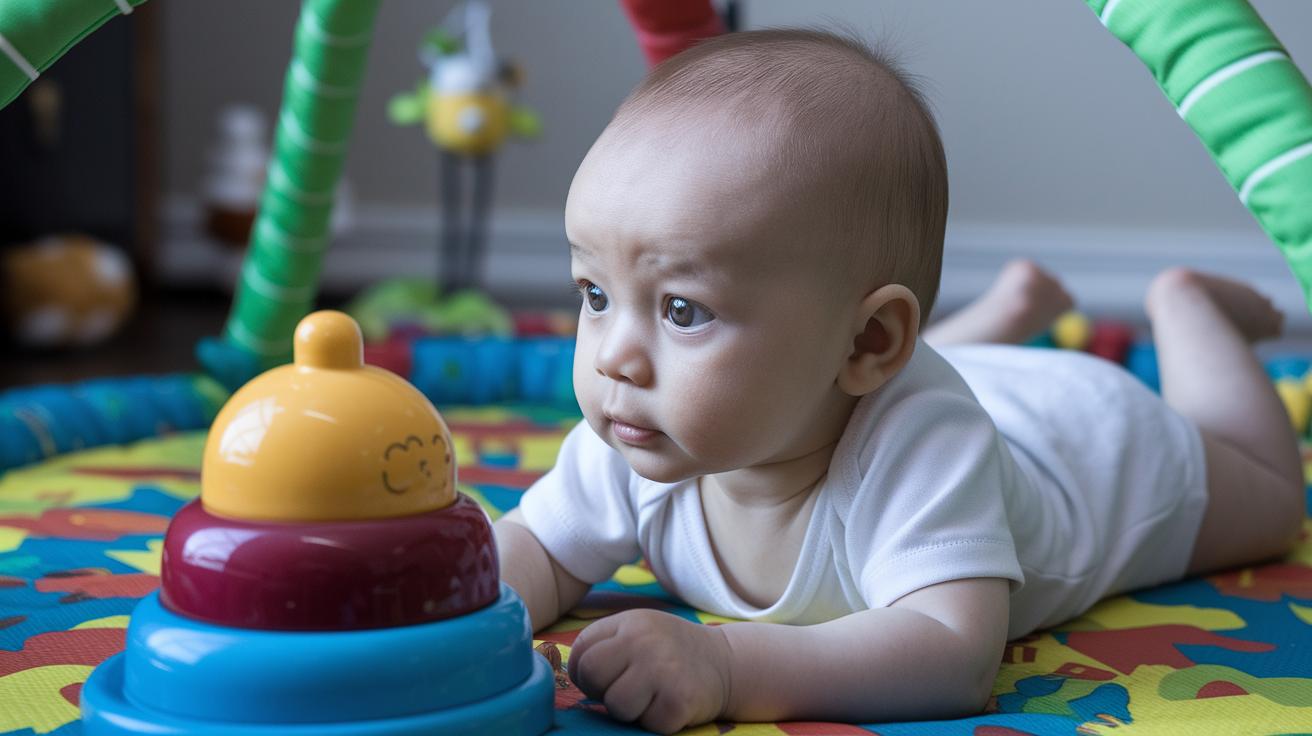
Sometimes, we tend to focus on the big moments, like rolling, sitting, crawling, or walking, while missing the quieter, early signs in our little ones. It can help to look back at how your baby was doing before instead of comparing them to other kids. A slow start in a new skill is often normal, but if you see that your baby is losing a skill they already had, like babbling or sitting up, that might be a sign to take notice. For example, if your baby used to smile and coo but suddenly becomes quiet and disengaged, that's a red flag worth paying attention to.
If you notice that one area of your baby’s development isn’t moving forward for 6-8 weeks, it might be a hint that something isn’t quite right. For small delays, a “wait and see” approach can sometimes work, but if your baby starts to regress or show clear signs of delay, it’s important to have a chat with your doctor. Babies often take their own time with different milestones, but if that slow progress goes on without any new improvements, it might be time for a closer look.
If delays start to show up in more than one area, say, in motor skills, language, or social responses, it could mean there’s a bigger picture to consider. In these cases, reaching out to a pediatrician for advice is a good idea. Trust your instincts as a parent. If anything feels off or you see a skill that was once there beginning to fade, don’t hesitate to contact your child’s doctor right away.
Typical Age-Specific Progress Markers for Infant Milestones
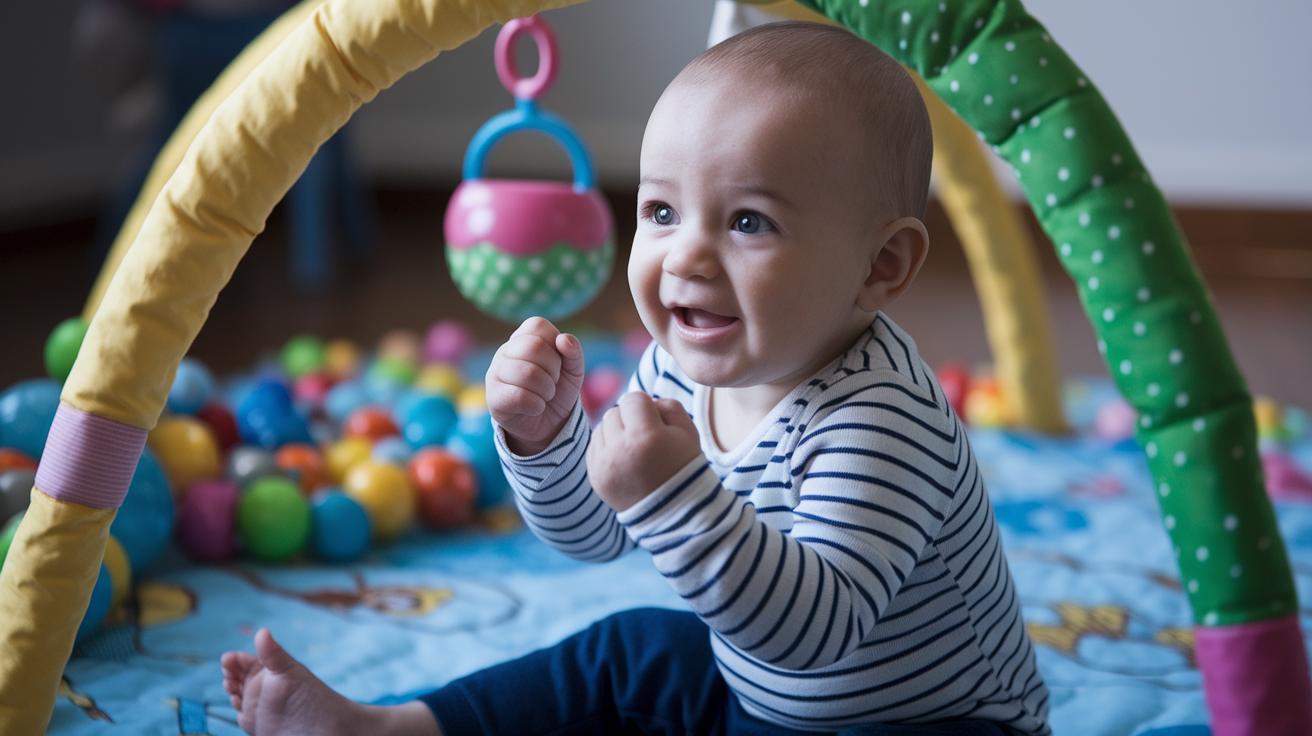
Infant milestones show you the little steps your baby takes as they grow. They help you see how your child is doing during that exciting first year of life. Watching these physical and social signs can help you notice small changes and catch any worries early on. Every child grows at their own pace, but comparing today’s progress to earlier moments can give you useful insights. For instance, seeing your baby clench their hand or give a first smile can feel very special and tell you they’re on the right track.
These early signals let you know if your child is moving along the usual stages of growth. And if something seems off, it might be time for a chat with your doctor. It’s such a joy to see moments like a bright smile or the excitement of a first crawl, these signs bring comfort and promise. Keeping an eye on these markers not only helps you understand your baby’s development but also gives you peace of mind.
Below is a handy table that lays out the major milestones during the first year. You can compare your baby’s progress to these simple guidelines, and if something feels delayed for a few weeks, it may be worth discussing with your doctor. This little guide is meant to be reassuring and supportive as you watch your baby grow.
| Age Range | Expected Milestone |
|---|---|
| 1 month | Clenches hand into a fist |
| 2 months | First social smile |
| 3 months | Repetitive hand movements |
| 4–5 months | Rolls front to back |
| 6–7 months | Responsive, cheerful behavior |
| 8–9 months | Begins crawling |
| 10–12 months | Squats from standing |
Recognizing Red Flags in Motor Skill Development

When you watch your little one start to push up on their arms or shift their weight, you’re really getting a peek into how they're growing. One mom shared, "My baby, who had just started holding his head steady, soon began reaching for toys on the sofa." These early moves are little building blocks for big milestones like rolling, sitting, crawling, or walking.
It’s also important to notice if a skill they once had starts to fade. Have you ever seen your baby, who used to keep their head steady, become a bit wobbly? Or maybe they suddenly find it hard to sit up on their own? Even a small change in how they move, like struggling with a movement they did before, might be a sign to chat with a doctor.
By keeping all these clues in mind, you can get a clearer picture of how your child is developing. Recognizing both new skills and any hints of losing old ones gives you a simple guide to knowing when it might be time to reach out to a healthcare professional.
Speech Development Checkpoints and Language Delay Signals
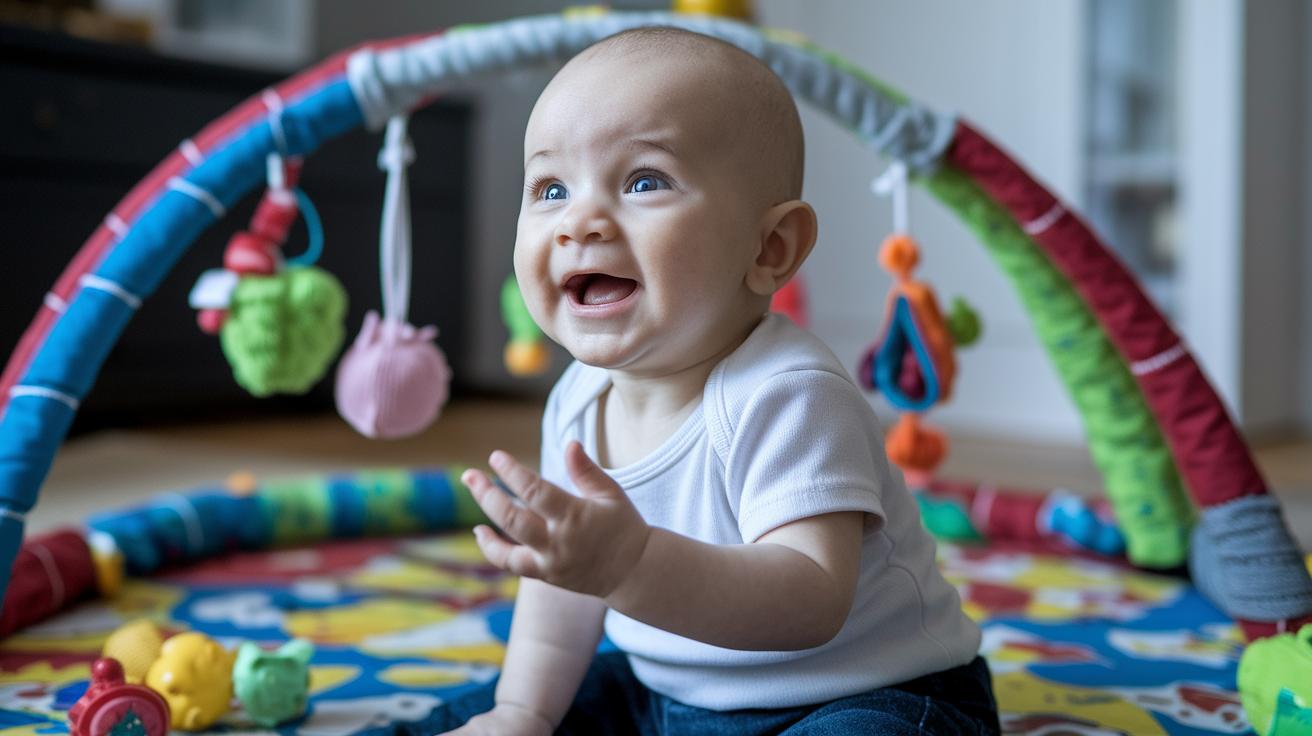
Watch out for your baby’s early ways of communicating. Most little ones begin making soft sounds like cooing or babbling around 4–6 months. It’s so heartwarming to hear these gentle noises, kind of like a quiet lullaby. But if your baby hasn’t made any sounds by 6 months, you might want to talk with your doctor about it. Think of it like waiting for the first note of your favorite song, if it’s missing, something might need a closer look.
By 9–10 months, many babies start using gestures such as pointing or waving. These actions help them connect with the world and build their language skills. If you notice your little one doesn’t seem to use gestures or respond to simple cues, it’s a good idea to keep an eye on it. It’s a bit like having a pause in a lively conversation when you expect a friendly reply.
Around 12 months, many babies say their very first word. If you see your child losing the babbling they once loved or not starting to form words as expected, that might be a red flag. In these cases, a quick checkup about their language milestones can help you figure out the next steps.
Social Interaction Timeline and Behavioral Development Signals

At around 2 months, your baby might show their very first social smile. It’s a tiny, gentle flash of joy that can light up your day. By 3 or 4 months, you may notice them tracking faces and voices, a sweet sign that they're becoming curious about the world, kind of like catching the warm glow of a late afternoon sun.
Between 6 and 9 months, you might see even more clear signs of social awareness. They may turn when you call their name or even show a little fuss when you step away. It’s really like starting a quiet conversation that slowly grows into something more meaningful every day.
If you see that your little one rarely makes eye contact or doesn’t join in on playful moments, it might be a good idea to discuss this with a healthcare professional. These cues can help ensure your baby is getting the social experiences they need for healthy growth.
Next Steps: Professional Screening Guidelines and Consultation Timing
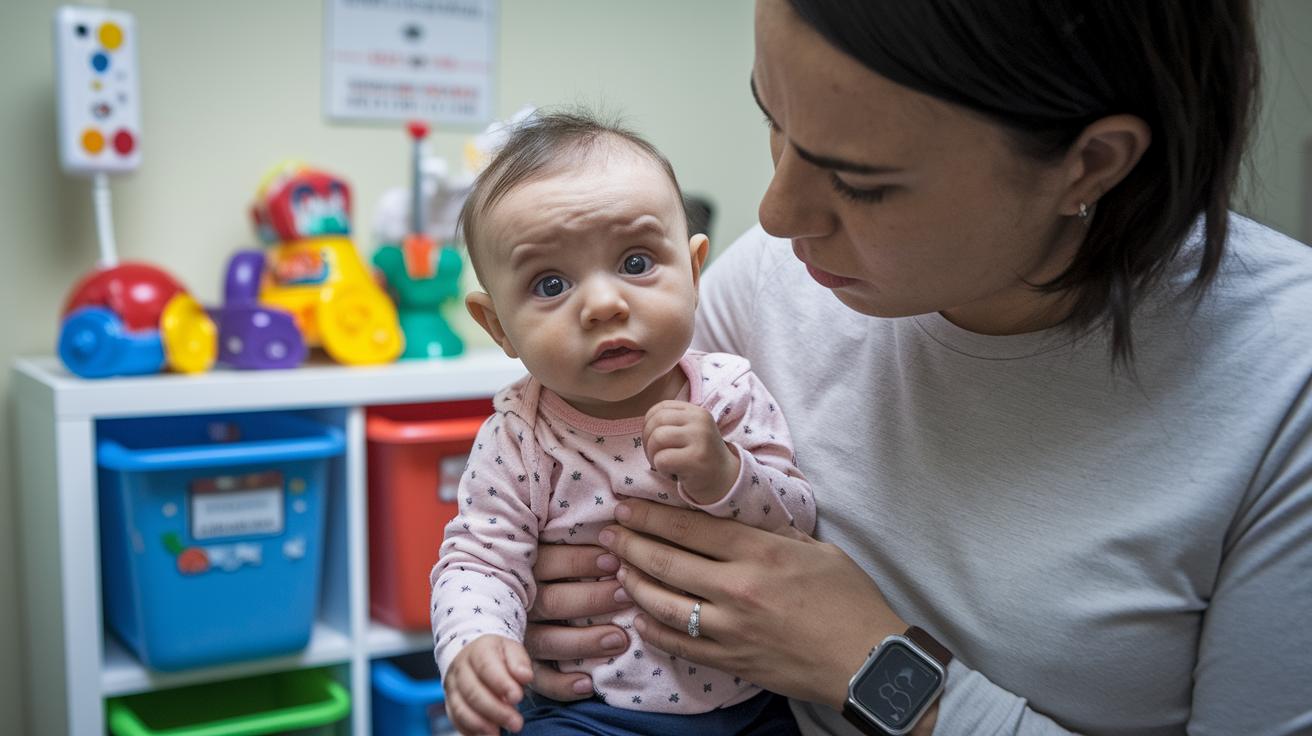
If you notice your baby isn’t making progress in an area for about 6 to 8 weeks, or if you see delays in a few areas, it might be time to have a chat with your pediatrician. Usually, these check-ups happen during well-child visits at around 9, 18, and 30 months. At these appointments, the doctor might use simple tools like the Ages and Stages Questionnaire or the M-CHAT to see how your little one is doing. If things don’t seem to be moving along as expected, getting an early assessment can help spot any issues right away. Remember, these visits are a safe space for you to share what you’ve noticed and get caring advice.
Catching small delays early on can really make a difference in your child’s progress. When you see a skill starting to fade or notice a minor delay, getting an early referral for help might be very useful. Trust your gut, and keep a friendly, open conversation with your doctor about your baby’s growth. Early evaluations can set the stage for the best possible future development for your child.
Final Words
In the action, we covered red flags in physical, language, and social skills. We looked at clear age markers and talked about watching for setbacks. It was all about knowing when to worry about infant milestones and when little delays may be part of normal growth.
Keep a close eye on your baby's progress and trust your observations. Small moments of careful check-ins go a long way in supporting your little one’s wonderful development. Stay positive and remember, you’re doing great!
FAQ
When should I worry about infant milestones at different ages?
When tracking infant milestones, expect a 2‑month social smile, 4‑month rolling, and 9‑month crawling. If your baby shows no progress for 6–8 weeks or loses a once-earned skill, talk with your doctor.
What are some developmental red flags in infancy?
Recognizing red flags means noticing any regression like losing babbling or sitting up. A lack of progress in any developmental area over several weeks is something parents should discuss with their pediatrician.
When can you tell if your baby has developmental issues?
You can tell there might be developmental issues if your baby shows delays across several areas or loses skills they once had. This pattern signals that a closer look from a pediatrician is needed.