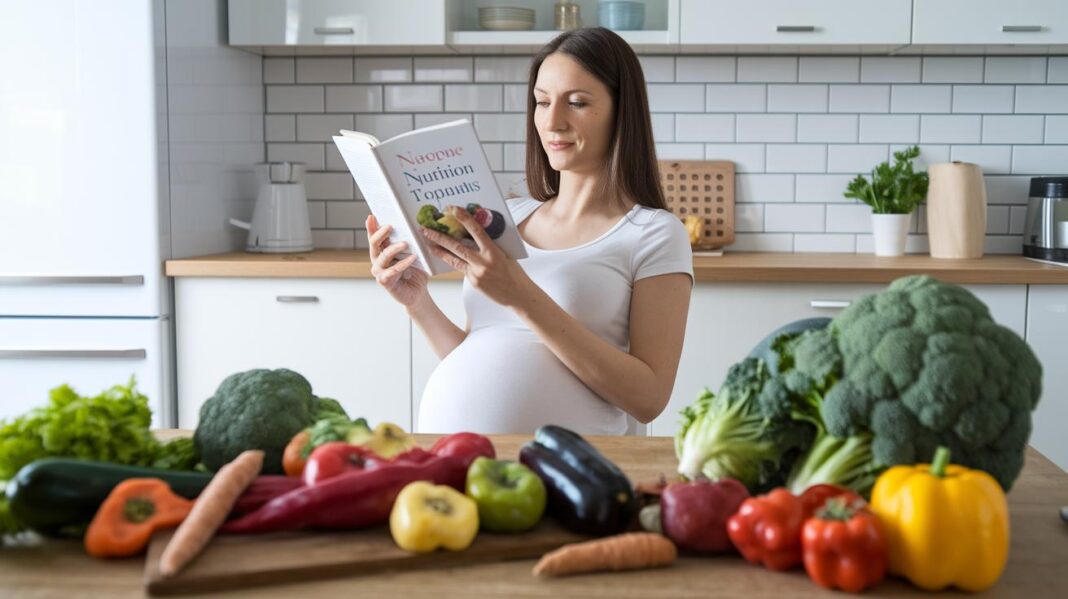
Have you ever wondered if a small mineral could really make a big difference? Zinc might be that hidden gem in your pregnancy diet.
This little mineral helps build new cells and supports your baby's early growth, almost like putting together a simple puzzle. And it even gives your immune system a boost, so you can feel a bit stronger during all the changes happening in your body.
Today, we'll chat about how adding extra zinc to your meals may help both you and your baby thrive.
Benefits of zinc in maternal nutrition: Health Boost

Zinc is a super important mineral during early pregnancy because it helps new cells grow and makes DNA, which is like the instruction manual for your baby. Think of it as putting together a puzzle where every piece fits just right to reveal a clear picture of your baby’s developing organs.
This tiny mineral is like a little helper that makes sure your body sends out the right signals for cell building and new tissue. Imagine a skilled artist carefully carving details into a sculpture, zinc works in a similar way, guiding the very first blueprints of life.
Moms get a boost from zinc too. It helps keep your immune system strong, speeds up healing when you get a cut or scrape, and even supports your senses of taste and smell. When your body is busy with the changes of pregnancy, zinc is there like a trusted buddy, helping you stay strong and bounce back when you need to.
On top of that, zinc plays a big part in your baby’s growth. It helps build strong muscles and bones, supports overall organ function, and even plays a part in brain and immune system development. When you get enough zinc, it can lower the chances of infections for you while making sure each step of your baby’s growth is looked after with care.
Recommended Zinc Intake During Pregnancy
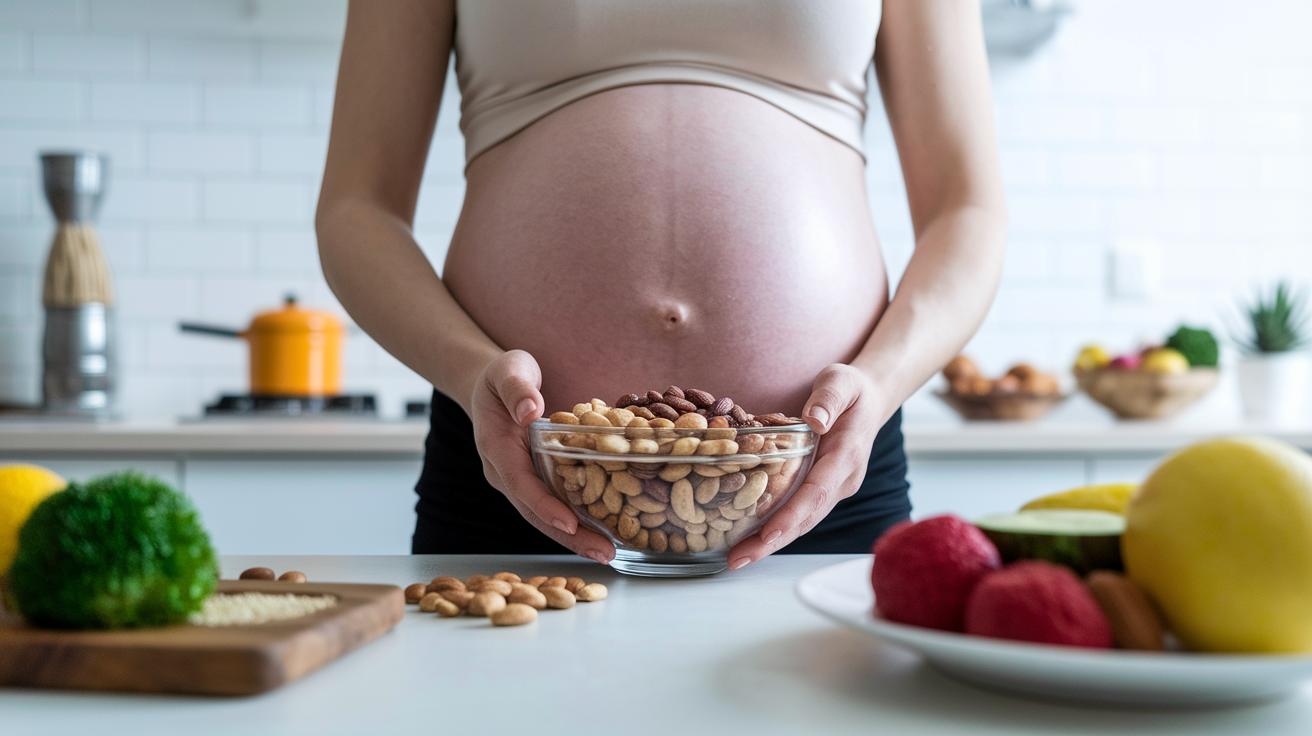
If you're pregnant and over 19, experts suggest aiming for 11 to 12 mg of zinc every day. This extra zinc helps support your baby's growth and keeps you feeling strong. And if you're expecting twins or if your current nutrition has some gaps, you might need just a bit more to help both of you flourish. It’s kind of like adding that perfect pinch of salt to your favorite family dinner, a little change can brighten everything up!
For women who aren't pregnant, the usual recommendation is about 8 mg each day. As your body goes through changes during pregnancy, tweaking your diet can be a simple way to support growing cells and keep your energy steady while ensuring your food and supplements work together to meet your health goals.
| Population | Recommended Zinc Intake (mg/day) |
|---|---|
| Nonpregnant Women | 8 |
| Singleton Pregnancy | 11–12 |
| Multiple Pregnancy | Higher than 11–12 |
Top Dietary Sources of Zinc in Maternal Nutrition
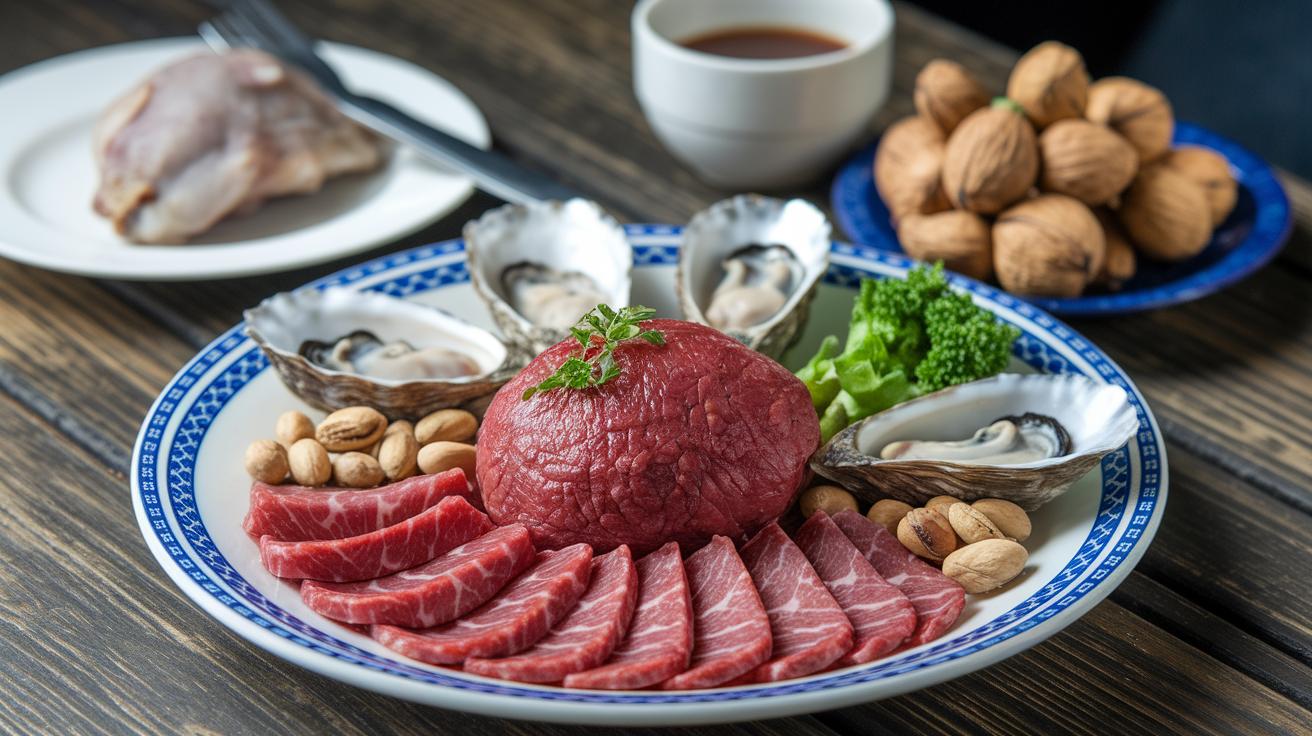
Eating a mix of zinc-rich foods is a simple way to help you feel good during pregnancy. Combining both meat and plant options not only supports your body's needs but also gives your baby the extra nutrients they need as they grow. It’s like giving yourself a little boost of energy and care every day.
- A 3-ounce serving of red meat brings high-quality zinc that your body can easily use.
- Enjoy oysters, around 6 medium ones offer a wonderful boost of zinc.
- A 3-ounce piece of chicken provides lean, tasty protein along with zinc.
- A 3-ounce serving of pork is another delicious option to include in your meals.
- Snack on 1-ounce servings of cheese for a good mix of zinc and calcium.
- One serving of fortified cereal can give you zinc and essential vitamins in one bite.
- Plant-based choices like 1/2 cup of beans or 1-ounce of nuts work well when paired with vitamin C–rich fruits like oranges or strawberries to help your body absorb more zinc.
Next, remember that pairing these plant-based choices with foods rich in vitamin C can really help improve zinc absorption in your body. For more tips on balanced meal planning, check out the maternal diet and wellness guidelines at https://womensconference.org?p=11209.
Role of Zinc Supplementation in Maternal Diets
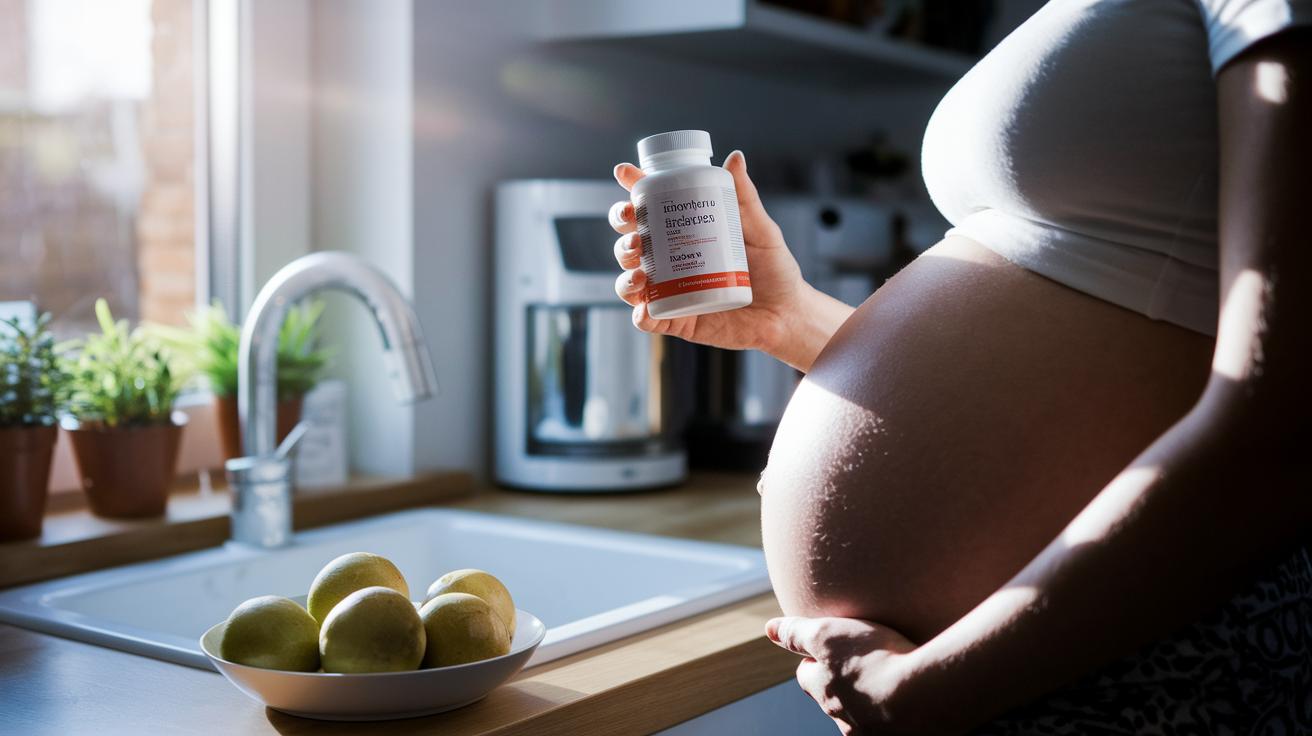
Pregnancy can mean your body needs a little extra help with nutrition. Many moms find that prenatal vitamins are a trusted way to fill in any gaps in their diet. These vitamins often provide about 10–15 mg of zinc, which supports both you and your baby’s healthy growth. Experts like WHO and ICMR recommend using a well-rounded supplement that offers over 20 important nutrients for each trimester. Think of it as a safety net that catches any missing pieces in your daily eating.
Many prenatal vitamins come as easy-to-take tablets or capsules. When you take one at the same time each day, ideally with a meal, it’s like setting the table for breakfast every morning. This routine helps your body absorb the zinc steadily, so it can support cell growth and keep your immune system strong.
Safety is super important with any supplement. For example, taking more than 40 mg of zinc a day can block your body from absorbing copper, which isn’t good. Here are four simple tips to help you choose and use your prenatal vitamin safely:
- Check the label and make sure it has about 10–15 mg of zinc.
- Look for a vitamin that includes more than 20 nutrients, just as experts recommend.
- Have a quick chat with your healthcare provider to make sure it meets your personal needs.
- Follow the instructions on the label for when to take it, how much to take, and how to store it.
A little routine like this can really make a difference for you and your baby.
Zinc’s Immune and Antioxidant Support in Pregnancy
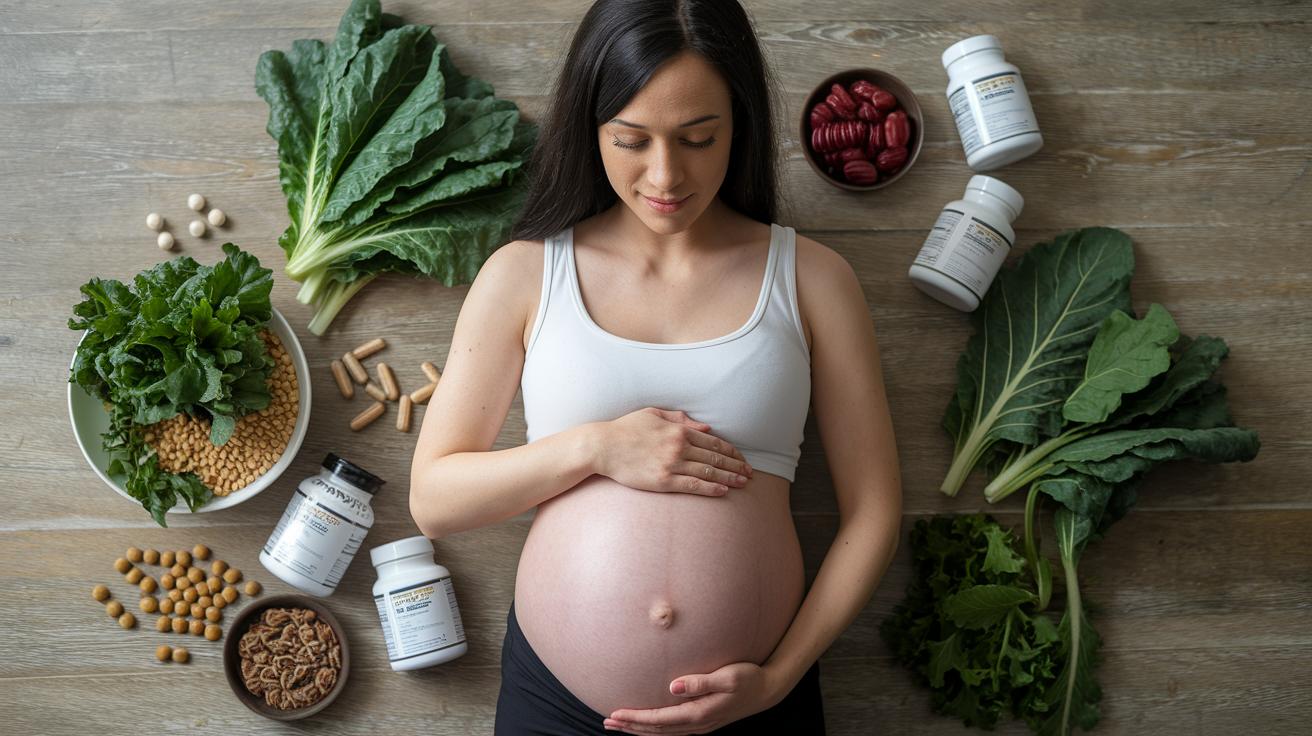
Zinc is like a friendly helper for your body's immune system. It guides both quick, immediate responses and more thoughtful ones to keep infections at bay. When you're busy growing your baby, zinc helps signal your white blood cells to work together, making sure every cell plays its part, just like a conductor keeping a band in perfect rhythm.
This mineral also teams up with antioxidant helpers to lower oxidative stress. In simpler words, zinc supports special enzymes that break down harmful molecules, much like a sturdy shield or a quick firefighter stopping a small flare-up from causing too much damage.
When these two zinc actions combine, they create a solid support system for you and your baby. Boosting your immune power and cutting down on oxidative stress works like having two close friends backing you up every day, offering protection and care throughout this special time.
Risks of Zinc Deficiency and Excess in Maternal Nutrition

Many moms-to-be sometimes find it hard to get just the right amount of zinc. Zinc is key for helping your cells grow and for keeping your immune system strong. When you don’t get enough, it can affect both your health and your baby’s development, both now and in the future. Studies have shown that many expecting mothers face gaps in their zinc intake, which might lead to issues down the road.
- Impaired growth
- Weakened immunity
- Hair loss
- Slow healing of cuts or scrapes
- Changes in taste
- Nausea
- Vomiting
- Copper deficiency
Finding the right balance of zinc during pregnancy is really important. Keeping your intake within the recommended range helps support your body and your baby’s needs. Too little zinc can slow development, while too much, especially over 40 mg a day, might block copper absorption and affect your immune system. It’s a good idea to chat with your healthcare provider about a balanced diet, so both you and your baby can thrive.
Implementing Zinc-Rich Meal Strategies for Expectant Mothers
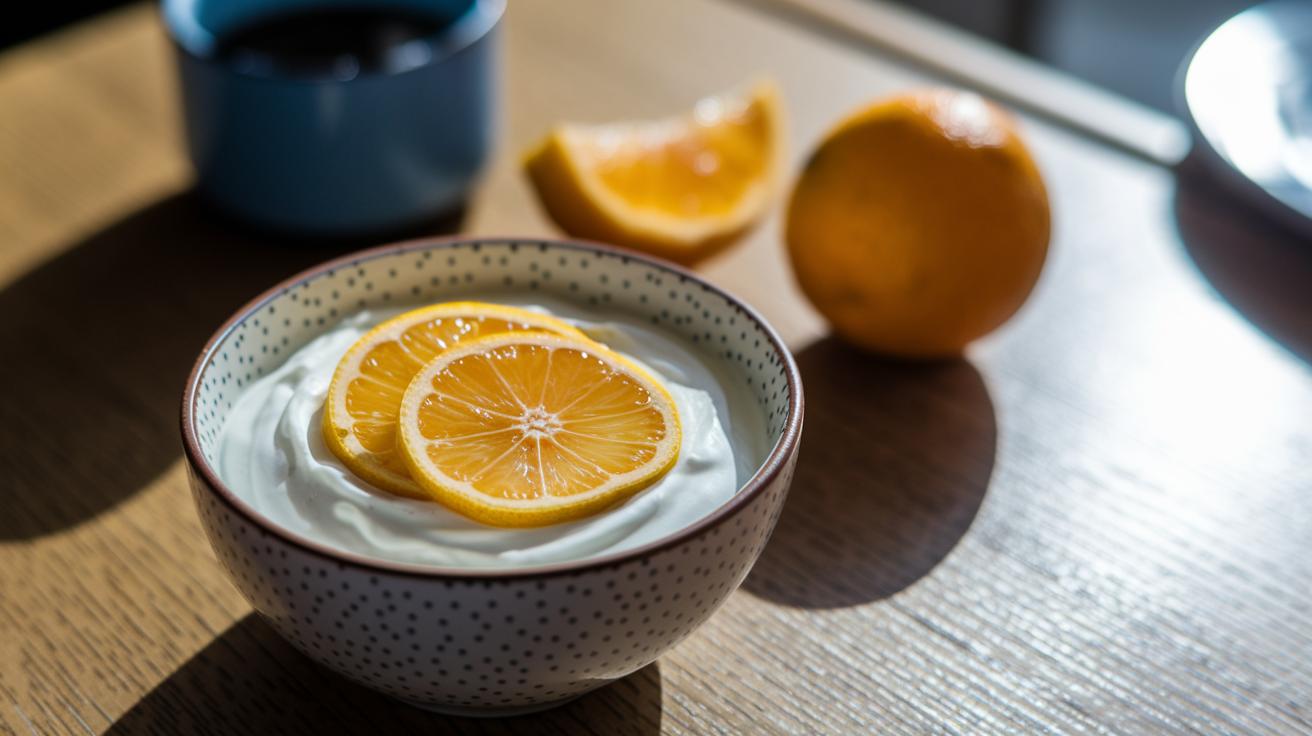
Fueling your body with zinc from both animal and plant sources is a simple and caring way to stay nourished. Imagine starting your day with a small bowl of Greek yogurt topped with fresh citrus slices, or a quick egg scramble paired with whole grain toast. This kind of breakfast gives you a good boost of zinc while the vitamin C in the fruit helps your body take it in. It’s like a warm, little reminder to treat yourself kindly each morning.
Think of your daily meals as a mini menu filled with different textures and flavors. Try mixing in lean proteins like chicken or pork with beans or nuts to give your zinc levels a natural lift. Adding vitamin C-rich fruits such as oranges, grapefruits, or kiwi for breakfast or lunch can help your body absorb zinc even better. A simple three-day plan can guide you to reach the daily goal of 11–12 mg of zinc.
| Day | Breakfast | Lunch | Dinner |
|---|---|---|---|
| Day 1 | Greek yogurt with citrus slices | Grilled chicken salad with orange segments | Beef stir-fry with mixed vegetables |
| Day 2 | Fortified cereal with milk and berries | Turkey sandwich with spinach and bell peppers | Salmon with steamed broccoli and lemon wedge |
| Day 3 | Scrambled eggs with whole grain toast and grapefruit | Lentil soup with mixed greens and kiwi slices | Pork tenderloin with sweet potatoes and a citrus glaze |
Feel free to mix things up by swapping meals or adding your favorite healthy snacks. Experiment with different fruits and protein sources to keep your menu fun and tasty while meeting your daily zinc goal.
Final Words
In the action, we explored zinc’s critical role in cell growth, immune support, and maintaining the well-being of both mom and baby. We looked at the right daily intake, highlighted top food sources, and even reviewed safe supplement practices. Practical meal strategies were shared to help integrate this essential trace mineral into daily life. Embracing the benefits of zinc in maternal nutrition brings added strength and confidence to caring for your family. Keep learning, experimenting, and caring for yourself with a positive spirit!
FAQ
Q: What is the recommended zinc dose during pregnancy and what constitutes too much zinc?
The recommended zinc dose for pregnant women is about 11–12 mg daily. Taking more than 40 mg per day may be risky, as high doses like 50 mg could interfere with copper absorption and cause side effects.
Q: What benefits do zinc tablets and prenatal vitamins provide during pregnancy?
Zinc tablets and prenatal vitamins supply essential zinc, which supports cell growth, immune function, and DNA synthesis. These supplements help fill nutritional gaps for both maternal and fetal health.
Q: How important is zinc for pregnancy, female fertility, and postpartum health?
Zinc is crucial for healthy cell division, immune support, and wound healing. It plays a key role in fetal development, boosts female fertility, and aids postpartum recovery, contributing to overall well-being.