
Have you ever wondered if your baby can learn to calm themselves? It might seem surprising, but even the tiniest cues, like a quick hand-suck or a gentle head turn, show the first steps toward better sleep. These small actions help set the stage for more peaceful nights.
In this post, we'll chat about how these early self-soothing signs appear and help your baby become a little sleep expert. It’s fascinating how subtle hints can lead to big improvements in rest. Let’s explore what these markers mean for your baby's journey to sweet, soothing sleep.
Infant Self-Soothing Milestones: Bright Beginnings

When little ones are just a couple of months old, they start showing tiny signs that they're learning to settle down for sleep on their own. Around 2 months, you might notice your baby quietly sucking on their hands or softly turning their head. As they grow into 4 to 6 months, these sleepy hints become more noticeable. Their body clock starts to work, and you might see them gently rocking their head or letting out soft cries with quiet breaks. Each of these moments is a building block toward becoming a sleep-savvy baby.
| Age | Self-Soothing Milestone | Common Behaviors |
|---|---|---|
| 2 Months | Early Cues | Sucking on hands, short quiet spells |
| 3 Months | Emerging Patterns | Gentle head turns, soft murmurs |
| 4 Months | Recognizable Signals | Head-rocking, playing with feet |
| 5 Months | Developing Rhythms | More rhythmic movements, steady hand-sucking |
| 6 Months | Independent Settling | Smoother transitions, repositioning with soft cries |
| 7 Months | Consolidated Sleep Signals | Longer naps and sleep stretches with fewer wake-ups |
Watching these month-by-month milestones can be very reassuring. It shows that every little change is helping your baby build the skills needed for better, more independent sleep. With your gentle care and attention, each small step adds up to a more peaceful bedtime routine for both you and your little one.
Infant Self-Soothing Milestones: Early Self-Regulation Indicators

Infants are just starting to learn how to calm themselves. Their little brains are still growing, so they rely on a caring adult to help them feel safe, kind of like needing a warm hug when you’re feeling overwhelmed.
Each time a gentle caregiver soothes a baby’s cries or fussiness, it helps build the brain pathways needed for better self-control later on. It’s like practicing your favorite game; the more you play, the better you get. Every soft word or tender touch reassures your little one and teaches them to settle down.
Over time, these nurturing moments lead to early signs of self-soothing. You might notice a tiny head turn or soft hand-sucking after a loving squeeze or kind lullaby. Imagine a baby slowly finding a peaceful rhythm, comforted by a caring presence, and gradually learning how to drift off to sleep on their own.
Infant Self-Soothing Milestones with Baby Calming Techniques
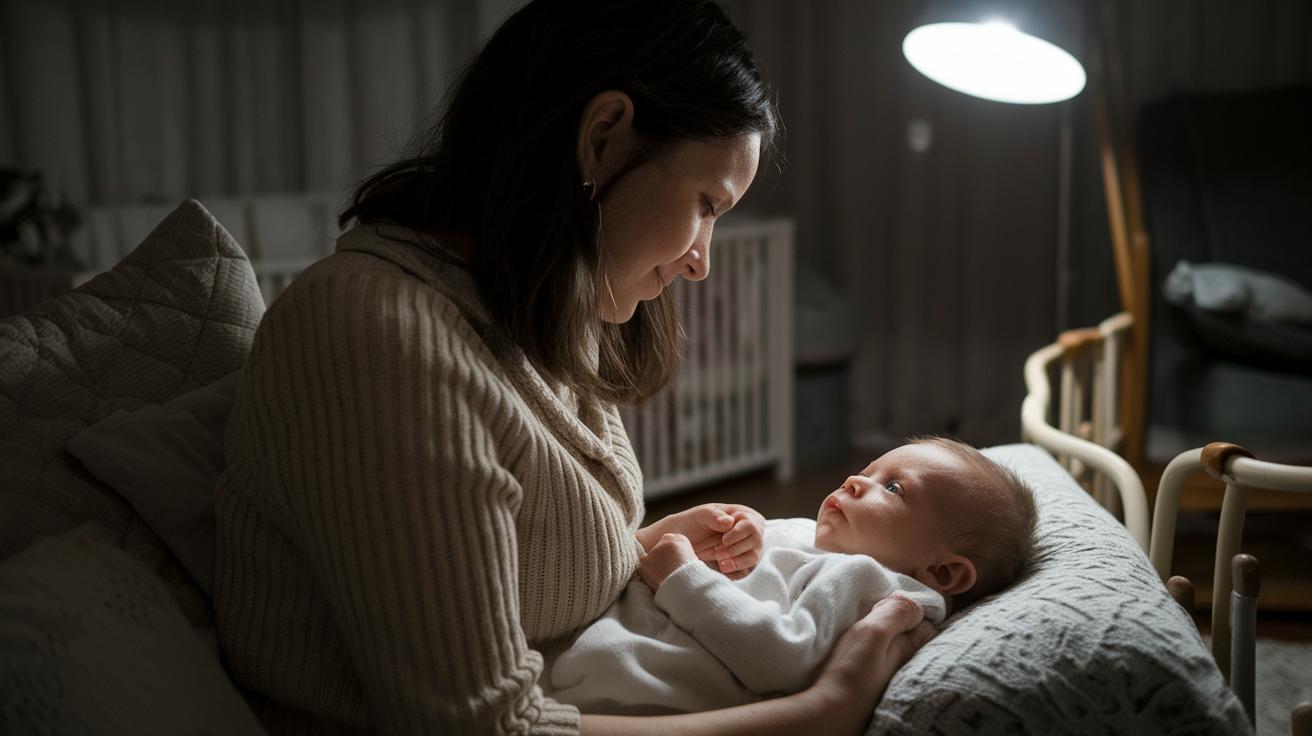
When you're caring for your little one, try simple, loving actions that help them feel safe and secure. Research shows that when you respond with warm touches and a gentle voice, your baby starts to show early signs of self-soothing, like moving their head, kicking their legs, or sucking on their hand.
Some easy ways to comfort your baby include:
• Singing a soft lullaby
• Giving a cozy cuddle
• Rocking slowly in a calm rhythm
• Speaking in a quiet, reassuring tone
• Using a dim, comforting light
• Following a regular routine
• Creating a warm, secure sleep space
Using these tender techniques every day builds a strong foundation of trust. As you notice your baby’s subtle cues, these little moments of comfort turn everyday routines into chances for growth and security.
Infant Sleep Readiness: Sleep Consultant Checklists

Sleep consultants use a simple five-point checklist to see if your baby is ready to sleep without constant help. They look for easy signs like regular nap times, a soft reaction when the lights dim, and little body signals that show your baby is ready for a steady sleep routine. For example, before starting sleep training, notice if your baby relaxes naturally when you sing a gentle song or give a soft cuddle.
This checklist helps you know the right moment to try sleep training without always using the same calming tricks. It highlights everyday signals that your baby is ready to learn how to soothe themselves. For instance, if your baby calms down quickly after a short pause during a lullaby, that might mean they’re ready for a bit more independent sleep.
Using this sleep consultant checklist gives you a clear, proven guide that works with your regular soothing habits. It offers fresh insight into your child’s needs and helps you decide when to move on to new sleep strategies. For example, when a consultant sees that your baby responds well to a familiar calming routine, it might be time to try a simple sleep training method.
Recognizing Infant Self-Soothing Milestones: Sleep Cues and Comforting Behavior Progress

Sometimes you might notice your little one cry quietly, with gentle pauses or even a soft self-touch. These are early hints that they’re learning how to calm themselves down. Back in the 1980s, Dr. Anders observed that a baby might pause for a moment during fussing before settling into sleep. It’s a simple sign that they're starting to manage their sleep on their own.
When you see these small moments, a brief pause in crying or a tender self-hug, it can be very reassuring. It shows that your loving and steady care is helping your baby build a smoother, more peaceful sleep routine.
When to Seek Professional Advice on Infant Self-Soothing Milestones
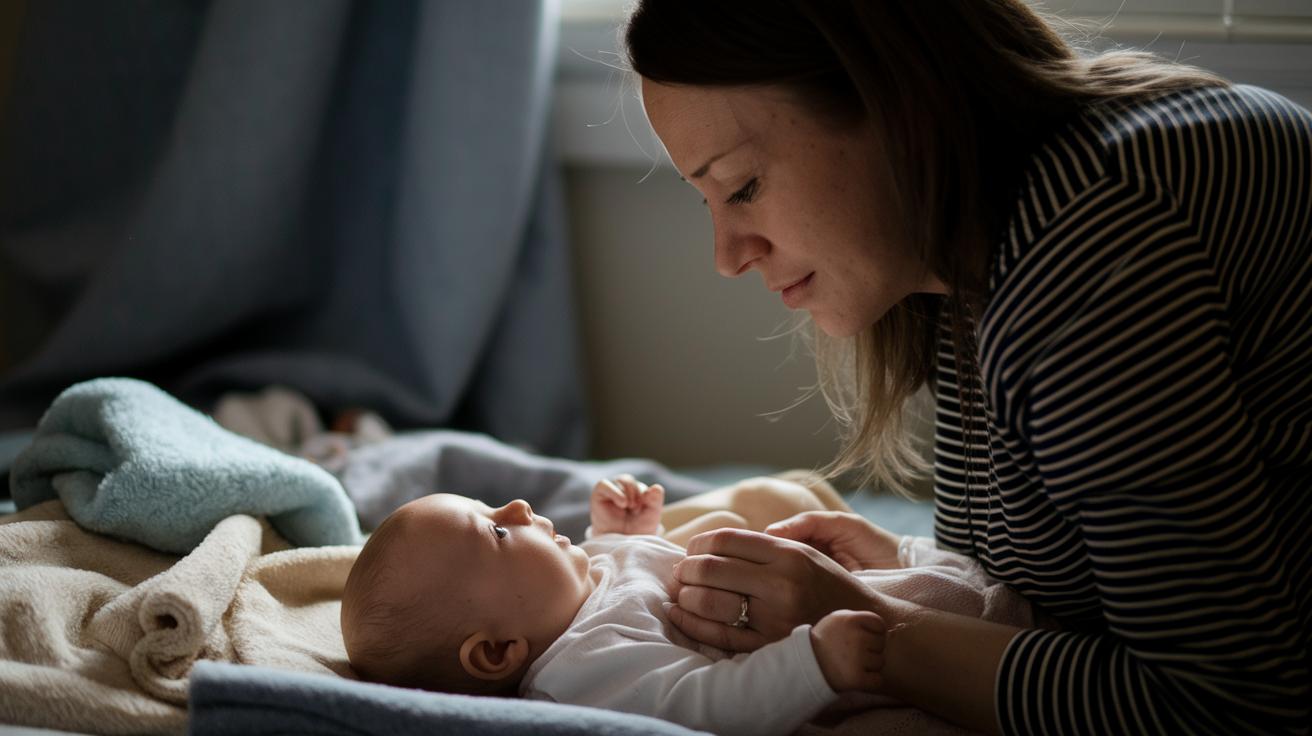
If your baby is 4 to 6 months old and still wakes up a lot or needs extra help settling, it might be a good idea to talk with your pediatrician or a lactation consultant. Sometimes even the most gentle and caring parents notice that self-soothing skills take a little longer to develop, and that’s totally okay.
It’s normal to worry about whether your baby is forming the right attachment or if all the extra calming means they’re in distress. When those little worries creep in, a professional can give you the guidance you need. They can help figure out if your baby’s sleep milestones are just taking their own sweet time or if they might benefit from a bit more support. Trust me, reaching out for help is a kind and brave step that can boost your confidence in your baby’s sleep routine.
As your baby grows, their sleep patterns will also change. If you notice that they’re still having trouble settling on their own or waking up a lot during the night, chatting with an expert can bring fresh ideas and reassurance. This ongoing support can really help you enjoy more peaceful evenings together.
Final Words
In the action, we explored a month-by-month timeline of how babies show self-soothing behaviors, from early sleep patterns to comforting techniques. We looked at simple ways to support these growth markers and shared tips on creating a soothing sleep routine. Small signals of self-regulation help build independent sleeping habits over time. With careful observation and gentle guidance, parents can feel more confident watching their babies meet these important infant self-soothing milestones. Embrace every little step with warmth and optimism.
FAQ
What does self-soothing mean at different infant ages?
The term self-soothing means a baby begins to calm themselves using behaviors like hand-sucking, head rocking, or gentle fussing. Early signs might emerge around 1–2 months, growing stronger by 6 months and beyond.
Is self-soothing bad for babies?
Self-soothing is a normal part of sleep development and helps babies learn to settle themselves. It’s not harmful as long as they still receive plenty of comforting and responsive care from caregivers.
What are common signs of baby self-soothing?
Common signs include head rocking, hand-sucking, gentle repositioning, and soft crying with pauses. These behaviors indicate that the baby is gradually learning to settle into sleep on their own.
What is the 5 8 5 rule for babies?
The 5 8 5 rule advises brief check-ins—five minutes, then waiting eight minutes, followed by another five minutes. This method offers a structured way to provide reassurance while gently encouraging independent settling.
Is it okay to let a 3-month-old self-soothe?
Allowing a 3-month-old to self-soothe can work if done with care. Watching for signs of distress and offering comforting support when needed helps balance independent settling with healthy attachment.