
Have you ever caught yourself smiling when your baby gives a little smile or a soft coo? It's amazing how even the smallest sound or move shows how they're growing each day. When your little one lifts their head or reaches for a new toy, you can see clear signs of their early skills. In this article, we'll share easy ways to track these special moments so you can celebrate every little step along the way.
Fundamental Techniques for Measuring Infant Milestones

Watching your little one grow during the first year is like writing a heartfelt story, one sweet line at a time. When you take a moment to note each new smile or tiny sound, you’re gathering clues about your baby's health and overall well-being. It feels empowering to see every small step and know just how much your child is learning each day.
There are four main areas that help us see how a baby is growing. First, there’s motor skills, like when your baby lifts their head or rolls over during tummy time. Then comes language, starting with gentle coos that soon become clear sounds. Social interactions show up when your baby responds to a warm smile, and cognitive skills peek through when they explore a new toy with curious eyes. Together, these areas build a strong foundation for everything they’ll learn later.
To keep track of these changes, many parents use simple checklists during daily routines. These notes help capture the little details that might otherwise slip by. Plus, regular check-ups with your pediatrician can compare what you see at home with common milestones, providing a clear picture of your baby’s progress. This gentle approach makes it easier for you to appreciate every bit of growth your child experiences.
How to measure infant milestones: Spark Growth

Watching your baby grow during the first year is like witnessing a tiny miracle every day. When you notice your little one lifting their head on their tummy at 2 months or beginning to roll over by 4 months, it feels like a big win. These simple moments can brighten your day and remind you of all the steps your baby is taking.
By keeping an eye on these early skills, you can see clear signs of growth during everyday activities. This gentle tracking also helps during doctor visits when you can share these little achievements. It's a sweet way to celebrate each new milestone.
| Age | Milestone Category | Typical Skills |
|---|---|---|
| 2 months | Motor Skills | Lifts head when on tummy |
| 4 months | Motor Skills | Rolls over front to back |
| 6 months | Motor Skills | Sits without support |
| 9 months | Social & Motor | Responds to name and crawls |
| 12 months | Communication & Motor | Says “mama/dada” and stands with help |
Keeping track of these simple milestones connects you to your baby's progress, making each doctor's visit a chance to share heartwarming growth moments.
Essential Tools for Measuring Infant Milestones

Have you ever tried keeping track of your baby’s growth? It can feel really reassuring when you have clear, easy-to-use tools that show how your little one is developing. Many moms and caregivers use trusted methods at home that match up with what pediatricians expect during check-ups. These tools help turn everyday moments into helpful signals for your doctor.
Here are some popular tools:
- Denver Developmental Screening Test II
- Ages and Stages Questionnaire
- Milestone logs kept by caregivers
- Language development checklists (see "language development milestones" for details)
- Pediatric developmental screening tools used in the office
Using these tools is simple. You can keep a little log or checklist to capture milestones like cooing or rolling over. Then, during your baby’s check-ups, you can look over your notes together with your doctor. This way, you can celebrate everyday wins and chat about any areas that might need a little extra love.
Interpreting Infant Milestones Measurements with Pediatric Standards
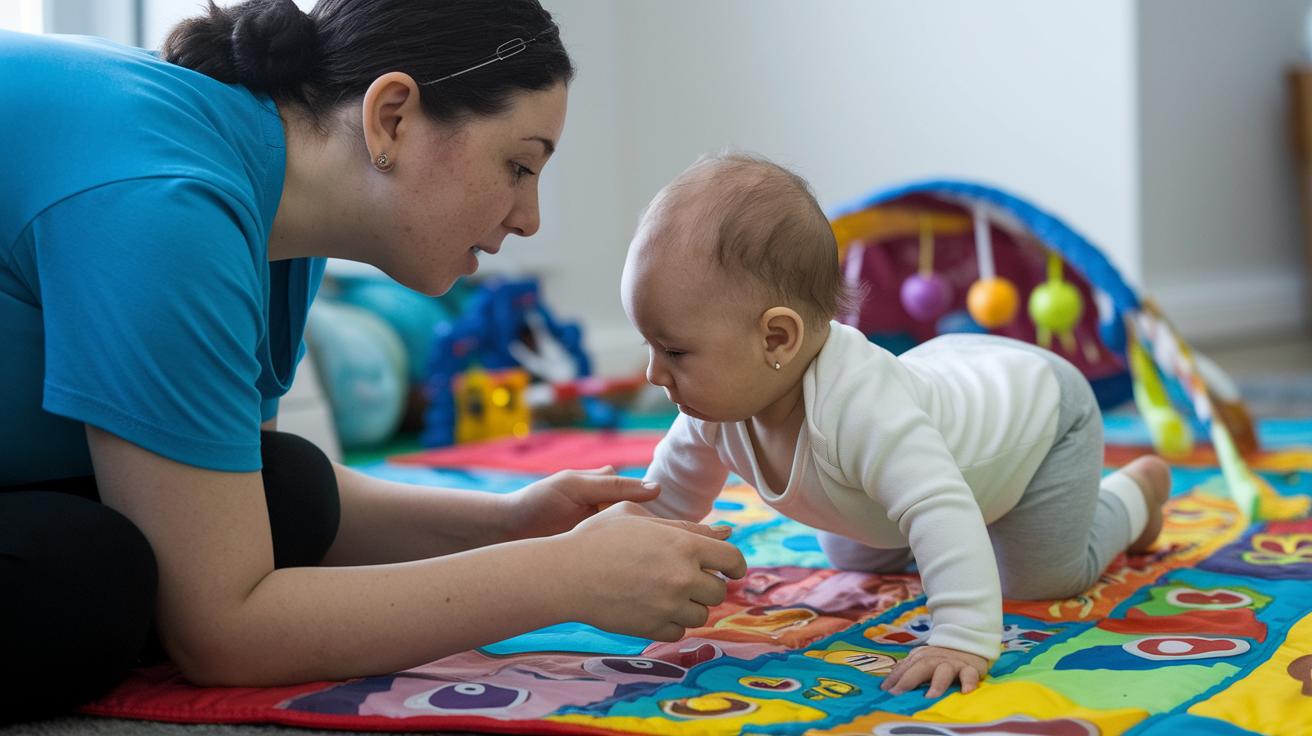
Pediatric guidelines help us see the usual age ranges when little ones pick up new skills. You might notice that your baby may start crawling, babbling, or smiling a bit earlier or later than what's expected, and that’s totally okay. A few weeks’ difference is pretty normal, but if you see gaps of more than two months, especially with motor or language skills, it might be a sign to take a closer look.
If you ever feel uneasy about these differences, a chat with your pediatrician can really help. They’ll compare what you’ve observed with the standard benchmarks during your regular visits. Their advice can clear up any confusion and guide you on the best steps to nurture your baby’s growth. Remember, you know your child best, and a little extra check-in can go a long way!
Caregiver Strategies for Tracking and Measuring Infant Milestones

When you notice your baby’s little actions, try jotting down more than just a quick note. Instead of writing something brief like "smiled at a toy," add a bit more about the moment. For example, mention the time of day or describe if the room was bright or calm. You might write, "Today, my baby gazed at a bright mobile during playtime in the soft afternoon sun." Small details like these can help you see patterns in how your baby behaves.
Sharing these detailed notes with your pediatrician can lead to richer conversations about your child’s development. Along with using a simple diary or milestone calendar, you might try an app that tracks changes over time. One caregiver found that using an app like The Wonder Weeks not only captured milestones but also hinted at when to bring up changes during checkups. This kind of thoughtful note-taking turns everyday moments into valuable information that helps guide expert advice and personalized care.
Final Words
In the action, we explored key techniques for measuring infant milestones with clear methods, age-specific details, and practical tools. We broke down motor, language, social, and cognitive skills while sharing ways to track progress through daily observations and professional screenings.
This guide shows how to measure infant milestones by combining proven strategies with warm, everyday guidance. Every step taken brings reassurance and a sense of confidence in nurturing your baby's growth. Keep moving forward with optimism and care!
FAQ
Frequently Asked Questions
How do you measure infant milestones using PDF guides and CDC resources?
The methods to measure infant milestones include using age-specific checklists from PDF guides and CDC resources, highlighting key areas like motor, language, social, and cognitive skills.
How can I track baby milestones from 0 to 18 months using charts?
Baby milestones from 0 to 18 months are tracked using charts that illustrate gradual progress in motor, language, and social skills, helping parents see clear developmental growth over time.
Where can I access developmental milestones charts or PDFs?
Developmental milestones charts and PDFs provide clear, age-based benchmarks for infant growth, available from reliable health organizations and pediatric resources.
Is 0 to 3 months considered the newborn stage?
The period from 0 to 3 months is typically seen as the newborn stage, when infants display early reflexes and initial interaction skills.
What can babies typically do from 0 to 12 months?
Babies progress rapidly from simple reflexes to more coordinated movements, beginning to roll, sit, crawl, and say early words by their first birthday.
How do you check for developmental milestones in infants?
Checking for developmental milestones involves regular observations and comparing infant progress against standard age-based checklists during daily routines and pediatric visits.
What are signs of developmental red flags in infants?
Developmental red flags in infants include delays in motor, language, or social skills that fall outside typical age ranges, indicating a need for further evaluation by a pediatrician.