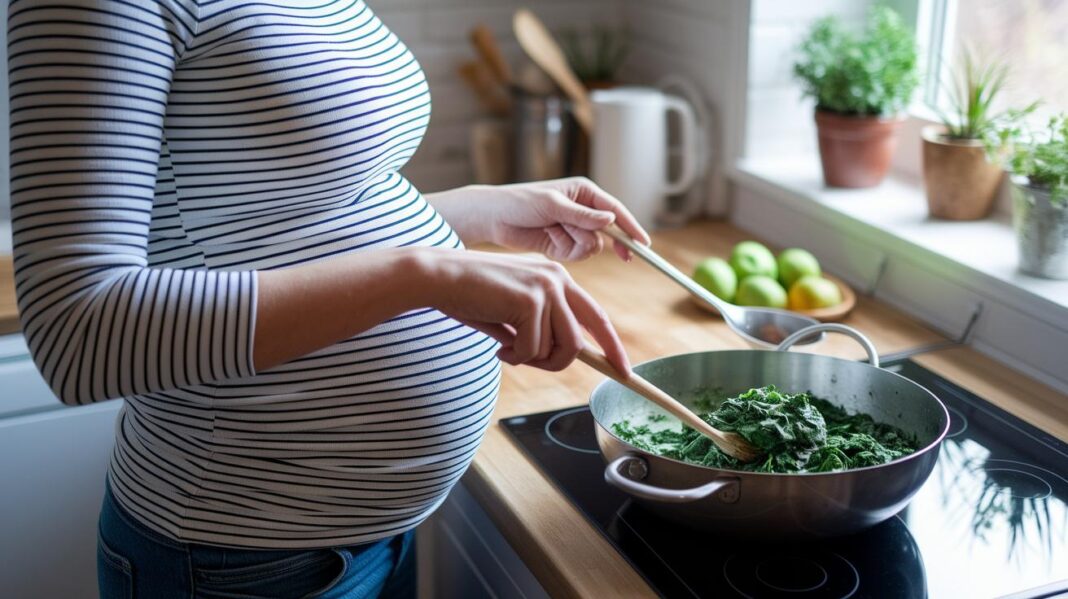
Have you ever thought about how a little vitamin C can help your body absorb more iron during pregnancy? It might surprise you to learn that a tiny change, like a squeeze of lemon on a spinach salad, can make a big impact for both you and your baby.
In this article, we’re going to share simple tips to help your body take in more iron. We’ll show you easy ideas so that every meal counts during this special time in your life.
Key Strategies for Enhancing Iron Absorption in Pregnancy
Iron is really important for you and your baby during pregnancy, and it’s helpful to know how to get the most out of what you eat. A good trick is to combine iron-rich foods with vitamin C (which helps your body use iron better). For example, enjoy lean meat or fortified grains with fresh fruits like oranges or strawberries. Even a squeeze of lemon over your spinach salad can make a big difference!
It can help to spread your iron intake across three meals so your body can absorb it steadily. You might try a breakfast with fortified cereal and an orange, a lunch with lean protein and a colorful side salad of bell peppers, and a dinner featuring legumes with some tomatoes mixed in. This way, each meal gives you a bit of that essential iron boost.
Remember, your regular prenatal visits include checks on your iron and hemoglobin levels, so your healthcare provider can give you personalized advice if you need any changes. Here are a few tips to keep in mind:
| Tip | Example |
|---|---|
| Pair iron with vitamin C | Add kiwi or bell peppers to your meal |
| Avoid absorption blockers | Keep dairy or caffeine drinks separate from iron foods |
| Space out iron-rich foods | Enjoy them at different times of the day |
Also, staying well-hydrated is key, it helps carry all those good nutrients throughout your body. And if you ever feel that your diet might not be enough, it’s a good idea to chat with your healthcare provider about iron supplements. Small changes in your meal planning can really boost your iron absorption during this special time.
Iron-Rich Foods and Meal Combinations to Increase Iron Uptake
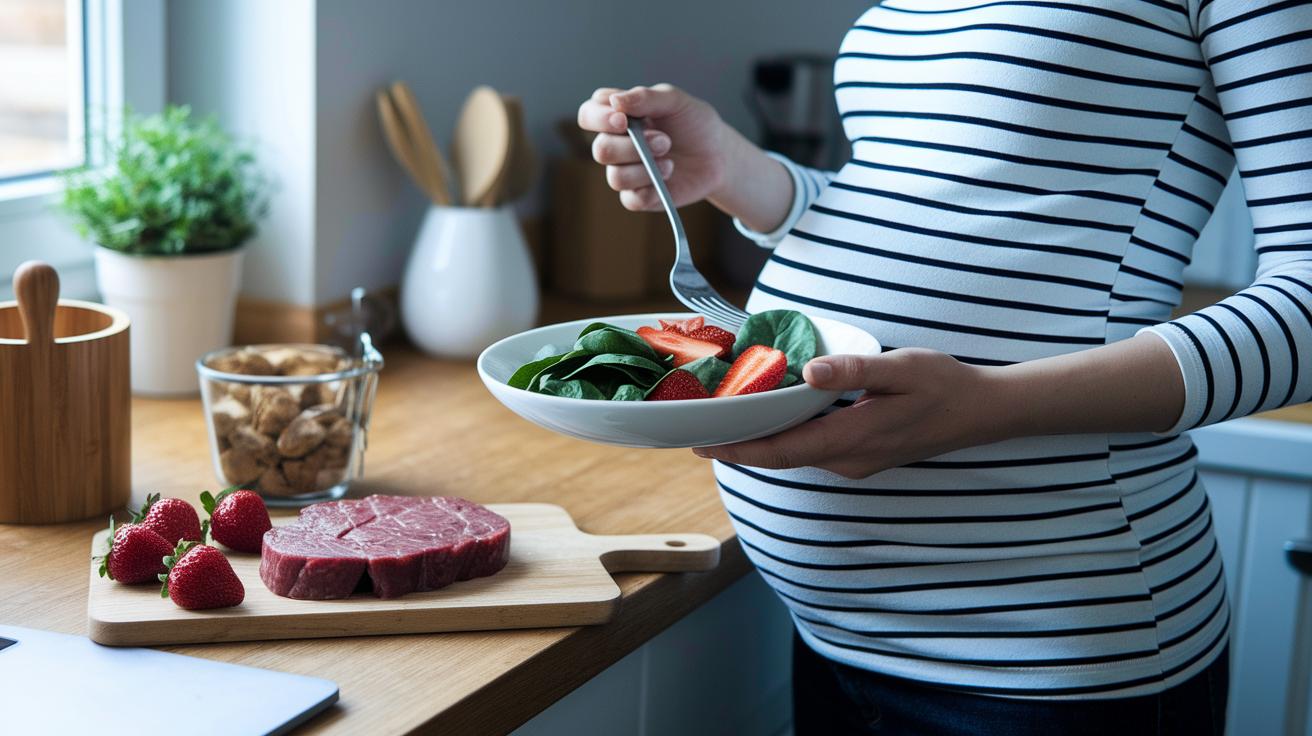
Eating lots of different iron-rich foods can really help your body grab more iron when you’re pregnant. Lean red meat gives you heme iron, which your body absorbs more easily. For example, having 3 oz of beef (with about 2.1 mg of iron) together with ½ cup of strawberries (offering roughly 50 mg of vitamin C) can more than double the iron you get from nonheme foods like spinach or lentils. Have you ever noticed how a splash of lemon or a few slices of tomatoes can give your salad a fresh zing while boosting your iron intake?
It’s a good idea to add citrus fruits, bell peppers, and tomatoes to your meals. Their vitamin C helps turn nonheme iron into a form your body can absorb more readily. Mixing these vitamin C sources with both types of iron-rich foods can really make a difference in your overall iron levels.
| Food | Iron per serving (mg) | Type (heme/non-heme) | Vitamin C per serving (mg) |
|---|---|---|---|
| Lean Beef | 2.1 | heme | 50 (from Strawberries) |
| Spinach | 3.0 | non-heme | 20 (from Tomatoes) |
| Lentils | 3.3 | non-heme | 80 (from Bell Peppers) |
| Chickpeas | 2.9 | non-heme | 60 (from Orange Slices) |
| Fortified Cereal | 18.0 | non-heme | 70 (from Kiwi) |
Vitamin C and Nutrient Synergies that Improve Iron Absorption
Vitamin C helps change iron into a form that our bodies can use more easily. About 50 to 100 mg of vitamin C with a meal, roughly one medium orange or half a bell pepper, can nearly double the amount of nonheme iron your body absorbs, boosting it by up to 300%.
Fruits like oranges and strawberries, along with yogurt (which has lactic acid), work in a similar way. Imagine pairing a fresh serving of spinach with a squeeze of lemon juice, it’s like adding a drizzle of sunshine to your meal!
Another simple tip is to combine iron-rich foods, such as lentils or spinach, with a small serving of vitamin C sources. This little trick helps support healthy iron levels in a friendly, easy way.
Iron Supplement Recommendations and Dosage for Expecting Mothers
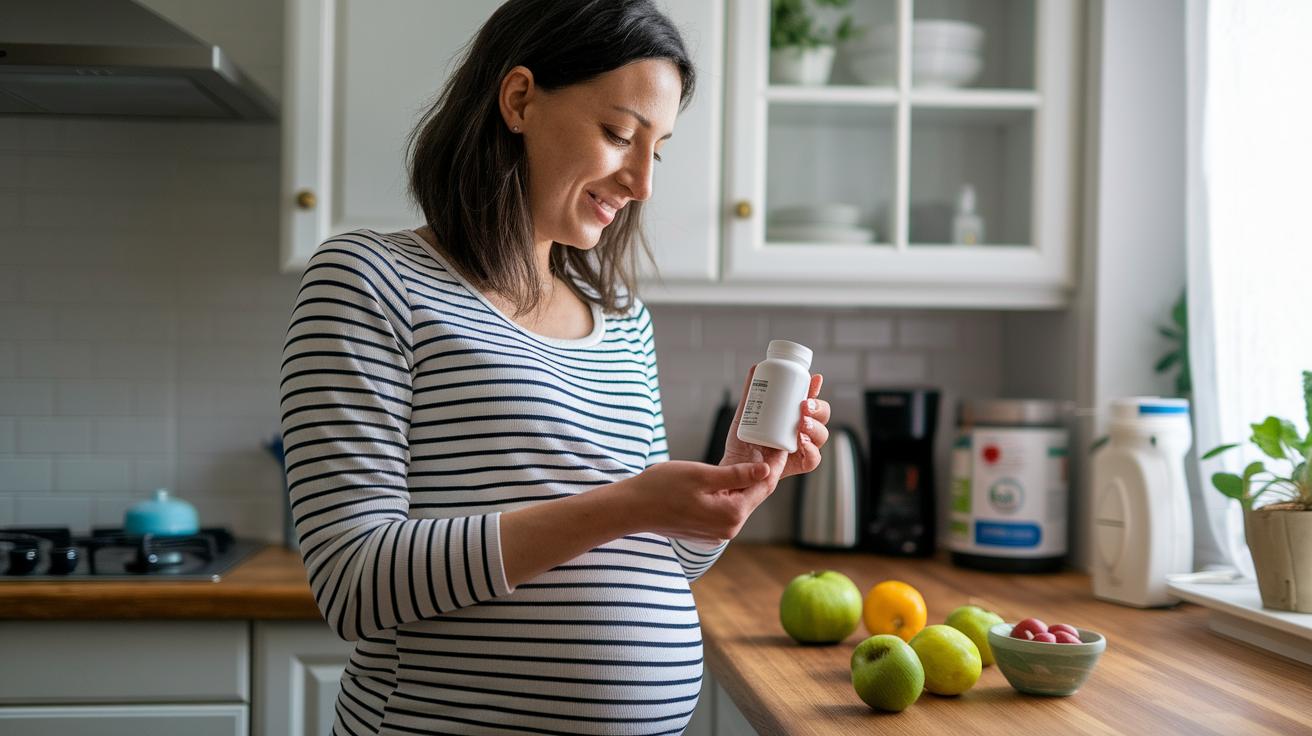
Iron supplements come in different forms, and each one has its own dose of iron. For example, ferrous sulfate usually gives you about 65 mg of iron in each dose, while ferrous gluconate offers around 36 mg, and ferrous fumarate contains roughly 106 mg. Many prenatal vitamins already include about 27 mg of iron every day. So if your iron levels are a bit low, your healthcare provider might suggest you add an extra 60–120 mg daily.
One little tip that might help: try taking your iron supplement two hours before or after a calcium-rich meal. This way, you give your body the best chance to absorb all that good iron without calcium getting in the way.
Think of it like balancing a meal. Your prenatal vitamin gives you a steady supply, and taking your extra supplement at a different time can make everything work better together. Some moms even find that a small glass of orange juice with their supplement makes a big difference, thanks to the vitamin C boosting iron’s benefits.
When you’re choosing which supplement to take, remember that each form has its unique benefits and possible side effects. It really helps to talk with your healthcare provider to find the best match for your needs. For more details, you might want to check out their advice on prenatal vitamins with iron.
Common Dietary and Lifestyle Factors That Inhibit Iron Absorption
When you're expecting, it’s really important to know what might stop your body from getting all the iron it needs. For example, dairy products are full of calcium, which can cut down the amount of nonheme iron (the type found in plants) your body absorbs by almost half. So if you love a good glass of milk, try waiting for about two hours after drinking it before you have your iron-packed meal.
Tea and coffee also play a role in iron absorption. Tannins found in these drinks stick to iron, making it harder for your body to make use of it. Instead of having tea or coffee with a meal, why not enjoy them between meals? It might just help your body get more of the iron it needs.
Even whole grains and legumes, packed with all sorts of nutrients, contain natural compounds called phytates. These phytates can bind with iron to form particles that your body finds tough to use. A little trick here is to soak, sprout, or ferment these foods before cooking them. This small change can make a big difference in how much iron your body can gather from your meals.
- Separate dairy or calcium supplements by at least 2 hours from iron sources
- Enjoy tea, coffee, or other tannin-rich drinks between meals
- Soak, sprout, or ferment grains and legumes before cooking
- Try to avoid having high-fiber foods right with your iron-rich meals
Cooking Methods and Meal Timing to Optimize Iron Uptake
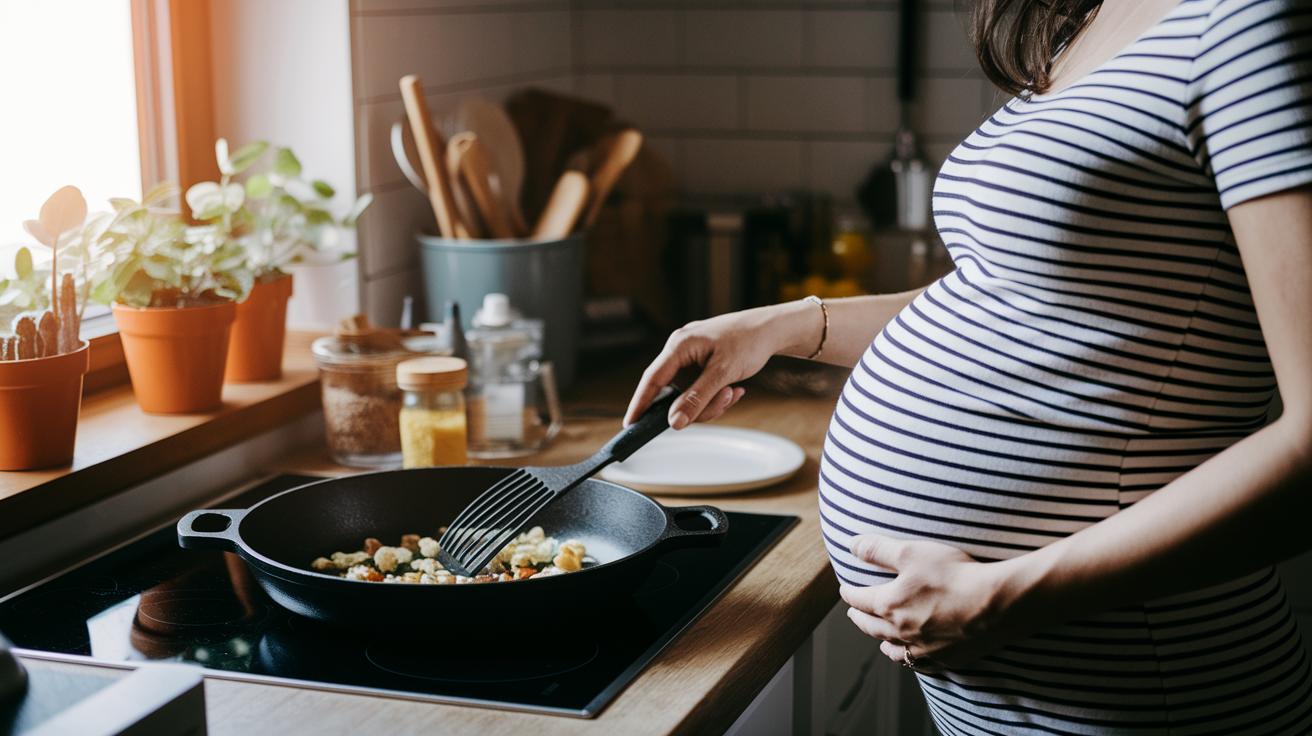
One cozy tip is to cook with a cast iron pan, which helps add a natural boost of iron to your meals. When you make a hearty stew or sauté your favorite veggies, your cast iron skillet can quietly lift your meal by an extra 1 to 3 mg of iron per serving. Picture making a warm vegetable stir-fry and knowing a little extra goodness is sneaking into your dish, it feels like a gentle reminder that small changes can bring big benefits.
Monitoring Iron Levels and Recognizing Low Iron Uptake in Pregnancy
When you’re expecting, your doctor will use simple blood tests to check how much iron you have. They look at measures like hemoglobin and hematocrit to see if your blood is carrying oxygen the way it should. If the hemoglobin number falls below 11 g/dL, it might be a sign that you’re starting to develop anemia. You might notice feeling extra tired, your skin looking a little pale, or even finding it a bit harder to catch your breath.
About 15–25% of moms-to-be face iron-deficiency anemia, so keeping an eye out for these signs is really important. Regular blood tests help you see any changes over time, which means you and your doctor can decide together if you need to adjust your diet or add iron supplements. It’s kind of like caring for a small plant, if you see it not growing as it should, you know it’s time to change the care routine. Tracking these lab results early on can help keep both you and your baby strong and healthy during this special time.
How to boost iron absorption during pregnancy: Flourish
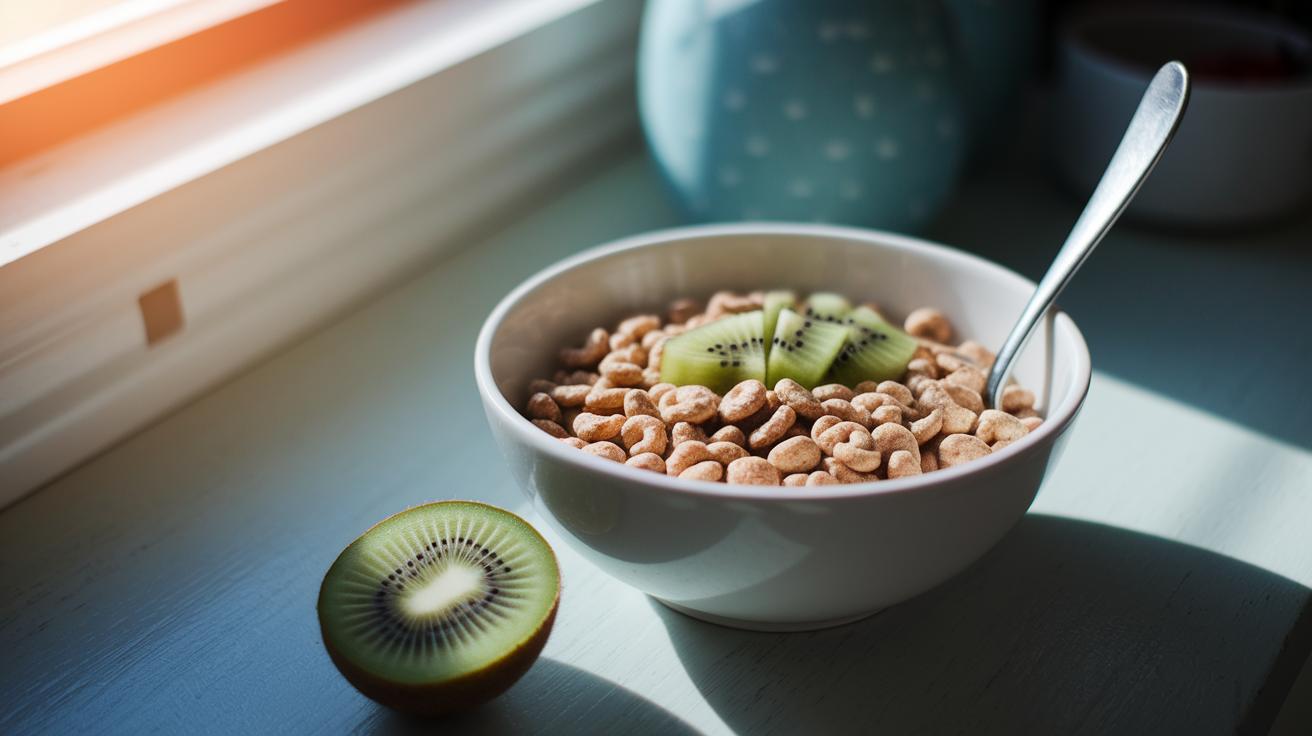
You might already be using vitamin C with your iron-rich foods, but here's a neat three-day plan that adds fresh ideas without repeating what you already know. It gently guides you to hit that 27 mg daily iron goal. Often, a little twist like a squeeze of citrus or a side of fresh fruit makes all the difference.
For example, picture starting your day with a bowl of fortified cereal paired with a juicy kiwi. This simple breakfast can give your iron absorption a real boost and turn an ordinary meal into something extra nourishing.
Here's an example plan that builds on the meal ideas we discussed before:
| Meal | Iron source + enhancer | Iron per serving (mg) |
|---|---|---|
| Day 1 | Fortified cereal + kiwi | 18 |
| Day 2 | Lentil salad + tomatoes | 6 |
| Day 3 | Grilled chicken + broccoli | 1 |
These extra meal ideas are meant to complement what you've already learned, offering more ways to enjoy iron-packed foods during your pregnancy.
Final Words
In the action, we shared simple ways to include iron-rich meals paired with vitamin C and smart cooking tips that help make the most of your nutrients. We also discussed how to space out supplements and meals to avoid inhibitors and offered meal plans that fit into your daily routine. These ideas work together to show how to boost iron absorption during pregnancy while keeping your routine clear and manageable. Embrace these tips and enjoy feeling confident about your well-being.
FAQ
How to increase blood during pregnancy?
Increasing blood during pregnancy involves boosting iron intake through iron-rich foods and supplements, paired with vitamin C sources to improve absorption and support healthy hemoglobin levels for you and your baby.
What is an iron-rich snack for a pregnant lady?
An iron-rich snack for a pregnant lady might include fortified cereals, hummus with whole-grain crackers, or dried fruits paired with a vitamin C boost, all of which help improve iron absorption.
Can iron deficiency in pregnancy affect baby growth?
Iron deficiency in pregnancy affects baby growth by reducing the oxygen delivery essential for development, so maintaining balanced iron levels is key to supporting your baby’s healthy growth.
How to treat anemia in pregnancy?
Treating anemia in pregnancy means following your doctor’s advice, which usually involves iron supplements, iron-rich foods, and pairing meals with vitamin C to help your body absorb more iron.
What are low iron pregnancy symptoms?
Low iron during pregnancy can show through symptoms like fatigue, pale skin, and shortness of breath, which indicate that your body might need more iron to support increased blood volume.
Does low iron in pregnancy indicate a boy or girl?
The belief that low iron in pregnancy signals the baby’s gender is unfounded, as iron levels depend on nutritional needs and overall health rather than determining whether you’re having a boy or a girl.
How can I increase hemoglobin in a week during pregnancy?
Increasing hemoglobin in a week during pregnancy involves a balanced diet rich in iron, proper supplements, and vitamin C pairings while spacing meals to maximize absorption under your doctor’s guidance.
What should be considered about anemia during the third trimester?
Anemia during the third trimester requires extra attention since the body’s iron needs increase; focusing on iron-rich meals and regular checkups can help maintain healthy hemoglobin levels.
How can I increase my iron absorption during pregnancy?
Increasing iron absorption during pregnancy means pairing iron sources with vitamin C-rich foods, spacing iron intake to avoid inhibitors like calcium at mealtimes, and dividing your dosage over three smaller meals.
What drinks are high in iron for pregnancy?
Drinks high in iron for pregnancy include iron-fortified beverages and smoothies blending fruits with vitamin C sources, which work together to boost iron absorption and support your iron needs.
Which trimester is iron most important in pregnancy?
Iron remains important in every trimester, but its role is especially critical in the third trimester when both your body’s blood volume and your baby’s rapid growth demand higher levels of iron.