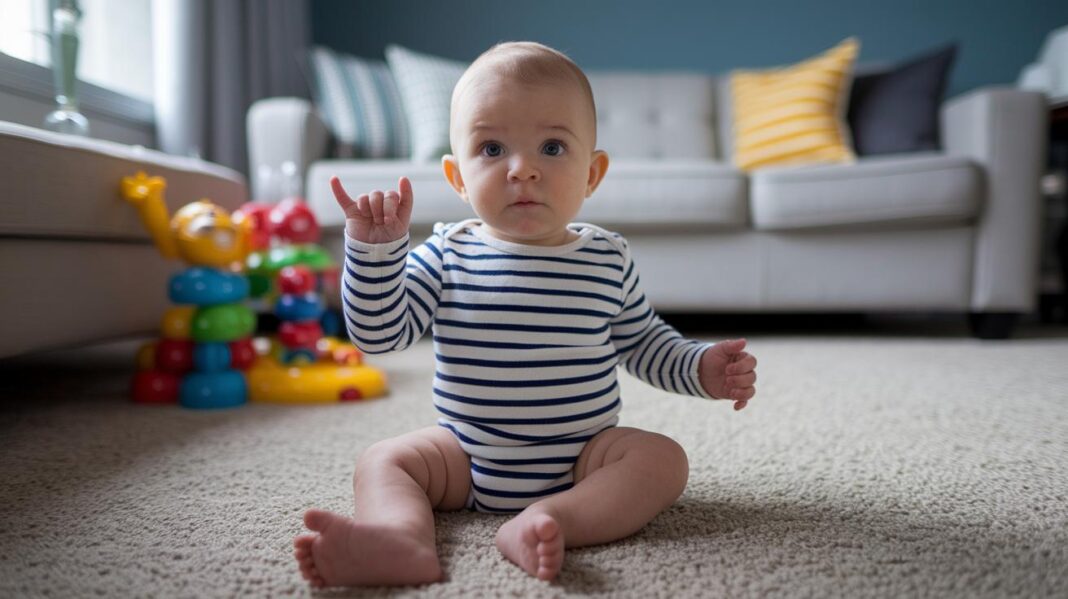
Have you ever seen your baby reach out or shake their head when they don’t like something? It’s a cute little gesture that shows they’re beginning to tell you what they need without using words.
Today, let’s chat about simple actions like holding on to a toy or following a moving object with their eyes. These early signals are tiny building blocks for how your child will one day share their thoughts and feelings. As you watch your baby explore, you might be surprised at how these little signs help shape their future ways to communicate.
Key Infant Gesture Milestones by Age
It’s truly heartwarming to see your baby start using gestures, it can feel both thrilling and comforting. Even before they can speak, little ones connect with you through simple actions like tracking your face with their eyes or reaching out to touch things around them. In the first 6 months, when you notice your baby grasping or reaching out, it’s a gentle sign that they’re exploring and noticing the world. These early moves are like little hints that later, they’ll be ready to share their feelings more clearly.
By around 9 months, things can start to change. You might see your baby shaking their head to say “no” or turning away when they’re full. These are early, intentional gestures that show they’re beginning to tell you what they like or don’t like. It’s a big step on the path toward talking and expressing themselves even more.
Between 12 and 18 months, something really special happens. Your toddler may start using objects playfully, like pretending to eat with a toy fork, to show that they understand the meaning behind things. Around 16 months, many toddlers add up to 16 unique gestures to their communication toolkit. And as they approach 28 months, you might notice them using gentle hand movements, known as beat gestures, which help tie their actions to the rhythm of their speech.
| Age Range | Gesture Type | Description |
|---|---|---|
| 0–6 months | Grasping/Reaching | Pre-gesture signals such as eye tracking |
| ~9 months | Head Shake, Turning Away | Early intentional gestures |
| 12–18 months | Symbolic Play Schemes | Pretend use of objects |
| By 16 months | Up to 16 Distinct Gestures | Milestone benchmark |
| ~28 months | Beat Gestures | Emphasis on speech rhythm |
Infant Gesture Milestones: Bright Signs of Early Growth
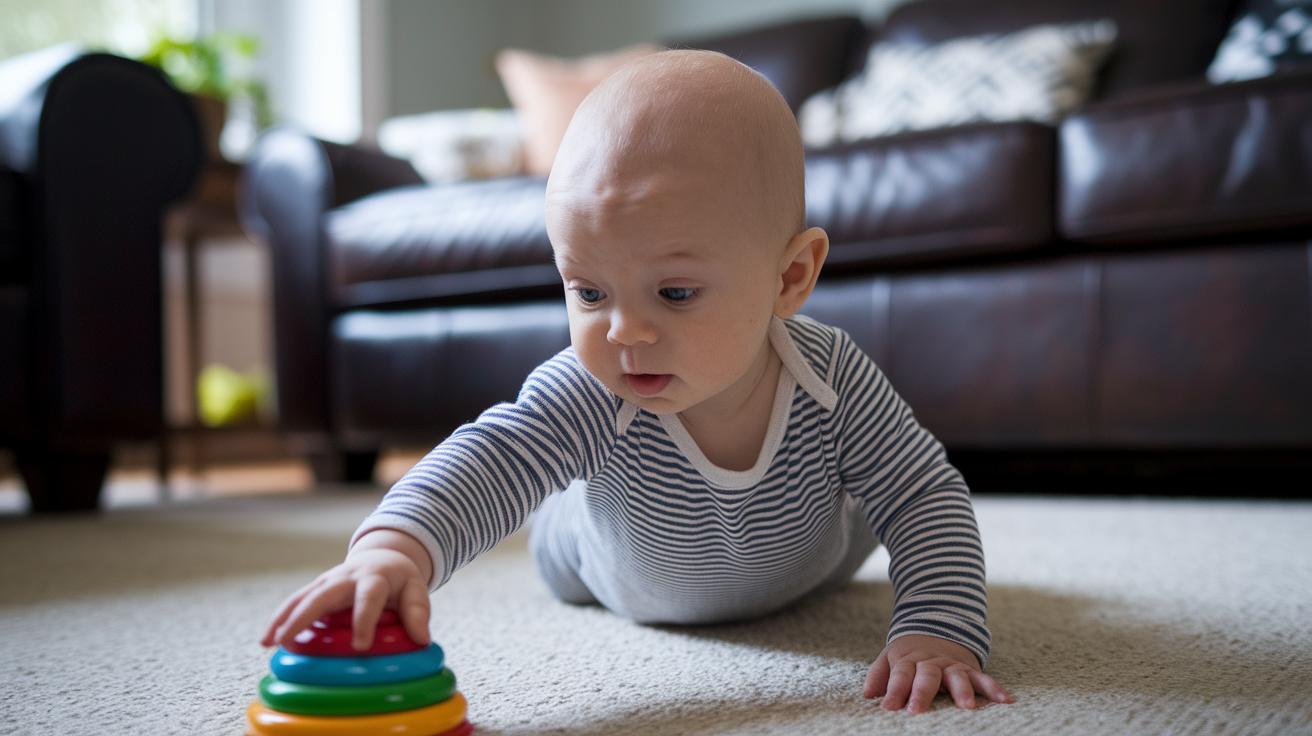
By around 9 months, babies start using little gestures like shaking their heads or turning away to show what they enjoy or dislike. Picture your baby gently turning away when they're full, it’s a heartwarming sign they’re beginning to share feelings without words.
At the same time, you might see those first clumsy attempts at sharing. A baby may reach out shakily for a toy when you're holding it out. Imagine your little one carefully handing over an object, this simple act is a sweet early step toward sharing and responding in a social way.
Sometimes, you’ll notice a gentle wave or a hand raised in greeting. Seeing your baby wave is a delightful hint that they’re on the path to more complex social exchanges.
Stimulating Baby Sign Development with Gesture Play
Gesture play can help your little one start connecting their feelings with actions. When you use easy hand signs with words, it becomes simpler for your baby to understand meanings. For instance, if you always show a sign for "milk" while saying the word, your baby will begin to link that gesture with the word itself. It’s a fun way for them to communicate even before they learn all the words.
Here are some ideas to try:
- Show simple signs every day, like for eat, sleep, and more
- Say the word clearly as you use each gesture
- Copy your baby’s gestures to encourage them
- Work new signs into your daily routines
- Give lots of smiles and kind looks as you practice
These moments of sharing signs build a warm and caring bond between you and your baby. Regularly using these simple signs not only strengthens your connection but also helps lay the ground for future talking. Every little gesture shared makes your everyday routines a natural, loving way to grow your communication together.
Monitoring Social Responsiveness Cues
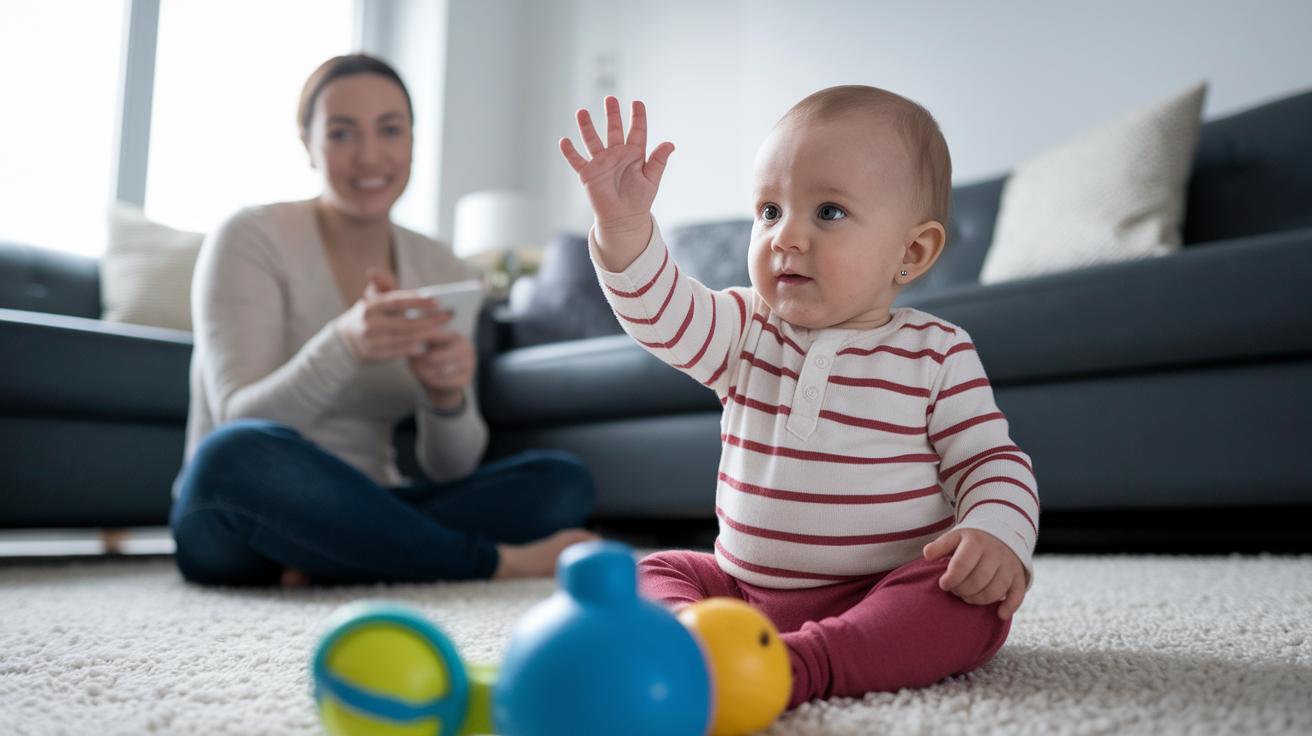
Watching the different gestures your baby makes is a gentle reminder of how their communication skills are growing. When you notice a wave, a head shake, or a turn away, you learn more about how they feel and how they connect with you. Every little movement is a sign of their social development, letting you spot changes as they grow.
Studies show that the number and variety of gestures between 9 and 16 months can hint at language skills by age three. When kids naturally add new gestures, they usually build a bigger vocabulary and form clearer sentences later on. These early ways of communicating without words give you a peek into how their speech might develop.
Some children may need a bit more time with these gestures. If your little one isn’t using any gestures by 16 months or only shows a few repetitive signals, it might be a sign they need some extra support. And if you notice that beat gestures (small movements that help add a rhythm to speech), which often appear around 28 months, are missing or very few, it’s a good idea to keep an eye on it.
infant developmental milestones chart
If you see these signs, it might be a good idea to talk with a pediatric speech-language specialist. They can help you find areas that might need extra support and guide you in nurturing your child’s communication skills.
Predicting Language Outcomes Through Gesture Analysis
New research shows that babies who use many different gestures between 9 and 16 months often end up learning more words and phrases as they grow. Brain scans reveal that a variety of gestures is tied to how well the brain connects parts that help with language.
One study found that infants with more gestures later formed longer sentences and had bigger vocabularies. For example, one little one used 14 different gestures by 15 months and later scored high on vocabulary tests compared to friends. This suggests that early gestures can give helpful clues about how a child’s brain is developing language skills.
For parents and healthcare providers, these findings offer a simple way to check on early communication. If you notice your baby waving, pointing, or expressing feelings with their hands, it might be a good idea to jot these down and share them with your doctor. Imagine keeping track of all the cute ways your baby shows what they need, this can really help in spotting strengths early and guiding gentle supports if needed.
Tools for Observing and Recording Gesture Milestones
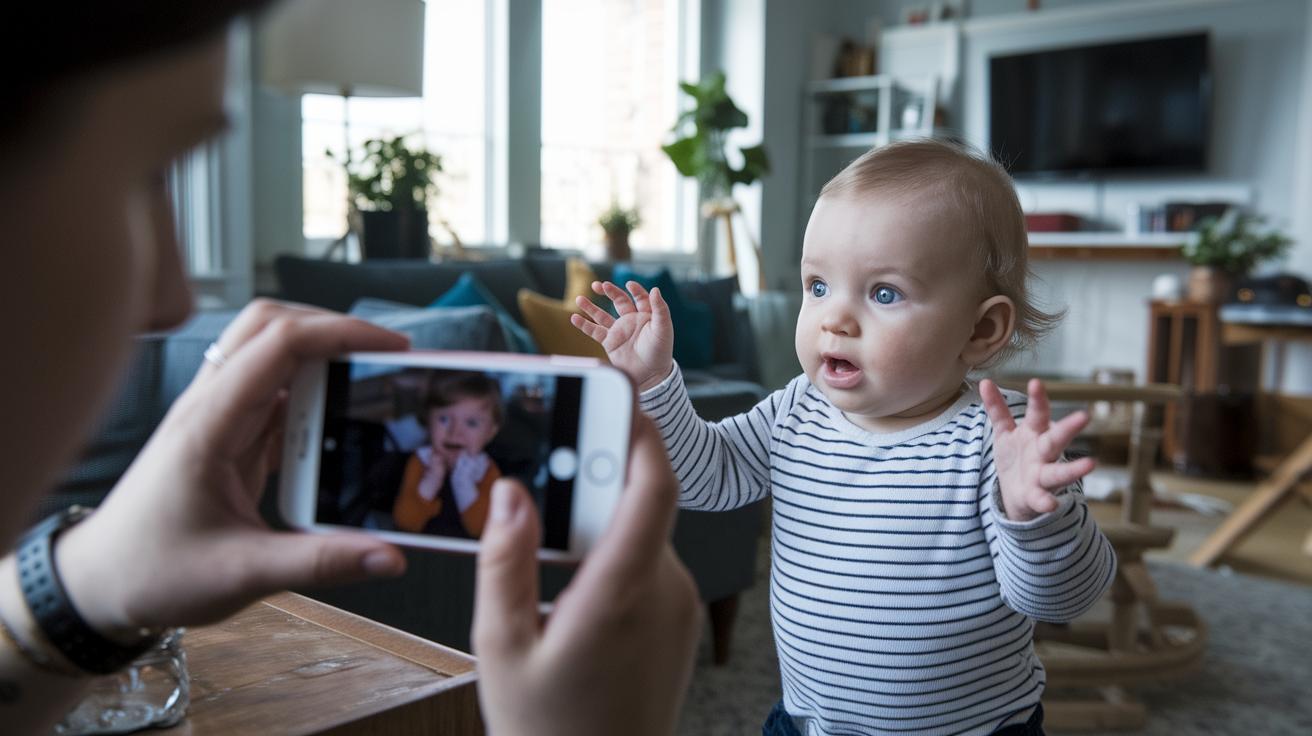
Watching your little one make new gestures can be both fun and easy with some simple tools. Many parents find that using milestone apps, printable charts, or even video journals helps them capture these early, precious moments. You can note everything from your baby’s first wave to the way they reach out for you. For instance, a printable chart lets you mark the day your baby shakes their head to say “no,” and a short video can capture those heartwarming moments that a picture might miss. Over time, writing down these experiences helps you see clear patterns in your baby's progress and may even show if things are a bit slower than usual.
Try setting up a small daily routine to watch and record these actions. Maybe record a brief, five-minute video while your baby is playing or feeding. Notice if they repeat a gesture or try a new hand movement, and jot down what you see afterward. This simple habit not only helps you track your baby's growth but also creates a visual record you can share with your child's specialist if you ever need some extra guidance.
Final Words
In the action of exploring these key milestones, we saw infants use simple gestures like head shakes and reaching. We discussed how gestures develop into symbolic play and even beat gestures that support speech development.
Breaking down each stage makes tracking progress feel manageable. By observing these infant gesture milestones, you gain valuable insights that can guide next steps. Keep celebrating these small yet exciting moments that pave the way for strong language skills and joyful communication.
FAQ
At what age do babies start doing gestures?
Babies typically begin showing simple gestures around 9 months, such as head shaking or reaching out. These early nonverbal cues lay the groundwork for more intentional communication as they grow.
What are the 16 gestures before 16 months?
By 16 months, many toddlers display up to 16 distinct gestures like waving, clapping, and pointing. This collection reflects a mix of early responses and budding symbolic play behaviors.
What are autistic hand gestures in babies?
Some infants with autism may show fewer or different hand movements, such as limited waving or pointing. Observing these variations can help guide parents toward early support if needed.
What is a gesture development chart?
A gesture development chart outlines typical nonverbal signals, including grasping, head shaking, and waving, by age. It serves as a helpful tool for parents to track their baby’s communication progress.
Where can I find baby gesture and infant milestone PDFs?
Lists of baby gestures and infant milestone PDFs are available online. They offer detailed guides for each developmental stage and act as practical references when monitoring your child’s progress.
What is the meaning of baby hand gestures?
Baby hand gestures are early signals that help infants communicate needs, feelings, and responses before they can speak. Each movement, such as waving or clapping, provides insight into their growing social skills.
What are infant gesture milestones at 6 months?
Around 6 months, babies often begin to grasp objects and reach out, marking the start of nonverbal communication. These foundational gestures set the stage for later, more intentional interactions.