Have you ever wondered if your belly might be doing more for you and your baby than you realize?
Recent research shows that every bite you take helps care for both of you. When you pick foods like healthy fats, proteins, fruits, and veggies, you're building a strong base for good gut health (healthy digestion).
Small changes in your diet can really help both you and your little one thrive during this special time. Isn’t it amazing how a tiny tweak in what you eat can make such a big difference?
Maternal Nutrition and Gut Health: Dietary Influences on Microbiome During Pregnancy
When you're expecting, the food you eat does more than give you energy, it helps shape your gut and your baby’s too. New research shows that the meals you enjoy influence the mix of good bacteria in your tummy. It might surprise you, but a while back, many believed that only protein and fiber mattered. Now we know that fats, especially saturated and polyunsaturated ones, play an important role. So, using healthy sources like olive oil, fish, and nuts can give your digestive system a little boost.
It still helps to stick with a balanced plate of protein-rich foods, whole grains, fruits, and veggies. But now we also pay attention to these healthy fats, which adds a fresh twist to your prenatal eating plan. Even extra weight can shift your gut’s balance, so planning meals carefully can be a kind way to look after both your gut health and your baby’s.
Small changes in your diet can really add up. Think of it like tweaking a favorite recipe, a little change can make a big difference. When you eat mindfully, you’re not just feeding your body; you’re also nurturing your baby’s developing gut in a gentle, caring way.
Essential Nutrients in Maternal Nutrition for Gut Health
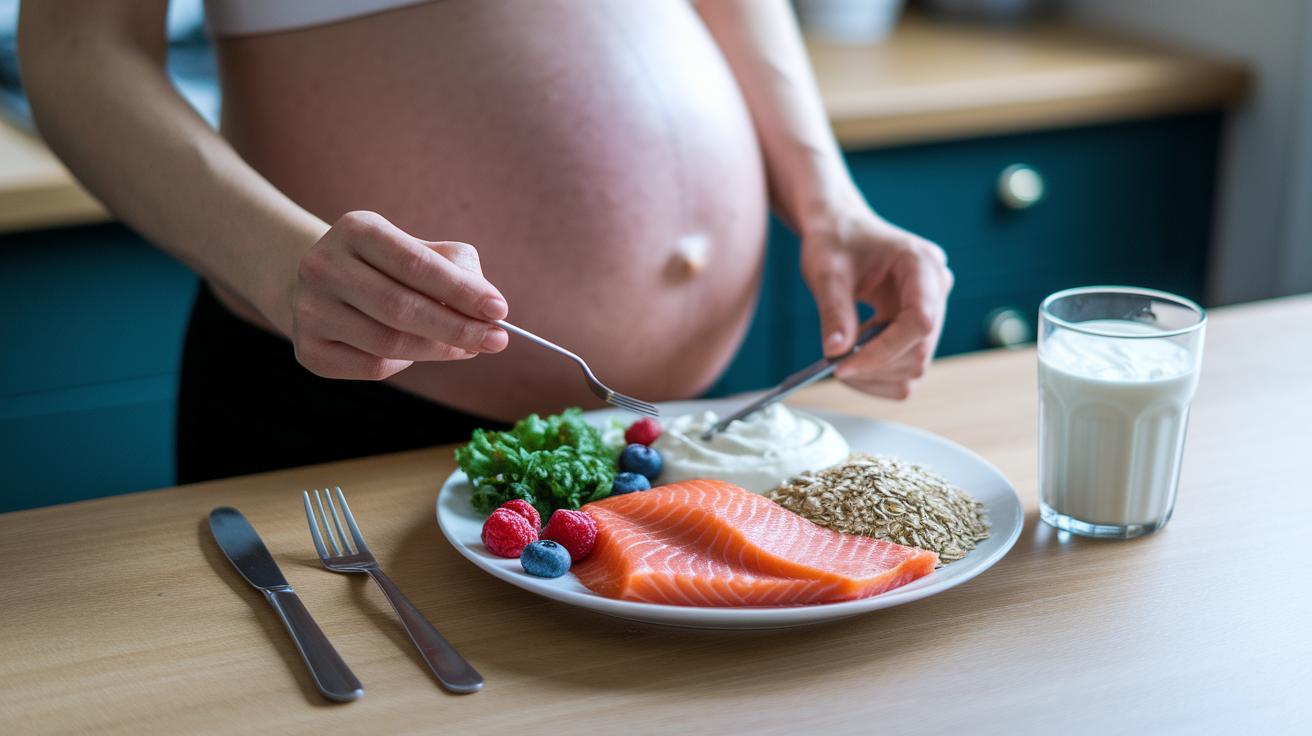
A balanced plan for eating while pregnant sets the stage for a happy, healthy gut. Protein and fiber work together like little helpers, giving good bacteria the fuel they need, kind of like offering them a nourishing snack. Adding whole grains, fresh fruits, and veggies to your meals is a simple way to make sure your tummy’s tiny residents always have something good to eat.
Omega-3 fats are another superstar when it comes to gut health. Foods like salmon, walnuts, and flax seeds do double duty by supporting your baby’s brain development and keeping your gut environment in check. It’s pretty amazing how a little variety on your plate can make such a big difference for you and your baby.
Iron and calcium are key micronutrients that further boost your gut’s friendly bacteria. Iron from lean meats or fortified cereals helps keep your energy steady, while calcium from dairy or greens supports your body and its balance. Mixing these nutrients into your daily servings creates a gentle balance that looks after both your well-being and your baby’s growth.
Probiotics, Prebiotics, and Fermented Foods in Maternal Nutrition and Gut Health
Your tummy is like a cozy home for countless tiny helpers, from bacteria to fungi. They feel their best when you invite in foods rich in probiotics, fermented delights, and prebiotic fibers. Probiotics, found in treats like yogurt, kefir, and sauerkraut, help bring more good bugs to your system to keep your gut balanced.
Prebiotic fibers work like a little snack for these friendly germs. It’s like giving your garden a bit of nourishment so the flowers can bloom beautifully. Imagine feeding your gut with fibers the same way you care for your favorite houseplant – every bit helps make your digestive system stronger.
Fermented foods not only add a zesty kick to your meals but also boost the variety of good microbes that benefit both you and your little one. Think about foods like kimchi or miso; even a small serving each day can help build a robust, happy ecosystem that supports maternal well-being.
Mixing these nutritious foods into your daily routine is a simple, delightful way to take care of both your health and your baby’s. It’s a natural step toward nurturing a balanced, content tummy for both of you.
Maternal Nutrition and Gut Health Across Trimesters: Microbiome Dynamics
Researchers looked closely at how the food you eat during all three trimesters interacts with your body makeup and gut bugs. It turns out that while we might expect each trimester to bring a totally different mix of gut microbes, the overall blend stays pretty steady. Isn’t that neat? This shows us that your eating habits during pregnancy really do influence your gut throughout the whole journey.
Think about it like this: In some trials, moms who enjoyed a mixed diet saw steady improvements in their gut health from the first to the third trimester, as if their bodies were following a lovely, predictable routine. It’s a gentle reminder that the foods you choose can be a reliable friend in keeping your gut balanced.
But there’s another piece to the puzzle. Even when your diet stays wholesome, changes in body weight can shift your gut mix on their own. That means keeping an eye on your weight is just as important as eating well, especially if you’re looking to support a healthy gut for you and your baby.
So, every day’s food choices and how your body changes matter a lot. By taking care of both your plate and your weight, you help create a nurturing environment in your gut that supports both you and your little one.
Maternal Gut Health and Infant Outcomes: Microbial Transfers and Growth
New research shows that the foods you enjoy can gently change the bacteria in your gut, which may help shape your baby’s growing system. Think of it this way: when you eat a healthy meal, you are nourishing yourself and also creating a kind, supportive environment for your little one’s developing gut. Believe it or not, even a small change in your snack can influence the tiny community inside you and later impact your child’s growth.
Scientists from many places have noticed that the gut bacteria in babies often look alike, no matter where they live. This means that what you eat plays a big part in balancing the helpful bacteria that your baby gets. These friendly bacteria might even affect how steadily your baby grows and could hint at things like the risk for obesity when they are older.
Research from different parts of the world shows us that a balanced diet for moms is linked to strong, healthy guts in their little ones. A well-tuned gut not only supports baby’s growth but also can be a good sign for how the birth outcome will turn out.
By making thoughtful food choices, you’re setting up a healthy start for your baby. Every careful bite you take can help share beneficial microbes with your child, leading to long-lasting health and well-being.
Practical Meal Planning and Supplements for Maternal Nutrition and Gut Health
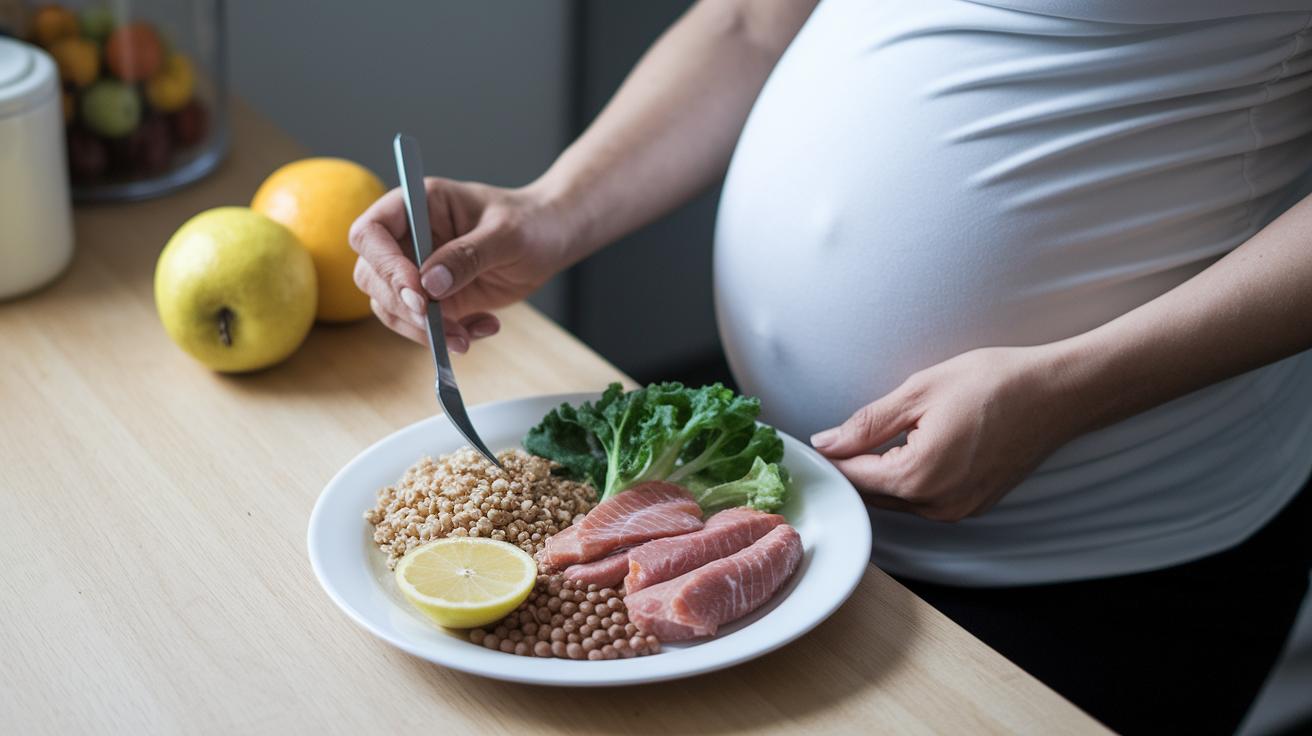
Start by carving out a little time each day to plan your meals in a way that works for you. A simple trick is to prepare your meal ideas the night before. Fill your plate with lean proteins, whole grains, fruits, vegetables, and even a small serving of fermented food. Think of your plate as a friendly menu, where every item has its special role in taking care of your gut.
Recent studies suggest that prenatal vitamins with added probiotics can help your body foster healthy gut bacteria. One study noticed that moms who took these vitamins experienced smoother digestion. It’s an easy way to cover any small gaps in your diet.
Don’t forget to keep up with your water too. Try to take little sips throughout the day so your digestive system keeps moving gently. Picture water as a calm flow that helps everything along.
| Meal Component | Daily Tip |
|---|---|
| Grains | Swap white rice for brown rice at lunch or dinner |
| Proteins | Go with lean chicken or fish instead of red meat |
| Beverage | Choose water with a splash of fresh fruit over soda |
Plan your meals and supplements in a way that feels easy and natural. Each little bite and sip helps support your gut and overall well-being, making life a bit gentler for you and your little one.
Final Words
In the action, mothers are using smart food choices to support both their own wellbeing and their babies’ healthy start. We explored how balanced meals filled with fiber, lean proteins, and probiotics can support maternal nutrition and gut health. The research shows that healthy eating and safe supplements can promote a strong gut, which positively impacts both mom and baby. Every meal choice is a step toward a brighter, healthier future, filling the day with hope and gentle strength.
FAQ
Maternal gut microbiota in the health of mothers and offspring: from the perspective of immunology
The role of maternal gut microbiota in health highlights how immune interactions with gut bacteria support both mother’s well-being and baby’s development by influencing immune responses and overall resilience.
Gut health and pregnancy
The connection between gut health and pregnancy means that a balanced digestive system helps with nutrient absorption and immune support, which can positively affect pregnancy outcomes for both mother and child.
Gut microbiome pregnancy
The term gut microbiome during pregnancy refers to the community of bacteria and other microorganisms that aid digestion and immunity, influencing both maternal wellness and the initial development of the baby’s gut flora.
Does mother’s gut health affect baby?
The state of a mother’s gut health affects the baby by shaping the initial microbial community passed to the infant, which plays a role in digestion, immune development, and long-term health.
How to improve gut health during pregnancy?
Improving gut health during pregnancy can involve a balanced diet rich in fiber, lean proteins, and fermented foods, along with proper hydration and prenatal supplements designed to support a healthy digestive system.
What are the symptoms of poor maternal nutrition?
The symptoms of poor maternal nutrition may include low energy, unexpected weight changes, and digestive discomfort, signaling that dietary imbalances could affect the well-being of both mother and baby.
Is there a link between gut health and fertility?
The connection between gut health and fertility lies in the regulatory role of a balanced microbiome in inflammation and hormone regulation, which can positively influence reproductive health and fertility.