Have you ever thought about whether plant-based iron can really meet your body’s needs while you’re expecting? Your body works so hard to support both you and your little one, making extra blood just for you.
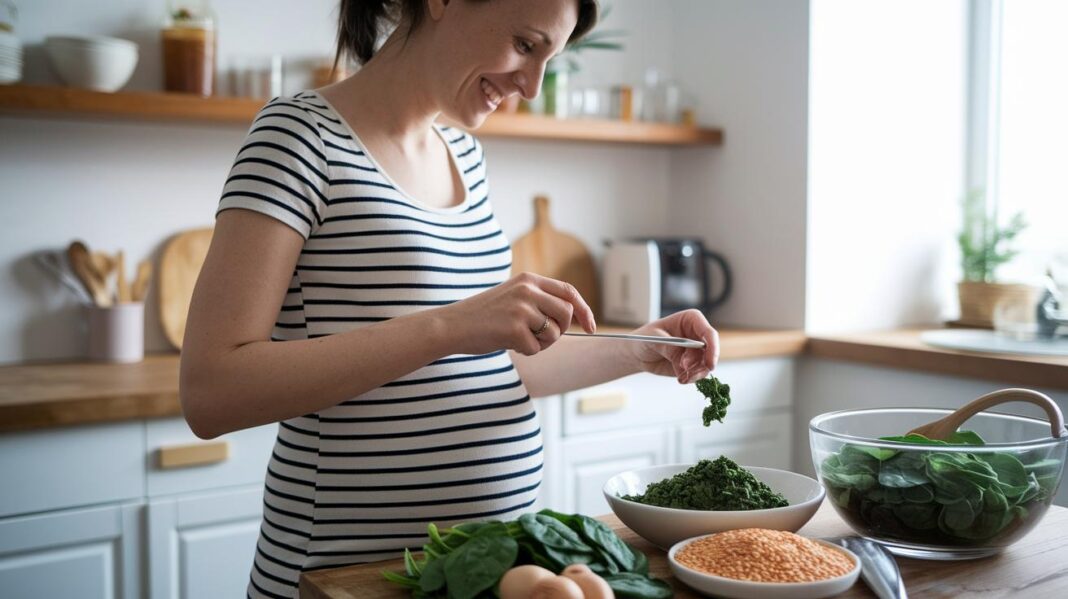
You can boost your iron naturally by enjoying foods like spinach, tofu, and beans. A little splash of vitamin C from an orange or a lemon can help your body absorb even more iron.
These simple, tasty options can keep you feeling strong while supporting your baby’s growth. Isn’t it amazing how small changes can make a big difference?
Plant-based iron sources for maternal nutrition: Thrive
Pregnancy brings lots of changes, and your body needs about 27 mg of iron every day to handle nearly a 50% increase in blood volume. Iron helps form hemoglobin, the protein that carries oxygen in your blood, and it supports your baby's brain development, keeps your immune system strong, and even helps your skin look healthy.
When you choose plant-based iron, you're getting non-heme iron. It isn’t absorbed as easily (only about 5–15% gets used), but there are simple ways to boost how much your body takes in. Try pairing it with vitamin C, this combo can triple the amount of iron you absorb. You might add a squeeze of lemon over a kale salad or toss some bell peppers into a tofu stir-fry. Think of it like adding a burst of sunshine to your meal, helping your body make the most of every bite.
Including foods like legumes, tofu, quinoa, spinach, and pumpkin seeds can help keep anemia at bay. Imagine starting your day with a bowl of fortified cereal and a glass of fresh orange juice, a combination that's healthy and comforting. Plus, cooking an acidic dish, like a tomato bean stew in a cast iron pan, can add an extra 2–3 mg of iron to your meal.
These easy tips not only help you meet your iron needs but also support your overall health and your baby’s development during this special time.
Top Botanical Ferrous Superfoods for Expectant Mothers
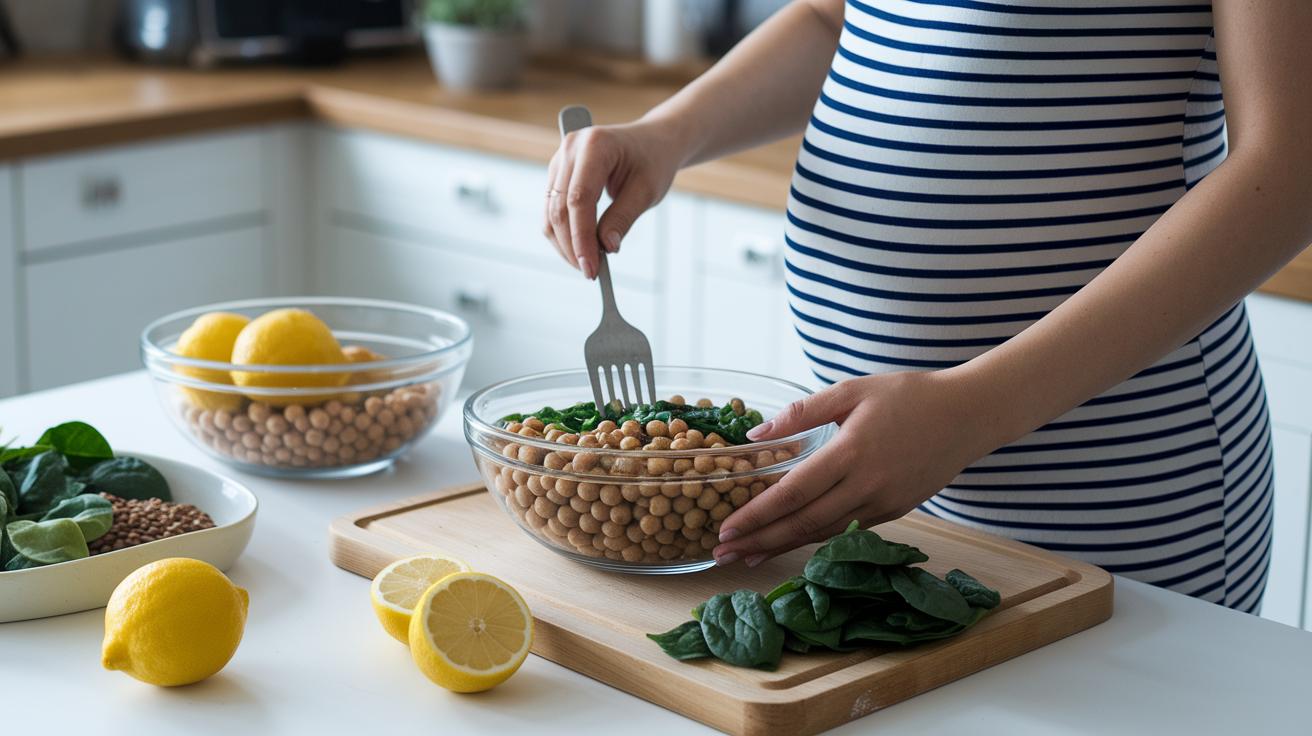
Eating iron-rich, plant-based foods can really support both you and your little one. Foods like lentils, chickpeas, and different kinds of beans are great sources of iron. Imagine enjoying a simple chickpea salad with a squeeze of fresh orange, it’s an easy way to boost your iron intake with a side of vitamin C magic!
Leafy greens like spinach and kale are also a hit. A quick sauté of spinach or a bright kale salad with a splash of lemon not only brings color to your plate but also helps your body absorb the iron better.
Other options include seeds, nuts, tofu, quinoa, and fortified cereals. Grab a small handful of pumpkin seeds or almonds for a snack, whip up a tofu stir-fry with veggies, or mix quinoa into your favorite grain bowl. These foods add their own special nutrient boost to your everyday meals.
Check out the table below for a quick look at these iron-packed foods, how much iron they offer, and some simple ideas to include them in your meals:
| Food | Iron (mg per serving) | Usage Example |
|---|---|---|
| Lentils | 6.6 per 100 g | Great in soups or stews |
| Chickpeas | 2.9 per 100 g | Chickpea salad with a vitamin C boost |
| Spinach | 2.7 per 100 g | Sautéed or in fresh salads |
| Kale | 1.5 per 100 g | Tossed with a drizzle of lemon juice |
| Pumpkin Seeds | 3.3 per 28 g | A handy snack or sprinkled over oatmeal |
| Tofu | 5.4 per 100 g | Stir-fried with your favorite veggies |
| Quinoa | 2.8 per 100 g | Mixed in a hearty grain bowl |
| Fortified Cereals | Up to 18 per serving | A nutrient-packed start to your day |
Strategies to Enhance Non-Heme Iron Absorption in Vegan Diets
Try pairing foods rich in vitamin C with plant-based iron sources to really boost how much iron your body takes in, sometimes up to three times more! For example, a splash of lemon juice over a crisp spinach salad can feel like a little burst of sunshine helping your body absorb that precious iron.
Watch out for things that might slow you down. Drinks like coffee or tea, and even foods like eggs and dairy, can have substances (like polyphenols and calcium) that block iron absorption. It might help to enjoy these a little later, away from your main iron-packed meals, so your body gets the full benefit.
Another neat trick is cooking your favorite acidic dishes, think tangy tomato sauce or a warm bean stew, in a cast iron pan. This method can add an extra 2–3 mg of iron per serving while keeping all the other good nutrients intact.
And here’s an interesting fact: traditional cooking methods like fermentation or soaking sprouted grains lower the levels of phytates that can hold iron back. Ever try a spoonful of tangy sauerkraut with your leafy greens? It really sets the stage for your greens to work smarter when it comes to absorbing iron.
Vegan Meal Ideas and Recipes for Iron-Rich Prenatal Nutrition
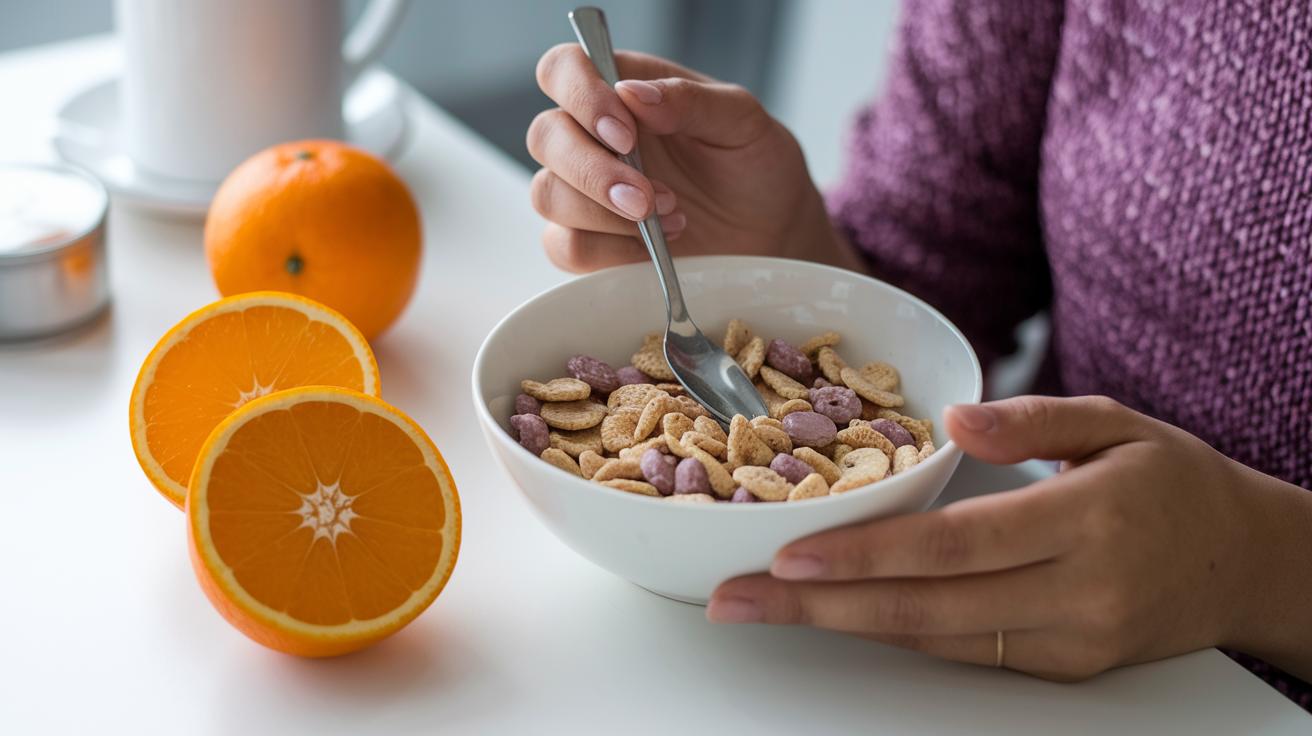
Imagine starting your morning with a bowl of fortified cereal that gives you 18 mg of iron, paired with fresh orange slices rich in 70 mg of vitamin C. It’s a simple, tasty way to begin your day feeling nourished and cared for.
For lunch, consider a colorful quinoa salad mixed with vibrant kale and hearty chickpeas. A drizzle of lemon-tahini dressing adds a tangy zing that helps your body absorb the plant-based iron even better.
Sometimes, you need a little pick-me-up. A handful of almonds, pumpkin seeds, and dried apricots work together as a balanced snack that offers both iron and natural vitamin C in every bite.
Dinner can be cozy and comforting too. A warming lentil and spinach curry, gently simmered in a cast iron pan to boost its iron content by an extra 2–3 mg, pairs wonderfully with a side of steamed broccoli packed with vitamin C.
When you’re in the mood for something light, blend up a smoothie with fresh spinach, strawberries that contribute about 85 mg of vitamin C, a banana, and fortified plant milk. This refreshing drink brings together all the goodness your body needs.
| Meal | Iron Source & Mg | Vitamin C Source & Mg |
|---|---|---|
| Breakfast | Fortified Cereal (18 mg) | Orange Slices (70 mg) |
| Lunch | Quinoa Salad with Chickpeas & Kale | Lemon (from Lemon-Tahini Dressing) |
| Snack | Almonds & Pumpkin Seeds | Dried Apricots |
| Dinner | Lentil and Spinach Curry (cooked in cast iron) | Steamed Broccoli |
| Smoothie | Spinach & Fortified Plant Milk | Strawberries (85 mg) and Banana |
Supporting Iron Intake with Supplements and Culinary Tools
Have you ever wondered if you're getting enough iron? Sometimes, a little help from supplements like ferrous sulfate, ferrous gluconate, or vegan-friendly iron formulas can be just what you need. Think of these as a gentle boost to fill in any gaps your plant-based diet might leave.
Another smart trick is adding probiotic foods such as miso or kimchi to your meals. They help lower the phytate (a natural substance in plants) that can block iron absorption. Imagine savoring a tangy spoonful of kimchi with your meal, quietly helping your body absorb more iron.
Fermented foods like tempeh work in a similar way by making it easier for your body to use the iron from your food. The result? You feel nourished and full of energy.
And don’t forget about your kitchen tools! Cooking your tomato-based stews in a cast iron pan can add an extra 2-3 mg of iron to each serving. This little change turns everyday cooking into a simple act of care that supports your health and plant-based nutrition.
Monitoring Iron Status and Preventing Deficiency in Pregnancy
Regular blood tests help us keep an eye on your hemoglobin and ferritin levels, so any hint of low iron is caught early. Imagine looking at your test results and seeing everything in balance, it feels like a little celebration for your health. Your doctor might adjust your iron supplements to fit your needs, tailoring the dosage so you and your baby have the energy you need.
Be sure to listen to your body. If you feel extra tired, notice a pale look, or get dizzy, it might be a gentle signal to check in on your nutrition during these busy months. For instance, if a normal day leaves you unusually exhausted, it could be time to chat with your provider about tweaking your iron intake.
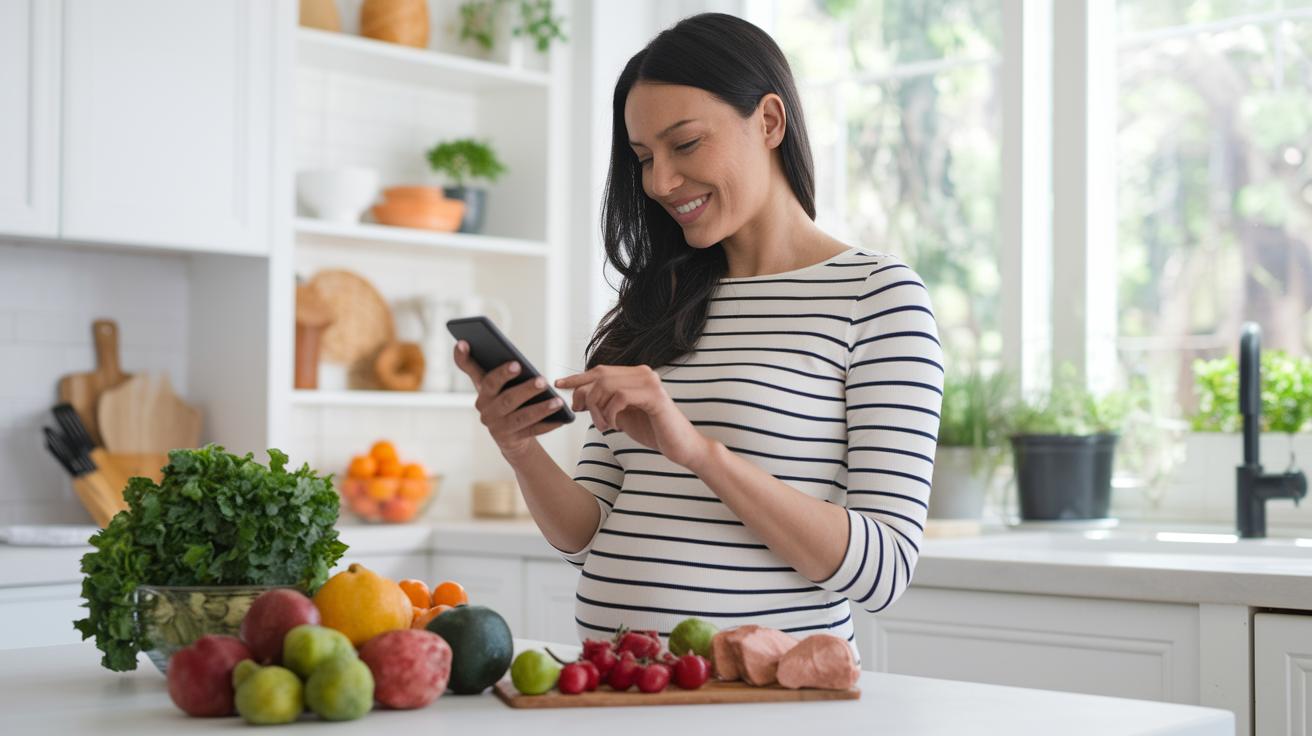
Many moms find that a simple nutrition app is a great way to track the daily goal of 27 mg of iron. It lets you log your meals and see a clear snapshot of your intake, acting as a gentle nudge to keep you on track. Regular checkups and small adjustments help ensure you and your little one get just the right amount of iron to thrive.
Final Words
In the action, we explored how iron supports both mom and baby. We broke down the value of plant-based iron sources for maternal nutrition and highlighted smart pairings with vitamin C to boost absorption. We shared food ideas, useful kitchen tips, and ways to track iron levels to give every meal a boost. Every piece of advice is designed to help you feel confident and cared for. Embrace these practical strategies and celebrate every healthy step forward!
FAQ
FAQs
What are iron-rich vegetarian foods for anemia?
The iron-rich vegetarian foods for anemia include options like lentils, chickpeas, spinach, tofu, and fortified cereals. They help boost hemoglobin levels and ward off anemia with plant-based goodness.
What are some iron-rich foods for a vegetarian Indian diet?
The iron-rich foods for a vegetarian Indian diet often feature lentils, chickpeas, spinach, and fortified grains. They support healthy iron levels and add familiar, flavorful staples to meals.
Which iron-rich vegetarian foods are recommended for pregnancy?
The iron-rich foods for pregnancy on a vegetarian diet include beans, lentils, spinach, tofu, and fortified cereals. These choices help meet the increased iron needs for both mom and baby.
What are the top 10 iron-rich foods for vegetarians?
The top 10 iron-rich foods for vegetarians are lentils, chickpeas, kidney beans, tofu, spinach, kale, quinoa, fortified cereals, pumpkin seeds, and almonds, offering a balanced boost of non-heme iron.
What iron-rich snacks are beneficial for a pregnant lady?
The iron-rich snack for a pregnant lady might include a mix of almonds, pumpkin seeds, and dried apricots. This combination provides a tasty boost of iron and is easy to enjoy on the go.
How can I naturally increase iron levels during pregnancy?
The approach to naturally increasing iron during pregnancy includes pairing plant-based iron sources like spinach with vitamin C-rich foods, and using cast iron cookware to add extra iron during cooking.
What is the highest plant-based source of iron?
The highest plant-based source of iron is often found in fortified cereals and lentils, which deliver the richest concentration of non-heme iron to help support a balanced vegetarian diet.
What vegan foods are high in iron for babies?
The vegan foods high in iron for babies include pureed lentils, fortified cereals, and blended greens paired with vitamin C-rich fruits. These options help ease the transition to solid foods with proper iron levels.