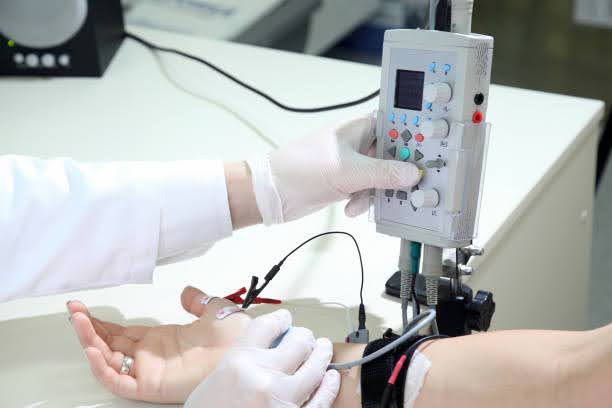
Have you ever wondered why even healthy moms sometimes feel extra tired or a bit off during pregnancy? It might be that your body isn’t getting all the nutrients it needs. Simple nutrients like iron, folate, and vitamin D can make a big difference in how you feel and how your baby grows. Even tiny gaps in these key nutrients can leave you feeling drained or may cause more serious issues. Today, let’s take a friendly look at these common nutrient gaps and see how a balanced diet can help you feel better every day. Keep reading to discover how these simple nutrients really matter.
Identifying Key Nutrient Gaps in Maternal Health: Risks & Implications
Taking care of both mom and baby starts with making sure the right nutrients are in the diet. Simple food sources of iron, folate, calcium, vitamin D, iodine, and omega-3 fatty acids work together to keep mom healthy and help the baby grow. Iron helps make hemoglobin, a protein in the blood, and not getting enough can cause tiredness and even lead to early delivery. Folate supports cell growth and even helps lower the risk of serious birth defects.
Eating a balanced diet during pregnancy fills in these important gaps. When moms follow a nutritious diet, it helps guard against anemia, weak bones, and other health problems. Even a small boost in essential vitamins and minerals goes a long way toward a smooth recovery and a healthy baby. Many moms find that meeting these increased needs can be a challenge, so recognizing and addressing gaps early on is truly essential.
| Nutrient | Estimated Prevalence | Maternal Risks | Fetal Risks | Recommended Intake |
|---|---|---|---|---|
| Iron | ~38% | Anemia, fatigue | Preterm delivery, low birth weight | ~27 mg/day |
| Folate | High in some regions | Issues with DNA synthesis | Neural tube defects | 400–800 mcg/day |
| Calcium | Variable | Bone loss, hypocalcemia | Skeletal issues | 1000 mg/day |
| Vitamin D | 50–70% | Preeclampsia, fatigue | Low birth weight, hypocalcemia | 600–2000 IU/day |
| Iodine | ~60% | Thyroid problems | Cognitive impairments | 220 mcg/day |
| Omega-3 | ~80% | Reduced brain function | Impaired neural growth | 200–300 mg DHA/day |
It’s really important to check nutrient levels early in pregnancy. Regular screenings help doctors recommend small changes, like a dietary tweak or a supplement, to keep both mom and baby on the healthy track. By catching gaps before they become a problem, moms can feel reassured and supported every step of the way.
Iron Deficit and Anemia Risks in Maternal Health

Iron is really important because it helps your body make hemoglobin, the part of your blood that carries oxygen. During pregnancy, you need about 1,000 mg more iron so both you and your baby get the oxygen required to grow strong and healthy. Still, roughly 38% of expecting moms deal with low iron levels, which can leave you feeling exhausted, lower your defenses, and even raise the risk of heavy bleeding after birth. For your baby, not getting enough iron might lead to being born too soon, having a low birth weight, or facing delays in development.
Foods like lean meats are packed with iron, and pairing them with fruits rich in vitamin C can really help your body absorb it better. But watch out, foods like whole grains and legumes have something called phytates that can make it harder for your body to grab onto the iron. Also, your body’s own hormone, hepcidin, can change how much iron gets absorbed.
The best way to avoid an iron shortage is by keeping your diet balanced, and sometimes adding a supplement can be just the boost you need. Try to mix iron-rich foods with vitamin C-packed ones, and you'll really notice a difference. And if you’re not sure you’re getting enough iron, it might be a good idea to talk with your healthcare provider about a prenatal iron supplement. This simple step can help make sure that both you and your baby have the iron you need, keeping you both on track for a healthy, happy journey.
Folate Shortage Complications and Uptake Influences in Maternal Health
Folate is very important because it helps your body make DNA and red blood cells, two things that are really key when you're preparing for a baby. Getting about 400 to 800 mcg each day before and during pregnancy can support healthy cell growth and keep you feeling your best.
Not having enough folate can turn into a big problem. It can raise the risk of neural tube defects, like spina bifida or anencephaly, by up to 30%. The good news is that starting a folate supplement early can lower that risk by roughly 70%. It’s a simple way to help protect both you and your little one.
Sometimes, your body might not absorb folate well because of genetic factors (like MTHFR gene differences) or digestive issues. So, if you’re finding it hard to get enough from food alone, it might be helpful to chat with your healthcare provider about a folic acid medication to keep your folate levels in check.
Calcium Deficit Concerns for Maternal Bone Strength and Blood Function

Calcium helps both you and your baby in so many ways during pregnancy. It builds your baby’s little bones and keeps your own bones strong, too. Almost all calcium in our bodies is stored in our bones and teeth, which is why aiming for about 1,000 mg a day is so important. It even helps your blood clot properly and makes sure your muscles work just right.
When you don’t get enough calcium, it can leave your bones feeling a bit weaker and might even increase the risk of pregnancy complications like preeclampsia. And if the baby doesn’t get enough calcium, they might experience something called neonatal hypocalcemia, which can affect their heart and muscles. In other words, keeping a steady calcium intake is key to keeping both of you healthy as your body goes through changes.
One easy way to hit that 1,000 mg goal is to add calcium-rich foods to your meals. Dairy items like milk, cheese, and yogurt are great sources. If you prefer plant-based options, try fortified plant drinks, leafy greens, or even a handful of almonds. A few small changes in your daily routine can really add up and make a big difference for you and your little one!
Vitamin D Scarcity Impacts in Maternal Health and Fetal Development
Vitamin D is really important because it helps your body soak up calcium and keeps your immune system steady. When you're pregnant, vitamin D helps to balance calcium levels. This is key for building strong bones and keeping muscles working well. Studies even show that many expectant moms, about half to two-thirds, have lower vitamin D levels. Most women need about 600 IU a day, though some might have to take as much as 2,000 IU to feel their best. It’s clear that vitamin D supports both your bones and your overall health during pregnancy.
Low vitamin D can sometimes lead to issues like high blood pressure in pregnancy (preeclampsia), gestational diabetes, and even changes in mood after the baby arrives. For your little one, not having enough vitamin D may be linked to lower birth weight and other challenges like low calcium levels right after birth. These are big reasons to check on your vitamin D levels as you move through your pregnancy.
A mix of safe sunlight exposure and careful vitamin D supplements can help manage these risks. Just a little time outside can boost your vitamin D naturally, and your doctor can help you figure out the right supplement dosage just for you. Taking these steps can help you feel more secure in your health and support your baby’s growth during this precious time.
Emerging Micronutrient Shortages in Maternal Health: Iodine, Omega-3, Choline, and Zinc
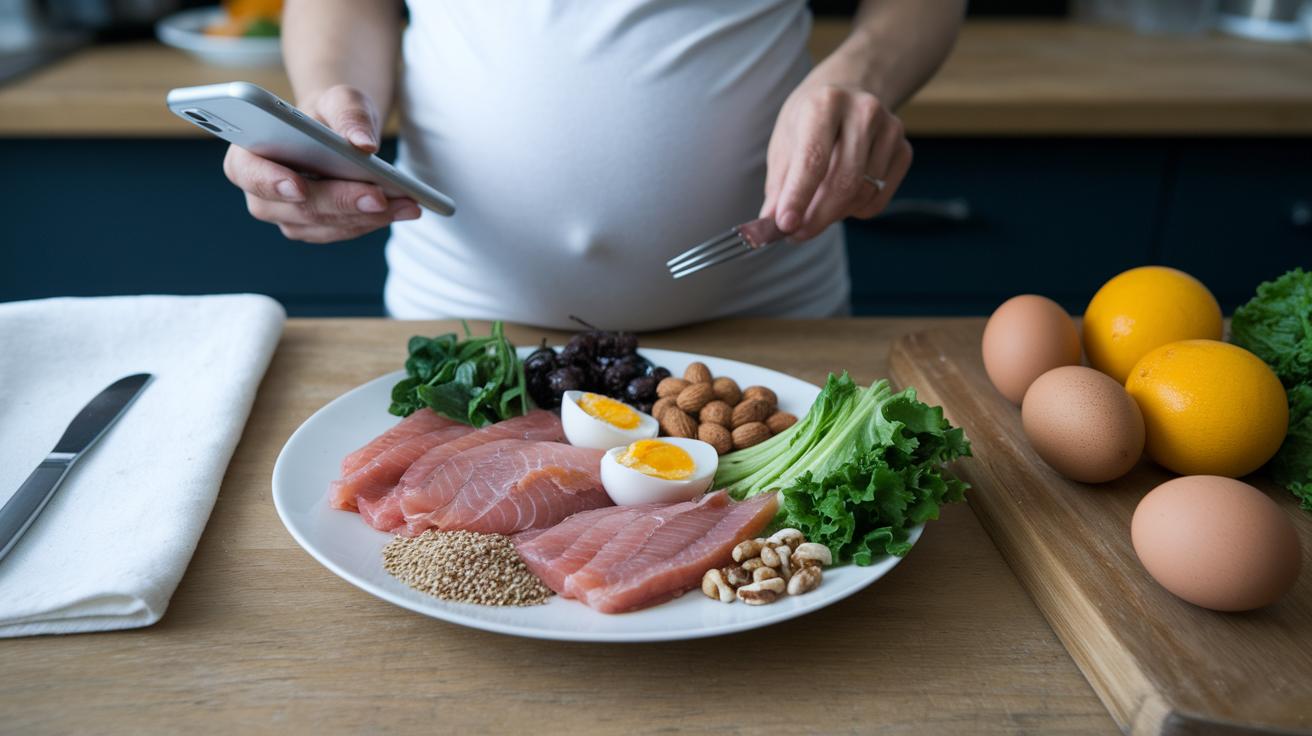
When you're preparing meals during pregnancy, it's easy to only think about iron and calcium. But there are other vital helpers on your plate too. Iodine, omega-3, choline, and zinc are key nutrients that support your baby’s brain growth, vision, and even mood while keeping you healthy.
Regularly checking your diet to meet these targets can make all the difference. Here’s a quick look at what you need and where to find them:
| Nutrient | Daily Target | What Many Moms Experience | Top Food Sources |
|---|---|---|---|
| Iodine | 220 mcg/day | About 60% fall short | Seafood, dairy products, iodized salt |
| Omega-3 (DHA/EPA) | 200–300 mg DHA/day | Nearly 80% have gaps | Fatty fish, flaxseeds, walnuts |
| Choline | 450 mg/day | Roughly 90% don’t reach the goal | Eggs, lean meats, soybeans |
| Zinc | 11 mg/day | Low levels can affect birth weight | Meat, beans, whole grains |
It can help to view each meal as a team of little supporters, each nutrient playing a special role. Regular screening and a mix of nutrient-rich foods can guide you to adjust your diet with confidence. Imagine your daily plate coming together like a favorite family recipe where every ingredient has a purpose, nurturing both you and your baby for a strong start and lasting well-being.
Preventive Diet Strategies for Balanced Micronutrient Status in Maternal Health
Imagine your daily plate as a colorful puzzle, where each piece plays an important role. Instead of listing every detail, think about pairing iron-rich foods with vitamin C (like having an orange with your spinach). This way, you’re supporting your body with other essential nutrients like omega-3, folate, calcium, choline, and zinc. It’s like stacking building blocks, each food choice helps build a strong and healthy foundation.
Sometimes, even a balanced diet might not cover everything you need. That’s why many experts suggest adding the right supplements, especially if getting fresh foods is a bit of a challenge. Research shows that using a blend of micronutrient supplements can reduce nutrient shortages by nearly half. If you’re wondering about specific pairings or amounts, think back to those earlier tips and details.
Putting it all together, a wholesome diet along with smart supplements, helps fill in the gaps so you and your baby can thrive. It’s a caring, simple plan that supports your well-being every day while giving your little one the best start in life.
Final Words
In the action, this article broke down key nutrient gaps from iron and folate to calcium, vitamin D, iodine, and omega-3.
We explored how a balanced diet and thoughtful food pairings lower risks for both moms and babies.
Taking charge of common nutritional deficiencies in maternal health now can make everyday life brighter.
Small, inspired changes can lead to healthier days ahead, keeping you confident in nurturing your own family's well-being.
FAQ
What effects do nutritional deficiencies have during pregnancy?
Nutritional deficiencies during pregnancy impact both moms and babies by increasing risks like fatigue, anemia, low birth weight, and developmental issues. These gaps can also lead to more serious complications during delivery.
What is maternal nutrition and why is it important for fetal development?
Maternal nutrition means the balance of nutrients a mom eats to support her health and her baby’s growth. It helps ensure proper fetal development and reduces risks of birth defects and other complications.
What common nutritional deficiencies and problems do pregnant mothers face?
Pregnant mothers often experience gaps in iron, folate, calcium, vitamin D, iodine, and omega-3 fatty acids. These deficiencies can lead to issues like anemia, preterm birth, neural tube defects, and developmental delays.
What is the most common nutrient deficiency during pregnancy?
Iron deficiency is the most common in pregnancy; it can lead to low blood count, fatigue, and increased risks for both preterm birth and low birth weight, making it important to manage through diet and supplements.
Where can I find reliable maternal nutrition resources like PDFs or PPTs?
Reliable maternal nutrition resources, including PDFs and PPTs, are available through trusted evidence-based health sites that offer detailed insights and practical guidelines to support a healthy pregnancy.