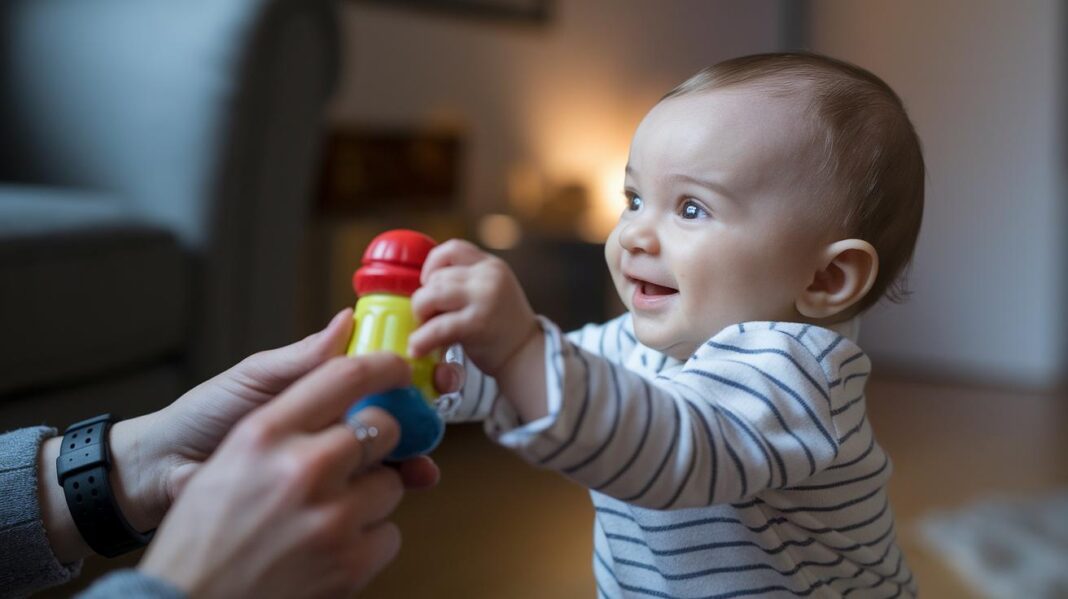
Have you ever wondered how babies manage to chat without saying a single word? Their little smiles, tiny blinks, and soft coos speak volumes about how they feel.
In those first few months, even a gentle smile or a quiet blink connects them to us in a special way. As they grow, their gestures become more animated, giving us hints about their moods and needs.
Let's explore these early signals that show just how beautifully little ones share their feelings, even before they learn to speak.
Key Infant Nonverbal Communication Milestones by Age
From the moment they arrive, babies start using cries and gestures to let us know how they feel. Crying is their first way to say they need something, and it builds the base for all the nonverbal chats that come later.
In the first 0 to 3 months, little ones begin to explore their world using all their senses. Around 6 weeks, many start smiling when they see a kind face or hear a soft, gentle voice. That smile can light up a room, it reassures the baby and gives comfort to anyone caring for them. It’s a small moment that really makes both sides feel connected.
When babies reach 3 to 6 months, they start to become more aware of what’s going on around them. They track moving objects with their eyes, turn their heads when they hear a familiar voice, and make soft cooing sounds. It’s like they’re saying, “I see you, and I’m happy you’re here.”
Between 6 and 12 months, their communication becomes even more lively. This is a time of vocal play, babies experiment with different sounds and begin using simple gestures like reaching or pointing. They might even copy a facial expression or nod their head. These little acts are the first hints of how they will learn to talk and connect with others.
| Age Range | Key Milestones |
|---|---|
| At Birth | Uses crying to speak up for needs |
| 0–3 Months | Begins exploring senses; social smile often appears by 6 weeks |
| 3–6 Months | Starts tracking movement, making eye contact, and cooing in response to voices |
| 6–12 Months | Enjoys vocal play and simple gestures; begins to mimic facial expressions and nod |
These milestones show how babies start talking without words and growing more aware of their feelings and the loving people around them.
Nonverbal Facial Expressions and Emotional Cues in Infants
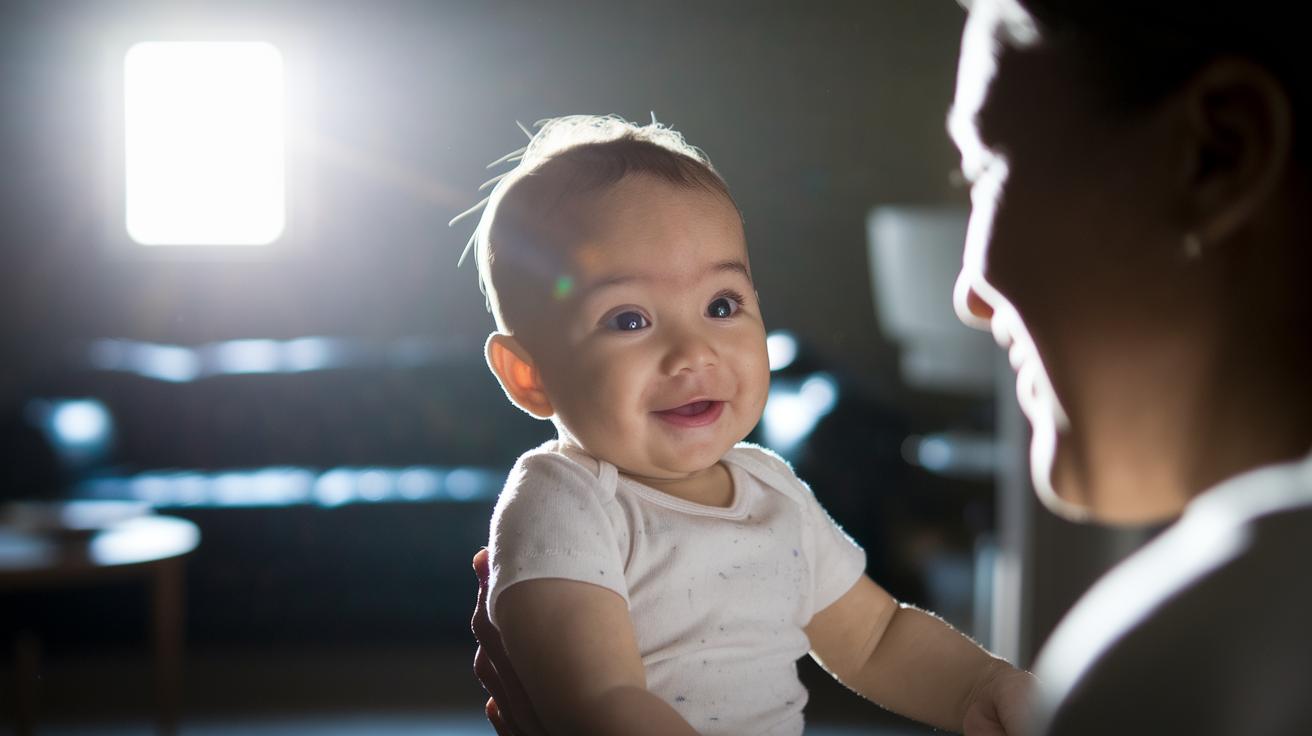
At 0–3 months, babies begin to show gentle smiles and soft coos. These early actions help them bond with the people around them. For instance, when a parent offers a kind smile, the baby might return it as a tiny thank-you.
From 3 to 6 months, baby faces become more animated. They respond with happy smiles and joyful coos when they hear familiar voices. Sometimes, you might notice a quick, small expression that hints at how they’re feeling, like when a calm voice brings a brief smile.
Between 6 and 9 months, clear feelings start to show. Babies can display excitement with sparkling eyes and open smiles, or they might signal discomfort with a fleeting frown. These little expressions help them share their feelings without words.
By 9 to 12 months, babies use their faces to guide their interactions. A slight upward curl of the lip might be their way of asking for comfort from a caring parent. These subtle cues build a quiet, strong dialogue between baby and caregiver.
Nonverbal Gesture Development and Body Signals in Infants
When babies are born, they move their arms automatically when they feel upset or startled. As they grow, these movements become more intentional. By about 4 to 6 months, their reaching and grabbing actions show clear purpose. For example, a baby might pick up a favorite toy or reach out to show a new object, almost like silently inviting you to share a special moment.
Pointing as Intent
Around 8 to 10 months, babies start to point with their index finger. This simple gesture tells you they want to share something interesting. Imagine a little one pointing at a car as if to say, "Look at that big, red car!" It’s a sweet, early way of communicating without using words.
Waving as Social Greeting
Between 9 and 12 months, babies learn to wave as a friendly greeting. They watch their caregivers and copy the happy gesture. A little, excited wave during play might say "hello" or "goodbye" without any words at all. It’s a cheerful way for them to join in social fun.
Head Nodding and Shaking
By their first birthday, you may notice babies nodding or shaking their heads. These movements act like early "yes" or "no" signals. A nod might mean they agree or understand, while a shake could mean "no thanks" or uncertainty. Picture a baby nodding at a tasty treat, a gentle and clear message just for you.
Infant Nonverbal Communication Milestones Spark Joyful Growth
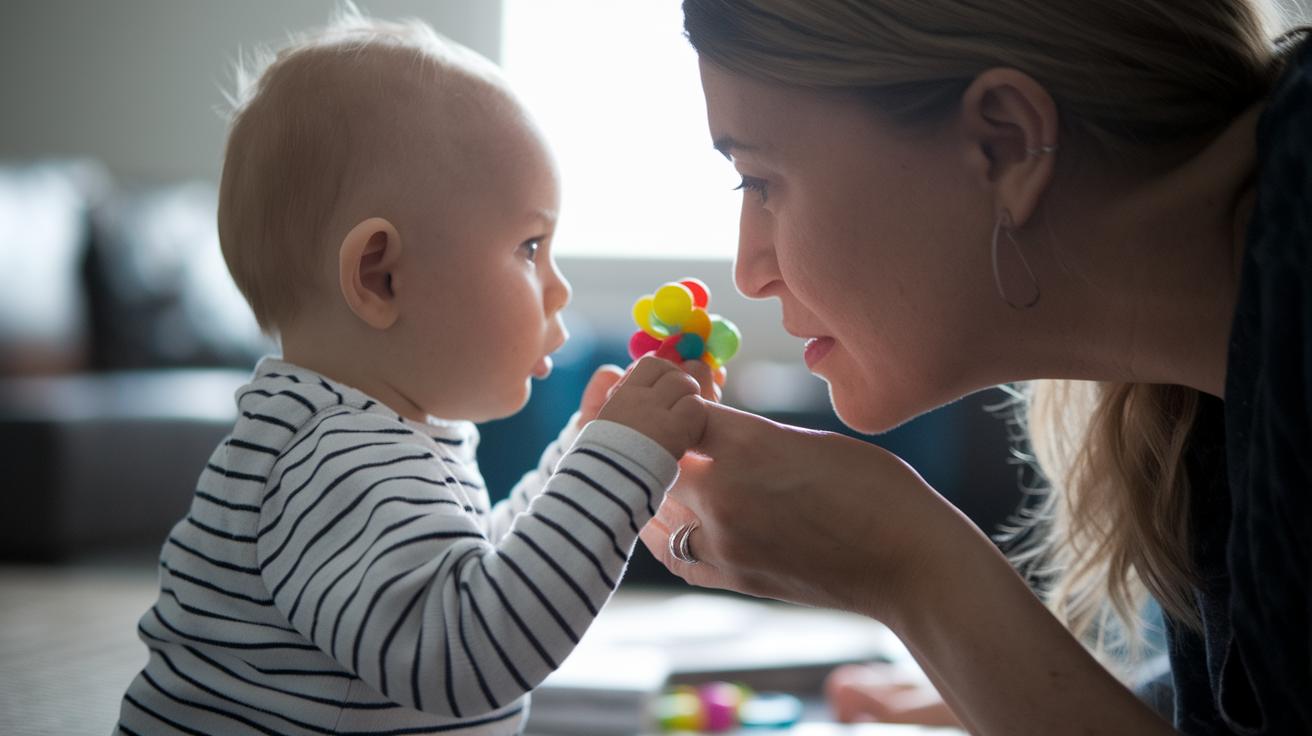
From birth, little ones start using their eyes to connect with the world around them. In the first 0–3 months, babies gently follow moving objects and faces. Think of a sweet baby fixating on a drifting mobile above the crib, eyes wide open as if they’ve just discovered a little bit of magic.
Between 3 and 6 months, you might notice that babies begin to hold eye contact and turn their heads toward familiar voices. When someone they love speaks, the baby often locks eyes, showing that a strong bond is growing. This special look helps build trust and fills the room with warmth.
From 6 to 9 months, babies start to join in on what we call joint attention. They watch as caregivers shift their focus between various objects, and soon the baby follows along. Imagine a parent pointing to a bright, colorful toy while the baby’s curious eyes travel in unison, a quiet, joyful conversation shared without words.
By 9 to 12 months, babies engage in a back-and-forth gaze often known as dyadic synchronization. This mutual looking means they’re not just seeing; they’re sharing feelings and attention. These simple yet powerful visual milestones show how a little eye contact can deepen the emotional bond between a baby and their caregiver.
Preverbal Vocalizations and Paralinguistic Behavior Milestones
Right from the start, babies cry to tell you what they need. Their cries can be soft or loud, high or low, and each one is a little message saying whether they’re hungry, uncomfortable, or simply in need of some extra love.
By about 2 months old, you might notice a change. Babies begin making soft, prolonged "oooh" and "aaah" sounds. It’s like they’re gently testing out different noises, getting ready for more words later on.
Then, between 4 and 6 months, something really sweet happens, babbling. You might hear simple sounds like "ba" or "ma," and every little babble is a joyful step toward learning language. One mom even said her baby’s first babble felt like a warm hello.
From 6 to 9 months, babies start to chat back and forth with you. They respond to your words with their own sounds as if having a mini-conversation. By 9 to 12 months, those babbles begin to mix into lovely loops like "mamama," setting the stage for their very first words. Isn’t it amazing how each little sound is a building block for real conversation later on?
Recognizing Atypical Infant Nonverbal Communication Patterns
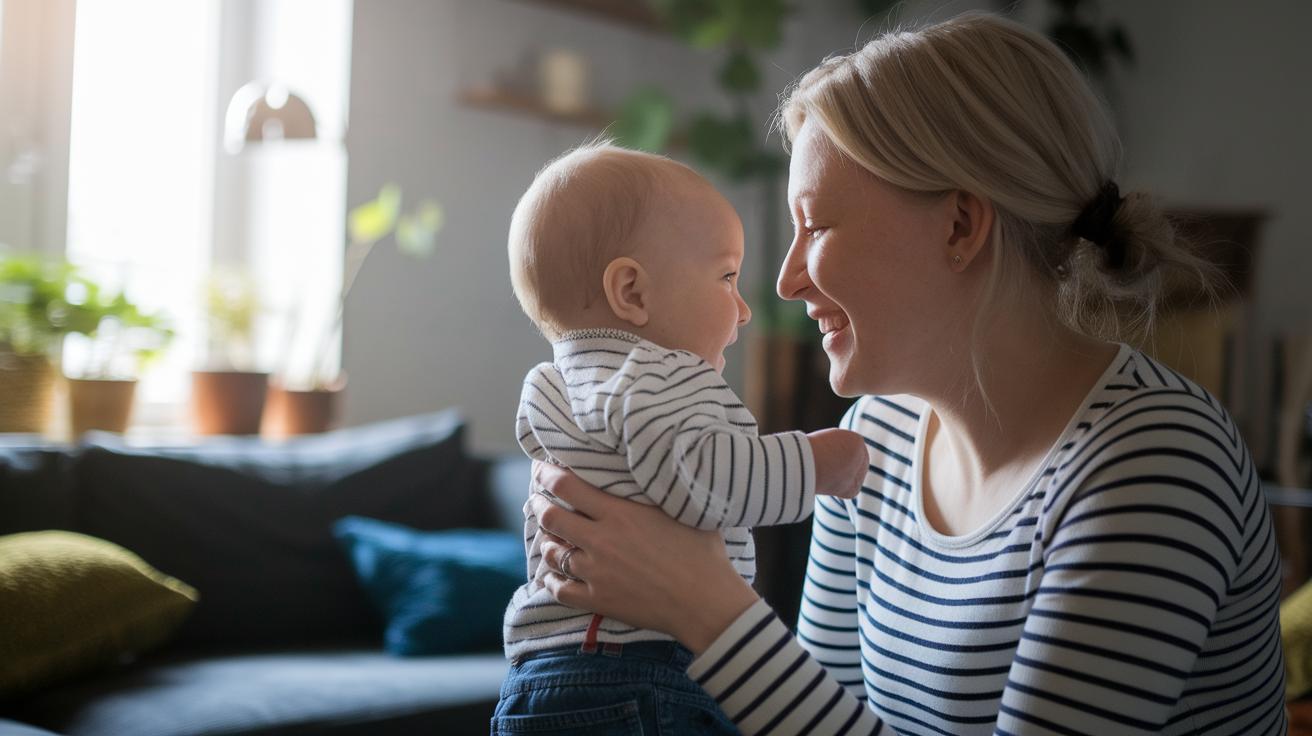
Have you ever noticed your little one not smiling or making eye contact when you expect them to? Sometimes, babies give us small signals that might mean they need a little extra care. For example, if you aren’t seeing those happy social smiles by 3 to 6 months, it might be a gentle nudge to get an extra checkup.
By the time your baby is about 6 months old, many will naturally turn toward voices or meet your eyes. If your baby is consistently unaware of these heartwarming cues, it could signal that their social responses are a bit delayed. And if by 9 to 12 months you don’t hear bouncing babbles or see simple gestures like pointing and waving, it might be time to chat with a specialist.
It’s completely okay to feel concerned. Many parents find that talking with their doctor or pediatrician brings comfort. Often, you may be guided to work with caring experts like audiologists or speech-language therapists who have experience in early intervention. These professionals can help check if your child is picking up on important social signs and offer advice to support their growing social skills.
Just a friendly reminder: if you notice these differences in your baby, don’t hesitate to reach out. Early discussions can open the door to timely assistance and a nurturing environment for your child’s development.
Strategies to Support Infant Nonverbal Communication Growth
Make time for face-to-face moments during your daily routines. When you share a smile or a soft coo back at your baby, it feels like you're saying, "I see you!" It’s these little exchanges that help your baby pick up on visual and social cues.
Try simple games like peekaboo and pat-a-cake. Imagine the fun when your face plays hide-and-seek, it’s a gentle way for your baby to learn about surprise and expressions while making eye contact and mimicking your actions.
Explain your baby’s actions as they happen. If your little one reaches out or claps, you might say, "You're waving hello!" This helps your baby connect the gesture to its meaning.
| Technique | Description |
|---|---|
| Face-to-face mimicry | Your mirror image builds a strong base for chatting through expressions. |
| Interactive games | Fun games like peekaboo show that actions, like hiding and reappearing, can create excitement. |
| Talking about gestures | By naming each little action, you help your baby understand what they’re doing. |
Adding these simple habits to your day gives your baby a nurturing space to try out expressions and gestures. Every shared smile and laugh deepens the loving bond between you both.
Final Words
In the action of nurturing baby growth, we explored how infants express needs and emotions without words. We looked at early signals from crying to smiles, gestures like pointing and waving, and the special role of eye contact. Each section shared practical steps for engaging with infants and recognizing when to seek advice. With these insights, you have a clear picture of infant nonverbal communication milestones and feel empowered to support your little one’s early interactions with care and confidence.
FAQ
What are the nonverbal communication milestones of infants?
The nonverbal communication of infants begins with crying at birth, transitions to social smiles, eye contact, and cooing in the early months, then develops into gestures like reaching and pointing as they grow.
What are the communication milestones for a 7-month-old infant?
The communication milestones for a 7-month-old include increased vocal play, intentional gestures such as reaching and occasional pointing, and improved eye contact that supports shared attention with caregivers.
What are the red flags for speech milestones in infants?
The red flags for speech milestones include missing social smiles by 3–6 months, not babbling or using gestures like pointing by 9–12 months, and not consistently responding to caregiver speech, signaling a need for further evaluation.
What are the four basic language milestones for babies?
The four basic language milestones often cover cooing with vowel sounds in early infancy, babbling with combined sounds later, recognizing familiar words, and beginning to form early words as communication skills evolve.
Where can I access infant nonverbal communication and speech development PDFs or checklists?
PDFs and checklists compile age-based charts detailing infant nonverbal and speech milestones, providing caregivers with ready-to-use, quick-reference guides to support early communication development.
What are the language development milestones for 0–3 years?
The language development milestones for 0–3 years start with early cooing and babbling, progress to understanding simple words, and eventually include forming simple sentences as infants transition into toddlerhood.