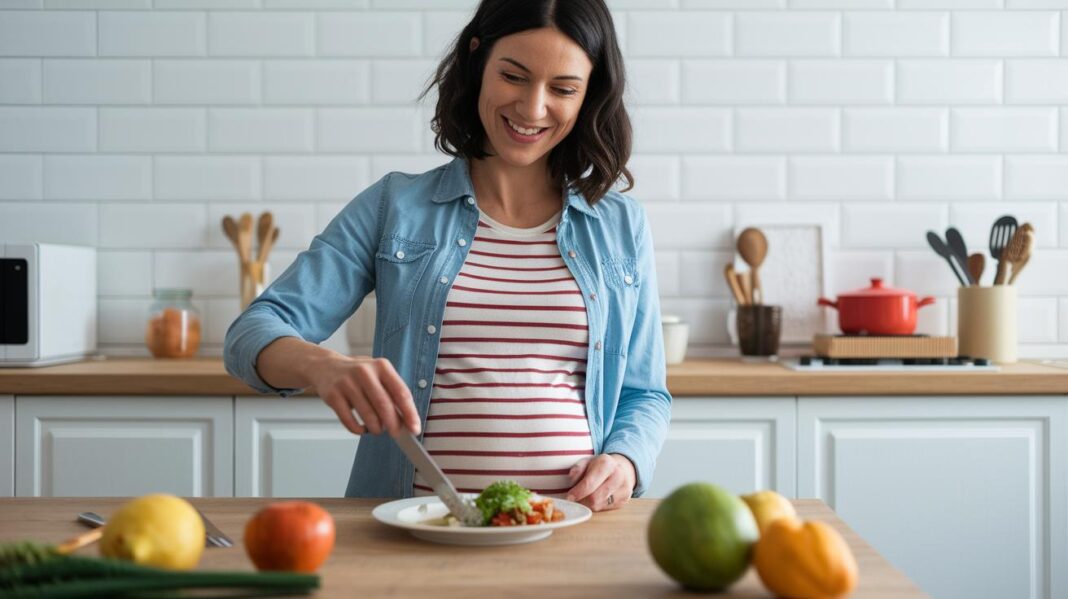
Have you ever wondered if you're really enjoying your meal or just eating to fill up? When you watch your portion sizes, you can truly savor each bite while keeping both you and your baby happy and healthy. Imagine a meal where every crunch and every flavor tells you it's just right. Even a few small changes in how much you serve can turn eating into a warm, joyful celebration of nourishment.
Understanding portion control in maternal nutrition: Joyful
Portion control means enjoying a well-balanced meal without feeling like you're cutting out the good stuff. It’s about listening to your body and knowing when to stop, so you get the nutrients you need without overdoing it. Picture sitting down for a meal and really savoring each bite, like noticing the bright colors of your salad and the delicate crunch of fresh veggies, all while your body gently signals that it’s had enough.
When we talk about portion sizes, we're referring to the amounts you choose to serve yourself based on what your body craves. In contrast, serving sizes are the measurements you see on nutrition labels, which might only be a guideline. Sometimes, the label says one serving, but your natural appetite might be calling for a bit more. By understanding this difference, you can adjust your meals in a way that keeps everything balanced and satisfying.
Focusing on portion control can also help reduce those extra, unplanned snacks or accidental overeating. It encourages you to plan your meals with care, whether that means opting for a smaller plate or dividing a meal into two parts. These thoughtful choices not only support your own health but also help you give the best care to your baby.
Recommended Maternal Portion Guidelines and Sample Servings
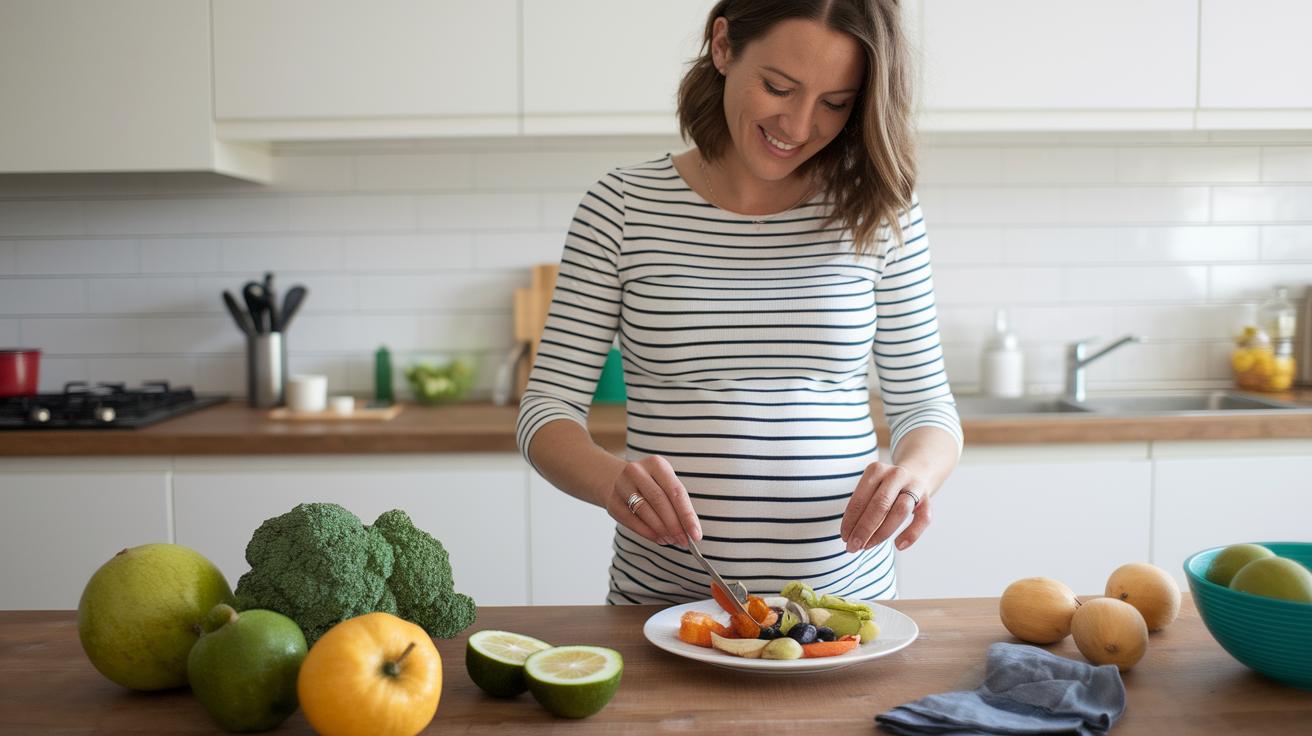
When you're expecting, a little extra energy goes a long way. Pregnant women might need about 300 to 450 extra calories each day, roughly 340 extra calories during the second trimester and around 450 in the third. Nursing moms also benefit from about an extra 500 calories daily to support milk production. It’s not just about adding calories though; it’s important to include the right mix of nutrients. For example, aiming for about 175 grams of carbohydrates and 71 grams of protein each day can help support both your energy and your baby’s growth. And adding 25–30 grams of fiber can make digestion easier, while essential vitamins and minerals like iron, folic acid, calcium, and vitamin D keep both you and your baby healthy.
Think of it like creating a balanced, colorful plate without any stress. Instead of feeling overwhelmed, imagine breaking your meal into easy, bite-size parts: proteins, whole grains, vegetables, fruits, dairy, and fats each play their part in nourishing you. A handy tip? You might use a smaller plate to gently guide your portion sizes. It’s all about assembling your meal naturally, like putting together pieces of a puzzle that fit perfectly.
| Food Group | Recommended Serving Size | Example Portion |
|---|---|---|
| Whole Grains | 1 slice or ½ cup | Whole wheat bread or quinoa |
| Proteins | 3-4 oz | Grilled chicken or tofu |
| Vegetables | 1 cup raw or ½ cup cooked | Mixed greens or steamed broccoli |
| Fruits | 1 medium or ½ cup chopped | Apple or berries |
| Dairy | 1 cup | Milk or yogurt |
| Fats | 1 tsp to 1 tbsp | Olive oil or nut butter |
Following these simple guidelines can help you enjoy balanced, nutrient-rich meals each day. Remember, every little step makes a big difference for you and your baby!
Measurement Tools and Techniques for Portion Accuracy
Using little plates and bowls can help you control how much you eat. When you serve your dinner on a small plate, your meal seems fuller, and you might feel more satisfied. It’s a simple trick that really works.
A kitchen scale or a set of measuring cups shows you the exact amount of food you have. This way, you can see clearly how much you’re preparing and keep your calories in check. For example, when making your favorite salad, use a measuring cup for the dressing, it might seem small, but it makes a big difference.
Sometimes, try serving only half of what you planned to eat and pack the rest in a to-go container. That makes you feel like you’re not missing out; you’re just pacing your meal. And when you turn off the TV or tuck your phone away, it becomes easier to enjoy your meal and eat mindfully.
Take slow bites and sip water between mouthfuls. This simple habit helps you realize when you're full and makes your meal even more satisfying.
Structuring Balanced Meals and Snack Planning for Mothers
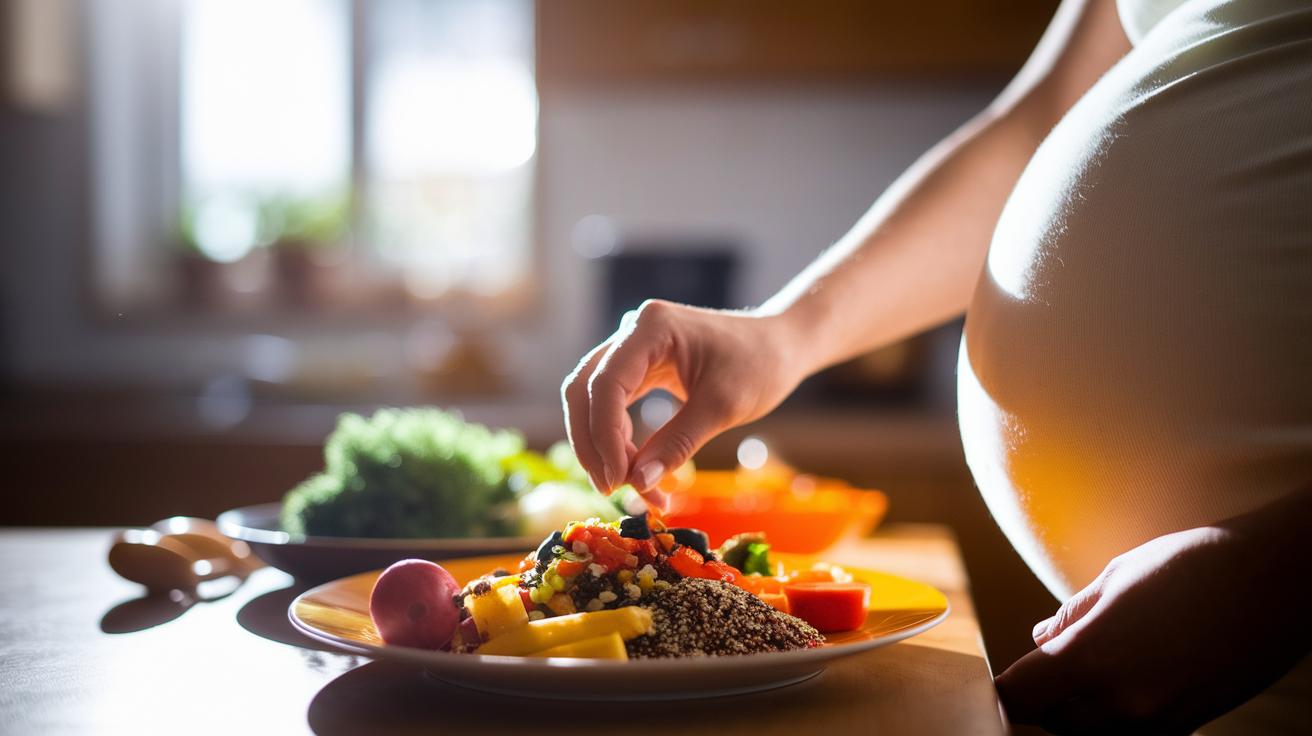
Planning your day with three main meals and two or three healthy snacks can really help keep your blood sugar steady and your energy up. It’s a gentle way to take care of both you and your baby. You might choose to have a nice meal in the morning, afternoon, and evening, with small snacks ready when hunger strikes.
Try to make every meal colorful by including lean proteins (like grilled chicken or tofu), whole grains, veggies, fruits, and healthy fats. Picture your plate filled with bright, fresh vegetables, a serving of flavorful protein, a scoop of whole grains like quinoa, and a little drizzle of olive oil. Each bite gives you essential nutrients and can even help ease common pregnancy discomforts like nausea or heartburn. Eating smaller, more frequent meals can help keep you comfortable and satisfied.
If you’re looking for snack ideas, check out Healthy snacks for maternal nutrition. Consider simple options like bite-sized pieces of fruit, a handful of nuts, or a slice of whole grain toast topped with avocado. These snacks not only fend off hunger but also add a delightful mix of flavors and textures to your busy day.
Common Portion Control Pitfalls and How to Adjust
Sometimes we think we’re hungrier than we really are, and that can lead to serving up more food than your body actually needs. On the flip side, if we underestimate our fullness, we might keep eating even when our body is saying “enough.” This mix-up can throw off your energy, leaving you feeling a bit tired later on. Skipping meals or grabbing food while rushing around only adds to the confusion, making it tougher for your body to get into a steady rhythm.
It’s not just the timing that trips us up, sometimes our emotions do too. When you find yourself reaching for a snack late at night or eating out of boredom or stress, it can be easy to lose track of how much you're actually eating. A friendly tip: if you feel a little stressed or just out of sorts, take a moment to check in with yourself. That pause might help you choose a smaller portion or find a gentler way to soothe yourself, all while keeping your mom-energy strong and balanced.
The best trick? Ease into change gradually. Try cutting back your portions by just 10–20% at a time. This small shift can help keep hunger at bay and energy just right, while also respecting your body’s natural signals. Over time, those little tweaks can lead to steady weight management and a healthier feeling in your daily routine.
Tracking Progress and Adapting Portion Plans
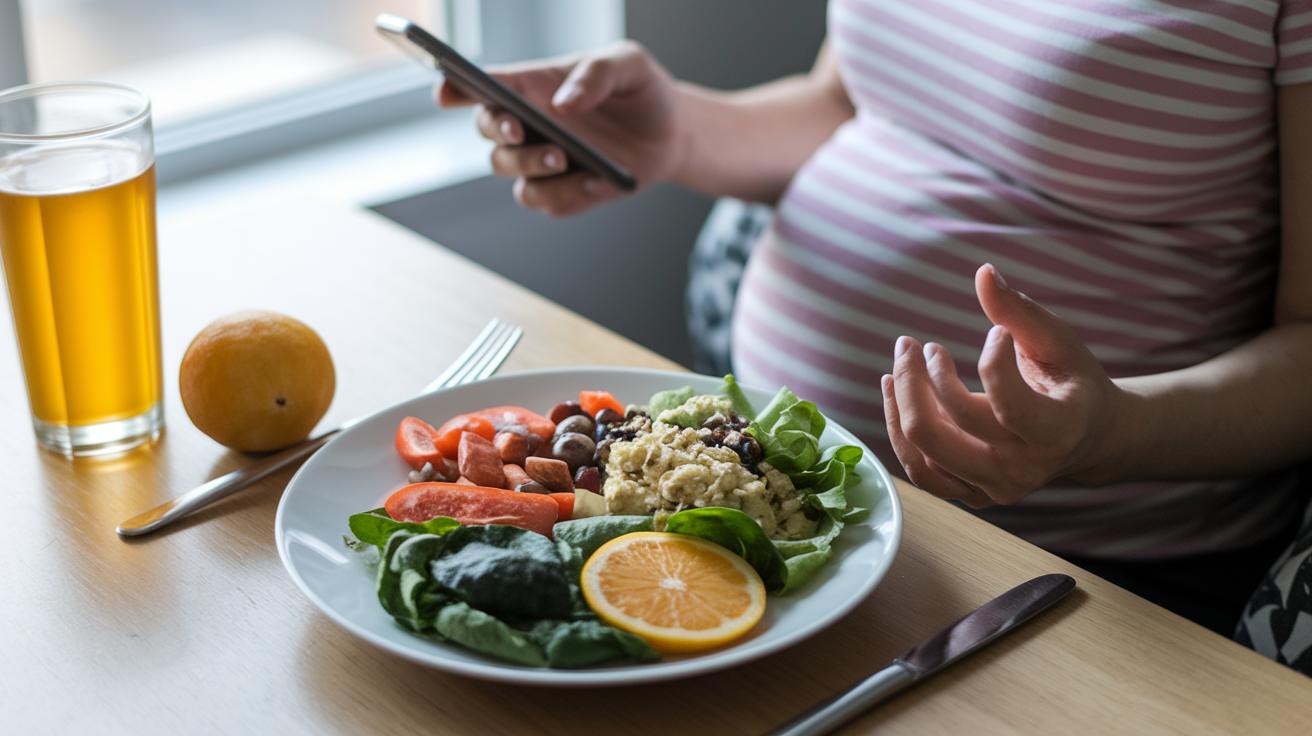
Keeping a food journal, or even using a favorite app, can really help you notice what and how much you eat. When you write down your meals, you might see little patterns, like the times when you feel full just right or when you find yourself going back for more. For example, after dinner you could note, "I ate about three-quarters of my usual serving, and I felt satisfied."
Every week or two, take a moment to check your usual portions again. This is super helpful since your appetite can change as your pregnancy moves along or if you're nursing (feeding your baby). It’s a bit like tuning a radio to catch your body’s true signals.
If you start seeing weight gain that seems to be on the higher side, say, more than the recommended 25 to 35 pounds for a normal body mass index, it might be a good time to look at your portions and tweak your plan. Think of these measurements as friendly check-ins that help you stay on track with your health goals and enjoy a variety of foods. Over time, these little observations can help you build a flexible eating plan that grows along with you and your baby.
Final Words
In the action, we explored what portion control means for maternal nutrition. We shared simple guidelines for meal planning during pregnancy and nursing and practical tips for using measurement tools. We even touched on common pitfalls and how to adjust portions gradually for a balanced diet.
Small, mindful shifts can help maintain energy and support healthy growth. Keep embracing healthy eating habits while understanding portion control in maternal nutrition.
FAQ
What is portion control?
Portion control means managing how much food you serve. It’s a way to balance meals by choosing the right amount of food, keeping nutrient needs in check for a healthier diet.
How does portion control relate to nutrition?
Portion control relates to nutrition by guiding you to eat balanced amounts, so you get proteins, carbs, fats, and essential vitamins without overeating. This helps maintain overall energy and wellness.
What are the key benefits of practicing portion control?
Portion control supports weight management, helps regulate hunger, keeps nutrient intake balanced, increases mindful eating, and aids in preventing overeating, making it especially useful when planning meals for both health and energy.
What are some methods of portion control?
Methods include using smaller plates, measuring food with cups or a scale, pre-plating servings, and eating slowly to tune into fullness cues, all of which help maintain balanced portions naturally.
What is the 5532 rule in portion control?
The 5532 rule suggests a balanced serving guideline, recommending a mix like five servings of fruits and vegetables, three servings of lean proteins, and two servings that round out your meal. It’s a tool to help keep portions even.
How can portion control plates help manage serving sizes?
Portion control plates have visual markers that divide the plate into sections for proteins, veggies, and carbs. They simplify balancing your meal by showing you the right amount for each food group.
How do food serving sizes charts and gram measurements support weight loss?
Food charts and gram measurements give clear guidelines on serving amounts. They help reduce overconsumption by showing the precise portions needed, which can be a smart step in weight loss.
How can cutting portion sizes lead to weight loss?
Reducing portion sizes lowers overall calorie intake while still giving you essential nutrients. This small change in meal planning can contribute to gradual, sustainable weight loss over time.