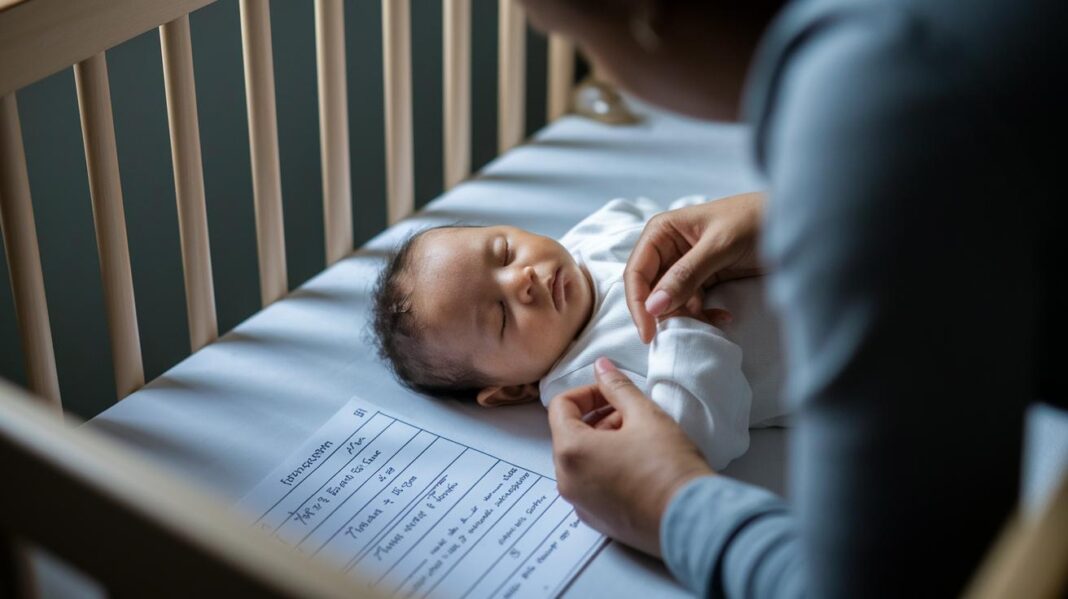
Ever notice how each little nap might be a building block for your baby’s growing skills? In those first few months, every sleep time quietly paves the way for learning and growth. Studies tell us that babies who nap longer often pick up more skills, their soft, peaceful sleep helps their brain make new connections for memory and movement. When you watch your little one drift off, you might see little hints of how they’re maturing. Let’s chat about how sleep gently shapes those important milestones that help your baby thrive.
How Infant Sleep Directly Shapes Developmental Milestones
In those first few months, sleep is so much more than just a little nap, it’s a time when your baby is growing and their brain is busy wiring itself for future learning. Babies between 0 and 3 months need about 14 to 17 hours of sleep a day, and they usually wake every 2 or 3 hours for feeding. While they're sleeping peacefully, their tiny brain is forming important connections that will help with memory and learning later on. It’s kind of like putting together a set of building blocks, each one carefully placed to create a strong foundation.
Studies have shown some interesting things:
- Babies who get 12 or more hours of sleep at night tend to score higher on developmental milestones.
- When a baby sleeps less than 12 hours, they might seem more fussy and could even have a higher risk of unhealthy weight gain.
- Those little periods called sleep regressions aren’t setbacks at all. They can actually be signs that your baby is learning new skills.
- During sleep, a baby’s brain is fast at growing, setting up the base for learning, language, and overall development.
Watching how your baby sleeps can give you clues about how they’re growing. Even when nap times change, it’s just part of the natural process of building a healthy, strong brain and body. Isn’t it amazing how something as simple as sleep can be a key player in a baby’s journey?
Sleep Patterns and Physical Milestone Progression
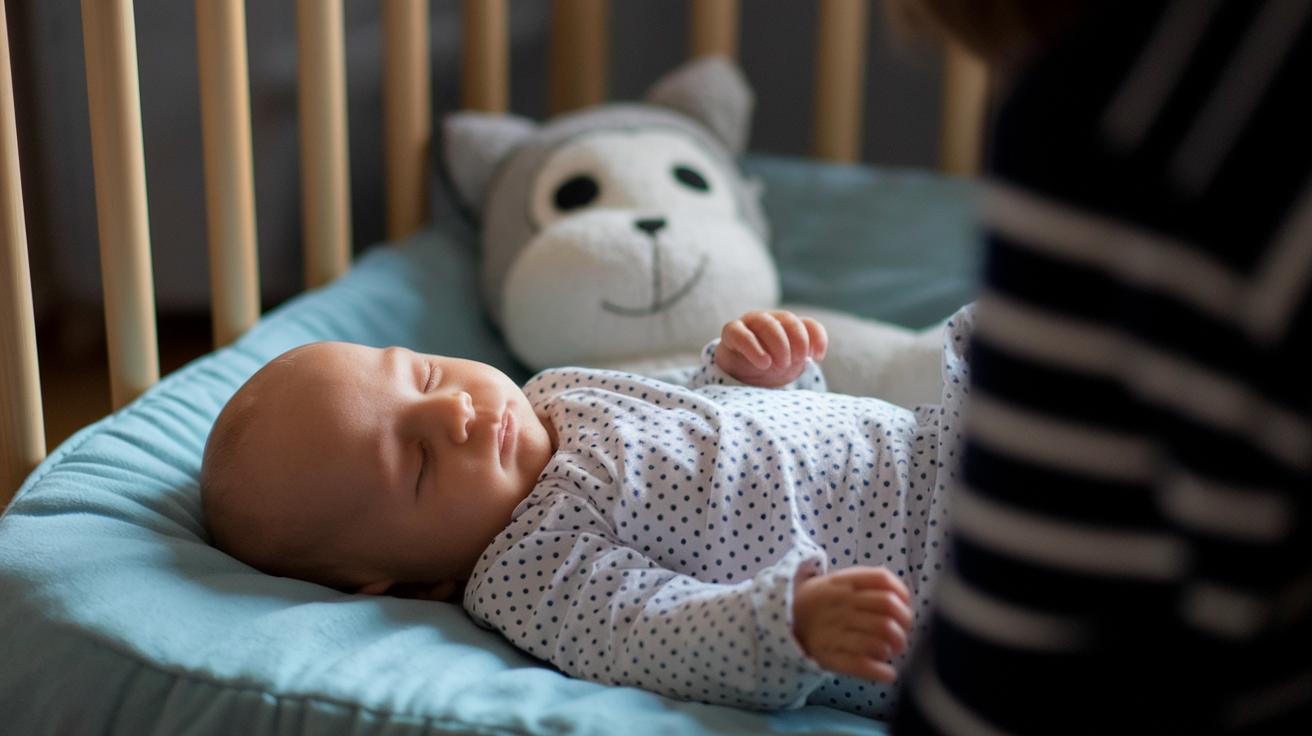
When your baby is around 4 months old, you might notice they’ve already doubled their birth weight. Their sleep starts to settle in, which means those longer nights can become a bit more common. It’s a sweet time when you might also see small improvements, like a steadier head, making you wonder, “When can my baby sit up?”
By 6 to 7 months, little ones often begin teething and their bright eyes seem to take in everything around them. Their tiny hands start to grab toys with more purpose, showing off better hand-eye coordination. A regular nap routine plays a big part here, giving their busy brain and growing body the break they need.
Between 8 and 10 months, many babies start crawling and slowly begin to understand that even when something disappears from sight, it’s still there. Around this time, you might see their sleep shift a little more , the naps become shorter while the nighttime stretches grow longer.
Then, as they approach 11 to 14 months, you may notice some sleep hiccups. Maybe those first wobbly cruising steps show up right when sleep feels a bit off. But really, these little changes are just a natural part of their journey. Each sleep twist helps them practice and fine-tune their new skills, all while building strength and coordination every day.
Sleep-Supported Cognitive and Emotional Milestones: Thriving
A baby's brain nearly doubles in size during the first year. Both REM sleep and non-REM sleep play special roles in this growth. REM sleep helps boost memory and sparks creativity, while non-REM sleep builds strong, steady connections in the brain. Think of sleep as a busy workshop where each type of rest adds its own magic.
Each sleep cycle acts like a creative studio session. During REM sleep, the brain experiments with new ideas, much like an artist sketching out a rough outline. Then in non-REM sleep, those ideas get a firm foundation, similar to steady brush strokes on a canvas. Studies show that a good, uninterrupted sleep helps babies hit important learning milestones sooner.
Getting quality sleep also supports a baby's emotional and physical well-being. Babies who sleep well often have more balanced moods and bounce back quicker from minor illnesses. When sleep is lacking, even everyday challenges can feel tougher. Sometimes, a little tweak in the bedtime routine, like playing a soft lullaby, can bring comfort and help set the stage for a better day.
Biological Mechanisms Linking Infant Sleep to Milestone Achievement

Understanding how sleep works shows us why little improvements during rest can lead to big steps in a baby's growth. When babies get deep sleep, amazing changes happen that boost both their body and brain.
- Deep sleep, especially the non-REM stage, encourages a burst of growth hormone. This hormone kickstarts tissue growth and helps the brain mature.
- REM sleep acts like the brain's file saver, locking in new information and supporting learning and memory.
- A regular sleep pattern helps the brain tidy up extra connections, allowing the most important ones to shine.
- Our natural body clock guides how genes and hormones work, affecting both brain and physical development.
- Even small disruptions in sleep can throw off key brain chemicals, which might slow down important developmental milestones.
Optimizing Sleep Schedules to Promote Infant Milestones
As your baby grows, their sleep needs change. Newborns usually sleep 14 to 17 hours each day because they’re busy growing fast, both in mind and body. From about 4 to 12 months, most little ones settle into sleeping 12 to 16 hours in total, with 2 or 3 naps during the day. When they hit one year, it’s common for them to sleep 11 to 14 hours, often with one or two naps. These sleep patterns help lay the groundwork for all those exciting new skills.
Having a consistent bedtime routine is a gentle way to tell your little one that it’s time to relax. Think of a warm bath, a cozy feeding, and a quiet story before bed, each step helps trigger the body to let go of the day and settle into sleep. This calm sequence not only makes bedtime smoother but can also help keep those pesky tantrums in check.
Setting up a friendly sleep space is also key. A dark, cool room, keeping temperatures around 68 to 72°F, helps your baby sleep soundly and supports healthy brain development. And try to keep things calm for about 30 minutes before bedtime. This quiet time reduces overstimulation, letting your baby stick to that healthy sleep routine while growing and learning every day.
Managing Sleep Regressions to Maintain Milestone Progress
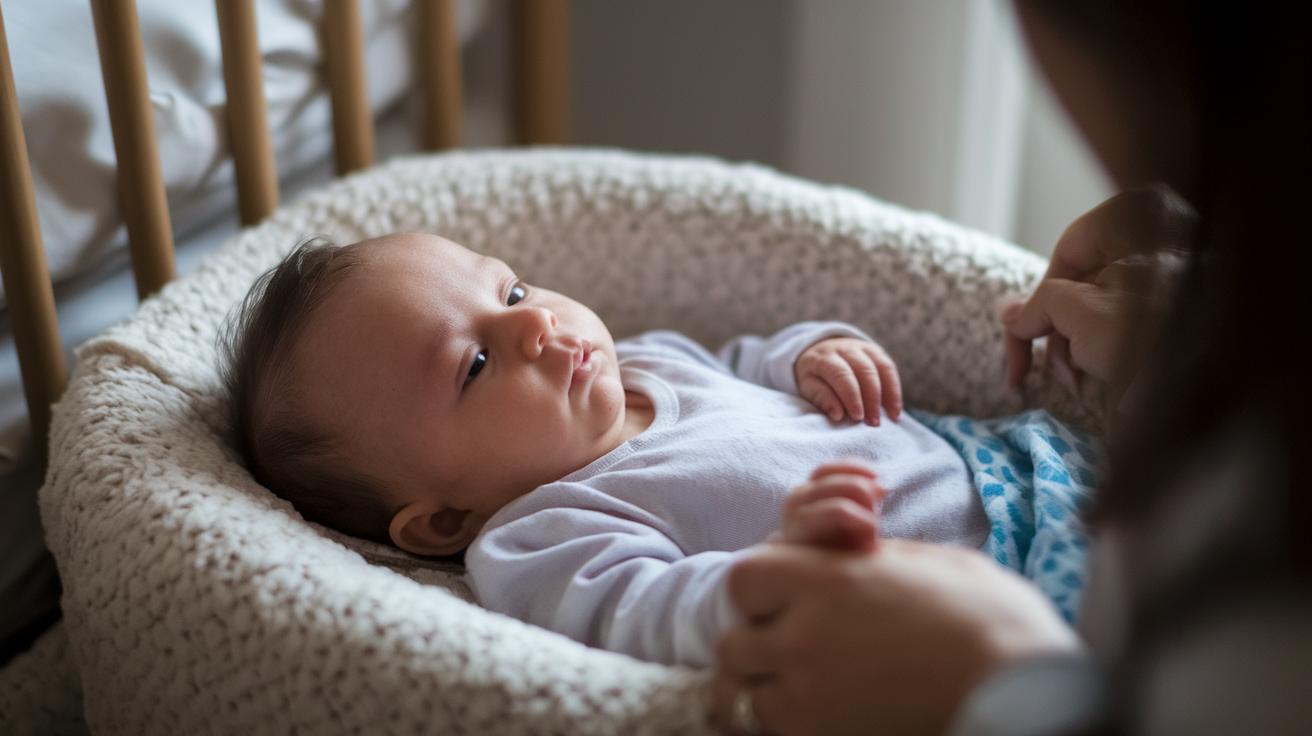
Sometimes your baby's sleep routine changes when they're trying out new skills. At around 4 months (when their body clock is developing), 8 to 10 months (when they start crawling and exploring objects), and 11 to 14 months (when they begin cruising and taking steps), sleep might seem a bit off. Even though these phases can make bedtime a little tricky, they show that your little one is growing and learning every day.
When you notice these sleep changes, it can help to adjust your routine a little. Try shorter periods of wakefulness, give a quick nap to keep your baby’s energy in check, and ease into bedtime with calming activities. For example, if bedtime seems difficult, using a soft white noise sound might help guide your baby to sleep. Simple changes like gently transitioning out of swaddling can also support their new sleep habits while nurturing important motor skills.
Final Words
In the action, this article highlights how healthy sleep shapes baby growth and learning. It breaks down sleep needs and offers real tips on routines that support key physical and cognitive shifts.
Research shows that good sleep directly affects the impact of sleep on infant milestones, helping to build stronger brain connections and smoother transitions during developmental phases.
With simple strategies and nurturing insights, we can create a peaceful sleep environment that brings comfort and confidence to every new day.
FAQ
How does sleep affect infant development?
The way sleep influences infant development is that it supports rapid brain growth, builds neural networks, and lays the foundation for language and memory, all of which are crucial to a baby’s overall growth.
What are the effects of a lack of sleep in babies?
The effects of not getting enough sleep in babies include a fussier temperament, slower learning, and challenges with memory formation, which may delay reaching important developmental milestones.
Why might my baby, particularly at 1–2 months, not be sleeping deeply?
The reason a young baby may not sleep deeply is that early sleep cycles differ; frequent feedings and ongoing brain maturation mean deep sleep will develop over time as the baby’s sleep patterns adjust.
What are common medical reasons a baby might not sleep at night?
The common medical reasons a baby might not sleep at night include physical discomfort from issues like reflux or colic, which can interrupt sleep cycles and make it harder for the baby to settle.
What signs indicate potential sleep disorders in babies?
The signs pointing to possible sleep disorders in babies include persistent fussiness, irregular sleep schedules, and repeated difficulties with falling or staying asleep, suggesting a need for professional evaluation.
What is the 5 3 3 rule for baby sleep?
The meaning of the 5 3 3 rule for baby sleep is that it serves as a guideline outlining recommended total sleep hours, nap durations, and wake windows to help structure an infant’s daily sleep routine.
What is the 5 8 5 rule for babies?
The 5 8 5 rule for babies outlines specific time frames for sleep and wake periods, offering another framework to support healthy sleep habits and overall developmental progress.
Do developmental milestones affect babies’ sleep?
The link between developmental milestones and sleep is that as babies learn new skills, temporary sleep regressions may occur; these brief changes in sleep patterns often reflect positive growth and emerging abilities.