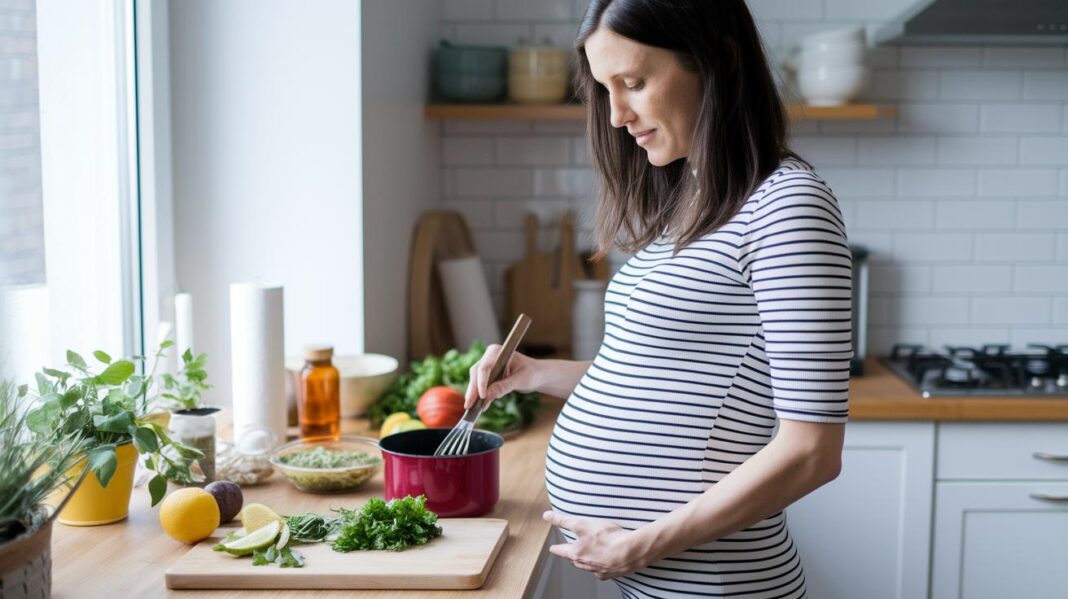
Ever thought about how your meals while expecting might be doing more than just filling you up? Studies show that foods rich in omega-3, like salmon, crunchy walnuts, and leafy greens, can work like a gentle shield for both you and your baby.
Each bite gives you a burst of vitamins and minerals that help soothe your body and ease inflammation. It’s like your plate is helping to create a caring bubble around you, keeping things calm and balanced.
In this chat, we’ll explore how simple, nutritious choices can bring more energy and health to your pregnancy. Have you ever noticed how little changes in what you eat can brighten your whole day?
Maternal Nutrition’s Role in Fighting Inflammation During Pregnancy
Eating healthy during pregnancy not only gives your body the energy it needs but also helps keep inflammation down. Chronic inflammation can lead to issues like gestational diabetes, high blood pressure (preeclampsia), and even early birth. Have you ever thought about adding a serving of salmon to your meals? In fact, just two servings per week of omega-3 rich foods such as salmon, walnuts, or flaxseeds can support your baby's brain and eye development while keeping inflammation at bay.
Taking a diet-based approach to managing inflammation means choosing whole foods bursting with essential nutrients. By including a mix of fruits, leafy greens, lean proteins, and whole grains, you'll create a colorful plate full of antioxidants and other important nutrients. These foods not only boost your overall wellness but also help reduce inflammation in a natural way.
Healthy fats during pregnancy, such as omega-3s found in salmon and walnuts, act as natural fighters against inflammation. When you add these ingredients to your meals, you’re ensuring that both you and your baby get the best vitamins and minerals possible. This balanced way of eating helps build a strong foundation for a healthy start.
There are many trusted resources, like video libraries and easy-to-follow guides, that show clear steps to manage inflammation through nutrition. Updated in December 2022, these insights remind us that little, everyday healthy choices can make a big difference. So, by picking nutrient-packed foods and having at least two servings of omega-3 rich sources each week, you set the stage for a joyful and healthy pregnancy.
Anti-Inflammatory Nutrients and Foods for Expectant Mothers
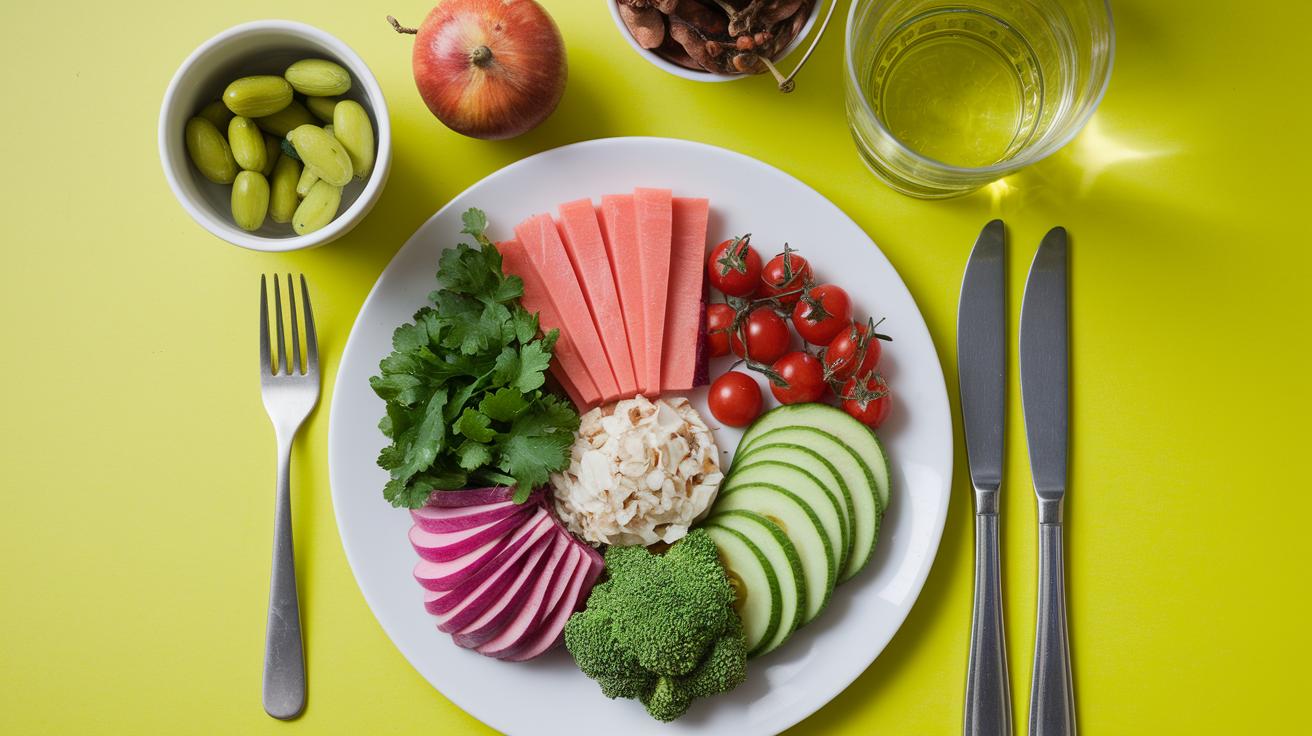
A plate filled with a mix of colorful, healing foods can do wonders for you and your baby. When you add foods like turmeric and ginger to your meals, it’s like giving your body a little extra help to fight inflammation. Imagine your plate as a garden of nature’s best, where each color offers its own special nutrients that work gently to reduce swelling and support gentle growth.
Think about sprinkling a bit of ginger on your stir-fry, it's like getting a warm, zesty hug that boosts your well-being.
Key anti-inflammatory foods to consider:
| Food Group | Examples |
|---|---|
| Seafood | Salmon, Sardines |
| Nuts and Seeds | Walnuts, Flaxseeds |
| Berries | Blueberries, Strawberries |
| Leafy Greens | Spinach, Kale |
| Spices | Turmeric, Ginger |
| Whole Grains | Oats, Quinoa |
Mix these nutrient-packed foods into your diet and enjoy more than just tasty meals. The fiber in whole grains helps keep your energy steady, and the natural goodness in berries works like tiny helpers against inflammation. It’s a simple way to treat your body kindly while enjoying each bite.
Designing a Gestational Eating Plan to Reduce Inflammatory Markers
When you're planning meals during pregnancy, focusing on foods that help keep inflammation low can really support both you and your little one. It’s as simple as adding a mix of colorful fruits, veggies, nuts, seeds, and fatty fish to your daily routine. Think of every meal as a little gift for your body, a burst of natural goodness that keeps things balanced. For instance, having a couple of servings each week of omega-3-rich choices like salmon or walnuts can be a real bonus for your baby’s brain and eyes.
Sometimes, using meal prep guides or handy checklists can make planning even easier. These tools remind us that little, thoughtful food choices add up to a full day of gentle, nourishing eating. Why not try a familiar recipe with a small twist? Adding ingredients such as flaxseeds or a pinch of turmeric can give your meals a fun upgrade. A varied plate fills you with the right mix of nutrients, making it rewarding to stick with an anti-inflammatory eating plan.
| Meal | Food Examples |
|---|---|
| Breakfast | Blueberry oatmeal with flaxseeds |
| Lunch | Kale salad with grilled salmon and walnuts |
| Dinner | Turmeric-spiced quinoa bowl with roasted vegetables |
Supplements and Herbs for Maternal Inflammation Control
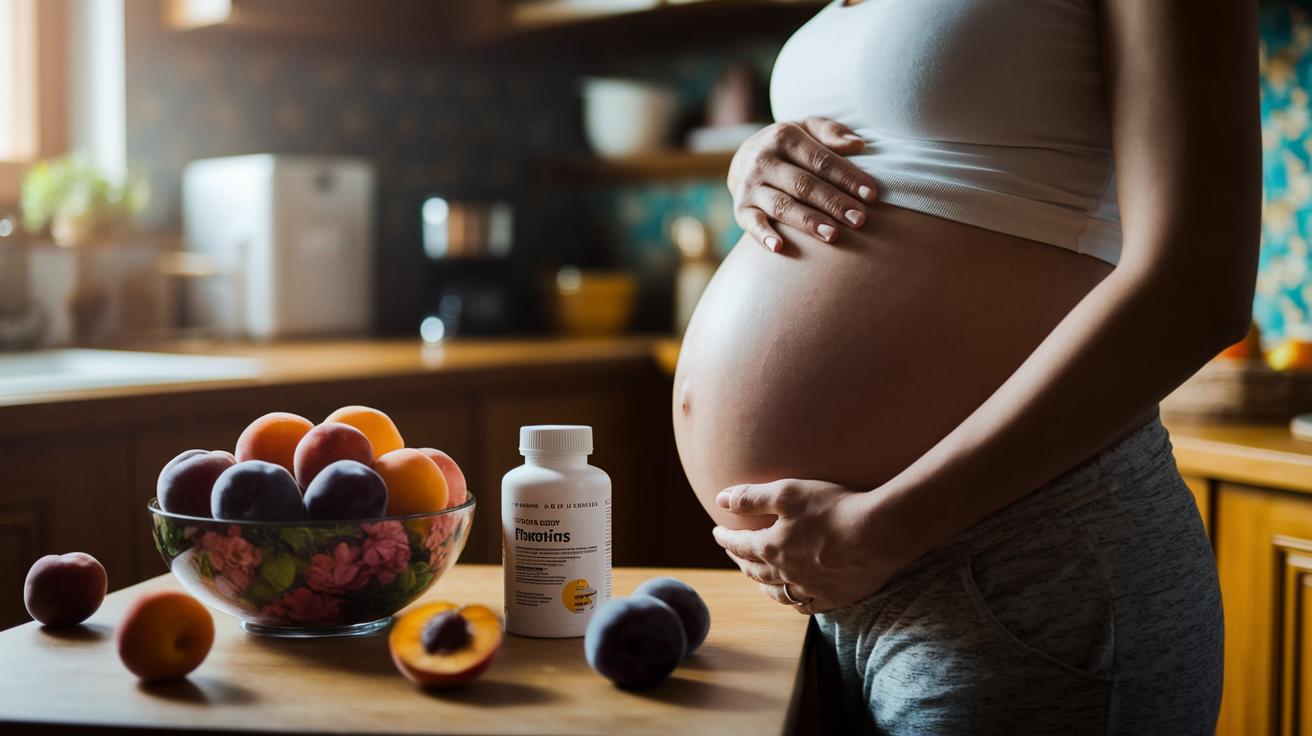
Many moms have discovered that curcumin can be a gentle friend when it comes to easing inflammation. It works naturally to help reduce some of the bodily stress you might feel during pregnancy. Some also choose to add probiotics to their day. These friendly bacteria can support your digestion and might even boost your overall well-being. Often, supplement plans include fish oil (rich in omega-3s) and vitamin D because both can play key roles in keeping you healthy. Trusted handouts offer clear guidance on safe doses and practical tips on how to use these supplements.
Ginger, for example, has been used for ages to soothe discomfort and help with digestion, giving you a little bit of relief when you need it. And turmeric, well-known for its natural anti-inflammatory benefits, can be a wonderful partner in your daily routine. Curious? You can review evidence-based guidelines on herb and supplement options at this resource: Maternal nutrition and inflammation reduction. Just remember, it’s always important to follow expert advice on dosage and safety. Adding these simple changes might help manage inflammation, making your journey a bit smoother for both you and your baby.
Research Insights on Nutritional Impact for Pregnancy Inflammation
Research shows that the food you choose can help ease pregnancy-related swelling. Studies have found that a thoughtful diet can lower inflammation markers like CRP and IL-6. Experts from webinars and podcasts say that adding omega-3s, antioxidants, and important micronutrients to your meals might boost your body’s natural defense during pregnancy.
More and more, researchers are exploring how eating patterns can change inflammation levels while you’re expecting. They’ve noticed that meals filled with fruits, vegetables, whole grains, and lean proteins not only offer needed energy but may also help reduce swelling. In simple terms, enjoying nutrient-rich foods every day might lower risks like gestational diabetes and high blood pressure.
Exciting breakthroughs suggest that a well-planned eating routine could be a key part of taking care of yourself during pregnancy. As we learn more about how food and inflammation interact, a healthier and more comfortable pregnancy may be within reach.
It’s always best to chat with your healthcare provider to tailor these changes in a way that supports both you and your little one.
Risks of Poor Nutrition and Inadequate Inflammation Control in Pregnancy
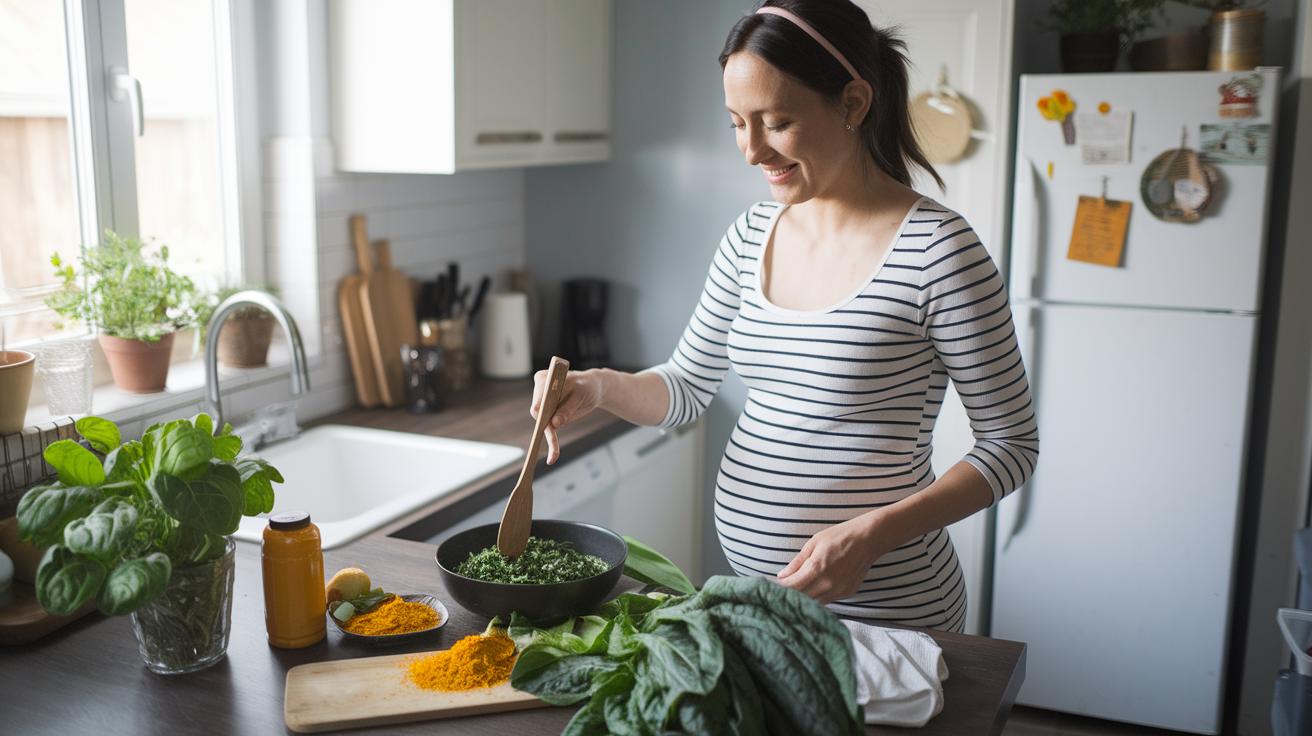
Recent studies show that an unbalanced diet during pregnancy might bring more risks than we usually think. Even small gaps in important nutrients can lead to problems such as a placenta that may not do its job well and extra strain on the body (oxidative stress), which can subtly affect your baby's development.
Simple changes in your diet can make a big difference. A personalized nutrition plan that includes a mix of vitamins and minerals, like foods rich in magnesium and vitamin D, might help keep mild inflammation under control. In one story, a mom-to-be shared that adding leafy greens and nuts to her meals gave her a new burst of energy, even in her third trimester.
It isn’t just about missing omega-3s or antioxidants. Not having a mix of different fruits, vegetables, and whole grains means you might miss out on some key nutrients that help ease inflammation. A balanced and mindful diet can be a helpful tool, giving moms another way to support a healthier pregnancy.
Practical Tips for Daily Anti-Inflammatory Nutrition in Pregnancy
One lovely way to boost your meals is by adding a pinch of turmeric or a slice of ginger while you cook. These spices not only add extra flavor but can also help ease inflammation. Picture stirring some turmeric into your morning smoothie – it's like giving your day a gentle, warming lift.
You might try different cooking methods to make sure your food keeps all its goodness. Steaming vegetables or grilling lean proteins helps keep the nutrients intact, including the healthy dietary fats your body needs during pregnancy. Imagine enjoying lightly steamed broccoli with a dash of ginger – a light, tasty way to help keep inflammation at bay.
Meal-prep can be a fun part of your routine too. Consider setting aside a little time on the weekend to chop vegetables, prepare healthy snacks, and marinate proteins with your favorite anti-inflammatory spices. For example, mix a small container of chopped berries with a handful of walnuts for a quick snack on a busy day. This simple habit helps you avoid rushed meals while keeping your menu full of lively colors and textures that nurture your well-being.
Here are a few ideas to try:
- Sprinkle turmeric or ginger on roasted vegetables.
- Grill fish to keep its omega-3 fats intact.
- Prepare snack boxes with fruits and nuts to keep your energy steady.
When you add these simple strategies to your daily cooking, you're building a caring routine that supports a happy, healthy pregnancy.
Final Words
In the action, we explored how a balanced eating plan can help reduce inflammatory markers during pregnancy. We looked at anti-inflammatory foods, meal planning tips, and supplements that support both mother and baby. The insights from expert research and practical strategies remind us that small daily choices can make a real difference. Drawing on maternal nutrition for combating inflammation, every mindful bite builds the foundation for a healthy, joyful future.
FAQ
Q: What are the signs of inflammation during pregnancy?
A: The signs of inflammation during pregnancy include feeling unusually tired, experiencing swelling, and sometimes having elevated markers in blood tests, which may indicate a need for dietary adjustments.
Q: What is an anti-inflammatory diet for fertility, including IVF?
A: The anti-inflammatory diet for fertility and IVF emphasizes whole foods like omega-3-rich fish, leafy greens, berries, and whole grains, supporting reproductive health while keeping inflammation levels balanced.
Q: Which foods help reduce inflammation in the uterus?
A: The foods that help reduce uterine inflammation are fatty fish, leafy greens, colorful fruits like berries, and spices such as turmeric and ginger, all known for their anti-inflammatory benefits.
Q: How is an inflammation protocol used in IVF treatments?
A: The inflammation protocol for IVF involves dietary strategies, nutrient-dense meals, and safe supplements to reduce inflammation, supporting a balanced immune response and optimal reproductive outcomes.